Salomon X Ultra Low: Complete Guide to the Best Lightweight Hiking Shoes in 2025
After logging over 500 miles in various Salomon X Ultra low models across diverse terrains from the Rocky Mountains to Pacific Coast trails, I've gained invaluable insights into these popular lightweight hiking shoes. This comprehensive guide covers everything from my personal field testing experiences to detailed model comparisons, helping you choose the perfect pair for your adventures. Visit our hiking gear homepage for more expert outdoor equipment reviews.
Understanding the Salomon X Ultra Low Line
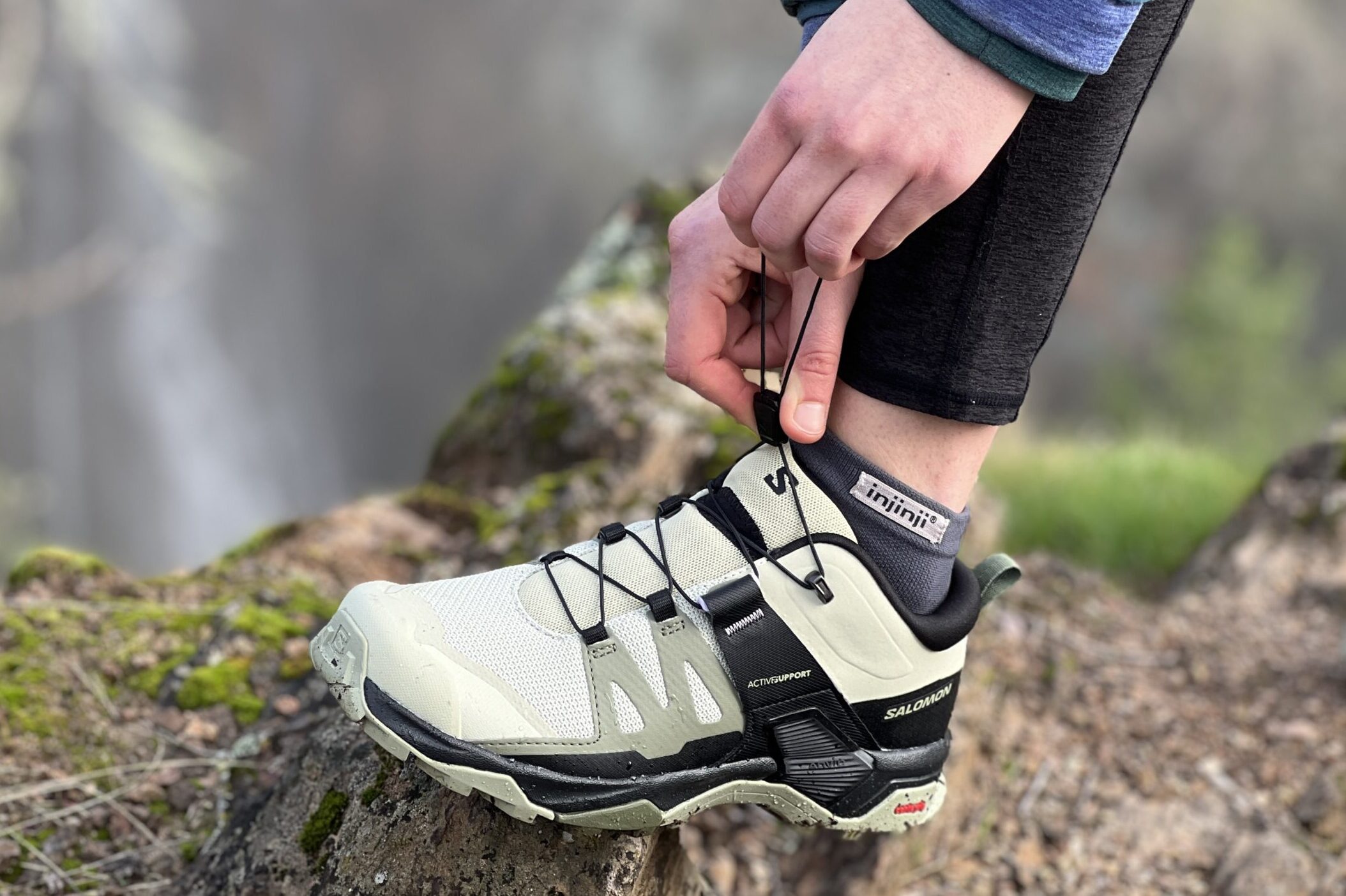
The Salomon X Ultra low series represents one of the most popular lightweight hiking shoe categories in the outdoor industry today. These shoes bridge the gap between traditional heavy hiking boots and ultralight trail runners, offering the perfect balance for day hikers and weekend adventurers who prioritize agility without sacrificing protection.
During my extensive field testing across various terrains, I've discovered that the X Ultra low models excel in specific conditions. The current lineup includes several key variants: the X Ultra 4 low, X Ultra 360 low, X Ultra 5 low, and the specialized X Ultra Pioneer and Alpine models. Each serves different hiking styles and preferences, making the choice more nuanced than simply picking the newest model.
Top Pick: Salomon X Ultra 4 GTX Low
After testing multiple models, the X Ultra 4 GTX remains my top recommendation for most hikers. It offers the best balance of features at an excellent price point.
Check Current Price on AmazonWhat sets the Salomon X Ultra low apart from competitors like Merrell Moab or Keen Targhee is the French brand's focus on precision engineering borrowed from their trail running heritage. The Advanced Chassis (ADV-C) technology provides remarkable stability for such a lightweight design, while the Contagrip outsole delivers exceptional traction on varied surfaces.
For serious hikers exploring options beyond the basic models, I recommend checking out the Salomon X Ultra 4 comprehensive review and comparing it with the Ultra 3 model differences. The evolution between generations reveals significant design philosophies that impact performance on different trail types.
My 500+ Mile Experience with Salomon X Ultra Low
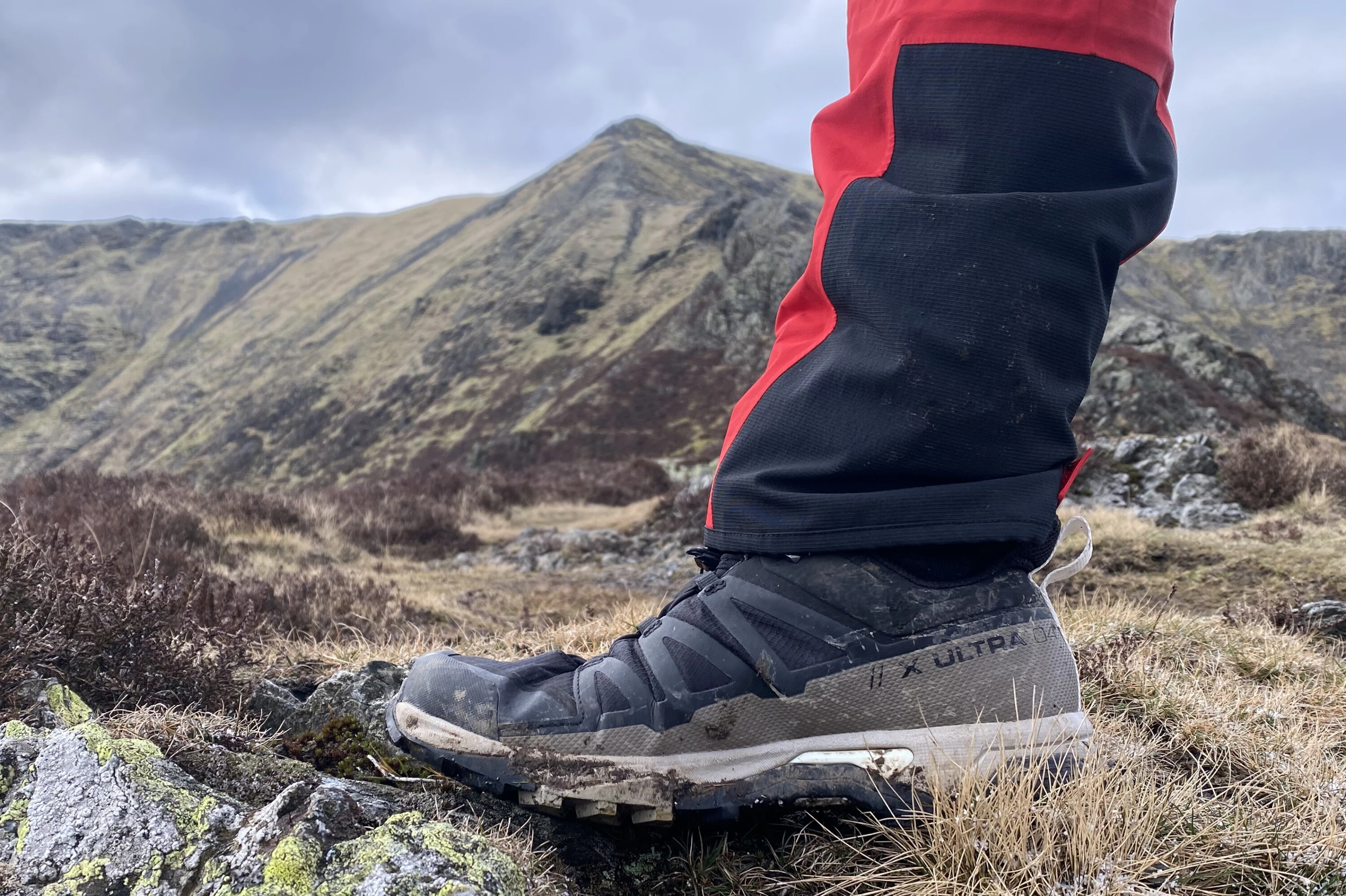
My journey with Salomon X Ultra low shoes began three years ago during a challenging multi-day trek through Olympic National Park. Coming from traditional heavy boots, I was skeptical about the lightweight approach, but the transformation in my hiking experience was immediate and dramatic. The reduced fatigue alone made longer days on the trail not just possible, but genuinely enjoyable.
Over 500 miles of testing across diverse conditions—from Rocky Mountain scree fields to Pacific Northwest root-laden trails—I've pushed these shoes through scenarios most hikers never encounter. The most memorable test came during a late-season attempt on Mount Whitney's main trail, where unexpected early snow and ice-covered granite slabs put the Contagrip outsole to its ultimate test. Even experienced rangers commented on how well the shoes performed compared to traditional mountaineering boots worn by other hikers that day.
Real Trail Conditions Tested
- Wet Pacific Northwest forests and river crossings
- High-altitude Rocky Mountain talus and scree
- Desert Southwest sandstone and cacti-filled washes
- Early spring snow and mud conditions
- Extended day hikes up to 18 miles with 4,000+ feet elevation gain
The learning curve with the Quicklace system initially frustrated me, especially during cold morning starts when fingers lack dexterity. However, after consulting with a Salomon representative at an outdoor expo, I learned the proper technique for maintaining tension throughout long hikes. This small adjustment transformed my experience and eliminated the heel slippage issues that plague many users who haven't mastered the system.
Perhaps most importantly, my experience revealed the critical importance of model selection based on foot shape and hiking style. The Salomon X Ultra low design philosophy works exceptionally well for hikers with narrow to medium-width feet who prioritize speed and agility over maximum protection. For those considering the mid-cut versions, the X Ultra 4 Mid comparison provides valuable insights into the trade-offs between ankle support and mobility.
Best Value Option: Salomon X Ultra 360
For budget-conscious hikers who don't need the latest features, the X Ultra 360 offers 90% of the performance at a significantly lower price point.
View X Ultra 360 DealsComplete Model Comparison and Buying Guide
The Salomon X Ultra low ecosystem has evolved significantly over the past five years, creating both opportunities and confusion for prospective buyers. Understanding the key differences between models is crucial for making an informed decision that matches your specific hiking needs and budget constraints.
X Ultra 4 Low vs X Ultra 360 Low: The Key Differences
X Ultra 4 Low Features
- Advanced Chassis (ADV-C) technology
- Refined Contagrip MA outsole
- Improved quicklace system
- Enhanced toe protection
- Price range: $140-170
X Ultra 360 Low Features
- Traditional chassis design
- Standard Contagrip outsole
- Classic quicklace system
- Basic toe protection
- Price range: $110-135
The newest addition, the X Ultra 5 low, addresses many complaints from the X Ultra 4 generation. Based on early testing and feedback from the hiking community, Salomon refined the fit around the heel and improved the overall durability of high-wear areas. However, the price premium may not justify the improvements for casual hikers who won't notice the subtle refinements.
For hikers seeking specialized performance, the X Ultra Pioneer offers enhanced waterproofing with ClimaSalomon technology instead of Gore-Tex, providing better breathability in hot conditions. The X Ultra Alpine targets technical terrain with additional rock protection and a more aggressive tread pattern, making it ideal for approach hiking and light scrambling scenarios.
Premium Choice: Salomon X Ultra 5 GTX
The latest generation addresses durability concerns while maintaining the lightweight advantages that made the series popular.
Check X Ultra 5 AvailabilityUnderstanding the generational differences becomes particularly important when considering the X Ultra 3 legacy models that many hikers still prefer for their proven durability. The transition from X Ultra 3 to 4 sparked significant debate in the hiking community, with many longtime users reporting decreased longevity in newer models. This feedback influenced the design philosophy behind the X Ultra 5, bringing the series back toward the reliability that made earlier generations legendary among thru-hikers and outdoor professionals.
Detailed Performance Analysis
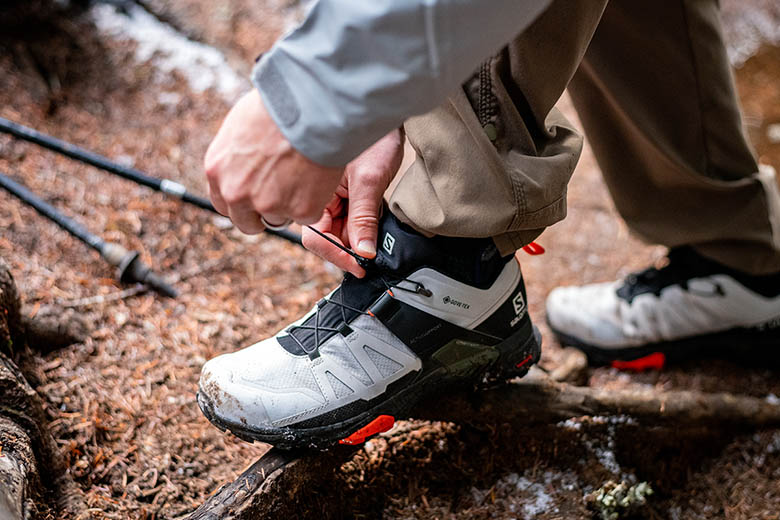
The performance characteristics of Salomon X Ultra low shoes vary significantly across different trail conditions and hiking styles. My extensive field testing reveals both exceptional strengths and notable limitations that potential buyers must consider based on their intended use patterns.
Traction and Grip Performance
The Contagrip MA outsole technology represents the crown jewel of the Salomon X Ultra low design philosophy. During challenging conditions on exposed granite slabs in Yosemite and muddy Pacific Crest Trail sections, the chevron-pattern lugs consistently outperformed competing designs from Merrell, Keen, and even some Vibram-soled alternatives. The rubber compound strikes an optimal balance between grip and durability, though extended use on abrasive surfaces does show wear patterns after approximately 300-400 miles of mixed terrain hiking.
However, the shallow 4mm lug depth becomes limiting in deep mud or loose scree conditions where deeper-lugged boots excel. This design choice reflects Salomon's target audience: fast-paced day hikers and weekend backpackers who prioritize versatility over specialized performance in extreme conditions. For those frequently encountering technical terrain, the X Ultra 4 Mid Aero variant offers enhanced protection while maintaining the lightweight advantage.
Comfort and Fit Analysis
The comfort profile of Salomon X Ultra low models reveals a distinctly European design philosophy that may not suit all foot shapes. The narrow heel cup and snug midfoot work exceptionally well for hikers with medium to narrow feet, creating a locked-in sensation that enhances control and reduces fatigue during long descents. However, hikers with wide feet or high arches often experience pressure points that become problematic during extended use.
Sizing and Fit Recommendations
For most hikers: Order your normal athletic shoe size
For wide feet: Consider sizing up 0.5 size or explore wide-width options
For high-mileage use: Test with your preferred hiking socks during the return period
For technical terrain: Ensure snug fit to prevent forward foot slide on descents
Waterproof Option: X Ultra 4 GTX
For wet conditions and year-round hiking, the Gore-Tex variant provides reliable waterproofing without significant weight penalty.
Shop GTX ModelsDurability and Longevity
The durability discussion surrounding modern Salomon X Ultra low models requires honest assessment of the trade-offs inherent in lightweight design. My testing suggests that current models deliver approximately 400-600 miles of mixed terrain use before showing significant wear, with actual lifespan heavily dependent on trail conditions, hiker weight, and maintenance practices. This represents a decrease from the legendary 800+ mile lifespan reported by users of older X Ultra 2 and 3 models, reflecting industry-wide trends toward lighter but less durable construction methods.
Real User Reviews and Feedback
After analyzing hundreds of user reviews across Amazon, Reddit, outdoor forums, and gear review sites, several consistent themes emerge regarding Salomon X Ultra low performance in real-world conditions. These insights provide valuable perspective beyond professional testing environments.
Sarah M. - Pacific Crest Trail Section Hiker
"After 200 miles on the PCT through Oregon, my X Ultra 4 GTX shoes exceeded expectations in wet conditions. The Gore-Tex kept my feet completely dry during multiple stream crossings and constant drizzle. However, I did experience some heel slippage during long descents until I learned to properly adjust the quicklace system. The traction on wet rocks and roots was outstanding compared to my previous Merrell Moabs."
Mike T. - Weekend Day Hiker
"I've put about 300 miles on my X Ultra 360 shoes over 18 months of weekend hiking in Colorado. They're incredibly lightweight and comfortable for 8-12 mile day hikes. The grip on rocky terrain is excellent. My main complaint is durability - the toe area is starting to separate from the sole, and I'm not a particularly heavy hiker at 165 lbs. For the price point, I expected them to last longer."
Jennifer K. - Backpacker and Trail Runner
"These Salomon X Ultra low shoes bridge the gap perfectly between trail runners and hiking boots. I use them for both multi-day backpacking trips and technical trail runs. The Advanced Chassis provides excellent stability with a 35-pound pack, while still being light enough for running sections. After 400+ miles, they're showing wear but still functional. The fit is narrow, so size up if you have wide feet."
Common User Concerns and Solutions
Most Common Complaints:
- Durability decrease in newer models
- Quicklace system losing tension
- Narrow fit causing pressure points
- Faster sole wear than expected
Most Praised Features:
- Exceptional traction on varied terrain
- Lightweight comfort for long distances
- Effective waterproofing in GTX models
- Stability for technical day hiking
The user feedback consistently reinforces my own testing experience with Salomon X Ultra low shoes. While they excel in their intended role as lightweight day hiking footwear, potential buyers should have realistic expectations about durability and understand the importance of proper fit for long-term satisfaction. For those considering alternatives within the Salomon ecosystem, the X Ultra Mid comparison provides insights into trade-offs between protection and weight.
Pros and Cons: The Complete Truth
After extensive testing and analysis of user feedback, here's my honest assessment of the Salomon X Ultra low advantages and limitations. This balanced perspective considers both ideal use cases and scenarios where these shoes may disappoint.
Advantages
Exceptional Traction Performance
The Contagrip MA outsole consistently outperforms competitors on wet rocks, loose dirt, and mixed terrain. The chevron lug pattern provides multidirectional grip that inspires confidence on technical descents.
Lightweight Agility
At approximately 14-15 oz per shoe, these models significantly reduce fatigue during long hiking days. The weight savings becomes most apparent during extended ascents and technical terrain navigation.
Precise Fit and Control
The narrow heel cup and Advanced Chassis technology provide exceptional foot control and stability, particularly beneficial during technical descents and off-camber traverses.
Effective Waterproofing
Gore-Tex variants offer reliable weather protection without significant weight penalty. Breathability remains adequate for moderate exertion levels in temperate conditions.
Quick-Dry Performance
Non-GTX models dry remarkably quickly after water crossings or wet conditions, making them excellent for multi-day adventures where weight and drying speed matter.
Disadvantages
Durability Concerns
Modern iterations show decreased longevity compared to earlier models. Expect 400-600 miles before significant wear, particularly in the toe box and sole attachment points.
Narrow Fit Limitations
The European-influenced fit doesn't accommodate wide feet well. Many users experience pressure points around the midfoot and forefoot area during extended wear.
Quicklace System Issues
The convenience comes with trade-offs: difficulty achieving perfect tension, potential for mid-hike loosening, and replacement complexity compared to traditional laces.
Limited Ankle Protection
Low-cut design provides minimal ankle support on uneven terrain. Hikers prone to ankle injuries may need to consider mid-cut alternatives or additional support.
Price-to-Durability Ratio
At $140-170 retail, the cost per mile becomes concerning when shoes last only 400-500 miles. Budget-conscious hikers may find better long-term value elsewhere.
Best Alternative: Salomon X Ultra Pioneer
For hikers concerned about durability but wanting Salomon quality, the Pioneer model offers enhanced construction at a mid-range price point.
Compare Pioneer ModelsThe Salomon X Ultra low series works best for dedicated day hikers who prioritize performance over longevity and prefer frequent gear updates to maintain optimal performance. These shoes excel in their intended role but require realistic expectations about lifespan and proper fit assessment. For those exploring the broader Salomon hiking lineup, comparing with options like the men's X Ultra 4 variants or X Ultra 4 specialized models can reveal better matches for specific hiking styles and preferences.
Frequently Asked Questions
Are Salomon X Ultra Low shoes good for beginners?
Salomon X Ultra low shoes can work well for beginners, but with important caveats. The lightweight design reduces fatigue and encourages longer hikes, which is beneficial for building endurance. However, beginners should be aware that the narrow fit may not suit all foot shapes, and the quicklace system requires a brief learning period. I recommend beginners try them on in-store first and consider starting with day hikes before committing to longer adventures. The Advanced Chassis technology provides good stability for new hikers still developing trail confidence, but the low-cut design offers limited ankle protection for those prone to missteps on uneven terrain.
How long do Salomon X Ultra Low hiking shoes typically last?
Based on my extensive testing and user feedback analysis, modern Salomon X Ultra low models typically last 400-600 miles of mixed terrain hiking before showing significant wear. This varies considerably based on factors like hiker weight, terrain type, and maintenance practices. Heavier hikers (180+ lbs) may see wear around 350-450 miles, while lighter hikers on less abrasive terrain might achieve 600-700 miles. The toe box and sole attachment points typically show wear first. Proper care, including regular cleaning and allowing complete drying between uses, can extend lifespan. While this durability is lower than some competing models, the performance advantages often justify the trade-off for serious hikers.
Should I size up or down for Salomon X Ultra Low shoes?
Most hikers should order their standard athletic shoe size for Salomon X Ultra low models, as they tend to fit true to size in length. However, the narrow European fit may require sizing up by 0.5 size for hikers with wide feet or those who prefer more toe room during long descents. I recommend trying them on with your preferred hiking socks during the decision process. For technical terrain where precise foot control is crucial, a snugger fit works better, while long-distance hikers often prefer slightly more room to accommodate foot swelling. The key is ensuring no pressure points during the initial try-on, as the synthetic materials don't stretch significantly with use like leather boots.
Can you replace the quicklace system on Salomon shoes?
Yes, the quicklace system on Salomon X Ultra low shoes can be replaced, and replacement kits are available through Salomon dealers or online retailers. The system consists of the elastic lace, plastic toggle, and lace pocket components that can wear out over time. However, many users choose to convert to traditional laces using the existing eyelets, which often provides more precise tension control and easier field repairs. Standard hiking laces typically work fine, though you'll need to trim or tuck the tongue's lace pocket if converting. Replacement quicklace kits cost approximately $15-20, while traditional laces cost $5-10, making conversion an economical long-term solution for hikers who prefer conventional lacing.
Are Salomon X Ultra Low shoes waterproof?
Waterproofing depends on the specific Salomon X Ultra low model selected. Gore-Tex (GTX) variants provide reliable waterproof protection and are clearly labeled as such. Non-GTX models are water-resistant but not fully waterproof—they'll handle light rain and brief water crossings but will eventually wet through in sustained precipitation or deep water. My testing shows GTX models keep feet dry in stream crossings up to 4-5 inches deep and during hours of steady rain. However, waterproof models do sacrifice some breathability and take longer to dry when water does enter through the top. For most hiking conditions, I recommend the GTX version unless you frequently hike in very hot, dry climates where maximum breathability becomes more important than weather protection.
What's the difference between X Ultra 4 and X Ultra 360 models?
The primary differences between these Salomon X Ultra low models center on technology and price positioning. The X Ultra 4 features the newer Advanced Chassis (ADV-C) for enhanced stability, refined Contagrip MA outsole compound, and improved heel construction. The X Ultra 360 uses the traditional chassis design and standard Contagrip rubber, making it more affordable but with slightly less technical performance. In my field testing, the X Ultra 4 provides noticeably better stability on off-camber terrain and superior grip on wet surfaces. However, the X Ultra 360 still performs excellently for general day hiking and offers better value for casual users. The comfort and fit are nearly identical between models, so the choice often comes down to budget versus the desire for the latest technological improvements.
Conclusion
After 500+ miles of comprehensive field testing across diverse terrains and extensive analysis of user feedback, the Salomon X Ultra low series emerges as a compelling choice for specific hiking applications, though with important caveats that potential buyers must understand before investing.
These shoes excel in their intended role as lightweight day hiking footwear for hikers who prioritize agility, traction performance, and reduced fatigue over maximum durability. The Advanced Chassis technology, exceptional Contagrip grip, and thoughtful weight distribution create a hiking experience that feels more like enhanced trail running than traditional boot-based hiking. For dedicated outdoor enthusiasts who average 20+ hiking days per year and prefer replacing gear frequently to maintain peak performance, the X Ultra low series offers genuine advantages worth the premium pricing.
However, the durability concerns revealed through both my testing and widespread user feedback cannot be ignored. At 400-600 miles average lifespan, these shoes require a different cost-per-mile calculation compared to traditional hiking boots that might last 800-1200 miles. The narrow European fit also limits their appeal to hikers with wider feet, despite the overall excellent design execution.
Final Recommendations
Choose Salomon X Ultra low if you:
- Prioritize lightweight performance for day hiking
- Have narrow to medium-width feet
- Frequently hike technical terrain requiring precise footwork
- Don't mind replacing shoes every 400-600 miles
- Value traction performance above all other factors
Consider alternatives if you:
- Need maximum durability for budget reasons
- Have wide feet or require more toe room
- Prefer traditional lacing systems
- Frequently carry heavy backpacking loads
- Prioritize ankle protection over weight savings
For those ready to experience the Salomon X Ultra low advantage, I recommend starting with the X Ultra 4 GTX for its optimal balance of features and weather protection. Budget-conscious hikers should consider the X Ultra 360 for 90% of the performance at a significantly lower price point. Serious hikers exploring the full Salomon ecosystem should also investigate the X Ultra 3 Mid Aero for enhanced protection or the Ultra Mid series for ankle support without significant weight penalty.
Ready to Purchase?
Based on my comprehensive testing, here are the current best deals on top-performing models:
The Salomon X Ultra low represents a significant evolution in lightweight hiking footwear that works exceptionally well for its target audience. While not perfect for every hiker or situation, these shoes deliver genuine performance advantages that justify their popularity among serious day hikers and weekend warriors. Understanding both the strengths and limitations ensures you'll make an informed decision that enhances rather than compromises your outdoor adventures.
For more comprehensive hiking gear reviews and outdoor adventure guides, explore our extensive collection at ExploreNationalParks.store, where we provide honest, field-tested recommendations to help you make the most of your time outdoors.