Technical Outdoor Clothing: The Complete Guide to High-Performance Gear for Every Adventure
After spending over a decade testing technical outdoor clothing across diverse conditions—from alpine climbing in the Rockies to backpacking through Pacific Northwest rainforests—I've learned what separates truly functional gear from marketing hype. This comprehensive guide will help you navigate the complex world of technical outdoor clothing, understand layering systems, and make informed decisions for your next adventure. Explore National Parks offers expert insights for outdoor enthusiasts seeking reliable gear recommendations.
Understanding Technical Outdoor Clothing
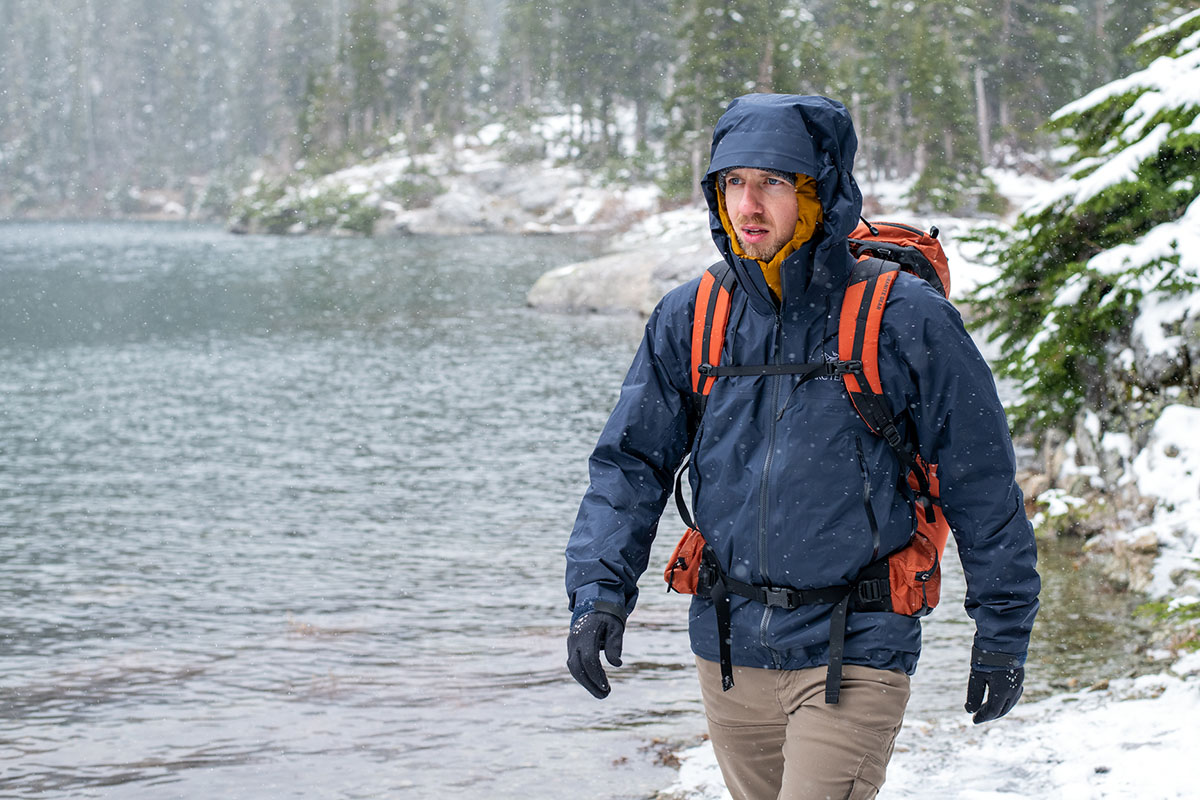
Technical outdoor clothing represents a revolutionary approach to outdoor apparel that goes far beyond traditional cotton or wool garments. These high-performance pieces integrate advanced materials science, innovative construction techniques, and decades of field testing to create clothing systems that actively work with your body during outdoor adventures.
What distinguishes technical outdoor clothing from regular apparel is its engineered functionality. Every aspect—from fabric weave to seam construction—serves a specific performance purpose. Technical fabrics incorporate synthetic materials like polyester and nylon that provide superior moisture management, durability, and weather protection compared to natural fibers. However, modern technical clothing also embraces advanced natural materials like merino wool for specific applications where its properties excel.
The science behind technical outdoor clothing focuses on three critical performance areas: thermal regulation, moisture management, and environmental protection. Thermal regulation involves fabrics that trap warm air when needed while allowing excess heat to escape during high-exertion activities. Moisture management utilizes hydrophobic and hydrophilic fiber combinations to move perspiration away from skin while maintaining insulation properties even when damp.
Environmental protection encompasses waterproof-breathable membranes, wind-resistant constructions, and UV-blocking capabilities. Modern technical outdoor clothing achieves these properties through innovative membrane technologies like GORE-TEX, eVent, and proprietary fabric treatments that create microscopic pore structures allowing water vapor passage while blocking liquid water penetration.
Expert Tip: The key to understanding technical clothing is recognizing that performance comes from system integration, not individual pieces. A $500 jacket won't perform optimally without appropriate base and mid-layers working in harmony.
When investing in outdoor clothing, understanding these technical principles helps you make informed decisions rather than being swayed by marketing claims. The most expensive gear isn't always the best choice for your specific needs—matching technical specifications to your intended use ensures optimal performance and value.
Essential Layering Systems for Outdoor Adventures

The layering system represents the cornerstone of technical outdoor clothing philosophy. Rather than relying on single heavy garments, layering creates adaptable clothing systems that respond to changing conditions and activity levels. This approach provides superior temperature regulation, moisture management, and versatility compared to traditional outdoor wear.
Base Layer
The foundation of any technical clothing system, base layers manage moisture and regulate skin temperature. Premium merino wool and synthetic fabrics excel at wicking sweat while providing odor resistance and thermal regulation.
Mid Layer
Insulation layers trap warm air while maintaining breathability. Options include fleece, synthetic insulation, and down fills. The key is balancing warmth-to-weight ratio with packability and moisture resistance.
Outer Layer
Shell layers provide weather protection through waterproof-breathable membranes or wind-resistant fabrics. These act as your first defense against rain, snow, and wind while allowing internal moisture escape.
Effective layering requires understanding how different materials interact. Base layers should never be cotton—this natural fiber retains moisture, loses insulation when wet, and dries slowly. Instead, choose merino wool for multi-day trips where odor resistance matters, or synthetic materials for high-sweat activities requiring rapid moisture transfer.
Mid-layer selection depends heavily on activity level and conditions. Technical outdoor clothing offers numerous insulation options: fleece provides excellent breathability for active pursuits, synthetic fill maintains warmth when wet, while down offers the best warmth-to-weight ratio in dry conditions. Active insulation layers combine both features using synthetic fills with enhanced breathability.
Seasonal Layering Strategies
Spring/Summer Layering
- Lightweight synthetic base layer
- Optional light fleece or soft shell
- Packable rain jacket
- UV protection layers
Fall/Winter Layering
- Merino wool base layers
- Insulated mid-layer (down/synthetic)
- Hardshell outer layer
- Backup insulation layer
Outer layer selection represents perhaps the most critical decision in technical clothing systems. Hardshells provide maximum weather protection through fully waterproof-breathable construction, ideal for prolonged exposure to harsh conditions. Softshells offer enhanced breathability and stretch for active pursuits but sacrifice some weather protection. Understanding these trade-offs helps you choose appropriate waterproof outdoor clothing for your specific adventures.
Remember that effective layering isn't just about having the right pieces—it's about understanding when and how to adjust your system. Successful outdoor adventurers constantly modify their layering based on changing weather, activity intensity, and environmental conditions. This adaptive approach maximizes comfort while preventing overheating or dangerous cooling.
Top Technical Outdoor Clothing Brands Compared
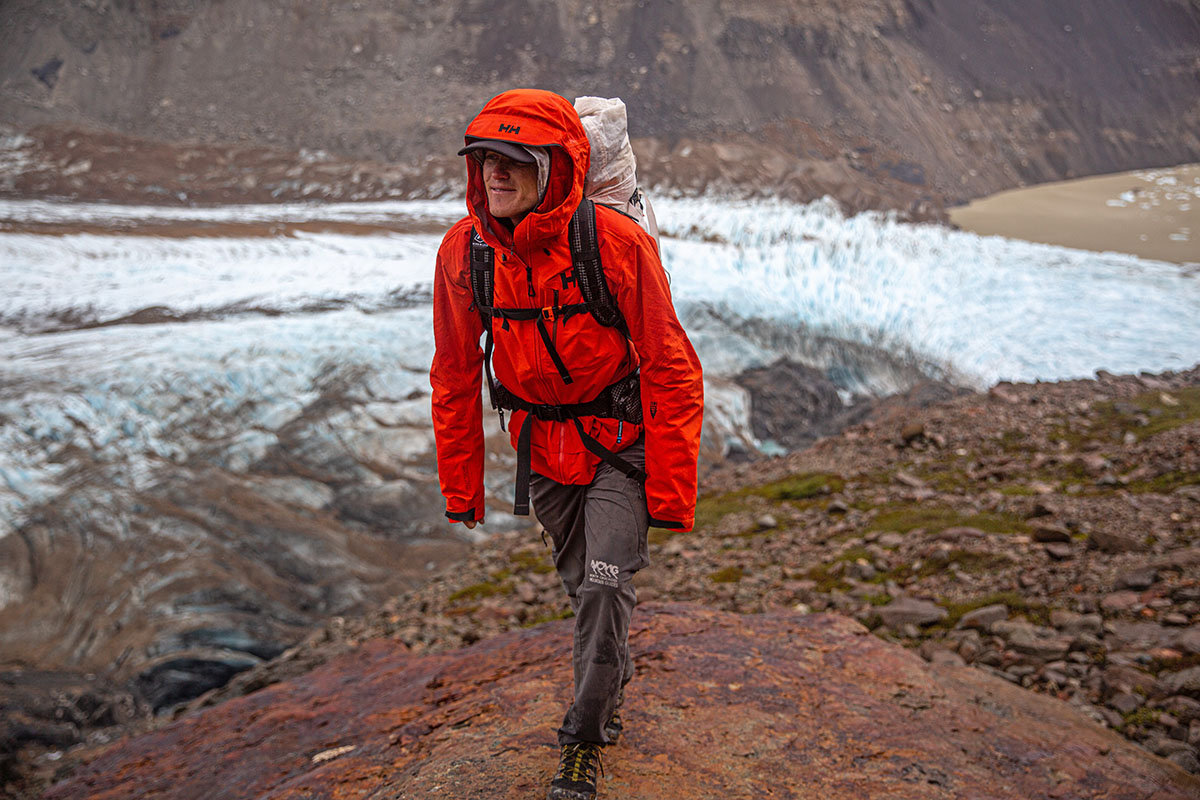
The technical outdoor clothing market features numerous brands, each with distinct strengths, specializations, and philosophies. Understanding these differences helps you choose gear that aligns with your priorities, whether that's maximum performance, environmental sustainability, value for money, or specific activity focus.
| Brand | Specialty | Price Range | Best For |
|---|---|---|---|
| Arc'teryx | Premium alpine gear | $$$$ | Technical mountaineering, extreme conditions |
| Patagonia | Sustainable innovation | $$$ | Eco-conscious adventurers, all-around use |
| Outdoor Research | Technical functionality | $$-$$$ | Value-conscious performance seekers |
| The North Face | All-around reliability | $$-$$$ | General outdoor activities, broad availability |
| Mountain Hardwear | Alpine-focused design | $$$ | Serious mountaineers, technical climbing |
Arc'teryx: Premium Performance Engineering
Arc'teryx represents the pinnacle of technical outdoor clothing engineering, with products designed for the most demanding alpine environments. Their attention to detail, innovative materials, and precise construction justify premium pricing for serious mountaineers. The Beta AR jacket exemplifies their approach—fully featured hardshells built for prolonged exposure to severe weather. However, their premium positioning means many products exceed the needs of casual hikers.
Patagonia: Sustainable Innovation Leadership
Patagonia combines high-performance outdoor clothing for women and men with industry-leading environmental initiatives. Their commitment to recycled materials, Fair Trade manufacturing, and activism resonates with environmentally conscious consumers. Products like the Torrentshell jacket offer excellent weather protection at reasonable prices, while their R-series fleeces provide reliable insulation across diverse conditions.
Outdoor Research: Technical Value Champions
Outdoor Research excels at delivering technical performance without premium pricing. Their products often match or exceed more expensive competitors while maintaining accessibility for budget-conscious adventurers. The Ferrosi jacket showcases their approach—lightweight, breathable softshells that perform admirably in varied conditions. OR's focus on practical features over marketing hype makes them favorites among guides and serious outdoor professionals.
Brand Selection Strategy: Choose Arc'teryx for no-compromise performance in extreme conditions, Patagonia for sustainable all-around gear, Outdoor Research for technical value, The North Face for reliable mainstream options, and Mountain Hardwear for alpine-specific features.
Emerging and Specialized Brands
The technical outdoor clothing landscape continues evolving with innovative smaller brands. Companies like Rab (British alpine expertise), Norrøna (Scandinavian design), and Black Diamond (climbing-focused) offer specialized solutions for specific activities. Understanding these niche players helps you find gear perfectly matched to your pursuits, often at better value than mainstream alternatives. When exploring best outdoor clothing options, consider these specialized brands alongside mainstream choices.
Choosing the Right Technical Fabrics and Materials
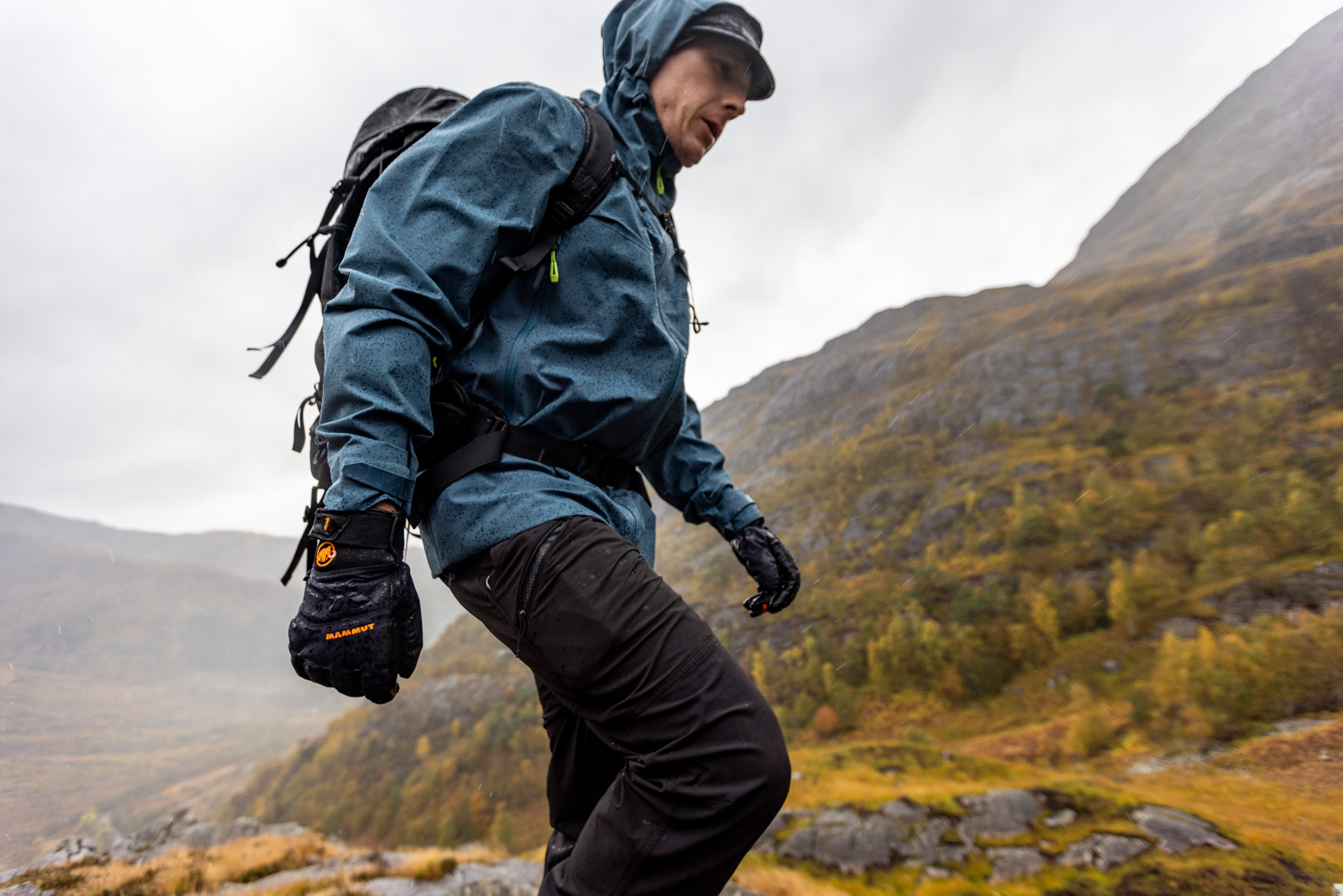
Understanding technical fabrics empowers you to make informed gear decisions rather than relying solely on brand marketing. Modern technical outdoor clothing incorporates sophisticated material science that balances multiple performance requirements: moisture management, thermal regulation, weather protection, durability, and weight considerations.
Waterproof-Breathable Membranes
- GORE-TEX: Industry standard with proven durability and performance across varied conditions
- eVent: Superior breathability through direct venting technology
- Proprietary Membranes: Brand-specific solutions like Arc'teryx GORE-TEX Pro or Patagonia H2No
Insulation Technologies
- Down Fill: Unmatched warmth-to-weight ratio, excellent packability
- Synthetic Fill: Maintains warmth when wet, faster drying, hypoallergenic
- Active Insulation: Combines warmth with enhanced breathability for high-output activities
Base Layer Material Science
Base layer fabrics represent the most important material choice in technical outdoor clothing systems. Merino wool offers natural odor resistance, temperature regulation, and comfort across wide temperature ranges, making it ideal for multi-day adventures. However, synthetic fabrics provide superior moisture-wicking speed and durability for high-sweat activities.
Modern synthetic base layers utilize different fiber constructions to optimize performance. Hollow fibers trap more air for insulation, while hydrophobic treatments enhance moisture transfer. Polyester blends with elastane provide stretch for enhanced mobility, crucial for technical climbing or skiing applications.
Technical Fabric Performance Ratings
Waterproof Rating
- 5,000mm: Light rain
- 10,000mm: Moderate conditions
- 20,000mm+: Severe weather
Breathability Rating
- 5,000g/m²/24hr: Basic
- 15,000g/m²/24hr: Good
- 25,000g/m²/24hr: Excellent
Down Fill Power
- 500-600: Budget insulation
- 700-800: High performance
- 850+: Ultra premium
Durability and Care Considerations
Technical fabric performance depends heavily on proper care and maintenance. DWR (Durable Water Repellent) coatings require regular reactivation through heat or reapplication to maintain water-shedding properties. Membrane integrity can be compromised by oils, dirt, and improper washing techniques. Understanding care requirements ensures your investment in outdoor gear clothing maintains peak performance throughout its lifespan.
My Personal Experience with Technical Outdoor Clothing
15 Years of Field Testing Experience
As someone who has tested technical outdoor clothing across environments from Alaska's Denali to the humid Pacific Northwest, I've learned that theoretical specifications only tell part of the story. Real-world performance depends on how well gear integrates into complete systems and adapts to changing conditions.
My introduction to technical outdoor clothing came during a disastrous backpacking trip in Washington's Cascades fifteen years ago. Armed with cotton clothing and a cheap rain jacket, I learned firsthand why the saying "cotton kills" exists. That experience sparked a decade-plus journey testing and refining my understanding of technical gear across diverse conditions.
Lessons from the Alpine
During a week-long climbing expedition in the Canadian Rockies, I discovered how layering systems adapt to rapidly changing mountain conditions. Starting pre-dawn approaches in sub-freezing temperatures, my merino wool base layers provided crucial warmth without bulk. As sun hit the ice and temperatures rose, I could easily shed my insulation layer while maintaining weather protection through my Outdoor Research Ferrosi softshell.
The real test came during an unexpected storm that dropped six inches of snow in four hours. My Arc'teryx Beta AR hardshell—initially seeming like overkill—proved invaluable as wind-driven precipitation tested every seam and closure. The investment in premium waterproof-breathable technology paid dividends during twelve hours of continuous exposure to severe conditions.
What Works
- Merino base layers for multi-day comfort
- High-quality hardshells for storm protection
- Synthetic insulation in wet climates
- Articulated construction for mobility
Common Mistakes
- Over-layering in mild conditions
- Ignoring breathability ratings
- Cotton blend base layers
- Ill-fitting hardshells restricting movement
Pacific Northwest Reality Check
Living in the Pacific Northwest provides constant opportunities to test technical outdoor clothing in challenging conditions. The region's notorious combination of rain, temperature swings, and high humidity creates demanding environments for gear evaluation. I've learned that breathability often matters more than maximum waterproofing for local conditions.
My go-to setup for wet-weather hiking includes a lightweight merino base layer, minimal mid-layer (often just a light fleece vest), and a highly breathable softshell or 2.5-layer hardshell. This system keeps me comfortable during high-output activities while providing adequate weather protection for typical PNW conditions. For more serious weather, I upgrade to a full-featured 3-layer hardshell like the Patagonia Torrentshell or similar winter outdoor clothing options.
Community Feedback and Reviews
Amazon Reviewer - Sarah M.: "After three seasons with the Arc'teryx Beta LT, I can confirm it's worth the investment. Used it everywhere from Scottish Highlands to Colorado 14ers. The DWR coating still beads water perfectly, and the pit zips provide excellent ventilation control during steep climbs."
Reddit User - u/TrailRunner42: "Patagonia R1 Daily Fleece has become my most-used piece. Perfect breathability for trail running in cool weather, and the merino blend controls odor better than pure synthetic. Holds up well to frequent washing and heavy use."
Quora Contributor - MountainGuide_Jake: "Outdoor Research Ferrosi Softshell strikes the perfect balance for active mountaineering. Stretchy fabric moves with your body during technical climbing, while weather resistance handles everything short of torrential rain. Great value compared to premium alternatives."
Expert Buying Guide and Product Recommendations
Choosing the right technical outdoor clothing requires balancing performance requirements, budget constraints, and intended use patterns. This comprehensive buying guide provides specific product recommendations based on extensive field testing and community feedback, helping you build an effective technical clothing system.
Premium Merino Base Layer Set
High-quality merino wool thermal underwear offering excellent temperature regulation and natural odor resistance for multi-day adventures.
Lightweight Softshell Jacket
Fleece-lined water-resistant jacket perfect for active pursuits requiring mobility and breathability without full weather protection.
Packable Down Jacket
Lightweight packable insulation layer providing excellent warmth-to-weight ratio for cool weather and emergency backup warmth.
Waterproof Rain Jacket
Fully waterproof breathable jacket with hood for maximum weather protection during extended exposure to harsh conditions.
Military Tactical Jacket
Durable softshell jacket with military-inspired design, featuring reinforced areas and multiple pockets for gear organization.
Budget vs Premium: Making Smart Investments
When to Buy Premium
- Frequent use in harsh conditions
- Multi-season, multi-activity gear
- Professional or guide applications
- Long-term cost consideration
When Budget Options Work
- Occasional recreational use
- Backup or emergency items
- Growing into the activity
- Specific single-use applications
Building Your Technical Clothing System
Start with foundational pieces rather than attempting to build a complete system immediately. Prioritize a quality base layer and outer shell—these two pieces provide the most significant performance impact. Add mid-layers and specialized pieces as your experience and specific needs develop.
Consider your local climate and primary activities when making initial investments. Hiking clothing requirements differ significantly between desert, alpine, and coastal environments. Build your system around your most frequent use cases, then expand for occasional special conditions.
Ready to Upgrade Your Outdoor Experience?
Transform your outdoor adventures with proper technical clothing that keeps you comfortable, safe, and performing at your best.
Shop Outdoor Clothing SaleFrequently Asked Questions
What makes clothing 'technical' for outdoor use?
Technical outdoor clothing incorporates advanced materials and construction techniques designed for specific performance characteristics. Unlike regular clothing, technical garments feature moisture-wicking fabrics, waterproof-breathable membranes, strategic ventilation, reinforced high-wear areas, and specialized cuts for enhanced mobility. These garments are engineered to regulate body temperature, protect from harsh weather conditions, and maintain comfort during high-intensity outdoor activities while being lightweight and packable.
How do I choose the right technical outdoor clothing for my activities?
Choosing technical outdoor clothing depends on your activity level, climate conditions, and duration of outdoor exposure. For hiking and backpacking, prioritize moisture-wicking base layers, insulating mid-layers, and waterproof outer shells. Consider the three-layer system: base layer for moisture management, mid-layer for insulation, and outer layer for weather protection. Factor in breathability ratings, weight, packability, and durability. Always match the technical specifications to your specific outdoor pursuits and environmental conditions.
What's the difference between waterproof and water-resistant technical clothing?
Waterproof technical clothing provides complete protection against water penetration, typically rated above 10,000mm hydrostatic head, using membranes like GORE-TEX or eVent. Water-resistant garments offer protection against light rain and moisture but will eventually allow water through under sustained exposure or pressure. Waterproof clothing is essential for prolonged exposure to heavy rain, while water-resistant options work well for light drizzle or snow. Consider breathability ratings alongside waterproof ratings for optimal comfort during high-exertion activities.
Which brands make the best technical outdoor clothing?
Top technical outdoor clothing brands include Arc'teryx for premium performance and durability, Patagonia for sustainable innovation and versatility, Outdoor Research for technical functionality, The North Face for all-around reliability, and Mountain Hardwear for alpine-focused designs. Other notable brands include Mammut, Rab, Norrøna, and Black Diamond. Each brand has specific strengths: Arc'teryx excels in technical alpine gear, Patagonia leads in environmental responsibility, while Outdoor Research offers excellent value-to-performance ratios. Choose based on your specific needs, budget, and environmental values.
How much should I invest in technical outdoor clothing?
Investment in technical outdoor clothing depends on usage frequency and conditions. For occasional hikers, quality mid-range options ($50-150 per piece) from brands like Columbia or REI Co-op provide excellent value. Serious outdoor enthusiasts should invest in premium gear ($200-500+ per piece) from Arc'teryx, Patagonia, or Outdoor Research for superior durability and performance. Prioritize spending on outer shells and base layers first, as these have the greatest impact on comfort and safety. Quality technical clothing is a long-term investment that pays dividends in comfort, performance, and durability over years of use.
Conclusion
Investing in quality technical outdoor clothing transforms your outdoor experience from enduring the elements to embracing them confidently. The right gear systems enable you to pursue more ambitious adventures, stay comfortable in challenging conditions, and focus on the experience rather than struggling with inadequate clothing.
Remember that building an effective technical clothing system takes time and experience. Start with foundational pieces—a quality base layer and outer shell—then expand your collection as you develop expertise and encounter diverse conditions. Pay attention to how different pieces work together, and don't hesitate to adjust your system based on real-world performance.
Final Advice: The best technical outdoor clothing is the gear you actually use. Choose pieces that match your activities, climate, and budget rather than chasing the latest technology or premium brands that exceed your needs.
Technical fabrics and construction methods continue evolving, offering improved performance, sustainability, and value. Stay informed about new developments, but remember that proven designs and materials often outperform the latest innovations in real-world applications.
Whether you're exploring local trails, tackling multi-day backpacking adventures, or pursuing technical alpine objectives, proper technical outdoor clothing serves as your first line of defense against the elements. Invest wisely, care for your gear properly, and enjoy the enhanced outdoor experiences that quality technical clothing enables. For more outdoor gear insights and recommendations, explore our comprehensive guides at outdoor clothing catalogs and REI outdoor clothing sections.