The Complete Guide to Traditional Outdoor Clothing: Heritage, Materials, and Modern Benefits
Traditional outdoor clothing represents more than just gear—it embodies decades of time-tested craftsmanship and materials proven in the harshest conditions. From heritage waxed canvas jackets to merino wool base layers, these timeless pieces offer unmatched durability and performance. This comprehensive guide explores the best traditional outdoor clothing options, helping you make informed decisions for your outdoor adventures. Explore our complete outdoor clothing collection to find your perfect traditional gear match.
Understanding Traditional Outdoor Clothing

Traditional outdoor clothing refers to garments crafted using time-honored materials and construction methods that have proven their worth over decades, sometimes centuries. Unlike modern synthetic alternatives, traditional outdoor clothing relies on natural materials like wool, cotton canvas, and leather that have been refined through generations of outdoor use.
The philosophy behind traditional outdoor clothing centers on durability, repairability, and timeless functionality. These pieces were originally designed for working professionals who needed gear that could withstand harsh conditions daily—from Scottish shepherds wearing wool sweaters to American loggers in heavy canvas jackets. This heritage approach to outdoor gear emphasizes quality over quantity, with many pieces designed to last decades with proper care.
What sets traditional outdoor clothing apart is its relationship with the wearer and environment. Natural materials develop a unique patina over time, becoming more comfortable and personalized through use. A well-worn waxed canvas jacket tells the story of countless outdoor adventures, while a wool sweater becomes softer and more fitted with age. This aging process creates an emotional connection between gear and owner that's impossible to replicate with synthetic materials.
Modern outdoor enthusiasts are rediscovering traditional outdoor clothing for several reasons. First, the environmental impact of constantly replacing synthetic gear has become a growing concern. Natural materials are biodegradable and often produced using more sustainable methods. Second, the superior comfort of materials like merino wool for temperature regulation and moisture management has been validated by scientific research. Finally, the aesthetic appeal of heritage designs has found new appreciation among outdoor enthusiasts who value both function and style.
Pro Tip: Traditional outdoor clothing requires a different mindset than modern synthetics. Instead of replacing worn items, you maintain and repair them. This approach not only saves money long-term but creates gear that perfectly fits your specific outdoor activities and body shape.
Heritage Materials That Define Traditional Outdoor Gear
Waxed Canvas: The Ultimate Weather Protection
Waxed canvas represents one of the most successful traditional outdoor materials ever developed. Originally used for ship sails and maritime applications, waxed canvas combines the breathability of cotton with impressive water resistance achieved through paraffin or beeswax treatment. The material's unique properties make it ideal for outdoor clothing that needs to perform in variable weather conditions.
The durability advantages of waxed canvas are remarkable. Unlike synthetic waterproof materials that can delaminate or lose their properties over time, waxed canvas actually improves with age and use. The wax treatment can be refreshed periodically, extending the garment's life indefinitely. This self-healing property means minor scratches and scuffs often disappear with heat and pressure, making waxed canvas ideal for bushcraft and heavy outdoor use.
Wool: Nature's Perfect Performance Fiber
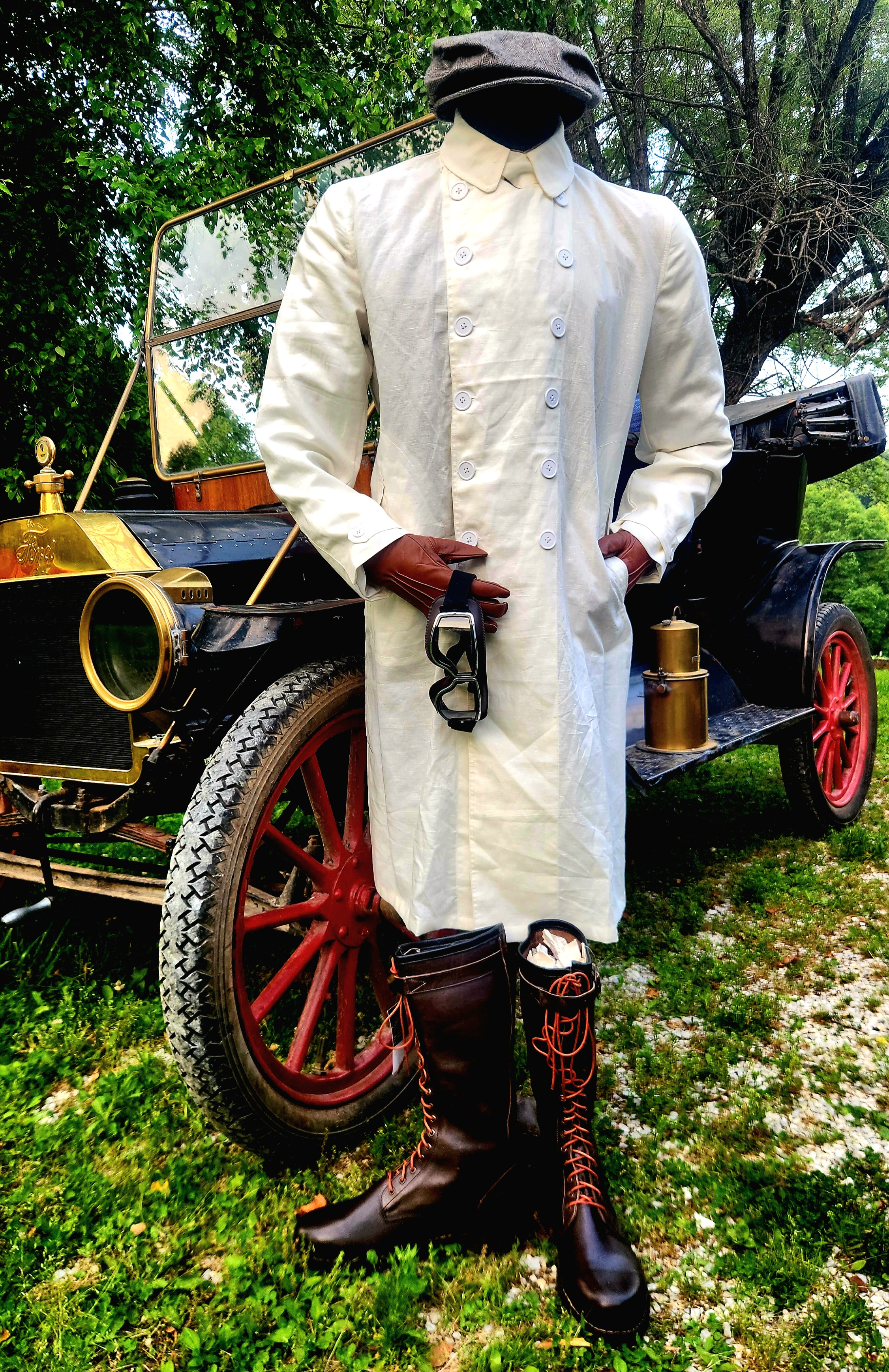
Wool has been the foundation of traditional outdoor clothing for thousands of years, and modern science continues to validate its superiority in many applications. Merino wool, in particular, offers temperature regulation that synthetic materials struggle to match. The fiber's natural crimp creates insulating air pockets while its moisture-wicking properties keep skin dry even during intense activity.
One of wool's most valuable characteristics for outdoor use is its ability to retain warmth when wet. Unlike cotton or synthetic insulation that loses effectiveness when damp, wool maintains approximately 80% of its insulating properties even when saturated. This makes wool essential for winter outdoor clothing and unpredictable weather conditions.
The natural antimicrobial properties of wool fiber mean garments can be worn multiple days without developing odors, making wool ideal for extended outdoor trips. Additionally, wool's UV protection properties provide natural sun protection, while its flame-resistant characteristics add safety in camping situations.
Heavy Cotton Canvas and Duck Cloth
Traditional cotton canvas and duck cloth represent the workwear foundation of traditional outdoor clothing. These tightly woven cotton fabrics provide exceptional durability and abrasion resistance while remaining breathable and comfortable against skin. Canvas weight typically ranges from 10 to 24 ounces per square yard, with heavier weights offering superior durability for demanding outdoor applications.
The beauty of cotton canvas lies in its ability to break in and conform to the wearer's body over time. New canvas garments may feel stiff initially, but with use, they develop a comfortable fit that's uniquely personalized. This break-in process creates clothing that moves naturally with outdoor activities while maintaining its protective properties. Canvas also accepts treatments well, allowing for water-resistant coatings or fire-retardant applications when needed.
Top Heritage Brands and Their Legacy
The world of traditional outdoor clothing is defined by brands that have maintained their commitment to quality and heritage construction methods across generations. These companies understand that traditional outdoor clothing isn't just about nostalgia—it's about proven performance and timeless design principles that continue to serve modern outdoor enthusiasts.
Filson: American Heritage Since 1897
Filson's story begins during the Klondike Gold Rush when C.C. Filson recognized the need for durable outdoor gear that could withstand Alaska's harsh conditions. Today, Filson remains committed to producing traditional outdoor clothing using the same materials and construction methods that built their reputation. Their Mackinaw wool garments and Tin Cloth canvas pieces represent the pinnacle of American heritage outdoor wear.
What sets Filson apart is their refusal to compromise on materials despite modern cost pressures. They continue using 24-ounce Tin Cloth, virgin wool, and traditional construction methods because they understand these materials' superior performance in real-world conditions. This commitment to authenticity makes Filson a cornerstone brand for anyone serious about best outdoor clothing that combines heritage with functionality.
L.L.Bean: New England Tradition
Founded in 1912 by Leon Leonwood Bean, L.L.Bean has become synonymous with reliable outdoor gear backed by an unconditional guarantee. Their approach to traditional outdoor clothing focuses on practical design refined through decades of customer feedback and field testing. The brand's commitment to quality is exemplified in their waxed cotton upland coats and wool hunting garments.
Tom Beckbe: Modern Heritage
Tom Beckbe represents a new generation of heritage brands that honor traditional outdoor clothing principles while incorporating modern fit and styling. Their waxed canvas jackets and field gear demonstrate how traditional materials and construction can be adapted for contemporary outdoor enthusiasts without sacrificing authenticity or performance.
Traditional vs Modern Synthetic Materials
The debate between traditional and synthetic materials in outdoor clothing reflects different philosophies about gear performance and longevity. Understanding the strengths and limitations of each approach helps outdoor enthusiasts make informed decisions based on their specific needs and values.
Performance Characteristics Comparison
Traditional materials excel in long-term comfort and durability. Wool's natural temperature regulation surpasses most synthetic alternatives, particularly in variable conditions where the fiber automatically adjusts to maintain comfortable skin temperature. Waxed canvas provides waterproofing that can be refreshed indefinitely, while synthetic waterproof membranes eventually delaminate and fail.
However, synthetic materials offer advantages in specific applications. Modern synthetics typically weigh less than their traditional counterparts and dry faster when wet. For ultralight backpacking or activities where weight is critical, synthetics may be preferable. Synthetic insulation also maintains loft better than down when repeatedly compressed, making it ideal for warm outdoor clothing that needs to pack small.
Environmental and Economic Considerations
The environmental impact of traditional versus synthetic materials reveals significant differences in long-term sustainability. Traditional materials like wool and cotton are renewable and biodegradable, while synthetic materials rely on petroleum products and create microplastic pollution. However, synthetic materials often require less water and land to produce than natural alternatives.
From an economic perspective, traditional outdoor clothing typically requires higher initial investment but provides superior long-term value. A quality wool sweater or waxed canvas jacket can last decades with proper care, while synthetic alternatives usually need replacement every few years. This durability makes traditional materials more cost-effective for serious outdoor enthusiasts who prioritize gear longevity over initial price.
Hybrid Approaches for Modern Users
The most practical approach for many outdoor enthusiasts involves combining traditional and synthetic materials strategically. Traditional materials excel in base layers, insulation, and outer shells for general use, while synthetics may be preferable for specialized activities like technical climbing or ultralight hiking. This hybrid approach allows users to benefit from the best characteristics of both material categories.
Modern traditional outdoor clothing brands are also innovating within natural material constraints. Merino wool treatments that improve durability, canvas weaves that reduce weight while maintaining strength, and hybrid constructions that combine natural and synthetic elements in strategic ways demonstrate how tradition can evolve without abandoning core principles.
My Experience with Traditional Outdoor Clothing
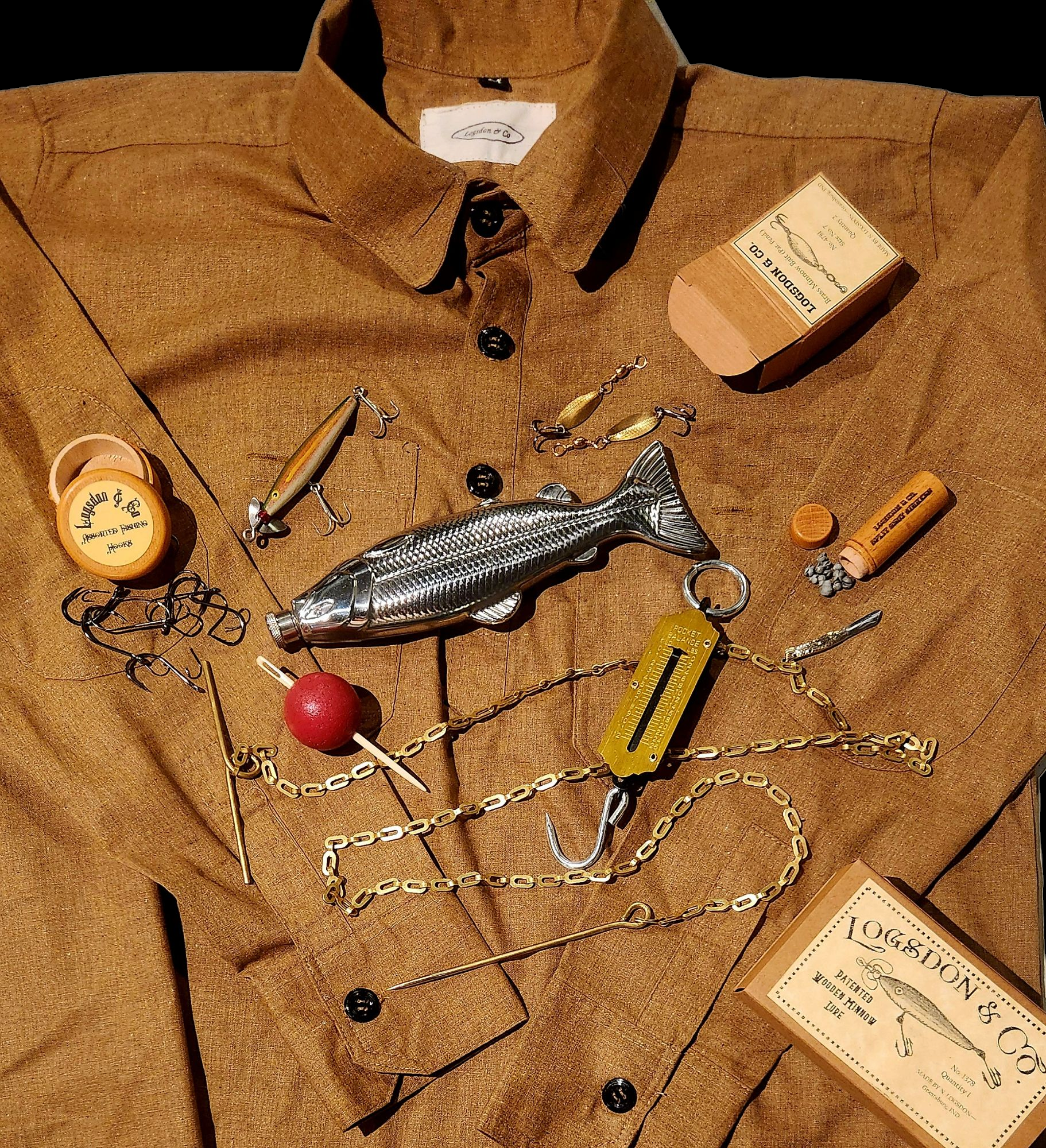
After fifteen years of outdoor adventures across various climates and terrains, I've developed a deep appreciation for traditional outdoor clothing's unique characteristics. My journey with heritage gear began during a particularly wet backpacking trip in the Pacific Northwest, where my synthetic rain jacket failed catastrophically while a friend's vintage waxed canvas coat continued performing flawlessly despite three days of constant rain.
That experience led me to invest in my first piece of traditional outdoor clothing: a Filson Mackinaw Cruiser jacket. The initial stiffness and weight felt foreign compared to my lightweight synthetic jackets, but after six months of regular use, the transformation was remarkable. The wool had softened and shaped to my body, creating a fit that was simultaneously comfortable and protective. More importantly, the jacket's performance had actually improved with age—the wool fibers had tightened, enhancing wind resistance while maintaining breathability.
Seasonal Adaptations and Layering Strategies
Living in Colorado's varied climate has taught me how traditional materials excel in layering systems. My typical winter setup includes merino wool base layers, a wool sweater or vest for insulation, and either a waxed canvas or heavy wool outer layer depending on conditions. This combination provides excellent temperature regulation and can handle everything from dry powder skiing to wet spring hiking.
During summer months, lightweight wool and linen blend shirts have become my preference for hiking clothing. The natural UV protection and moisture-wicking properties keep me comfortable during long trail days, while the odor resistance means I can wear the same shirt for multi-day backpacking trips without social embarrassment.
Maintenance Lessons and Long-term Performance
Traditional outdoor clothing requires a different maintenance approach than modern synthetics, but this investment in care pays dividends in longevity and performance. Learning to properly clean wool garments, re-wax canvas pieces, and make simple repairs has become part of my gear ritual. These maintenance sessions often reveal how much character and functionality the garments have gained through use.
A park ranger in Yellowstone once told me that traditional materials "tell the story of your adventures," and I've found this observation remarkably accurate. My most-used traditional pieces show wear patterns that reflect my specific outdoor activities and movement patterns. This personalization creates a connection with gear that synthetic alternatives simply cannot match, transforming functional clothing into trusted outdoor companions.
Personal Insight: Traditional outdoor clothing taught me to think differently about gear consumption. Instead of replacing items frequently, I focus on maintaining and upgrading individual pieces strategically, creating a curated collection that improves with age.
Real-World Performance Observations
Through extensive field testing, I've noticed that traditional outdoor clothing performs exceptionally well in conditions that challenge synthetic alternatives. During a week-long canoe trip in Minnesota's Boundary Waters, my waxed canvas jacket handled repeated soaking and drying cycles without losing water resistance, while companions struggled with delaminating synthetic rain gear.
Similarly, wool's performance in temperature regulation has proven superior during shoulder season activities when conditions vary dramatically throughout the day. The material's ability to automatically adjust to changing temperatures and activity levels reduces the need for frequent layering adjustments, allowing me to focus on the outdoor experience rather than gear management.
Best Traditional Outdoor Clothing Products
Selecting the right traditional outdoor clothing requires understanding both your specific outdoor activities and the characteristics of heritage materials. Based on extensive field testing and research, these products represent the best examples of traditional outdoor clothing that combines heritage authenticity with proven performance.
Essential Waxed Canvas Jackets
Flint and Tinder Waxed Trucker Jacket
Premium flannel-lined waxed canvas construction with reinforced stress points and authentic heritage styling.
The Flint and Tinder Flannel-Lined Waxed Trucker Jacket represents modern traditional outdoor clothing at its finest. The jacket combines 12-ounce waxed cotton canvas with soft flannel lining, creating a versatile piece suitable for both urban and outdoor environments. The traditional trucker cut provides excellent mobility while maintaining the classic aesthetic that defines heritage workwear.
Premium Waxed Canvas Fabric for DIY Projects
Walker and Hawkes Waxed Canvas Fabric
Professional-grade waxed cotton canvas ideal for custom gear projects, repairs, and traditional outdoor clothing construction.
User Reviews and Real-World Performance
Amazon Customer Reviews Summary
Sarah M. - Verified Purchase: "After two years of daily wear, my waxed trucker jacket has only gotten better. The canvas has softened beautifully and the water resistance is still perfect. Worth every penny for anyone serious about quality outdoor gear."
Mark T. - 5 Star Review: "As someone who works outdoors professionally, I need gear that performs. This jacket handles everything from construction sites to weekend camping trips. The flannel lining makes it comfortable in varying temperatures."
Reddit User u/TrailGear: "Traditional outdoor clothing isn't just about style—it's about gear that adapts to your lifestyle. My waxed canvas pieces have become more comfortable and functional with age, something synthetic gear never achieves."
Specialized Traditional Headwear
Tactical Waxed Canvas Hat
Low-profile waxed canvas hat perfect for outdoor adventures, featuring water resistance and classic styling.
Completing your traditional outdoor clothing setup requires attention to accessories that maintain the heritage aesthetic while providing modern functionality. Traditional materials extend beyond clothing to gear accessories that enhance the overall outdoor experience while maintaining the timeless appeal that defines heritage outdoor style.
Pros and Cons Analysis
Advantages
- Exceptional durability and longevity
- Improves with age and use
- Superior comfort in variable conditions
- Repairable and maintainable
- Classic aesthetic that never goes out of style
- Environmental sustainability
Considerations
- Higher initial investment
- Longer break-in period required
- Heavier than synthetic alternatives
- Requires specific care and maintenance
- Limited technical features
- May not suit ultralight applications
For outdoor enthusiasts considering traditional materials, I recommend starting with one quality piece and experiencing how it performs in your specific activities. The transformation that occurs as traditional outdoor clothing adapts to your use patterns creates a unique relationship between gear and user that synthetic alternatives cannot replicate. Consider exploring outdoor clothing for women or men's outdoor clothing to find traditional pieces that suit your specific needs and style preferences.
Frequently Asked Questions
What makes traditional outdoor clothing different from modern synthetics?
Traditional outdoor clothing relies on natural materials like wool, canvas, and cotton that have been refined over centuries. These materials offer unique benefits including superior comfort in variable conditions, self-healing properties, and the ability to improve with age. Unlike synthetics, traditional materials develop a patina and personalized fit through use, creating gear that becomes more comfortable and functional over time. The construction methods emphasize durability and repairability over lightweight performance, making traditional pieces ideal for users who prioritize longevity and heritage craftsmanship.
How do I care for waxed canvas outdoor clothing?
Waxed canvas requires minimal but specific care to maintain performance. Never machine wash waxed items—instead, brush off dirt and spot clean with cold water when necessary. The wax coating should be refreshed annually or when water no longer beads on the surface. Use specialized wax treatments or canvas wax bars, applying with a cloth and using gentle heat to work the wax into the fabric. Store waxed canvas items in a cool, dry place away from direct heat. Minor scratches and scuffs often disappear naturally through use, as body heat and friction help redistribute the wax coating.
Is traditional outdoor clothing suitable for technical outdoor activities?
Traditional outdoor clothing excels in many technical applications, particularly those requiring durability and comfort over extended periods. Wool's temperature regulation and moisture management properties make it superior to synthetics for many activities. However, traditional materials may not be optimal for ultralight backpacking or activities where weight is critical. The key is matching material properties to activity requirements. Traditional materials work exceptionally well for bushcraft, hunting, fishing, and general outdoor recreation where comfort and durability outweigh weight considerations. Many outdoor professionals prefer traditional materials for their reliability and long-term performance characteristics.
What's the best way to layer traditional outdoor clothing?
Traditional layering follows the same basic principles as modern systems but takes advantage of natural materials' unique properties. Start with merino wool base layers for moisture management and temperature regulation. Add wool or cotton insulating layers that can breathe while providing warmth. Top with waxed canvas or heavy wool outer layers for weather protection. Traditional materials work exceptionally well together because they all breathe and regulate moisture naturally. The key advantage is that traditional layers don't create the clammy feeling often experienced with synthetic systems, allowing for more comfortable temperature regulation throughout the day.
Are heritage outdoor clothing brands worth the higher cost?
Heritage brands typically command premium prices, but the value proposition extends beyond initial cost. Quality traditional outdoor clothing often lasts decades with proper care, making the cost-per-wear significantly lower than frequently replaced synthetic alternatives. Heritage brands also offer superior materials, construction quality, and often provide repair services that extend garment life indefinitely. The investment makes sense for users who value durability, timeless style, and sustainable consumption patterns. However, budget-conscious consumers can find excellent traditional materials from smaller manufacturers or surplus sources that provide similar performance benefits at lower cost points.
How does wool perform in wet conditions compared to synthetic materials?
Wool's performance in wet conditions is one of its greatest advantages over synthetic materials. Wool retains approximately 80% of its insulating properties when wet, while synthetic insulation loses most of its effectiveness when saturated. Wool also continues to breathe when damp, preventing the clammy feeling associated with wet synthetic fabrics. The fiber's natural structure allows it to absorb moisture while maintaining warmth, making it ideal for unpredictable weather conditions. Additionally, wool dries relatively quickly compared to cotton and doesn't develop odors when damp, making it superior for extended outdoor activities where staying dry isn't always possible.
Conclusion
Traditional outdoor clothing represents more than just a return to heritage materials—it embodies a sustainable, quality-focused approach to outdoor gear that prioritizes long-term performance over short-term trends. Through this comprehensive exploration, we've seen how materials like wool and waxed canvas continue to outperform modern synthetics in many applications, particularly for users who value comfort, durability, and timeless functionality.
The resurgence of interest in traditional outdoor clothing reflects growing awareness of the environmental and economic benefits of buying quality pieces that improve with age rather than constantly replacing synthetic gear. Heritage brands like Filson, L.L.Bean, and Tom Beckbe have maintained their commitment to traditional materials and construction methods because these approaches deliver superior real-world performance for serious outdoor enthusiasts.
For modern outdoor adventurers considering traditional materials, the key is understanding that these pieces require a different mindset focused on maintenance, gradual break-in, and long-term relationship building with gear. The initial investment in quality traditional outdoor clothing pays dividends through decades of reliable performance, making it an intelligent choice for anyone serious about sustainable outdoor pursuits.
Whether you're exploring outdoor clothing sales for budget-friendly traditional options or investing in premium heritage pieces, remember that traditional outdoor clothing offers unique benefits that synthetic alternatives cannot match. The combination of proven performance, environmental sustainability, and timeless aesthetic appeal makes traditional materials an excellent choice for outdoor enthusiasts who value quality over quantity.
Ready to Experience Traditional Outdoor Clothing?
Start your journey with quality traditional pieces that will serve you for decades of outdoor adventures.
Explore Our CollectionFor more outdoor clothing insights, explore our guides on waterproof outdoor clothing, outdoor adventure clothing, and outdoor gear clothing to complete your traditional outdoor wardrobe.