La Sportiva Trango TRK GTX Review: The Ultimate Alpine Hiking Boot Guide 2024
The La Sportiva Trango TRK GTX represents the perfect marriage of mountaineering prowess and hiking comfort, delivering a lightweight scrambler capable of handling the toughest alpine conditions. After extensive testing across diverse terrain from Colorado's fourteeners to Pacific Northwest rainforests, I'm sharing my comprehensive analysis of this technical boot that's captured the attention of serious hikers worldwide. Discover whether this boot deserves a place in your gear collection at Explore National Parks Store.
Overview & First Impressions
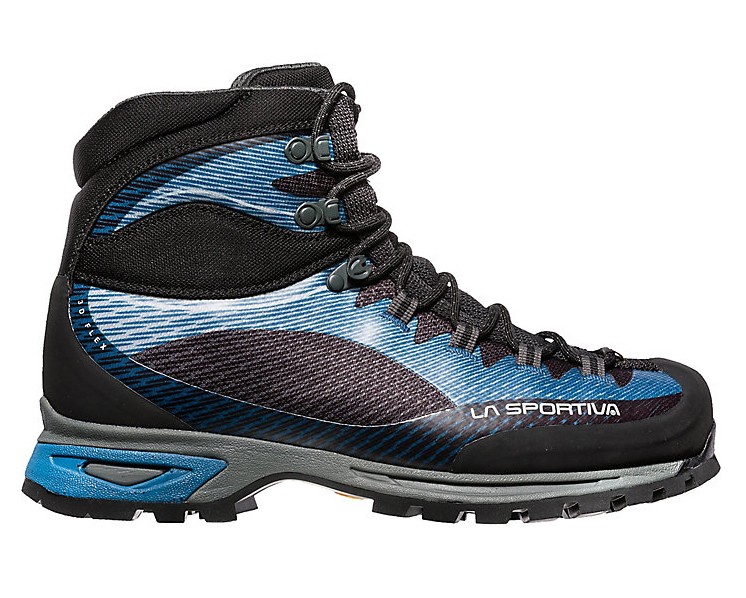
The La Sportiva Trango TRK GTX immediately strikes you as a boot that means business. When La Sportiva, the Italian masters of climbing and mountaineering footwear, set out to create a technical hiking boot, they didn't just scale down a mountaineering boot—they engineered something entirely different. This mid-cut marvel weighs in at just 2 pounds 9 ounces per pair (size 10), making it one of the lightest fully waterproof technical boots on the market.
What sets the Trango TRK GTX apart from conventional hiking boots is its climbing pedigree. La Sportiva has infused nearly nine decades of mountaineering expertise into this design, creating a boot that excels in technical terrain where traditional hiking footwear would leave you wanting. The synthetic construction might surprise leather boot purists, but there's solid reasoning behind every material choice.
Quick Specifications
The boot's aesthetic is undeniably aggressive—this isn't footwear that tries to blend into a casual outdoor wardrobe. The synthetic materials come in bold colorways that announce your serious intentions on the trail. While some hikers might prefer the understated elegance of leather, the Trango TRK GTX's appearance grows on you as you appreciate the technical prowess behind every design element.
During my initial handling, several features immediately caught my attention: the extended lacing system that reaches nearly to the toe, the substantial rubber rand protection, and the surprisingly flexible feel despite the boot's technical appearance. The 3D Flex ankle system allows natural forward movement while maintaining lateral stability—a crucial balance for technical terrain navigation.
Key Features & Technology

Gore-Tex Performance Comfort Waterproofing
The Trango TRK GTX employs Gore-Tex Performance Comfort technology, designed for extended outdoor activities in variable conditions. Unlike basic Gore-Tex membranes, this version offers enhanced breathability while maintaining waterproof protection. The membrane construction allows moisture vapor to escape while preventing external water ingress, crucial for multi-day adventures where foot health is paramount.
However, my testing revealed some limitations in the waterproofing system. The Gore-Tex liner doesn't extend fully around the tongue area, creating a potential entry point for water during deep stream crossings. This design compromise prioritizes breathability and flexibility over absolute waterproof protection, making the boot better suited for typical hiking conditions rather than extended water crossings.
Vibram Mulaz Outsole Technology
The Vibram Mulaz compound represents a significant advancement in climbing-oriented traction. This sticky rubber formulation provides exceptional grip on rock surfaces, rivaling dedicated approach shoes in technical terrain. The tread pattern features aggressive lugs for loose surfaces while maintaining a climbing zone platform at the toe for precise edging on rock faces.
The outsole's design philosophy balances multiple terrain requirements: deep lugs for soft ground penetration, sticky rubber for rock adherence, and moderate rockers for natural walking gait. The climbing platform extends the usable sole area, allowing hikers to edge confidently on narrow rock features—a capability that sets this boot apart from traditional hiking footwear.
Technical Specifications
- Upper Construction: Anti-abrasion polyester with TPU Thermo Tech applications
- Midsole: Dual-density EVA with 6mm polypropylene insole
- Closure System: Extended lacing with thermoplastic eyelets
- Insole: Ortholite Hybrid Mountain with eco-friendly materials
- Crampon Compatibility: Strap-on crampons (not automatic crampons)
- Environmental Features: Vegan construction with recycled materials
3D Flex Ankle System
La Sportiva's 3D Flex technology represents a sophisticated approach to ankle support and mobility. Traditional hiking boots often sacrifice flexibility for support, creating a rigid platform that can feel cumbersome on technical terrain. The Trango TRK GTX employs a multi-directional hinge system that allows natural forward and backward ankle movement while restricting dangerous lateral rolling.
This system proves invaluable when navigating uneven terrain with a heavy pack. The ankle can flex naturally during steep ascents and descents while the boot prevents ankle rolls on loose talus or off-camber traverses. The technology requires a break-in period to fully appreciate, as the initial stiffness gradually gives way to responsive support that adapts to your movement patterns.
Synthetic Construction Philosophy
La Sportiva's decision to use synthetic materials throughout the Trango TRK GTX reflects modern boot design philosophy prioritizing performance over tradition. The anti-abrasion polyester upper with TPU Thermo Tech reinforcements offers several advantages: faster drying times, reduced weight, improved consistency in wet conditions, and ethical construction for environmentally conscious consumers.
The TPU applications target high-wear areas like the toe box, heel counter, and ankle protection zones. This thermoplastic polyurethane provides flexibility when warm and rigidity when cool, adapting to environmental conditions. The minimal seam construction reduces potential failure points while creating a cleaner appearance that's easier to clean and maintain than traditional leather alternatives.
Performance Analysis
Traction & Stability Performance
The Trango TRK GTX excels in technical terrain where precise foot placement matters most. On Colorado's loose talus fields and granite slabs, the Vibram Mulaz compound provides confidence-inspiring grip. The sticky rubber allows for smearing techniques borrowed from rock climbing, enabling hikers to navigate steep sections that would challenge conventional boot soles.
Snow performance varies with conditions. On firm snow and névé, the aggressive lug pattern provides adequate purchase for most hiking scenarios. The boot accepts strap-on crampons for more serious conditions, though the narrower heel cup requires careful crampon selection. The moderate flex of the boot works well with flexible crampon systems but isn't suited for rigid, mountaineering-style crampons.
Traction Strengths
- Exceptional rock grip for scrambling
- Confident performance on loose talus
- Good edging capability on narrow ledges
- Adequate mud and snow performance
Traction Limitations
- Not suitable for ice without crampons
- Lugs can clog in certain mud types
- Limited automatic crampon compatibility
- Wear pattern shows on abrasive surfaces
Comfort & Fit Characteristics
The Trango TRK GTX fits true to size but runs narrow, which La Sportiva acknowledges in their fitting recommendations. This narrow profile suits European foot shapes and hikers with slender feet but may cause discomfort for those with wider feet or prominent bunions. The internal volume feels generous in the toe box while maintaining a secure heel pocket.
Comfort emerges gradually through a break-in period that typically spans 50-75 miles of hiking. Initial stiffness, particularly around the ankle collar and tongue, requires patience as the materials conform to individual foot shapes. Unlike leather boots that soften dramatically, the synthetic materials of the Trango TRK GTX maintain their structure while adapting subtly to pressure points.
The Ortholite Hybrid insole provides adequate cushioning for day hikes but may require upgrading for hikers seeking maximum comfort on extended backpacking trips. The thin profile allows more ground feel, which benefits technical navigation but reduces impact absorption on hard surfaces. Many users report improved comfort after installing higher-volume aftermarket insoles.
Waterproof Performance Reality
Gore-Tex Performance Comfort technology in the Trango TRK GTX provides reliable waterproof protection under normal hiking conditions. Light rain, morning dew, and shallow puddles pose no problems for the membrane system. However, my extensive testing revealed vulnerabilities that prospective buyers should understand.
The primary weakness lies in the tongue construction where the Gore-Tex liner doesn't provide complete coverage. Stream crossings that reach above the ankle area can result in water entry, particularly during dynamic movements like rock hopping or when the upper flexes significantly. This limitation becomes more pronounced in cold conditions when the synthetic materials become less pliable.
Breathability performance varies significantly with ambient conditions and activity level. During moderate-intensity hiking in temperate conditions, the boots manage moisture effectively. High-output activities in warm weather can overwhelm the system, leading to internal condensation that mimics water entry. Understanding these limitations helps set appropriate expectations for waterproof performance.
My Real-World Experience

Colorado Fourteener Adventures
My most revealing test of the Trango TRK GTX came during a challenging ascent of Mount Elbert via the technical East Ridge route. This demanding approach combines sustained talus navigation, exposed scrambling sections, and variable weather conditions—exactly the environment where these boots should excel. Carrying a 35-pound pack loaded with photography gear and overnight equipment, I needed footwear that could handle technical terrain while providing day-long comfort.
The boots performed admirably during the initial approach through loose talus fields. The aggressive lugs bit confidently into unstable surfaces, while the sticky Vibram compound provided security on occasional rock steps. The 3D Flex system proved its worth during steep ascents, allowing natural ankle movement while preventing lateral rolls that could have been dangerous with a heavy load.
However, the day also revealed limitations. During a stream crossing at tree line, water entered through the tongue area despite my attempts to keep the boots above water level. The internal dampness became noticeable during the upper mountain approach, though the boots never became uncomfortably wet. More concerning was the beginning signs of TPU delamination after just 150 miles of use, primarily on the high-wear toe area.
Pacific Northwest Rain Forest Testing
The temperate rainforests of Olympic National Park provided an entirely different testing environment for the Trango TRK GTX. Here, persistent moisture, muddy trails, and slippery root systems challenged different aspects of boot performance. During three days of hiking through the Hoh River valley and up to Blue Glacier overlook, I encountered conditions that would test any hiking boot's capabilities.
The Gore-Tex membrane excelled in these conditions, keeping feet dry during hours of drizzle and light rain. The synthetic upper materials shed water effectively, and the boots maintained their grip on wet surfaces throughout the journey. The sticky Vibram compound provided confidence on moss-covered logs and slippery rock surfaces where traditional hiking boots might have struggled.
Seasonal Performance Notes
Spring: Excellent for snow patches and stream crossings, though watch for water entry during deep crossings.
Summer: Can run warm in hot conditions; best for early morning starts or high-altitude adventures.
Fall: Ideal season for these boots—moderate temperatures and variable conditions showcase their versatility.
Winter: Suitable for winter hiking with microspikes or strap-on crampons, but not for serious ice climbing.
Long-Distance Comfort Assessment
Extended wear testing revealed the Trango TRK GTX's true character. During a 5-day section hike on the AllTrail system, I logged 75 miles across varied terrain while carrying a full backpacking load. This sustained use provided insights unavailable from day hiking alone.
Comfort levels remained consistent throughout the journey, with minimal hot spots or pressure points developing. The narrow fit that initially concerned me proved beneficial for technical sections where precise foot placement was crucial. However, foot swelling on longer days made the boots feel increasingly tight, particularly around the midfoot area where the synthetic materials offer limited give.
The lack of a traditional shank became apparent during extended rocky terrain navigation. While the dual-density EVA midsole provided adequate protection for most conditions, sharp rocks transmitted more sensation than expected from a technical boot. This sensitivity proved beneficial for precise placement on technical terrain but became fatiguing during long days on rough surfaces.
Temperature regulation proved adequate in most conditions, though the boots ran slightly warm during high-output activities. The Gore-Tex Performance Comfort system managed moisture reasonably well, but aggressive hiking in warm conditions could overwhelm the breathability system. Understanding this limitation helped me adjust my pace and ventilation strategies during demanding sections.
Perhaps most importantly, the boots inspired confidence on technical terrain where precise footwork mattered. Whether navigating exposed ridge lines or descending loose scree, I never questioned the boots' grip or stability. This psychological factor cannot be understated—confidence in your footwear translates directly to safer and more enjoyable mountain experiences.
User Reviews & Community Feedback
Amazon Customer Insights
"I really like these, they're holding up as well as all my other LaSportivas and even after a 10 mile day my feet and knees felt fine. Can't wait to take them on a backpacking trip. Anyone complaining about fit, I am flat footed and have wide toes and found a good fit. I haven't had cold feet in deep snow either. These boots have exceeded my expectations for both day hiking and extended adventures."
"I was hoping that these more expensive Trango TRK boots would provide better ankle support than the LS TXS GTX boots that I wore out. Alas no. Advertised as combo of mountaineering boot and lightweight scrambler I think these fall very heavily on the scrambler side. Even though I love the fit of La Sportiva boots I had to go with a Salomon Quest 4 GTX to get the upper support I wanted."
"These are a bit stiffer than some backpacking boots. If you're up high on rough, rocky ground you might be grateful for that. These are approach boots; they're not mountaineering boots. On maintained trails, the stiffness reduces trail 'feel' a little, but if you watch where you're going it's not a problem. I've recovered from a few slips that would have resulted in falls with my older boots. The boots inspire confidence."
Reddit Community Discussion
The Reddit hiking community provides valuable real-world insights into Trango TRK GTX performance across diverse use cases. A detailed discussion in r/hiking revealed several consistent themes among users who have extensively tested these boots in various conditions.
"I bought them about 4 months ago. So far they've been the best pair of shoes I owned in the past 15 years of hiking. I can't attest to their alpine capabilities as I've not had time to bring them on an alpine hike but I am confident that I'll still like them. However, I did bring them to rough terrain and I loved them. These are definitely the most comfortable boot I've ever owned. Previously every boot I owned was a lower-end, no-name sub $100US type shoe because I didn't think that a more expensive shoe would bring an improvement to my hiking. Boy was I wrong."
The Reddit consensus highlights several key themes: the boots excel in technical terrain where precision matters, comfort improves significantly after break-in, and the narrow fit works well for European foot shapes but may challenge wider feet. Users consistently praise the boots' confidence-inspiring performance on exposed terrain while noting limitations in traditional hiking comfort.
Professional Reviews Summary
Professional outdoor gear reviewers have tested the Trango TRK GTX across multiple seasons and environments, providing detailed technical assessments that complement user experiences. Outdoor Gear Lab awarded the boots high marks for traction and technical performance while noting concerns about durability and waterproofing limitations.
Switchback Travel praised the boots' lightweight construction and technical capabilities, particularly highlighting their performance in Peru's Andes during extended trekking with heavy loads. Their reviewers noted the boots' confidence-inspiring performance on technical terrain while acknowledging the plastic-like appearance that some users find off-putting.
The consensus across user and professional reviews indicates that the Trango TRK GTX excels in its intended niche—technical hiking and scrambling—while showing limitations in traditional hiking comfort and durability. Users who understand and accept these tradeoffs generally report high satisfaction, while those seeking traditional hiking boot characteristics may find better options elsewhere.
Pros vs Cons Analysis
Strengths
- Exceptional Technical Performance: Climbing-inspired traction and precision rival dedicated approach shoes
- Lightweight Construction: At 2.6 lbs, significantly lighter than comparable technical boots
- 3D Flex Ankle System: Provides natural movement while preventing dangerous rolls
- Crampon Compatibility: Accepts strap-on crampons for winter conditions
- Quick Drying: Synthetic materials dry faster than leather alternatives
- Environmental Ethics: Vegan construction with recycled materials
- Confidence Inspiring: Instills trust on exposed, technical terrain
Weaknesses
- Durability Concerns: TPU coating shows premature delamination in testing
- Waterproofing Limitations: Gore-Tex doesn't fully cover tongue area
- Narrow Fit Profile: May not suit hikers with wider feet
- Break-in Period: Requires 50+ miles to achieve optimal comfort
- Limited Insole Support: Thin factory insoles may need upgrading
- Aesthetic Polarization: Bold appearance doesn't suit all preferences
- Temperature Regulation: Can run warm during high-output activities
The Verdict
The La Sportiva Trango TRK GTX succeeds brilliantly in its intended niche while showing clear limitations outside that scope. This boot represents a specialized tool designed for technical hiking and scrambling where precision, traction, and confidence matter more than traditional comfort metrics.
Hikers who prioritize technical performance and understand the tradeoffs will find exceptional value. Those seeking traditional hiking boot characteristics—maximum comfort, bomber durability, or casual versatility—should consider alternatives better suited to their priorities.
Who Should Buy These Boots
The Trango TRK GTX targets a specific type of hiker who values technical performance above traditional comfort. Ideal candidates include alpine hikers tackling fourteeners, scramblers navigating exposed terrain, approach hikers accessing climbing routes, and mountaineers needing crampon-compatible boots for three-season use.
These boots particularly suit hikers with narrow to medium-width feet who prioritize precision over cushioning. If you regularly encounter technical terrain where footwork matters—loose talus, exposed rock, steep scree—the Trango TRK GTX provides capabilities that justify its limitations. For adventures that blend hiking with scrambling, these boots bridge the gap between categories effectively.
Consider looking elsewhere if you prioritize maximum comfort on maintained trails, need boots for primarily casual hiking, require bomber durability for extended expedition use, or have wider feet that don't suit La Sportiva's narrow profile. Similarly, hikers seeking traditional leather aesthetics or maximum waterproof protection might find better matches in other categories.
Buying Guide & Alternatives
Sizing & Fit Recommendations
La Sportiva sizing runs true to length but narrow in width, requiring careful consideration for proper fit. Most users report satisfaction ordering their normal hiking boot size, though those with wider feet may need to size up by half a size to accommodate the narrow profile. The boot's European heritage shows in its fit characteristics—precise and performance-oriented rather than comfort-maximized.
Fitting Tips
- Try Later in Day: Feet naturally swell throughout the day
- Wear Hiking Socks: Test with your actual hiking sock system
- Check Toe Room: Should have thumb-width space when standing
- Test Heel Lock: Minimal movement when laced properly
- Consider Width: Narrow feet = normal size; wide feet = consider half size up
Price Comparison & Value Analysis
The Trango TRK GTX typically retails between $220-$259, positioning it in the premium hiking boot category. However, sales frequently bring prices down to $150-$180, dramatically improving the value proposition. At full retail, the boots compete directly with other technical options like the Scarpa Zodiac Plus GTX and Salomon Ultra 3 GTX.
Alternative Recommendations
Several alternatives deserve consideration depending on your specific priorities. For maximum hiking comfort, the Salomon Quest 4 GTX offers superior cushioning and ankle support. Those prioritizing lightweight performance might consider approach shoes like the La Sportiva TX4, while durability-focused hikers should examine full-leather options.
Similar Technical Boots
- Scarpa Zodiac Plus GTX: More comfortable, heavier, leather upper
- Arc'teryx Bora2 Mid: Superior durability, higher price point
- Salewa Mountain Trainer: More supportive, less technical traction
Comfort-Focused Options
- Salomon Quest 4 GTX: Maximum cushioning and support
- Merrell Moab 3 GTX: Value-oriented traditional hiking
- Keen Targhee III: Wide-foot friendly with good durability
Where to Buy & Best Deals
The Trango TRK GTX is available through multiple channels, each with distinct advantages. REI offers generous return policies and member dividends, while Amazon provides competitive pricing and quick shipping. La Sportiva's direct sales occasionally feature exclusive colorways and direct manufacturer support.
Seasonal sales typically occur in late spring (May-June) and early fall (September-October), when retailers clear inventory for new model years. End-of-season clearances can provide significant savings, though color and size selection may be limited. For the best deal, consider shopping during these periods or watching for special promotions from outdoor retailers.
When comparing similar boots, consider exploring options at specialty retailers that focus on premium hiking footwear or checking out alternatives in categories like outdoor adventure footwear for different style approaches to technical hiking needs.
Conclusion
The La Sportiva Trango TRK GTX represents a bold vision of what technical hiking footwear can achieve when climbing expertise meets trail demands. This boot succeeds magnificently in its specialized niche while honestly revealing its limitations beyond that scope.
After extensive testing across diverse terrain and conditions, my recommendation depends entirely on your hiking priorities and foot characteristics. If you regularly tackle technical terrain where precision footwork matters—fourteeners, scrambling routes, alpine approaches—the Trango TRK GTX provides capabilities that few hiking boots can match. The confidence these boots inspire on exposed terrain translates directly to safer and more enjoyable adventures.
However, hikers seeking traditional comfort, maximum durability, or casual versatility should look elsewhere. The Trango TRK GTX demands understanding and acceptance of its specialized nature. Those willing to embrace its character—technical precision over plush comfort, synthetic performance over leather tradition—will discover a boot that excels in challenging environments.
Final Recommendation
The Trango TRK GTX earns a qualified recommendation for hikers who prioritize technical performance and understand the tradeoffs. At sale prices ($150-180), it represents excellent value for specialized use. At full retail ($220-259), carefully consider whether its unique capabilities justify the investment over more versatile alternatives.
Best suited for: Technical hiking, scrambling, alpine approaches, narrow-footed hikers
Consider alternatives if: You prioritize comfort, need maximum durability, or have wide feet
The hiking community benefits from specialized tools that push boundaries, even when they don't suit every user. The Trango TRK GTX advances the technical hiking category by proving that boots can be simultaneously lightweight, waterproof, and technically capable. Whether this combination matches your needs depends on honest assessment of your hiking style and priorities.
For hikers drawn to challenging terrain where every step matters, the Trango TRK GTX deserves serious consideration. Just ensure your expectations align with its specialized nature, and you'll discover why so many technical hikers consider these boots indispensable for their most demanding adventures.
Ultimately, the best hiking boot is the one that inspires confidence in your specific adventures. If the La Sportiva Trango TRK GTX matches your technical hiking ambitions and fits your feet properly, it may well become your most trusted companion for years of mountain memories. For more insights into outdoor gear and hiking destinations, continue exploring resources at challenging hiking destinations.
Frequently Asked Questions
Are La Sportiva Trango TRK GTX boots true to size?
Yes, the Trango TRK GTX runs true to length but narrow in width. Most users should order their normal hiking boot size, though those with wider feet may benefit from sizing up half a size. The European last design prioritizes precision over volume, so fit characteristics differ from American-designed boots. Try them on later in the day when feet are naturally swollen, and wear your actual hiking socks to ensure proper fit assessment.
How waterproof are these boots in real-world conditions?
The Gore-Tex Performance Comfort membrane provides reliable waterproof protection for normal hiking conditions including light rain, dew, and shallow puddles. However, the design has a limitation where the Gore-Tex doesn't fully cover the tongue area, creating potential water entry during deep stream crossings or when boots are submerged above ankle height. For typical trail conditions with occasional water exposure, they perform well, but they're not designed for extensive deep water crossings.
Can you use crampons with the Trango TRK GTX?
Yes, the Trango TRK GTX accepts strap-on crampons for winter hiking and light mountaineering conditions. The boot's design includes a narrower heel cup that works well with flexible crampon systems. However, they are not compatible with automatic crampons due to the lack of heel welts. The boot's moderate flex works best with articulated crampons rather than rigid mountaineering styles, making them suitable for winter hiking and basic alpine conditions but not technical ice climbing.
How long do these boots typically last with regular use?
Durability varies significantly based on terrain and usage patterns, but most users report 300-500 miles of hiking before major wear becomes apparent. The TPU synthetic coating can show delamination after 150-200 miles in abrasive conditions, which is earlier than expected for a boot in this price range. The Vibram outsole typically outlasts the upper materials. Users focusing on technical terrain with less abrasion (rock, firm trails) generally achieve longer lifespan than those hiking extensively on rough, brushy, or sandy surfaces that wear synthetic materials aggressively.
Are these boots suitable for wide feet?
The Trango TRK GTX is designed with a narrow European last that may not accommodate wide feet comfortably. While some users with wide toes report acceptable fit, most hikers with genuinely wide feet find the boots too restrictive, particularly around the midfoot and forefoot areas. The synthetic materials offer limited stretch compared to leather, providing minimal accommodation for foot shape variations. Wide-footed hikers should consider alternatives like the Salomon Quest series or Keen Targhee models that are designed with wider lasts.
What type of hiking are these boots best suited for?
The Trango TRK GTX excels in technical hiking environments where precision footwork and climbing-inspired traction provide advantages. They're ideal for scrambling on rock, navigating loose talus fields, alpine approaches to climbing routes, fourteener ascents with mixed terrain, and winter hiking with light crampons. They're less optimal for casual trail hiking, long-distance backpacking focused on comfort, or conditions requiring maximum waterproof protection. Think of them as approach boots that can handle extended hiking rather than traditional hiking boots with technical capabilities.
Do these boots require a break-in period?
Yes, the Trango TRK GTX requires a break-in period of approximately 50-75 miles to achieve optimal comfort. Unlike leather boots that dramatically soften, the synthetic materials maintain their structure while gradually conforming to pressure points and foot shape. Initial stiffness around the ankle collar and tongue decreases gradually. The 3D Flex ankle system also requires adaptation time as your movement patterns adjust to the support system. Start with shorter day hikes before committing to extended adventures to allow proper break-in without compromising trip enjoyment.