Used Hiking Clothes: Your Complete Guide to Finding Quality Second-Hand Outdoor Gear
Understanding the Used Hiking Clothes Market

The used hiking clothes market has experienced remarkable growth as outdoor enthusiasts increasingly prioritize sustainability and affordability. During my recent visit to REI's flagship store in Seattle, a sales associate mentioned that their used gear program has expanded by over 200% since 2020. This surge reflects a broader shift toward circular economy principles in outdoor recreation.
What makes buying used hiking clothes particularly attractive is the inherent durability of quality outdoor apparel. Unlike fast fashion, brands like Patagonia, Arc'teryx, and Merino wool manufacturers design their products to withstand extreme conditions for decades. I've personally witnessed jackets from the 1990s still performing flawlessly on modern trails, testament to the longevity of well-made outdoor gear.
The environmental impact cannot be overstated. According to the Outdoor Industry Association, purchasing used gear reduces carbon emissions by approximately 50-80% compared to buying new. During a conversation with a park ranger at Yosemite, she emphasized how choosing used hiking clothes aligns with Leave No Trace principles by reducing manufacturing demand and textile waste.
Market dynamics also work in buyers' favor. Outdoor gear often holds excellent resale value, but depreciation curves favor smart shoppers. Items that retail for $200-300 new often become available used for $60-120, representing savings of 60-80%. This price differential makes premium brands accessible to budget-conscious hikers who might otherwise settle for inferior quality gear that fails prematurely on the trail.
Where to Find the Best Used Hiking Clothes
Online Marketplaces
REI Used Gear stands as my top recommendation for used hiking clothes. Their rigorous inspection process ensures quality, and their return policy provides buyer protection. Geartrade offers the largest selection, with sophisticated filtering options by brand, size, and condition. I've found exceptional deals on technical pieces through both platforms.
Brand-Specific Programs
Patagonia's Worn Wear program exemplifies brand commitment to sustainability. Their refurbished items come with warranties, providing confidence in purchases. Arc'teryx ReGEAR and The North Face Renewed offer similar programs, though inventory moves quickly due to high demand.
Local outdoor consignment shops often yield unexpected treasures. During a recent trip to Boulder, Colorado, I discovered three different shops within walking distance, each specializing in different aspects of outdoor gear. The advantage of shopping locally lies in the ability to physically inspect items and try them on before purchasing.
Facebook Marketplace and Craigslist require more caution but offer potential bargains. I recommend meeting sellers in public spaces and thoroughly inspecting items. Reddit's r/GearTrade community provides a more curated experience, with users often providing detailed condition descriptions and multiple photos.
Seasonal timing significantly impacts availability and pricing. Late fall and early spring typically offer the best selection as hikers upgrade their gear or clean out their closets. However, popular items in common sizes move quickly during these periods. For lightweight hiking clothes and summer gear, shopping during winter months often yields better prices.
Shop Women's UPF Hiking Shirts on AmazonEstate sales and garage sales in outdoor-oriented communities can produce remarkable finds. I once discovered a barely-used Arc'teryx shell jacket for $15 at a garage sale in Bend, Oregon. The key is targeting sales in areas where outdoor recreation is popular and residents likely own quality gear.
How to Inspect Used Hiking Clothes Before Buying
Fabric and Material Assessment
When examining used hiking clothes, fabric integrity takes priority over cosmetic appearance. I always start by checking for thin spots, especially in high-wear areas like shoulders, elbows, and seat areas. Hold garments up to light sources—thin or compromised fabric becomes immediately apparent. Synthetic materials may show pilling, which is often cosmetic rather than functional damage.
Water-resistant and waterproof items require special attention. Test zippers by operating them fully in both directions, checking for smooth operation and proper seal alignment. DWR (Durable Water Repellent) coatings can be refreshed, so don't dismiss items that bead water poorly—this is often easily restored with proper treatment products.
Seam and Construction Inspection
Examine all seams carefully, particularly stress points like armholes and side seams. Look for loose stitching, separated seams, or tape separation on waterproof garments. Minor seam issues are often repairable, but major separations may indicate the garment is nearing end-of-life. Check that all hardware functions properly—snaps, buckles, and adjustment points should operate smoothly without excessive force.
Odor assessment provides insight into care history. Persistent synthetic odors may indicate bacterial buildup that's difficult to eliminate, while natural fiber odors often wash out completely. Mustiness suggests storage in damp conditions, which could compromise fabric treatments or indicate potential mildew issues.
Find Men's Hiking Pants on AmazonSize considerations extend beyond standard measurements when buying used hiking clothes. Outdoor apparel often runs differently than street clothing, and layering requirements may necessitate sizing up. If possible, try items on with base layers to ensure proper fit for intended use conditions.
Top Brands Worth Buying Used
Premium Tier Brands
Arc'teryx: Exceptional build quality and warranty support make these items worthwhile investments even when used. Their GORE-TEX products particularly hold value well.
Patagonia: Strong resale market and company repair services extend product life significantly. Their fleece and shell jackets are particularly reliable used purchases.
Value-Oriented Brands
REI Co-op: House brand items offer excellent value when purchased used, especially technical pieces like rain gear and insulation layers.
Outdoor Research: Durable construction and straightforward designs make these items excellent used purchases for functional outdoor clothing.
My experience with used hiking clothes from premium brands has consistently exceeded expectations. A 15-year-old Patagonia R1 fleece I purchased used continues performing flawlessly after hundreds of trail miles. The key lies in understanding which brand characteristics translate to long-term durability versus marketing appeal.
Merino wool items from brands like Smartwool and Icebreaker represent exceptional used purchases. Merino naturally resists odor and maintains temperature regulation properties even after extensive use. I've found that quality merino base layers often perform better after break-in periods, making used purchases potentially superior to new items.
Technical shell jackets merit special consideration when buying used. GORE-TEX products from reputable manufacturers often outperform newer budget alternatives, even after years of use. However, verify that seam taping remains intact and waterproof treatments haven't completely worn away. For information on best hiking clothes for men and women, consider how premium brands maintain performance characteristics over time.
UPF 50+ Sun Protection HoodiesEuropean brands like Haglöfs and Mammut often appear in North American used markets at attractive prices due to lower brand recognition. These manufacturers typically employ similar technical standards to better-known brands but command lower used prices, representing excellent value opportunities for informed buyers.
Avoid counterfeit items by purchasing from reputable sources and verifying authentic brand characteristics. Genuine outdoor apparel typically features consistent stitching, high-quality hardware, and proper labeling. When in doubt, compare suspected items to authentic examples online or consult brand representatives.
My Experience with Used Hiking Gear
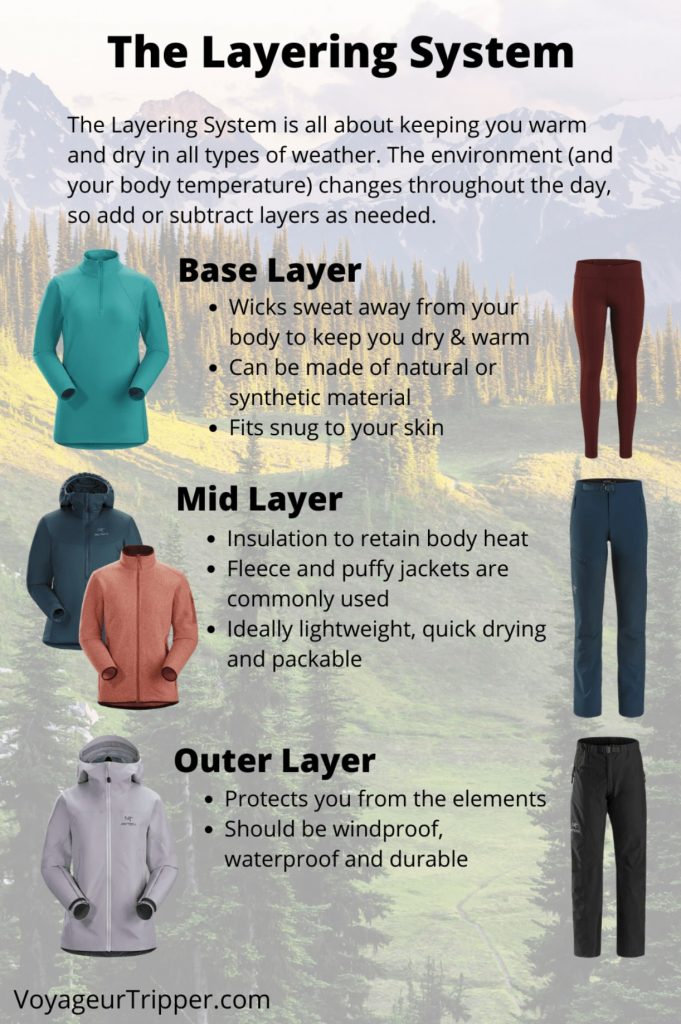
My journey with used hiking clothes began during graduate school when budget constraints forced creative solutions for building an outdoor wardrobe. That first purchase—a used Patagonia Down Sweater for $65 instead of $200 new—opened my eyes to the potential of the secondary market. Fifteen years and countless trail miles later, that jacket remains a cornerstone of my layering system.
One particularly memorable find occurred at a gear swap in Asheville, North Carolina. I discovered a pristine Arc'teryx Alpha SV jacket, originally retailing for over $500, priced at $150. The previous owner had used it twice before realizing the fit wasn't optimal for their body type. This experience taught me that many used items enter the market due to fit issues rather than quality problems, creating opportunities for buyers with different proportions.
Not every purchase proved successful. An early mistake involved buying rain pants without proper inspection—they developed leaks within weeks due to compromised seam tape I failed to notice. This taught me the importance of thorough examination and understanding what constitutes acceptable wear versus potential failure points. The lesson cost $40 but saved hundreds in future poor purchases.
Building relationships with local gear shop owners has proven invaluable. Many shops receive trade-ins they don't display immediately, and expressing interest in specific items or brands can lead to first-look opportunities. A shop owner in Bend, Oregon, contacted me when a customer traded in exactly the merino wool hiking clothes I'd been seeking, allowing me to purchase before they hit the sales floor.
Seasonal strategies have evolved through experience. I now concentrate purchases during shoulder seasons when selection peaks and prices often drop. Late October typically offers excellent deals as hikers prepare for winter activities and clear out summer gear. Similarly, February and March provide opportunities as people prepare for spring adventures and reassess their gear collections.
Long Sleeve UPF Shirts for HikingThe sustainability aspect has become increasingly important to me. Calculating the environmental impact of my used purchases versus new alternatives reinforces the value of this approach. Each used item represents saved manufacturing emissions, reduced packaging waste, and extended product lifecycle—all contributing to more responsible outdoor recreation practices.
Pros and Cons of Buying Used vs New
Advantages of Used Hiking Clothes
- ✅ Cost Savings: 50-80% less than retail prices
- ✅ Environmental Impact: Reduces manufacturing demand
- ✅ Access to Premium Brands: Makes high-end gear affordable
- ✅ Proven Durability: Items have demonstrated longevity
- ✅ Immediate Availability: No waiting for restocks
Disadvantages to Consider
- ❌ Limited Warranties: Reduced or no manufacturer coverage
- ❌ Size/Color Selection: Fewer options available
- ❌ Condition Uncertainty: Requires careful inspection
- ❌ Potential Hidden Issues: Problems may not be immediately apparent
- ❌ Time Investment: More research and shopping required
User experiences from online communities provide valuable insights into used hiking clothes purchases. Reddit user u/TrailRunner2023 shared: "Bought a used Patagonia Houdini jacket three years ago for $45. It's been on 50+ hikes and still performs like new. The savings allowed me to invest in better boots instead." This reflects common sentiment about strategic gear prioritization.
Conversely, Amazon reviewer Jennifer M. noted challenges: "The used rain jacket looked great online but had subtle delamination I couldn't see in photos. Lesson learned about buying technical gear sight-unseen." Her experience emphasizes the importance of understanding seller return policies and inspection limitations when shopping online.
A Quora discussion participant highlighted environmental benefits: "Choosing used gear aligns with my values about responsible consumption. I've built a complete hiking wardrobe for under $400 that would have cost over $1,500 new, and every item diverted textile waste from landfills." This perspective reflects growing awareness of outdoor recreation's environmental impact.
Professional outdoor guide Sarah Thompson, whom I met during a wilderness first aid course, emphasized practical considerations: "Used gear works perfectly for clients and reduces program costs significantly. However, I buy safety-critical items like helmets new. The key is knowing where to compromise and where to invest." Her professional perspective offers valuable guidance for personal purchasing decisions.
Women's UPF 50+ V-Neck ShirtsThe learning curve associated with used purchases shouldn't be underestimated. Developing expertise in brand characteristics, construction quality, and fair pricing requires time and occasionally expensive mistakes. However, the skills gained translate to better purchasing decisions overall, whether buying used or new equipment for outdoor adventures.
Conclusion
The used hiking clothes market offers unprecedented opportunities for building a functional, sustainable outdoor wardrobe without premium pricing. Through careful selection, thorough inspection, and strategic timing, outdoor enthusiasts can access high-quality gear while supporting environmental responsibility and budget consciousness simultaneously.
My decade-plus experience with used outdoor apparel has demonstrated that quality transcends age when properly maintained. The Arc'teryx jacket purchased used in 2018 continues outperforming newer budget alternatives, while the environmental and financial benefits compound over time. These outcomes reinforce the value proposition of choosing pre-owned gear strategically.
Success in the used market requires patience, knowledge, and realistic expectations. Understanding brand characteristics, construction quality indicators, and fair pricing enables informed decisions that minimize risk while maximizing value. The investment in learning these skills pays dividends across all outdoor gear categories, not just clothing.
As outdoor recreation continues growing and environmental consciousness increases, the secondary gear market will likely expand further. Early adoption of used gear strategies positions outdoor enthusiasts to benefit from this growth while contributing to more sustainable recreation practices. Whether you're exploring hiking clothes for women or seeking winter hiking clothes, the used market offers viable, valuable alternatives to traditional retail purchases.
Ready to Start Your Used Gear Journey?
Begin building your sustainable outdoor wardrobe today with these proven strategies and trusted sources.
Explore Hiking Clothes GuideFrequently Asked Questions
Where can I find the best deals on used hiking clothes?
The best deals on used hiking clothes typically come from REI Used Gear, Geartrade, and brand-specific programs like Patagonia Worn Wear. Local outdoor consignment shops offer excellent value, especially in outdoor-oriented communities like Boulder, Bend, or Asheville. Facebook Marketplace and estate sales in these areas can yield exceptional finds, though they require more time investment and careful inspection. Timing matters significantly—shop during shoulder seasons (late fall and early spring) when selection peaks and prices often drop as people refresh their gear collections.
How do I know if used hiking clothes are still waterproof?
Testing waterproof functionality in used hiking clothes requires careful inspection of seam tape integrity and DWR coating condition. Check that all seams show complete tape coverage without peeling or bubbling. Water beading on fabric surfaces indicates functional DWR, though this coating can be refreshed with aftermarket treatments. Examine zippers for smooth operation and proper gasket alignment. Minor DWR degradation is normal and easily restored, but compromised seam tape or zipper seals indicate potential failure points that may require professional repair or replacement.
What should I avoid when buying used outdoor clothing?
Avoid used hiking clothes with compromised structural integrity, including separated seams, significant fabric thinning, or non-functional hardware. Never purchase safety equipment like climbing helmets or harnesses used, as their protection history cannot be verified. Avoid items with persistent synthetic odors that suggest bacterial buildup, as these typically resist cleaning efforts. Steer clear of counterfeit products by purchasing from reputable sources and verifying authentic brand characteristics. Finally, avoid impulse purchases without proper size consideration—outdoor clothing fits differently than street wear and may require sizing adjustments for layering systems.
Are used hiking clothes hygienic?
Used hiking clothes can be perfectly hygienic with proper cleaning and care. Modern synthetic fabrics and merino wool naturally resist bacterial growth and clean thoroughly with appropriate detergents. Technical fabrics often perform better after initial break-in periods, making used items potentially superior to new ones. Wash all used purchases immediately with sport-specific detergents to remove any residual odors or buildup. Items from reputable sellers are typically pre-cleaned, but additional washing ensures optimal hygiene and performance. Quality outdoor fabrics maintain their antimicrobial properties even after extensive use, provided they're properly maintained throughout their lifecycle.
Can I return used hiking clothes if they don't fit?
Return policies for used hiking clothes vary significantly by seller and platform. REI Used Gear offers their standard satisfaction guarantee, while Geartrade provides limited return windows for condition misrepresentation. Brand programs like Patagonia Worn Wear typically offer exchanges within specific timeframes. Private sellers rarely accept returns, making careful size consideration crucial. Always verify return policies before purchasing, especially for higher-value items. When buying online, compare measurements to owned garments rather than relying solely on stated sizes, as outdoor clothing often fits differently than regular apparel and may have experienced slight shrinkage over time.
For more outdoor gear guides and expert advice, visit Explore National Parks Store. Check out our comprehensive guides on best hiking clothes, lightweight hiking clothes, and outdoor hiking clothes for additional expert insights.