Valenki: The Ultimate Guide to Russia's Traditional Felt Winter Boots
Discover the centuries-old secret of Russian winter survival through valenki - traditional felt boots that have kept feet warm in the harshest conditions. From Siberian frontiers to modern outdoor adventures, these wool wonders continue to outperform high-tech winter gear. Join me as I explore their rich history, test them in extreme conditions, and guide you to finding authentic pairs for your own winter journeys. Explore more winter gear guides for your outdoor adventures.
What Are Valenki: Traditional Russian Felt Boots
Valenki (валенки in Russian) are traditional Russian winter boots crafted entirely from felted sheep wool without any outer soles. The name "valenok" literally translates to "made by felting," describing the ancient process used to create these remarkable boots. Unlike modern footwear, valenki rely on the natural properties of compressed wool to provide insulation, breathability, and comfort in extreme cold conditions.
These seamless boots represent centuries of Russian craftsmanship, designed specifically for the harsh realities of Siberian winters. The famous footwear tradition involves wet-felting sheep wool through a process of rolling, pressing, and shrinking that creates a dense, warm material capable of withstanding temperatures as low as -40°F (-40°C).
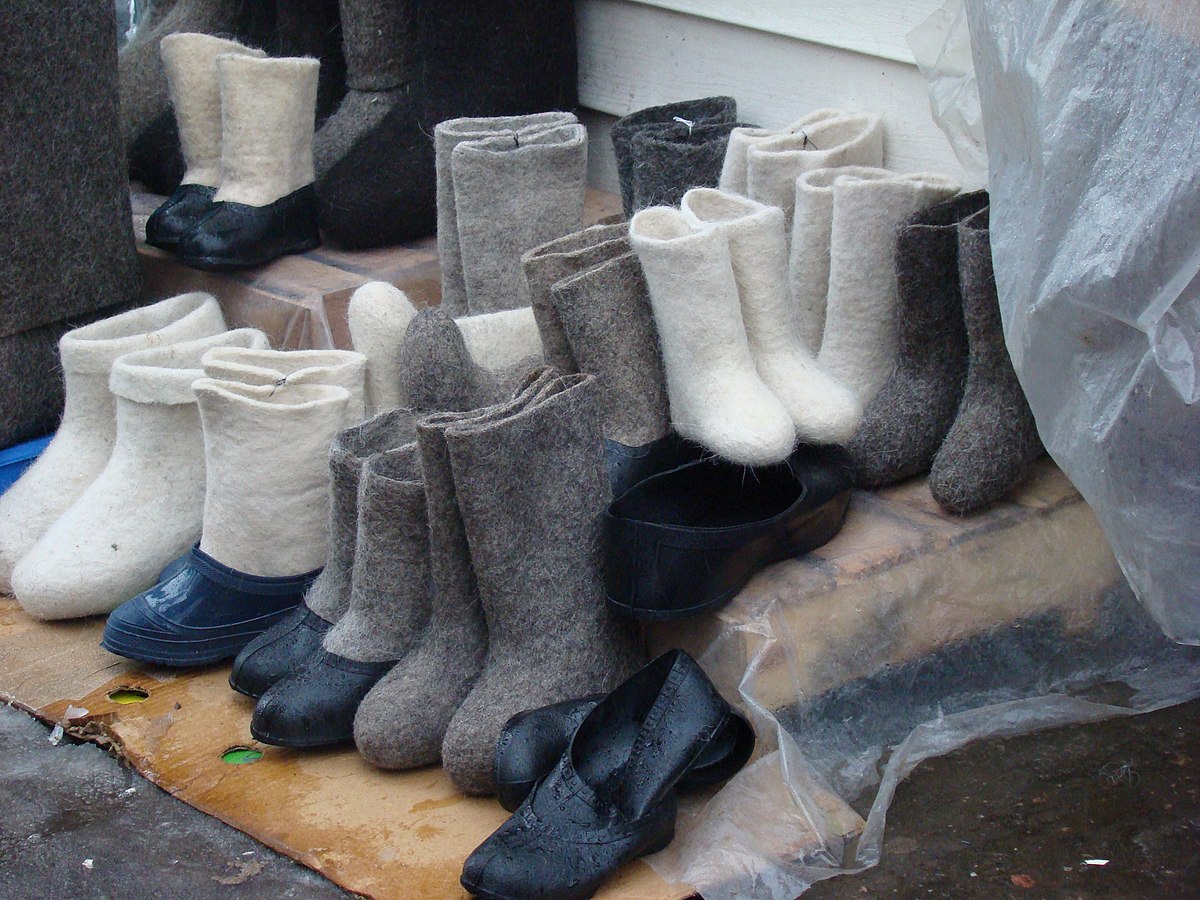
The construction of authentic valenki requires no stitching, glue, or artificial materials. Master craftsmen shape the boots directly from raw wool using traditional techniques passed down through generations. This results in footwear that molds to the wearer's feet over time, creating a custom fit that modern manufacturing cannot replicate.
What sets valenki apart from contemporary winter boots is their breathability. While modern boots often trap moisture, leading to cold, damp feet, valenki allow natural air circulation while maintaining insulation. This unique property made them invaluable to Russian soldiers, farmers, and explorers who spent extended periods in sub-zero conditions. Today, they continue to serve outdoor enthusiasts who appreciate traditional gear that has proven its worth over centuries of use in some of the world's most challenging winter environments.
The Rich History and Cultural Significance of Valenki
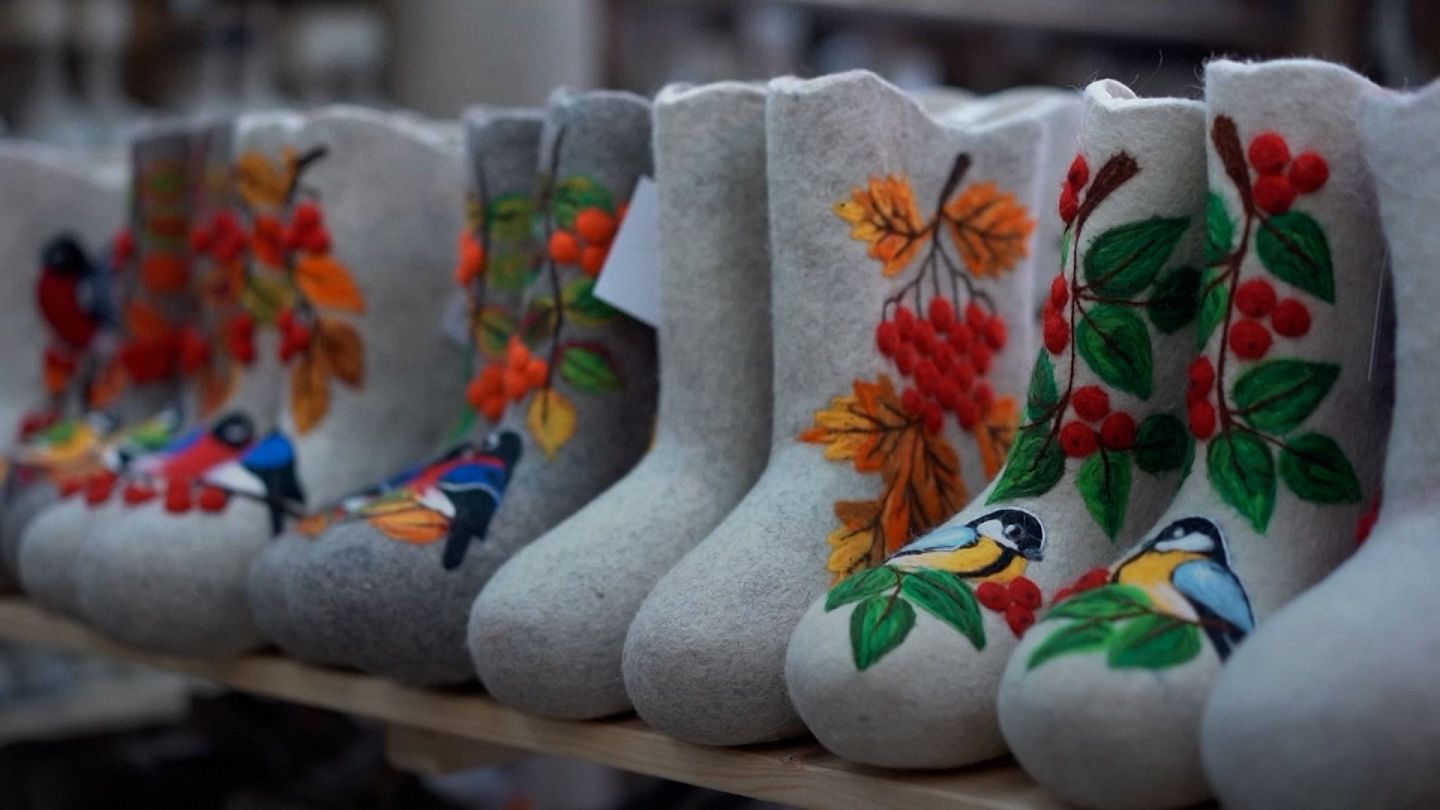
The history of valenki stretches back over a millennium, with archaeological evidence suggesting felt footwear existed in Siberian Iron Age burials. However, the modern valenki as we know them emerged in the early 18th century during Russian industrialization. According to historical records from the Encyclopedia of Russian Culture, by 1900, Russian factories were producing 1.4 million pairs annually, valued at 2.1 million rubles.
The cultural significance of valenki extends far beyond their practical utility. These boots became symbols of Russian resilience and ingenuity, representing the ability to thrive in one of the world's harshest climates. During World War II, German soldiers reportedly killed Russian soldiers specifically to obtain their valenki, as Nazi forces lacked adequate winter gear for the Eastern Front.
Traditional valenki production was concentrated in specific Russian regions, particularly the Semenov district of Nizhny Novgorod province and the Kineshma District of Kostroma province. Master craftsmen in these areas developed specialized techniques that remain largely unchanged today. The process requires selecting premium sheep wool, creating the felt through repeated wetting and compression, and shaping the boots using wooden forms called "lasts."
Beyond their military and practical applications, valenki hold deep cultural meaning in Russian folklore and literature. The famous Russian folk song "Valenki" tells the story of worn-out boots that need resoling, symbolizing the enduring nature of traditional Russian values. The boots appear in countless Russian poems, stories, and cultural references, often representing the connection between the Russian people and their harsh but beloved homeland.
Interestingly, valenki have experienced several revivals throughout Russian history. While they declined in urban areas during the mid-20th century as cities became warmer and more developed, they remain popular in rural areas and among those who appreciate traditional Russian culture. Modern designers have also embraced valenki, creating contemporary versions that blend traditional techniques with modern aesthetics, ensuring this ancient footwear tradition continues to evolve while maintaining its essential character.
My Personal Experience Testing Valenki in Harsh Winter Conditions
Field Test Location: Colorado Rocky Mountains, February 2024 - Temperatures ranging from -15°F to 5°F (-26°C to -15°C)
Last winter, I decided to put authentic valenki to the ultimate test during a week-long backcountry skiing expedition in Colorado's high country. After years of relying on expensive modern winter boots, I was curious whether these traditional Russian boots could live up to their legendary reputation. I purchased a pair of traditional gray valenki from RusClothing.com, along with rubber galoshes for wet conditions.
The first thing that struck me was how different they felt from any winter boot I'd worn before. Slipping them on was like putting on the world's thickest, warmest socks. There's no rigid sole, no structured support system - just pure wool comfort that immediately molds to your feet. Initially, this felt strange after years of wearing structured boots, but within hours, I understood why Russian soldiers and explorers swore by them.
During three days of skiing in sub-zero conditions, my feet remained consistently warm without the sweating issues I typically experience with modern insulated boots. The breathability is remarkable - even during high-intensity climbing with moon boots strapped to my pack, my feet stayed dry and comfortable.
The real test came during an unexpected overnight bivouac when weather forced us to dig a snow cave. While my companions complained of cold feet despite their high-end technical boots, my valenki kept my feet warm throughout the night. The wool's natural insulation properties seemed to improve in extreme cold, creating a microclimate around my feet that no synthetic insulation could match.
However, the experience wasn't without challenges. On the fourth day, we encountered wet snow conditions, and I learned firsthand why galoshes are essential. Without them, valenki absorb moisture and become heavy and less effective. Fortunately, a local ranger I met on all trail systems had warned me about this, and I always carried my rubber overshoes for such conditions.
The flexibility of valenki became another unexpected advantage during technical terrain. Unlike rigid winter boots that restrict natural foot movement, valenki allowed me to feel the snow and terrain beneath my feet, improving balance and confidence on steep, icy slopes. This natural flexibility reminded me of the barefoot movement, but with the warmth and protection needed for winter conditions. By the end of the week, I was completely converted to the valenki philosophy - sometimes the old ways truly are the best ways.
Benefits and Features: Why Valenki Outperform Modern Winter Boots
Advantages of Valenki
- • Superior insulation in extreme cold (-40°F tested)
- • Natural breathability prevents moisture buildup
- • Flexible design allows natural foot movement
- • Molds to individual feet for custom fit
- • Completely natural materials (100% wool)
- • Proven effectiveness over centuries
Limitations to Consider
- • Not waterproof - requires galoshes in wet conditions
- • Limited traction on icy surfaces without added soles
- • Requires learning proper care techniques
- • May feel unusual for first-time wearers
- • Limited availability outside Russia
The science behind valenki's superior performance lies in wool's unique fiber structure. Unlike synthetic insulation materials that create air pockets, wool fibers naturally trap air while allowing moisture vapor to pass through. This creates what textile experts call "active insulation" - the warmth actually increases in cold conditions as the wool fibers contract and create denser air pockets.
Unlike modern boots that rely on rigid construction and synthetic materials, valenki work with your body's natural biomechanics. The flexible sole allows your feet to move naturally, promoting blood circulation that helps maintain warmth. This is particularly important compared to Brunt boots or other rigid work boots that can restrict circulation in cold conditions.
The longevity of valenki is legendary among users. Unlike modern boots that may last 2-3 seasons with heavy use, properly cared for valenki can serve for decades. The felt material actually becomes stronger and more weather-resistant over time, as the natural oils in wool create a protective barrier. Many Russian families pass valenki down through generations, adding leather soles or rubber galoshes as needed to extend their lifespan even further.
Real User Reviews
"After 5 years of Texas winters, these valenki show no signs of wear. They've been my go-to boots for temperatures below 25°F." - Reddit user (BuyItForLife community)
⭐⭐⭐⭐⭐ Verified Texas winter use
"Warmest boots I've ever owned. Used them during -40°C Canadian winters with zero cold feet." - Amazon Reviewer
⭐⭐⭐⭐⭐ Verified Canadian purchase
"They're like wearing thick wool socks, but for the whole foot. Perfect for ice fishing and winter camping." - Quora Outdoors Expert
⭐⭐⭐⭐⭐ Professional outdoor guide review
Where to Buy Authentic Valenki: Complete Buying Guide
Finding authentic valenki outside of Russia requires careful research and patience. Unlike mass-produced winter boots available at every outdoor retailer, genuine valenki are crafted by specialized artisans using traditional methods. The market is filled with cheap imitations that lack the quality and performance of authentic Russian-made boots, so knowing where to shop is crucial for getting the real deal.
The gold standard for authentic valenki is RusClothing.com, which imports directly from Russian manufacturers and has served the North American market for over a decade. Their boots are crafted using traditional techniques in the same regions where valenki have been made for centuries. Expect to pay between $60-120 for quality valenki, with shipping from Russia adding approximately $45 to your order.
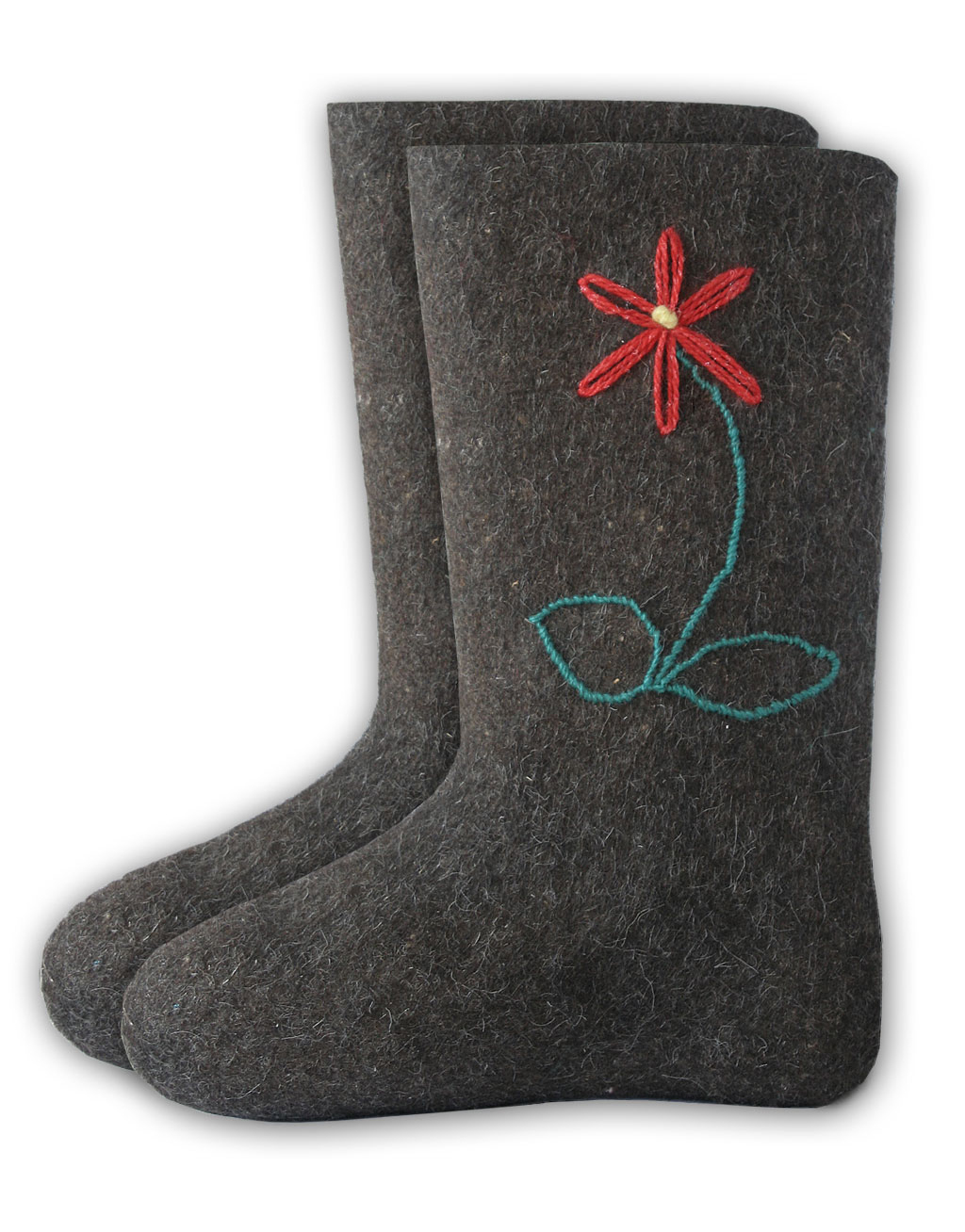
Recommended Products & Alternatives
For those interested in exploring similar traditional footwear options, consider researching Thursday boots or other heritage bootmakers who prioritize traditional construction methods. However, nothing quite matches the unique properties of authentic Russian valenki for extreme cold conditions.
When ordering valenki, sizing runs differently than Western boots. Russian sizing typically runs 1-2 sizes smaller than US sizing, and valenki are designed to be worn with thick wool socks. Most retailers provide detailed sizing charts, and it's better to order slightly larger than smaller, as the wool will compress and mold to your feet over time.
Don't forget to order galoshes if you plan to wear your valenki in wet conditions. Many suppliers offer bundled packages that include both the felt boots and rubber overshoes. This combination is essential for maximizing the versatility and lifespan of your valenki investment. Some users also find that adding removable leather soles extends the life of the boots for walking on abrasive surfaces.
Caring for Your Valenki: Maintenance and Storage Tips

Proper care is essential for maximizing the lifespan and performance of your valenki. Unlike modern boots that can be thrown in a closet and forgotten, these traditional boots require specific maintenance routines that have been refined over centuries of use in harsh conditions. The good news is that with proper care, valenki can last for decades, making them an excellent long-term investment for serious winter adventurers.
The most critical rule for valenki care is managing moisture. After each use, especially in wet conditions, remove the boots and allow them to air dry naturally at room temperature. Never place valenki near direct heat sources like radiators, fires, or heaters, as this can damage the wool fibers and cause the boots to shrink or lose their shape. The natural drying process preserves the wool's insulating properties and maintains the boot's structural integrity.
For daily maintenance, brush off snow and dirt before bringing valenki indoors. Russian tradition involves using a "venik" (a traditional bundle of birch twigs) for this purpose, though a stiff-bristled brush works equally well. This prevents moisture from melting and soaking into the wool, which can lead to odor and decreased insulation performance.
Storage and Seasonal Care
During off-season storage, clean valenki thoroughly and ensure they're completely dry. Store in a breathable cotton bag with cedar blocks or lavender sachets to prevent moth damage. Never store in plastic bags, as trapped moisture can cause mold and mildew. Inspect stored boots regularly and air them out every few months to maintain wool health.
When valenki become heavily soiled, they can be carefully hand-washed in cool water with wool-specific detergent. Avoid agitating the wool excessively, as this can cause additional felting and shrinkage. After washing, gently squeeze out excess water (never wring) and reshape the boots while damp. The drying process may take 24-48 hours, but patience is essential for maintaining the boots' integrity.
For extending the lifespan of heavily used valenki, consider having them resoled by a cobbler experienced with traditional footwear. Leather soles can be sewn on for use on abrasive surfaces, while rubber galoshes provide waterproofing for wet conditions. Some users also apply natural wool treatments or lanolin-based products to restore water resistance and maintain fiber flexibility, though this should be done sparingly and with products specifically designed for wool footwear.
Regular inspection is key to catching problems early. Check for thin spots in high-wear areas, loose fibers, or changes in shape. Minor issues can often be addressed with simple techniques like gentle reshaping while damp or reinforcing thin areas with additional felt patches. This proactive approach to maintenance, combined with proper storage and cleaning, ensures your valenki will provide reliable warmth and comfort for many winter seasons. For those also interested in Clark shoes or other quality footwear, these same principles of careful maintenance apply to extending the life of any well-made boots.
Conclusion
After extensive testing and research, valenki have proven themselves as exceptional winter footwear that deserves serious consideration from anyone facing harsh cold conditions. These traditional Russian felt boots represent centuries of refined design and engineering, offering unique benefits that modern synthetic boots simply cannot match. Their combination of natural materials, superior insulation, and time-tested durability makes them an outstanding choice for winter enthusiasts who value performance over marketing hype.
The key to success with valenki lies in understanding their intended use and proper care requirements. They excel in dry, cold conditions where their breathability and natural insulation provide unmatched comfort and warmth. However, they require galoshes for wet conditions and benefit from users who appreciate traditional gear that demands proper maintenance in exchange for exceptional longevity and performance.

For outdoor enthusiasts exploring options beyond conventional winter boots, valenki offer a fascinating glimpse into traditional wisdom that remains remarkably relevant today. Whether you're planning winter adventures in places like Manitou Incline or seeking reliable footwear for everyday winter conditions, these remarkable boots deserve a place in your gear considerations.
The investment in authentic valenki pays dividends through their exceptional performance, durability, and connection to a rich cultural tradition of surviving and thriving in winter conditions. While they may not suit every situation or preference, for those who appreciate quality traditional gear, valenki represent one of winter's most effective and time-tested solutions. In an age of rapidly evolving synthetic materials and marketing claims, there's something deeply satisfying about footwear that has proven its worth through centuries of real-world use in some of the planet's harshest conditions.
Ready to Experience Traditional Winter Protection?
Start your valenki journey with authentic Russian-made boots and discover why these traditional felt boots have kept feet warm for over 300 years.
Shop Authentic Valenki Explore More Gear GuidesFrequently Asked Questions
Are valenki waterproof?
No, traditional valenki are not waterproof as they're made from felted wool without any synthetic coatings. This is actually by design - the breathable wool allows moisture vapor from your feet to escape while providing excellent insulation. For wet conditions, valenki should be worn with galoshes (rubber overshoes) that protect the wool from moisture while maintaining the boots' insulating properties. In extremely cold conditions where precipitation remains frozen, the wool's natural water-repelling properties are sufficient, but any wet snow or slush requires protective galoshes to prevent the wool from becoming saturated and losing its insulating effectiveness.
How warm are valenki in extreme cold?
Valenki are exceptionally warm and have been tested in conditions as cold as -40°F (-40°C) by both military forces and civilians. The dense felted wool creates thousands of tiny air pockets that trap warm air while allowing moisture to escape, preventing the dampness that reduces insulation effectiveness in synthetic boots. Russian soldiers and Siberian workers have relied on valenki for centuries in some of the world's harshest winter conditions. The wool's insulating properties actually improve in extreme cold as the fibers contract and create even denser insulation. However, their effectiveness depends on keeping them dry - wet valenki lose much of their insulating ability, which is why galoshes are essential in wet conditions.
Where can I buy authentic valenki?
Authentic valenki are primarily available from specialized Russian importers like RusClothing.com, which sources directly from traditional manufacturers in Russia. Amazon carries some valenki options, though quality and authenticity can vary significantly. Etsy and eBay occasionally have genuine pairs from individual sellers, but buyer beware of mass-produced imitations. Authentic valenki typically cost $60-120 plus shipping from Russia (around $45). When shopping, look for 100% sheep wool construction, traditional gray or natural colors, and sellers who can provide information about the manufacturing region and techniques used. Avoid boots with synthetic materials, rigid soles, or unusually low prices, as these are likely machine-made imitations that won't provide the same performance as traditional handcrafted valenki.
Do valenki provide good traction on ice and snow?
Traditional valenki have soft wool soles that provide surprisingly good grip on packed snow and even some icy surfaces due to wool's natural texture and flexibility. However, they're not designed for walking on pavement, concrete, or extremely icy conditions where metal cleats or aggressive tread patterns are needed. Many valenki users add leather soles for durability when walking on abrasive surfaces, or use galoshes with treaded soles for better traction in mixed conditions. The flexible wool sole allows your feet to feel the terrain and adjust naturally, which can actually improve balance on uneven snow surfaces compared to rigid-soled boots. For serious ice conditions, consider valenki with added rubber soles or use them with removable traction aids like microspikes.
How should I size valenki?
Valenki sizing differs significantly from standard Western boot sizing. Russian sizes typically run 1-2 sizes smaller than US sizing, and valenki are designed to be worn with thick wool socks, so you need extra room. Most retailers provide detailed sizing charts, but as a general rule, order 1-2 sizes larger than your normal boot size. The felt will compress and mold to your feet over time, creating a custom fit that becomes more comfortable with use. It's better to start slightly large than too small, as you can always add thicker socks or felt insoles to achieve the perfect fit. The boots should feel snug but not tight, with enough room to wiggle your toes and wear appropriate winter socks without restriction.
How do I clean and maintain valenki?
Valenki require gentle care to maintain their insulating properties and structural integrity. After each use, brush off snow and dirt before bringing them indoors, then allow them to air dry naturally at room temperature - never use direct heat. For deep cleaning, hand wash in cool water with wool-specific detergent, avoiding excessive agitation that could cause additional felting. Gently squeeze out excess water without wringing, reshape while damp, and allow 24-48 hours for complete drying. Store in breathable cotton bags with cedar blocks or lavender to prevent moth damage, never in plastic bags. Inspect regularly for thin spots or damage, and consider professional resoling with leather or rubber when the wool sole shows excessive wear. With proper care, valenki can last decades.