Walking Tracks: Your Complete Guide to Nature Trails and Urban Walking Paths
Whether you're a complete beginner or seasoned walker, finding the perfect walking tracks can transform your outdoor experience. From peaceful nature trails to bustling urban greenways, this comprehensive guide will help you discover, prepare for, and safely enjoy walking tracks that match your fitness level and interests. Ready to explore the great outdoors? Visit our homepage for more outdoor adventures.
Understanding Walking Tracks

Walking tracks represent one of the most accessible and rewarding ways to connect with nature and maintain physical fitness. Unlike challenging hiking trails that require extensive experience and specialized equipment, walking tracks cater to people of all ages and fitness levels. These designated pathways range from smooth, paved urban greenways to gentle nature trails winding through forests, parks, and conservation areas.
The beauty of walking tracks lies in their diversity and accessibility. In my years of exploring various trails across different states, I've discovered that walking tracks serve as perfect gateways to outdoor recreation. They provide structured, safe environments where beginners can build confidence while experienced walkers can enjoy leisurely strolls or brisk workouts. Many walking tracks feature amenities like benches, water fountains, restrooms, and interpretive signage that enhance the overall experience.
Modern walking tracks often incorporate sustainable design principles, utilizing recycled materials for construction and implementing erosion control measures to protect surrounding ecosystems. These tracks serve multiple purposes: they provide recreational opportunities, promote community health, protect sensitive environmental areas, and often connect neighborhoods to parks, schools, and business districts.
The infrastructure supporting walking tracks continues to expand nationwide, with cities investing in comprehensive trail systems that link urban centers to natural areas. Organizations like AllTrails have revolutionized how we discover and navigate these pathways, providing detailed maps, user reviews, and difficulty ratings that help walkers make informed decisions about their outdoor adventures.
Types of Walking Tracks
Urban Walking Paths
City-based walking tracks typically feature paved surfaces, regular lighting, and excellent accessibility. These paths often connect parks, residential areas, and commercial districts while providing safe routes away from vehicle traffic.
Nature Trails
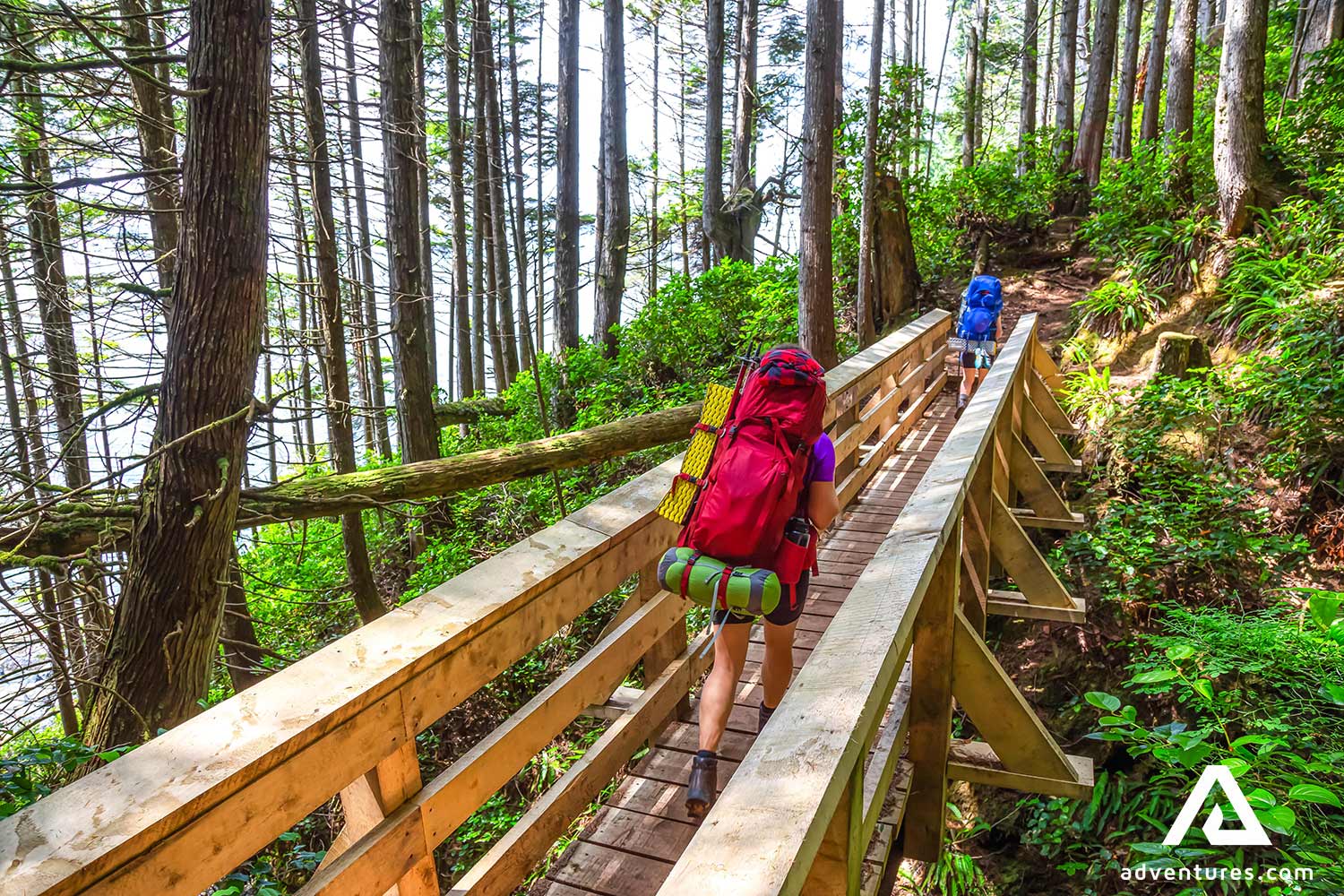
Forest and woodland paths offer immersive natural experiences with varying surfaces from packed dirt to wooden boardwalks. These trails showcase local flora and fauna while providing peaceful escapes from urban environments.
Waterfront Walkways
Coastal paths, riverside trails, and lakeside walkways combine scenic water views with gentle terrain. These tracks often feature elevated sections and observation decks for enhanced wildlife viewing opportunities.

Each type of walking track offers unique advantages and experiences. Urban paths excel in convenience and consistency, making them perfect for daily exercise routines and family outings. Nature trails provide psychological benefits through forest bathing and wildlife observation, while waterfront walkways combine physical activity with stunning scenic views.
Greenway systems represent a particularly innovative approach to walking track development. These multi-use corridors often follow abandoned railway lines or natural corridors, creating extensive networks that can span dozens of miles. The Manitou Incline in Colorado exemplifies how challenging terrain can be transformed into accessible walking experiences through thoughtful engineering and design.
Loop trails offer particular appeal for walkers who prefer circular routes that return to their starting point without backtracking. These designs maximize variety within a single walking session while providing clear distance markers and multiple exit points for those who need to shorten their walk.
Choosing the Right Track
Selecting appropriate walking tracks requires careful consideration of personal fitness levels, available time, and specific goals. During my extensive exploration of various trail systems, I've developed a systematic approach that helps ensure every walking experience is both enjoyable and appropriately challenging.
Fitness Level Assessment
Beginners should prioritize tracks under three miles with minimal elevation gain and well-maintained surfaces. I always recommend starting with popular, well-trafficked paths that offer clear signage and emergency access points. Urban greenways and park loop trails typically provide ideal starting conditions with amenities like restrooms, water fountains, and parking areas.
Intermediate walkers can explore longer distances (3-6 miles) and moderate elevation changes while still prioritizing safety and accessibility. This progression allows for gradual conditioning while introducing more diverse terrain and natural environments.
Seasonal Considerations
Trail conditions vary significantly throughout the year, affecting both safety and enjoyment levels. Spring offers mild temperatures and blooming wildflowers but may include muddy sections from recent precipitation. Summer provides extended daylight hours and warm weather, though early morning or evening walks help avoid peak heat periods.
Fall walking tracks showcase spectacular foliage changes while offering comfortable temperatures for extended walks. Winter conditions require careful track selection, focusing on maintained paths with good drainage and minimal ice formation. Many experienced walkers discover that winter walking provides unique beauty and solitude when properly prepared.
Track Selection Checklist
- Distance appropriate for fitness level
- Recent reviews and condition reports
- Available parking and restroom facilities
- Weather conditions and forecasts
- Emergency contact information and cell coverage
Essential Gear & Equipment
Proper equipment significantly enhances safety, comfort, and enjoyment during walking track adventures. Through years of trail experience and countless gear tests, I've identified essential items that consistently prove their value across different track types and conditions.
Footwear Fundamentals
Quality walking shoes form the foundation of any successful track experience. I've tested numerous brands and styles, but consistently return to well-fitted shoes that provide adequate support, cushioning, and traction. The choice between lightweight running shoes and more robust hiking boots depends on track surface and personal preference.
Merrell Moab 3 Hiking Shoes
Versatile walking shoes perfect for various track surfaces with excellent support and durability.
Hydro Flask Water Bottle
Insulated stainless steel bottle that keeps drinks cold for hours during long walking sessions.
Navigation and Safety Equipment
Modern technology has revolutionized trail navigation, but traditional tools remain valuable backups. I always carry a fully charged smartphone with offline maps downloaded, plus a basic compass and whistle for emergency situations. GPS watches provide excellent tracking capabilities while keeping hands free for walking poles or photography.
Osprey Talon 22 Daypack
Lightweight, comfortable daypack with hydration compatibility and organized storage compartments.
Adventure Medical Kits First Aid Kit
Compact but comprehensive first aid kit designed specifically for outdoor activities and trail use.
Weather protection remains crucial regardless of forecast accuracy. I've learned to appreciate versatile layering systems that adapt to changing conditions throughout the day. Quality rain gear weighs little but provides enormous peace of mind, while sun protection items like hats and UV-protective clothing prevent painful and dangerous overexposure.
The investment in proper gear pays dividends in comfort, safety, and confidence. Just as quality athletic footwear supports your feet during daily activities, specialized walking track equipment enhances every aspect of the outdoor experience while providing essential safety margins when conditions become challenging.
Safety & Preparation
:max_bytes(150000):strip_icc()/TAL-woman-hiking-WORLDHIKESDGOG1023-a36ccccd696a490a8ad12b8489998875.jpg)
Safety considerations form the cornerstone of enjoyable walking track experiences. Through years of guiding novice walkers and exploring diverse trail systems, I've witnessed how proper preparation transforms potentially risky situations into manageable inconveniences while allowing walkers to focus on the positive aspects of their outdoor adventures.
Pre-Walk Planning
Effective preparation begins with thorough research about chosen walking tracks. I always recommend checking recent trail condition reports, weather forecasts, and seasonal closures before departure. Local ranger stations and park offices provide valuable real-time information about track conditions, wildlife activity, and any special considerations that might affect your walking experience.
Communication planning proves essential, particularly for longer or more remote walking tracks. I establish specific check-in times with family or friends, providing detailed itinerary information including expected departure and return times. Modern GPS watches and smartphone apps offer sharing features that allow trusted contacts to monitor your progress in real-time.
Critical Safety Reminders
- Always inform someone about your walking plans and expected return time
- Carry more water than you think you'll need, especially during warm weather
- Know your limits and turn back before reaching exhaustion
- Trust your instincts about weather conditions and trail safety
- Carry emergency communication devices for remote areas
Wildlife Awareness
Walking tracks often traverse habitats that support diverse wildlife populations, creating opportunities for memorable encounters when approached with appropriate knowledge and respect. I've learned to appreciate these interactions while maintaining safe distances and following established protocols for different animal species.
Most wildlife encounters involve smaller animals like birds, squirrels, and insects that pose minimal threats when left undisturbed. However, certain regions require awareness of larger animals including bears, mountain lions, or venomous snakes. Local park authorities provide specific guidance about current wildlife activity and recommended precautions.
The principle of "Leave No Trace" extends beyond environmental protection to include wildlife safety. Proper food storage, waste disposal, and noise levels help maintain natural animal behaviors while reducing potentially dangerous human-wildlife interactions. Many experienced walkers find that early morning and late afternoon periods offer the best wildlife viewing opportunities when animals are most active.
My Personal Experience

My journey with walking tracks began over fifteen years ago when a knee injury forced me to abandon running in favor of gentler exercise alternatives. What started as rehabilitation quickly evolved into a passion that has taken me across diverse terrains, from urban greenways in bustling metropolitan areas to serene forest paths in remote wilderness areas.
One particularly memorable experience occurred during my exploration of the Pacific Northwest trail system last autumn. I had planned a modest three-mile loop through what appeared to be a well-maintained forest track near Mount Baker. However, unexpected early snowfall transformed the familiar path into an adventure requiring careful navigation and adaptability. This experience reinforced the importance of carrying proper emergency equipment and maintaining flexible expectations when exploring walking tracks.
Lessons Learned from Trail Rangers
Throughout my walking track adventures, I've had the privilege of learning from experienced park rangers and trail maintenance crews who shared invaluable insights about track conditions, seasonal changes, and safety considerations. One ranger in Colorado taught me about reading weather patterns specific to mountain environments, while a trail supervisor in Florida educated me about recognizing signs of heat exhaustion before they become dangerous.
These conversations consistently emphasized the importance of respecting natural environments and following established trail etiquette. Simple practices like yielding to uphill walkers, staying on designated paths, and properly disposing of waste help preserve walking tracks for future generations while maintaining positive relationships with local communities.
Seasonal Discoveries
Each season offers unique advantages for walking track exploration. Spring walking reveals emerging wildflowers and migrating bird species, while summer provides extended daylight hours perfect for longer adventures. Fall transforms familiar tracks with spectacular foliage displays, and winter walking offers solitude and crystalline beauty when properly prepared.
My favorite winter walking experience occurred on a snow-covered rail-trail in Vermont, where cross-country ski tracks created perfect walking paths through pristine forest landscapes. The silence was profound, broken only by the crunch of snow underfoot and occasional bird calls echoing through bare branches. This experience highlighted how seasonal changes can completely transform familiar walking tracks into entirely new adventures.
Personal Tips for Success
- Start with shorter distances and gradually increase as fitness improves
- Invest in quality footwear from the beginning – your feet will thank you
- Take photos to track your progress and remember special moments
- Join local walking groups for motivation and safety
- Keep a walking journal to track favorite tracks and personal achievements
User Reviews & Experiences
"Started with urban walking tracks near my home and now I'm planning week-long walking vacations. The progression from beginner to confident trail walker happened faster than I expected."
"The gear recommendations in this guide saved my knees! Proper footwear makes all the difference when exploring different track types."
"Family-friendly walking tracks have become our weekend tradition. Kids love the nature discoveries and parents appreciate the exercise without driving hours to trailheads."
Pros and Cons of Different Walking Track Types
Advantages
- Accessible to all fitness levels and age groups
- Well-maintained surfaces reduce injury risks
- Clear signage and distance markers
- Often include amenities like restrooms and water fountains
- Safe environments for solo walkers
- Free or low-cost recreation opportunity
Considerations
- Can become crowded during peak times
- Limited wilderness experience on urban tracks
- Weather exposure on open tracks
- Some tracks may have limited parking
- Seasonal closures in certain regions
- May require travel to reach starting points
Frequently Asked Questions
What are walking tracks and how do they differ from hiking trails?
Walking tracks are designated pathways designed for recreational walking, ranging from paved urban paths to natural dirt trails. Unlike hiking trails which often feature challenging terrain and elevation changes, walking tracks are typically more accessible and suitable for all fitness levels. They usually offer better maintenance, clearer signage, and more amenities like benches and restrooms. Walking tracks prioritize safety and accessibility while still providing opportunities to enjoy nature and exercise outdoors.
What essential gear do I need for walking tracks?
Essential gear includes comfortable walking shoes with good support, weather-appropriate clothing, a reliable water bottle, and a small first aid kit. For longer walks, consider bringing energy snacks, sunscreen, insect repellent, and a lightweight backpack. A fully charged smartphone with offline maps downloaded serves as crucial navigation and emergency communication. The specific gear list may vary based on track type, weather conditions, and personal needs, but these basics ensure safety and comfort during most walking track adventures.
How do I choose the right walking track for my fitness level?
Start by honestly assessing your current fitness level and choosing tracks accordingly. Beginners should focus on shorter distances (1-3 miles) with minimal elevation gain on well-maintained, paved surfaces. Look for loop trails with multiple exit points and nearby amenities. Gradually increase distance and difficulty as your endurance improves. Consider factors like surface type, elevation gain, available shade, and emergency access when making selections. Online resources and local visitor centers provide difficulty ratings and detailed track information to help guide your choices.
Are walking tracks safe for solo walkers?
Most well-maintained walking tracks are safe for solo walkers, especially during daylight hours and on popular trails. Always inform someone about your planned route and expected return time. Carry a fully charged phone, stay on designated paths, and trust your instincts about changing conditions or unsafe situations. Choose busier trails for solo walks, avoid remote areas during poor weather, and consider joining local walking groups for added safety and social interaction. Many experienced walkers find solo walking peaceful and rewarding when proper precautions are followed.
What's the best time of year to explore walking tracks?
Spring and fall typically offer the most comfortable conditions with moderate temperatures, lower humidity, and beautiful seasonal changes. Spring brings blooming wildflowers and migrating birds, while fall showcases spectacular foliage. Summer provides longer daylight hours but requires early morning or evening walks to avoid peak heat. Winter walking can be magical in appropriate climates with proper preparation and gear. The best time depends on your location, personal preferences, and specific walking goals. Each season offers unique advantages, so consider exploring tracks year-round to experience their full variety and beauty.
Conclusion
Walking tracks represent one of the most accessible and rewarding pathways to outdoor recreation, offering something valuable for everyone regardless of age, fitness level, or experience. Throughout this comprehensive guide, we've explored the diverse world of walking tracks, from urban greenways that weave through bustling cities to serene nature trails that immerse us in pristine wilderness environments.
The beauty of walking tracks lies not just in their physical landscapes, but in their ability to provide transformative experiences that enhance both physical fitness and mental well-being. Whether you're seeking gentle exercise, stress relief, wildlife observation, or social interaction with like-minded outdoor enthusiasts, walking tracks offer platforms for achieving these goals while building lasting connections with natural environments.
As you begin or continue your walking track journey, remember that every expert started as a beginner. The key principles we've discussed—proper preparation, appropriate gear selection, safety awareness, and gradual progression—will serve you well regardless of which tracks you choose to explore. Start with familiar, well-maintained paths near your home, and gradually venture toward more diverse and challenging environments as your confidence and fitness improve.
The investment in quality equipment, particularly proper footwear and safety gear, pays dividends in comfort and confidence during every walking session. Just as quality shoes support your daily activities, specialized walking equipment enhances your outdoor experiences while providing essential safety margins when conditions become challenging.
Start Your Walking Track Adventure Today!
Ready to explore amazing walking tracks in your area? Discover detailed trail guides, safety tips, and gear recommendations.
Remember that walking tracks offer year-round opportunities for exploration and discovery. Each season brings unique advantages, from spring wildflower displays to autumn foliage spectacles to winter solitude and crystal-clear air. The key is maintaining flexibility in your expectations while staying committed to regular outdoor activity regardless of weather conditions.
Finally, consider how walking tracks can become gateways to broader outdoor adventures. Many walkers discover that their confidence and fitness gains from regular track exploration naturally lead to interest in more challenging hiking adventures and wilderness experiences. The skills, knowledge, and appreciation for nature developed on walking tracks provide solid foundations for a lifetime of outdoor recreation and environmental stewardship.
Whether your goals include improved fitness, stress reduction, wildlife observation, photography opportunities, or simply spending quality time in natural settings, walking tracks provide accessible, safe, and rewarding platforms for achieving these objectives. Start planning your next walking track adventure today, and discover the transformative power of regular connection with the natural world.
© 2025 Explore National Parks. All rights reserved. | Homepage