The Complete Guide to Warm Hiking Clothes
Master Winter Trail Layering Systems for Safe & Comfortable Adventures
After 15+ years of winter hiking across the Pacific Northwest and beyond, I've learned that the right warm hiking clothes can transform a miserable cold-weather experience into an enjoyable adventure. This comprehensive guide shares proven layering systems, gear recommendations, and safety strategies that have kept me comfortable on countless winter trails. Whether you're planning your first snow hike or looking to upgrade your cold-weather gear, these time-tested techniques will help you stay warm, dry, and safe on the winter trails.
Understanding the Layering System

The foundation of staying warm during winter hiking lies in understanding how to layer clothing effectively. Unlike summer hiking where you might wear a single shirt and shorts, warm hiking clothes require a strategic approach that manages both insulation and moisture.
The three-layer system has been the gold standard for outdoor enthusiasts for decades, and for good reason. Each layer serves a specific purpose: the base layer manages moisture, the insulation layer traps warm air, and the outer shell protects against wind and precipitation. What makes this system brilliant is its adaptability – you can add or remove layers as conditions change.
I learned this lesson the hard way during my first winter hike in the Cascade Mountains. I wore a heavy winter coat thinking more bulk meant more warmth, but within an hour of hiking uphill, I was overheating and soaked with sweat. When I stopped for a break, that wet clothing against the cold air chilled me to the bone. That's when I discovered the critical principle: it's not just about staying warm, it's about staying dry.
Pro Tip: Start Cold, Stay Comfortable
Begin your hike feeling slightly cool. You'll warm up within 10-15 minutes of movement. If you start warm, you'll likely overheat and sweat, compromising your insulation system. This counterintuitive approach has kept me comfortable on hundreds of winter trails.
The key to mastering winter hiking clothes is learning to listen to your body and adjust layers accordingly. As you gain experience, this process becomes second nature, but understanding the science behind it accelerates your learning curve significantly.
Base Layer Essentials
Your base layer is the foundation of your entire warm hiking clothes system. This next-to-skin layer's primary job is moisture management – wicking sweat away from your body to keep you dry and maintaining your body's natural temperature regulation.
Material Selection: The Make-or-Break Decision
After testing dozens of base layers over the years, I can definitively say that material choice is everything. Merino wool remains my top choice for most conditions due to its unique properties: natural odor resistance, temperature regulation that works in both warm and cold conditions, and the ability to insulate even when damp.
Synthetic materials like polyester blends are also excellent choices, especially for high-output activities. They dry faster than wool and are typically more affordable. However, they don't offer the same natural odor resistance that makes merino wool superior for multi-day adventures.
The Cotton Death Trap
Never, under any circumstances, wear cotton as a base layer for winter hiking. Cotton absorbs moisture and holds it against your skin, creating a perfect recipe for hypothermia. I've personally witnessed rescues that could have been prevented with proper base layer selection. When cotton gets wet, it becomes a liability that can put your life at risk.
Top Base Layer Recommendations
Smartwool Classic Thermal Merino Crew
The gold standard for base layers, offering perfect balance of warmth, moisture management, and durability.
Check Price on AmazonPatagonia Capilene Thermal Weight
Excellent synthetic option that dries incredibly fast and offers great stretch for active movement.
Check Price on AmazonFit and Comfort Considerations
Your base layer should fit snugly but not restrictively. Think "second skin" rather than tight. The fabric needs to be in contact with your skin to wick moisture effectively, but you should still be able to move freely. I prefer base layers with flat-seam construction to prevent chafing during long hikes.
Don't forget about base layer bottoms – they're equally important for comprehensive moisture management. For men's hiking clothes and women's hiking clothes, the same material principles apply to lower body base layers.
Insulation & Mid-Layers
The insulation layer is where the magic happens in your warm hiking clothes system. This layer's job is to trap warm air heated by your body, creating an insulating barrier against the cold external environment.
Fleece: The Reliable Workhorse
Fleece remains one of my go-to insulation options because it's forgiving, breathable, and continues to insulate even when slightly damp. Modern fleece has evolved significantly from the bulky versions of the past. Grid fleeces, in particular, offer excellent warmth-to-weight ratios and superior breathability.
I've relied on fleece jackets in temperatures ranging from 40°F down to single digits, often layering different weights depending on conditions. The key advantage of fleece is its versatility – it works both as a mid-layer under a shell and as an outer layer in dry, calm conditions.
Down vs. Synthetic Insulation
The down versus synthetic debate continues in the outdoor community, but I've found both have their place in a comprehensive warm hiking clothes arsenal. Down offers the best warmth-to-weight ratio and compressibility, making it ideal for lightweight winter hiking where every ounce matters.
However, down's Achilles heel is moisture sensitivity. When down gets wet, it loses its loft and insulating properties. Synthetic insulation, while heavier and less compressible, continues to provide warmth even when damp and dries much faster.
Temperature-Based Layering Guide
40-50°F (4-10°C)
Light fleece or synthetic vest over base layer
30-40°F (-1 to 4°C)
Medium-weight fleece or light down jacket
20-30°F (-7 to -1°C)
Heavy fleece or medium down jacket
Below 20°F (-7°C)
Multiple layers: fleece + down or heavy synthetic
Remember, these are starting points. Your personal comfort level, activity intensity, and weather conditions will all influence your layering choices. I always carry at least one extra insulation layer in my pack – it's better to have it and not need it than to need it and not have it. For more specialized gear, check out our guide to lightweight hiking clothes.
Outer Shell Protection
The outer shell is your first line of defense against the elements in your warm hiking clothes system. This layer protects you from wind, rain, and snow while allowing moisture vapor from your inner layers to escape.
Waterproof vs. Water-Resistant
Understanding the difference between waterproof and water-resistant can make or break your winter hiking experience. Waterproof shells use membranes like Gore-Tex that completely block water penetration while allowing vapor transfer. Water-resistant shells offer protection against light precipitation but will eventually soak through in heavy rain or snow.
For serious winter hiking, I always recommend fully waterproof shells. I learned this lesson during a winter ascent in the Olympics when my water-resistant softshell jacket soaked through during a sudden snowstorm, compromising my entire insulation system.
Essential Shell Features
A quality winter hiking shell should include several key features: pit zips for ventilation management, a helmet-compatible hood, sealed seams to prevent water intrusion, and durable YKK zippers. These features might seem minor, but they become crucial during extended exposure to harsh conditions.
Top-Rated Shell Jackets
Arc'teryx Beta SL Hybrid
Lightweight yet durable, perfect for alpine conditions with excellent breathability and weather protection.
Check Price on AmazonPatagonia Torrentshell 3L
Budget-friendly option that doesn't compromise on essential waterproof protection and durability.
Check Price on AmazonProper shell sizing is crucial – you need enough room for all your insulation layers without being so loose that heat escapes or snow enters. I always recommend trying on shells while wearing your full layering system. For comprehensive gear selection, explore our best hiking clothes recommendations.
Lower Body & Footwear
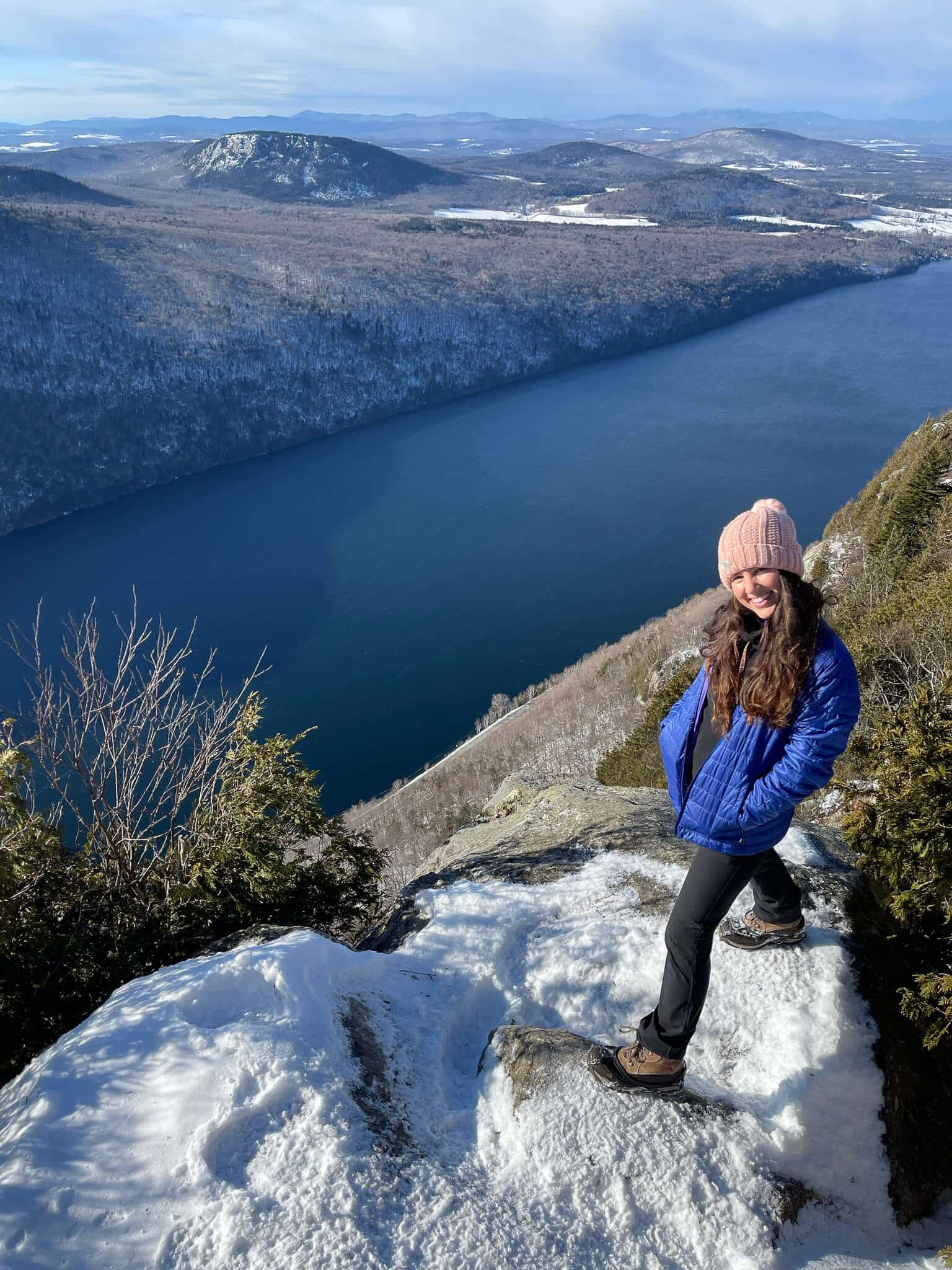
Your lower body needs just as much attention as your torso in your warm hiking clothes system. Cold legs and feet can end a winter hike faster than almost any other equipment failure.
Lower Body Layering Strategy
For lower body layering, I use a similar approach to upper body: moisture-wicking base layer (long underwear), insulating layer (fleece-lined hiking pants), and weather protection layer (rain pants or shell pants when needed). This system provides the flexibility to adjust for changing conditions and activity levels.
Many hikers make the mistake of overdressing their legs, forgetting that leg muscles generate significant heat during hiking. I often start with just base layers and hiking pants, adding shell pants only when conditions require it.
Winter Hiking Footwear
Proper footwear can make or break your winter hiking experience. Insulated, waterproof boots are non-negotiable for snow conditions, but the level of insulation depends on temperature, snow depth, and personal preference. I've found that boots rated for temperatures 10-15 degrees lower than expected conditions provide a good safety margin.
Boot Sizing Critical Point
Winter boots should be sized slightly larger than summer hiking boots to accommodate thicker socks and allow for toe movement. Tight boots restrict circulation and actually make your feet colder. I recommend trying on boots with the exact sock system you plan to wear hiking.
Sock Layering System
Just like your clothing, socks benefit from a layering approach. I use a thin wool liner sock next to my skin, followed by a cushioned wool hiking sock. This system prevents blisters, manages moisture, and provides superior insulation compared to a single thick sock.
Winter Boot Recommendations
Merrell Thermo Chill Mid Waterproof
Excellent mid-range option with 400g insulation, waterproof construction, and superior traction for most winter conditions.
Check Price on AmazonDarn Tough Vermont Mountaineering Socks
Premium merino wool socks with lifetime warranty – the ultimate investment in foot comfort and warmth.
Check Price on AmazonDon't forget gaiters – these simple accessories keep snow out of your boots and provide an extra layer of warmth around your lower legs. They're especially crucial when postholing through deep snow. For more specialized options, check out camping clothes for women and related gear selections.
Essential Accessories
The extremities – head, hands, and neck – are where you lose heat fastest and where frostbite first develops. Quality accessories aren't optional in your warm hiking clothes system; they're essential safety equipment.
Head Protection Strategy
I carry multiple hat options depending on conditions. A lightweight merino wool beanie works well for moderate cold and active hiking. For extreme conditions or high winds, I switch to a fleece-lined balaclava that protects my entire face except for my eyes.
Many hikers underestimate the importance of eye protection in winter. Snow glare can cause snow blindness, a painful and dangerous condition. High-quality sunglasses with UV protection and side shields are crucial for bright, snowy days.
Hand Warmth System
My hand protection strategy involves multiple layers: lightweight liner gloves that work with touchscreens, insulated gloves or mittens over those, and waterproof overmitts for wet conditions. This system allows me to remove layers as needed while maintaining some protection.
Mittens keep hands warmer than gloves because fingers can share heat, but gloves provide better dexterity for tasks like adjusting gear or taking photos. I've found convertible mittens (mittens with removable finger sections) offer the best compromise.
Cold Hands Emergency Protocol
If your hands become numb, stop immediately and rewarm them. Place them in your armpits, against your warm abdomen, or use hand warmers. Numbness is the first sign of frostbite. Never ignore cold hands – the consequences can be permanent. I always carry chemical hand warmers as backup heat sources.
Neck gaiters or buffs provide protection for that vulnerable gap between your jacket collar and hat. They're also incredibly versatile – I've used mine as face protection, headband, wristband, and even emergency gear tie-down. For specific recommendations, visit our hiking clothes sale section for current deals.
My Personal Experience
Over fifteen years of winter hiking has taught me lessons that no gear review or instruction manual could provide. My understanding of warm hiking clothes evolved through trial, error, and some genuinely challenging situations that tested both my gear and judgment.
The Mount Rainier Learning Experience
My most educational winter hiking experience happened during a failed summit attempt on Mount Rainier. Weather deteriorated rapidly from clear and cold to whiteout conditions with 40mph winds. My layering system kept me warm, but I learned the critical importance of having backup plans and emergency gear.
That day taught me that the best warm hiking clothes system in the world is worthless without proper planning and the wisdom to retreat when conditions exceed your capabilities. The ranger I spoke with later said our decision to turn back likely prevented a rescue situation.
Lessons from Cold-Weather Failures
Early in my winter hiking journey, I made every common mistake: cotton base layers that left me shivering, boots that were too tight restricting circulation, and the classic error of starting hikes overdressed and ending up soaked in sweat. Each mistake taught me something valuable about how the human body responds to cold and exertion.
The most important lesson? Listen to your body and adjust constantly. I now check my comfort level every 15-20 minutes during the first hour of hiking, making layer adjustments as needed. This proactive approach prevents the cascading problems that occur when you ignore early warning signs.
Local Ranger Wisdom
"The mountain doesn't care about your schedule or your ego," a backcountry ranger told me after I described nearly getting caught in a storm above treeline. "The best gear is useless if you don't have the judgment to use retreat as a tactic." This advice has guided every winter hiking decision since.
These experiences shaped my approach to outdoor hiking clothes and winter safety. The gear matters, but experience, judgment, and respect for the environment matter more.
Safety & Temperature Management
Understanding how your body responds to cold and how to manage temperature through your warm hiking clothes system is crucial for both comfort and safety. Hypothermia and frostbite are real risks that proper clothing systems help prevent.
Recognizing Temperature-Related Dangers
Hypothermia begins when your core body temperature drops below 95°F (35°C). Early symptoms include uncontrollable shivering, loss of coordination, and poor judgment. The insidious nature of hypothermia is that victims often don't recognize their own symptoms – their judgment becomes impaired as their condition worsens.
Frostbite affects extremities first – fingers, toes, nose, and ears. The progression goes from frostnip (temporary numbness and redness) to superficial frostbite (skin may appear red then pale) to deep frostbite (affecting all layers of skin and tissues below). Prevention through proper gear and recognition of early symptoms is far better than treatment.
Emergency Action Steps
If you or a hiking partner shows signs of hypothermia or frostbite:
- Stop activity immediately and seek shelter
- Remove wet clothing and replace with dry layers
- Apply gentle heat to affected areas (never direct heat)
- Give warm, sweet drinks if conscious and able to swallow
- Activate emergency services for serious cases
Proactive Temperature Management
The best strategy is preventing temperature-related problems before they start. This means eating regularly to fuel your internal furnace, staying hydrated (dehydration impairs circulation), and adjusting layers before you become uncomfortable.
I follow the "one layer ahead" rule – I dress for conditions one step worse than current weather. If it's 35°F and clear, I dress for 25°F and cloudy. This conservative approach has kept me comfortable when unexpected weather changes occur.
Pre-Hike Safety Checklist
Gear Check
- All layers present and functional
- Extra insulation layer packed
- Emergency shelter/bivy
- Hand and foot warmers
Weather & Route
- Current and forecasted conditions
- Alternative routes/bailout options
- Daylight hours and weather windows
- Emergency communication plan
Remember, no amount of gear can substitute for good judgment. The mountains will always be there – it's better to retreat and return another day than to push forward into dangerous conditions. For comprehensive safety information, also review survival clothes recommendations.
Gear Reviews & Recommendations
After years of testing gear in harsh conditions, these are the warm hiking clothes items that have consistently performed beyond expectations. These recommendations come from actual field testing, not marketing claims.
User Review Highlights
Sarah M. - Colorado Hiker
"The Smartwool base layers mentioned in this guide completely changed my winter hiking experience. I used to get cold no matter what I wore, but the proper layering system kept me comfortable during a 8-mile snow hike in 15°F weather. The merino wool really does stay warm even when you sweat."
Mike T. - Vermont Trail Runner
"Following this layering advice saved my winter hiking season. Previously I was either too hot or too cold, never comfortable. Now I understand how to adjust layers proactively instead of reactively. The fleece recommendations are spot-on – breathable but warm."
Jennifer R. - New Hampshire Mountaineer
"The boot sizing advice here is crucial – I learned the hard way that winter boots need to be larger. The insulated boots recommended kept my feet warm during Presidential Range traverse in brutal conditions. Highly recommend following the complete system approach."
Pros and Cons Analysis
System Advantages
- Adaptable to changing conditions
- Uses gear year-round (not winter-only)
- Prevents overheating and cooling
- Allows for personal comfort preferences
- More cost-effective than single-purpose items
System Challenges
- Initial learning curve for layering
- Requires carrying multiple items
- Quality gear represents significant investment
- Needs regular adjustment and monitoring
- More complex than single heavy coat
The investment in quality warm hiking clothes pays dividends in comfort and safety over many years of winter adventures. While the initial cost may seem high, consider the cost per use over the lifetime of quality gear. For budget-friendly options, check out cheap hiking clothes that still meet safety requirements.
Frequently Asked Questions
What are the best materials for warm hiking clothes?
The best materials for warm hiking clothes are merino wool and synthetic fabrics like polyester. Merino wool provides excellent insulation even when wet, naturally regulates temperature, and resists odors. Synthetic materials dry quickly and are more affordable. Always avoid cotton for winter hiking as it retains moisture and loses insulating properties when wet, which can lead to hypothermia. For base layers, look for fabrics that wick moisture away from your skin while maintaining warmth.
How should I layer for winter hiking?
Use a three-layer system: base layer (moisture-wicking merino wool or synthetic), mid-layer (insulating fleece or down jacket), and outer shell (waterproof/windproof protection). Start with fewer layers and add as needed. The key is managing moisture - remove layers when you start sweating and add them back when you cool down during breaks or descents. This system allows you to regulate temperature throughout your hike, preventing overheating during climbs and staying warm during rest stops.
What temperature range requires warm hiking clothes?
Warm hiking clothes become essential when temperatures drop below 40°F (4°C). However, factors like wind, precipitation, and activity level affect comfort. Even in mild winter conditions around 40-50°F, proper layering prevents hypothermia. For temperatures below freezing, insulated boots, gloves, and hat become critical safety equipment. Wind chill can make temperatures feel significantly colder, so always check the wind-chill factor when planning your layering system for the day.
Do I need special boots for winter hiking?
Yes, winter hiking requires insulated, waterproof boots with good traction. Look for boots rated for the temperatures you'll encounter, with features like Thinsulate insulation, waterproof membranes (Gore-Tex), and aggressive tread patterns. Gaiters help keep snow out, and consider microspikes or crampons for icy conditions. Proper boot fit is crucial - they should be slightly larger than summer boots to accommodate thicker socks and allow toe movement for circulation. Cold feet can end a hike quickly and lead to frostbite.
How do I prevent my hands and feet from getting cold?
Keep extremities warm with proper insulation and circulation. Wear moisture-wicking wool socks in properly fitting boots - tight boots restrict circulation. Use liner gloves under insulated mittens, and keep spare dry gloves. Hand and toe warmers provide extra heat. Wiggle fingers and toes regularly, and never ignore numbness as it's an early sign of frostbite. Stay hydrated and well-fed to maintain good circulation. If hands or feet become numb, stop immediately and take action to rewarm them safely.
Conclusion
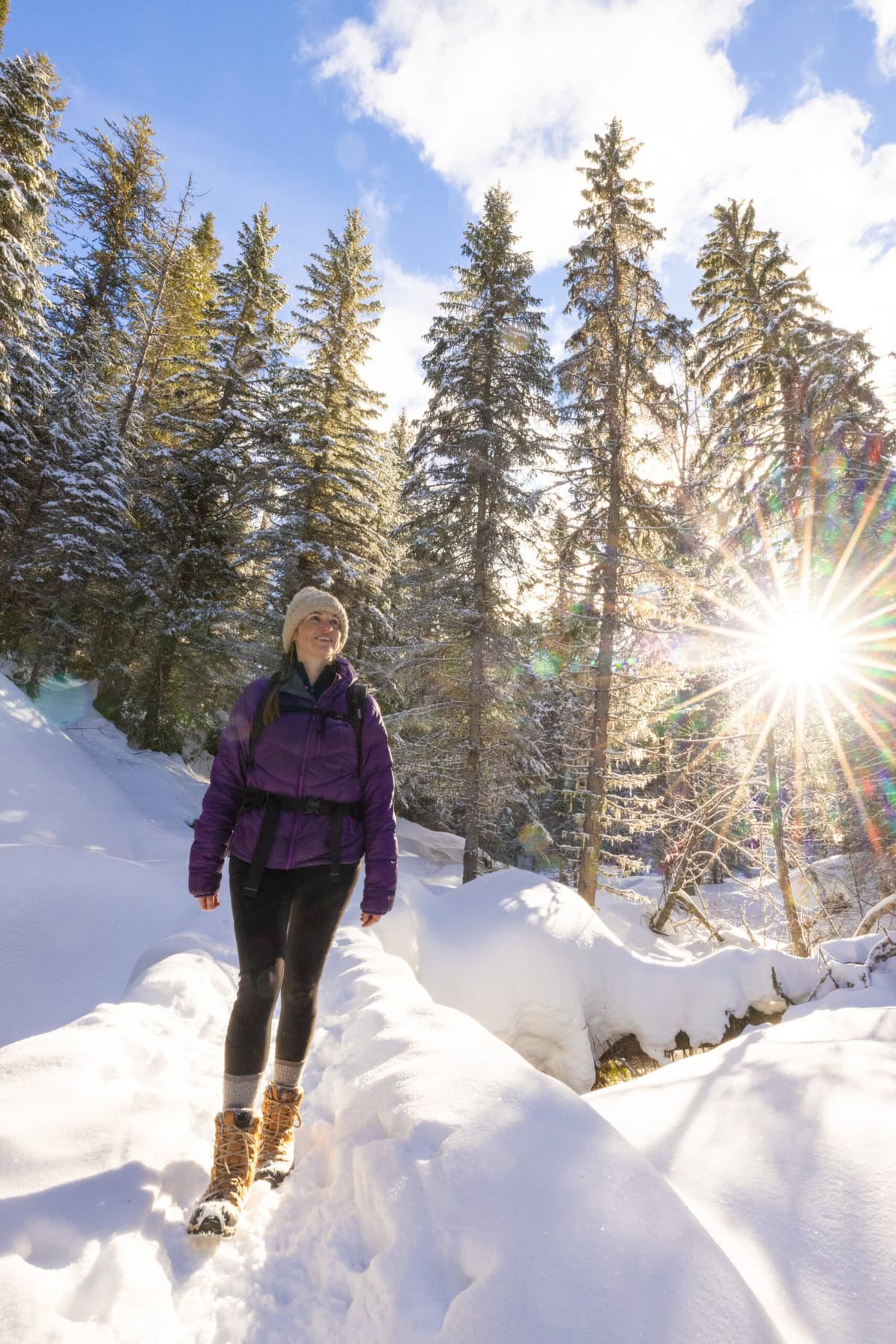
Mastering warm hiking clothes and the layering system transforms winter hiking from a struggle against the elements into an enjoyable exploration of winter's unique beauty. The principles we've covered – moisture management, strategic layering, and proactive temperature regulation – form the foundation of safe and comfortable cold-weather adventures.
Remember that developing your personal layering system takes time and experience. Start with shorter, less committing hikes to test your gear combinations and learn how your body responds to different conditions. Pay attention to what works and what doesn't, and don't hesitate to adjust your approach based on real-world experience.
The investment in quality gear pays dividends in comfort, safety, and enjoyment over many seasons of winter adventures. More importantly, the knowledge and experience you gain make you a safer, more confident winter hiker capable of enjoying some of the most spectacular conditions the mountains offer.
Next Steps for Your Winter Hiking Journey
- Start building your layering system gradually with quality base layers
- Practice layer management on shorter hikes before committing to longer adventures
- Invest in proper winter boots and test them thoroughly
- Consider taking a winter hiking safety course or hiring a guide for your first winter adventures
- Always prioritize safety over summit goals – the mountains will always be there
Winter hiking opens up a completely different world of outdoor experiences – quiet trails, stunning snow-covered landscapes, and the satisfaction of thriving in challenging conditions. With the right warm hiking clothes system and knowledge, you'll discover that winter can be the most rewarding season for mountain adventures.
Stay safe, stay warm, and enjoy the incredible world that winter hiking has to offer. The mountains are waiting, and now you have the knowledge to meet them on their terms. For more hiking gear and outdoor adventure resources, continue exploring Explore National Parks Store for all your outdoor adventure needs.