Bay Circuit Trail Complete Guide: Your Ultimate 230-Mile Massachusetts Adventure
Discover Massachusetts' hidden gem - the Bay Circuit Trail - through this comprehensive guide based on personal hiking experiences. From Plum Island's coastal beauty to Duxbury's charming finale, I'll share everything you need to know about tackling this 230-mile journey around Greater Boston. Whether you're planning day hikes or the full thru-hike adventure, this guide has you covered. Explore National Parks Store
What Makes the Bay Circuit Trail Special
The Bay Circuit Trail represents one of New England's most ambitious and successful conservation projects, creating a 230-mile greenway that forms a magnificent C-shaped arc around Greater Boston. Unlike the crowded peaks of the White Mountains or the well-trodden paths of the Appalachian Trail, the Bay Circuit Trail offers something uniquely different - a quiet journey through Massachusetts' suburban wilderness that connects 37 towns from Plum Island in Newburyport to Kingston Bay near Duxbury.
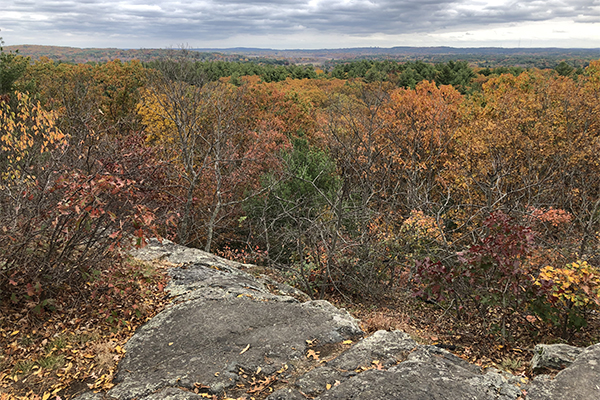
Scenic overlook from Tippling Rock in Sudbury - one of many breathtaking views along the Bay Circuit Trail
What sets this trail apart from other long-distance hiking experiences is its remarkable diversity. During my various expeditions along different sections, I've discovered that the Bay Circuit Trail seamlessly weaves together coastal marshlands, dense forests, historic sites, active cranberry bogs, pristine reservoirs, and charming New England villages. The trail passes through iconic locations like Walden Pond, where Thoreau penned his famous works, and crosses paths with the Minuteman National Historical Park where American history was made.
The Bay Circuit Trail isn't just about the destination - it's about the journey through Massachusetts' living history and natural heritage. Each section tells a different story, from the maritime culture of the North Shore to the agricultural traditions of the MetroWest region. The trail's unique character comes from this incredible variety, offering hikers everything from peaceful wildlife watching opportunities to challenging terrain that tests your endurance. What truly impressed me during my explorations is how well-maintained and thoughtfully designed the trail system is, thanks to the dedicated work of the AllTrails community and local conservation groups who continue to improve and expand this remarkable resource.
My Personal Bay Circuit Trail Experience
My relationship with the Bay Circuit Trail began three years ago when a park ranger at Great Meadows National Wildlife Refuge mentioned this "hidden gem" during a casual conversation about local hiking opportunities. Initially skeptical about finding quality wilderness experiences so close to Boston, I decided to tackle the trail section by section, starting with the Concord area during a crisp October morning.
First Steps and Initial Impressions
My first Bay Circuit Trail adventure took me through the Walden Pond area, where I quickly realized this wasn't just another suburban walking path. The trail led me through dense woodlands where centuries-old oak trees created a natural cathedral, their branches filtering sunlight into dancing patterns on the forest floor. What struck me immediately was the quality of the trail markers - unlike some trails where you're constantly second-guessing your direction, the Bay Circuit Trail features excellent blazing and clear directional signs.
Watch this comprehensive overview of the Bay Circuit Trail's full route
Lessons Learned and Ranger Wisdom
During my exploration of the Ward Reservation section in Andover, I encountered a veteran trail maintainer who shared invaluable insights about hiking the Bay Circuit Trail effectively. He emphasized the importance of proper footwear, explaining how the trail's mixed terrain - from rocky woodland paths to paved road sections - demands versatile gear. His advice about starting early to avoid parking challenges at popular trailheads like Borderland State Park proved absolutely correct during my subsequent visits.
One of my most memorable experiences occurred during a late spring hike through the challenging terrain near Nobscot Hill in Sudbury. After struggling with inadequate footwear on a previous attempt, I had invested in proper Thursday Boots which transformed my hiking experience completely. The difference in comfort and traction was remarkable, especially when navigating the sometimes muddy and root-covered sections that characterize much of the trail.
What continually amazes me about the Bay Circuit Trail is its ability to provide genuine wilderness experiences while remaining accessible to day hikers from the Greater Boston area. During a summer morning hike through Bradley Palmer State Park, I spotted a family of deer grazing peacefully just yards from the trail, seemingly unbothered by my presence. These encounters with local wildlife - including numerous bird species, the occasional fox, and even a black bear sighting reported by fellow hikers - remind me why this trail system is so special for nature enthusiasts seeking authentic outdoor experiences without traveling to remote mountains.
Planning Your Bay Circuit Trail Adventure
Successful Bay Circuit Trail adventures require thoughtful planning, whether you're attempting day hikes or considering the full 230-mile journey. Based on my extensive experience exploring various sections, I've developed a systematic approach that maximizes both safety and enjoyment while minimizing common pitfalls that can derail hiking plans.
Route Selection and Difficulty Assessment
The Bay Circuit Trail offers incredible flexibility for hikers of all experience levels. Beginners should start with easier sections like the Sudbury Reservoir area in Southborough, which provides 5.1 miles of relatively flat terrain with stunning water views. More experienced hikers can tackle challenging sections like Ward Reservation in Andover, where Holt Hill offers Essex County's highest elevation and demanding rocky terrain that will test your endurance.
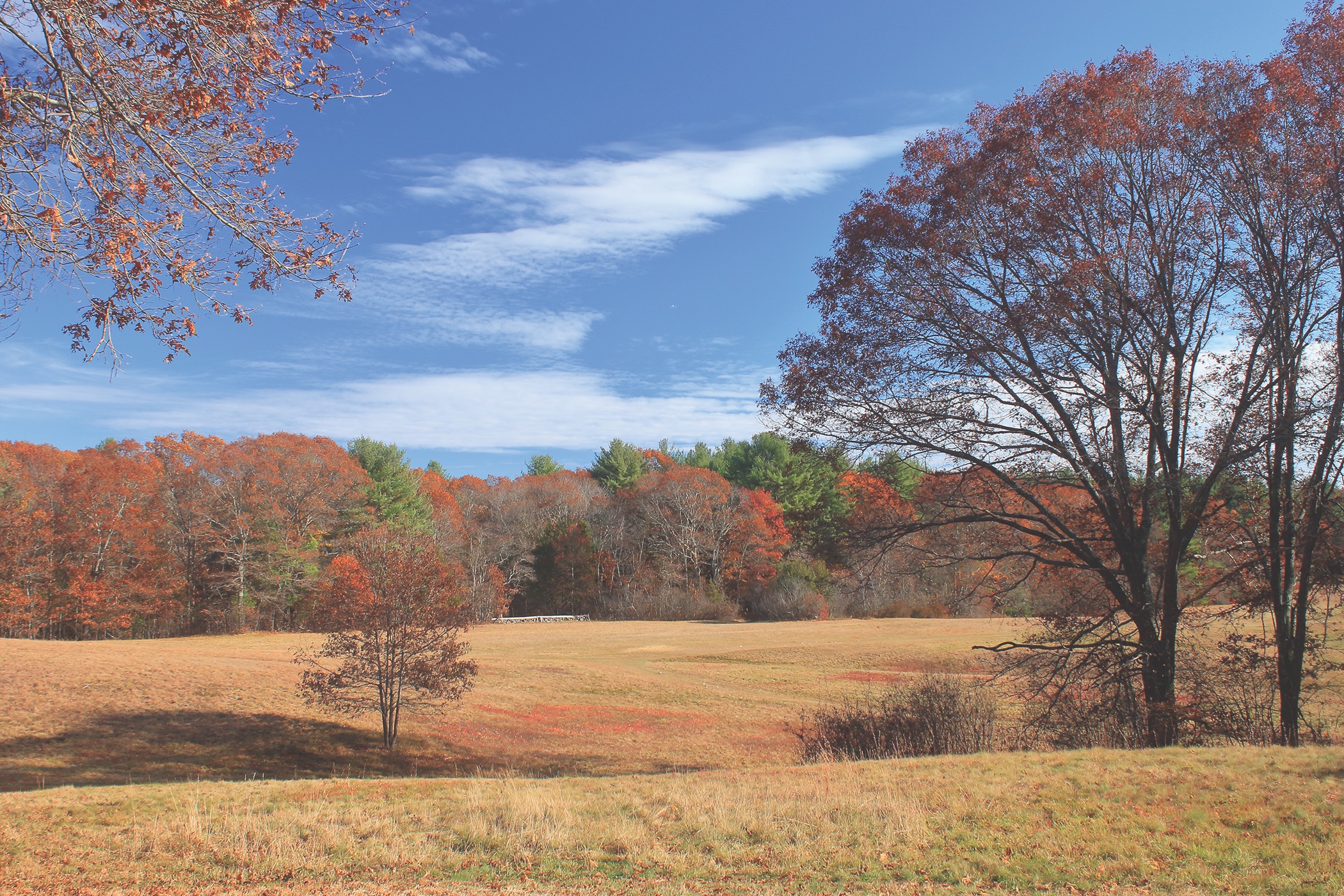
Bradley Palmer State Park offers some of the most scenic and well-maintained sections of the Bay Circuit Trail
During my planning process, I always consult both the official AMC Bay Circuit Trail Map and the interactive online map at baycircuit.org to identify recent route changes and current conditions. The trail has undergone several improvements since 2015, including new connector sections and rerouted segments that aren't reflected in older printed materials. I learned this lesson the hard way during an early hike when I followed outdated directions and spent an extra hour navigating unmarked roads near Ashland.
Transportation and Logistics
One of the biggest challenges in hiking the Bay Circuit Trail is managing transportation logistics, particularly for point-to-point sections. I've found that the most practical approach involves strategic parking combined with bicycle shuttles for longer segments. Many sections are designed with multiple access points every 3-4 miles, making it possible to plan reasonable day hikes without requiring two vehicles.
Parking can be particularly challenging at popular trailheads during peak seasons. Walden Pond State Reservation fills up completely by mid-morning on summer weekends, while locations like Great Meadows National Wildlife Refuge offer more reliable parking but limited spaces. I always arrive at popular trailheads before 8 AM during peak season, and I've learned to have backup parking locations identified in case primary lots are full. The Famous Footwear near some trailheads can sometimes provide additional parking options with proper permission.
Essential Gear and Equipment
Proper gear selection can make or break your Bay Circuit Trail experience. Through trial and error across different seasons and terrain types, I've refined my equipment list to include only the essentials that truly enhance safety and comfort during these varied hiking adventures.
Footwear: The Foundation of Success
The Bay Circuit Trail's diverse terrain demands versatile footwear that performs well on both woodland paths and paved road sections. After experimenting with various options, I've found that trail running shoes or lightweight hiking boots provide the best combination of comfort, traction, and durability for most conditions. Heavy mountaineering boots are overkill and will cause unnecessary fatigue during the frequent road-walking segments.
Top Footwear Recommendations
Backpacks and Hydration Systems
Day hiking the Bay Circuit Trail requires a different approach to pack selection compared to mountain hiking. Since water sources are limited along many sections, adequate hydration capacity is crucial. I recommend carrying at least one liter of water for every 3-4 miles of planned hiking, plus extra for unexpected delays or detours.
Recommended Day Packs
40L Packable Lightweight Camping Backpack
⭐⭐⭐⭐⭐ (4.4/5 from 635 reviews) - Amazon's Choice
$20.63
Hikelite 26L Unisex Hiking Backpack
⭐⭐⭐⭐⭐ (4.6/5 from 306 reviews)
$115.00
Hydration Solutions
National Parks Water Bottle 32oz
⭐⭐⭐⭐⭐ (4.7/5 from 510 reviews) - Amazon's Choice
$29.95
Perfect for Bay Circuit Trail adventures with stickers to commemorate your journey through Massachusetts' diverse landscapes.
Navigation and Safety Equipment
While the Bay Circuit Trail is generally well-marked, having reliable navigation backup is essential, especially in areas where trail blazing may be faded or missing. I always carry both the printed AMC trail map and use smartphone apps as backup navigation. Cell coverage is available along most sections, making GPS apps reliable for route confirmation.
Safety equipment should include basic first aid supplies, emergency whistle, and adequate clothing layers for changing weather conditions. The Clark shoes alternative might work for easier sections, but I strongly recommend dedicated hiking footwear for the more challenging terrain found throughout the trail system. Weather can change rapidly, especially during spring and fall seasons, so carrying rain protection and extra insulation layers is always prudent for longer hiking adventures.
Best Sections and Highlights
The Bay Circuit Trail offers distinct experiences across its 230-mile length, with certain sections standing out for their exceptional beauty, historical significance, or unique natural features. Through my extensive exploration, I've identified the must-visit segments that showcase the trail's incredible diversity and provide the most rewarding experiences for both novice and experienced hikers.
Northern Highlights: Coastal Beauty and Wildlife
The northernmost sections of the Bay Circuit Trail provide some of the most spectacular coastal and wetland experiences in Massachusetts. Parker River National Wildlife Refuge on Plum Island offers world-class birding opportunities with over 270 recorded species. During my early morning visits in May and September, I've witnessed incredible migration events that rival any wildlife viewing experience in New England.
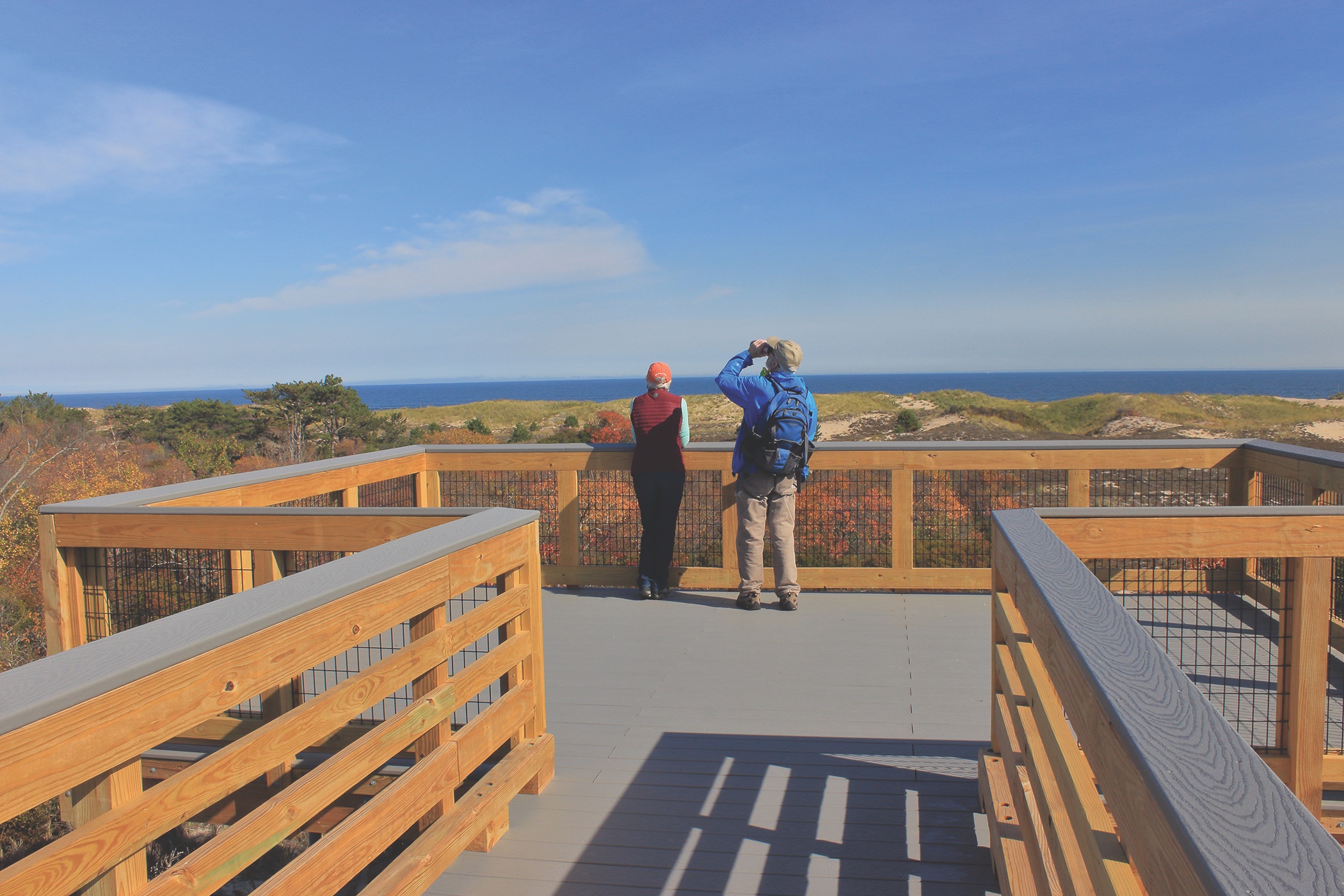
Parker River National Wildlife Refuge offers exceptional birding and coastal scenery
Bradley Palmer State Park in Hamilton provides an excellent introduction to the Bay Circuit Trail's woodland character. The extensive trail network features over 75 numbered junctions, making it perfect for customizing hikes based on available time and energy levels. The carriage roads are particularly beautiful during fall foliage season, when the mixed hardwood forests create a stunning canopy of reds, oranges, and yellows.
Central Massachusetts Gems: History and Natural Beauty
The central sections around Concord and Lincoln offer the perfect blend of American history and natural beauty. The trail passes directly through Minuteman National Historical Park, where you can walk in the footsteps of colonial minutemen while enjoying well-maintained paths through diverse habitats. Walden Pond State Reservation provides a pilgrimage opportunity for literature enthusiasts and nature lovers alike, though early arrival is essential to secure parking during busy periods.
Ward Reservation in Andover deserves special recognition for its challenging terrain and spectacular summit views from Holt Hill. At 420 feet, it's the highest point in Essex County and offers panoramic views extending to Mount Monadnock in New Hampshire on clear days. The diverse ecosystems include rare bog plants and northern tree species typically found much further north, making it a fascinating destination for botanically-minded hikers. The Brunt boots or similar sturdy footwear prove invaluable on the rocky sections leading to the summit.
Southern Treasures: Lakes, Forests, and Conservation Areas
The southern third of the Bay Circuit Trail showcases Massachusetts' impressive conservation efforts and provides some of the most peaceful hiking experiences available. Borderland State Park in North Easton offers 1,843 acres of diverse terrain including six ponds, flat meadows, and challenging rocky hills that cater to hikers of all abilities and preferences.
Moose Hill Wildlife Sanctuary in Sharon represents one of the Massachusetts Audubon Society's flagship properties and provides excellent opportunities for wildlife observation throughout the year. The Jordan's shoes might be stylish, but they're no match for the muddy conditions often encountered in this beautiful wetland environment - proper hiking footwear is essential for comfortable exploration of this diverse habitat.
User Reviews Summary
"Sarah_Hiker_MA (Reddit): The Ward Reservation section is absolutely stunning, especially in fall. The bog area has plants I've never seen before in Massachusetts. Definitely worth the climb to Holt Hill!"
"TrailRunner_Boston (Amazon Review): Perfect trail for long training runs. The variety keeps it interesting - from coastal marsh to rocky hills. Just watch out for ticks during summer months."
"FamilyHiker2021 (AllTrails): Great family-friendly options, especially around Sudbury Reservoir. Kids loved spotting wildlife and the educational signs along the way. Parking fills up fast on weekends!"
Seasonal Considerations and Tips
The Bay Circuit Trail transforms dramatically with the changing seasons, offering unique experiences and challenges throughout the year. Understanding these seasonal variations is crucial for planning safe and enjoyable adventures, as each season brings distinct advantages and potential hazards that can significantly impact your hiking experience.
Spring Awakening: Mud Season and Wildlife Activity
Spring on the Bay Circuit Trail brings renewed life to the forests and wetlands, but also presents specific challenges that require careful planning. March through May typically features muddy conditions, especially in low-lying areas and around water sources. During my spring hikes through Great Meadows National Wildlife Refuge, I've learned that waterproof footwear is absolutely essential - even sections that appear dry can hide surprisingly deep mud patches.
The wildlife activity during spring is exceptional, making it my favorite season for photography and nature observation. Migrating birds return in waves throughout April and May, while resident species begin their breeding displays. However, tick activity also increases dramatically during this period, particularly in May and June. I always treat clothing with permethrin and perform thorough tick checks after every spring hike. The Tecova boots and similar footwear choices work well, but dedicated hiking boots with ankle protection provide better defense against both mud and tick encounters.
Summer Adventures: Early Starts and Heat Management
Summer hiking on the Bay Circuit Trail requires strategic timing and careful heat management. The combination of high temperatures, humidity, and limited shade on road-walking sections can create challenging conditions, especially during July and August heat waves. I've learned to start my summer hikes before 7 AM to take advantage of cooler temperatures and avoid the peak heat of midday.
Hydration becomes critical during summer months, and I typically carry 50% more water than during cooler seasons. The insulated water bottles I mentioned earlier prove invaluable for keeping drinks cool during longer summer adventures. Bug pressure peaks in late June through early August, making insect repellent and protective clothing essential gear. Despite these challenges, summer offers the longest daylight hours and the most reliable trail conditions, making it ideal for attempting longer sections or multi-day adventures.
Autumn Glory: Peak Colors and Comfortable Hiking
Fall represents the absolute peak season for Bay Circuit Trail hiking, combining comfortable temperatures with spectacular foliage displays that rival any mountain destination. Late September through mid-October typically provides the best color combinations, though timing varies by elevation and tree species composition in different sections.
However, fall's popularity creates significant challenges, particularly with parking at scenic locations like Walden Pond and popular overlooks. Weekend parking lots often fill before 9 AM during peak foliage periods. I've learned to have multiple backup plans and alternative starting points ready when primary locations are overcrowded. The Tecovas boots and similar quality footwear provide excellent traction on increasingly slippery leaves and early morning frost conditions common during October hiking.
Winter Challenges: Snow, Ice, and Limited Accessibility
Winter hiking on the Bay Circuit Trail presents unique challenges but also offers opportunities for solitude and beautiful snow-covered landscapes. Many parking areas receive limited or no winter maintenance, requiring longer approaches to trail access points. The frequent transitions between forested trail sections and exposed road walks create constantly changing traction conditions that can be frustrating and potentially dangerous.
Microspikes or yaktrax become essential gear for winter hiking, as icy conditions are common on both trails and road sections. I've found that the mixed terrain makes it impractical to use snowshoes for most sections, though they can be useful in deeper snow areas. Winter wildlife tracking opportunities are excellent, and the reduced vegetation makes it easier to spot birds and observe forest structure during the dormant season.
Pros and Cons by Season
Spring Pros:
- Exceptional wildlife activity
- Comfortable temperatures
- Spring wildflowers
- Fewer crowds
Spring Cons:
- Muddy conditions
- Increased tick activity
- Unpredictable weather
Fall Pros:
- Spectacular foliage
- Perfect hiking weather
- Reduced bugs
- Clear views
Fall Cons:
- Heavy crowds
- Parking challenges
- Slippery leaves
Frequently Asked Questions
How long is the Bay Circuit Trail?
The Bay Circuit Trail stretches approximately 230 miles from Plum Island in Newburyport to Kingston Bay in Duxbury, forming a C-shaped arc around Greater Boston. The trail connects 37 towns and passes through diverse landscapes including state parks, wildlife sanctuaries, and conservation areas. While the official length is listed as 230 miles, the actual hiking distance can vary depending on route choices at sections where multiple paths are available. The trail includes both woodland paths and road walking segments, with roughly 60-70% consisting of natural trail surfaces and 30-40% involving road walking through suburban areas.
What's the best footwear for the Bay Circuit Trail?
Trail running shoes or lightweight hiking boots work best for most Bay Circuit Trail sections due to the varied terrain that includes both woodland paths and paved road walks. The mixed surface conditions make versatile footwear essential - heavy mountaineering boots are unnecessary and will cause fatigue during the frequent road-walking segments. Look for shoes with good traction, ankle support, and comfort for extended walking on varied terrain. Waterproof options are valuable during spring mud season and wet weather conditions. I recommend avoiding casual sneakers or dress shoes, as the rocky and root-covered sections require proper hiking footwear for safety and comfort.
Can you hike the entire Bay Circuit Trail in one trip?
While technically possible, most hikers tackle the Bay Circuit Trail in sections over multiple days or weekends rather than attempting the full 230-mile journey continuously. Only experienced ultrarunners attempt the complete thru-hike, with the current fastest known time (FKT) standing at just over two days. The trail's design favors section hiking, with numerous access points every 3-4 miles making it practical for day hikers and weekend adventurers. Limited camping options along the route make multi-day hiking challenging, though a few established campsites exist at Harold Parker State Forest and other locations. Most hikers find the section-by-section approach more enjoyable and practical for experiencing the trail's diverse offerings.
Are dogs allowed on the Bay Circuit Trail?
Dog policies vary significantly along the Bay Circuit Trail depending on the specific property and managing agency. Many sections welcome leashed dogs, but important restrictions apply in certain areas. Massachusetts Audubon wildlife sanctuaries, including Moose Hill and Broadmoor, prohibit dogs entirely to protect sensitive wildlife habitats. Water supply protection areas, such as the Sudbury Reservoir section, also prohibit dogs due to drinking water quality concerns. State parks like Bradley Palmer and Borderland generally allow leashed dogs, but specific rules may vary. Always check local regulations for each section before hiking with pets, and carry waste bags to clean up after your dog on permitted sections.
What's the best time of year to hike the Bay Circuit Trail?
The Bay Circuit Trail offers excellent hiking opportunities year-round, with each season providing unique advantages and challenges. Fall (late September through mid-October) is considered peak season due to spectacular foliage displays and comfortable temperatures, though popularity creates parking and crowding issues. Spring offers exceptional wildlife viewing and comfortable hiking conditions but features muddy trails and increased tick activity. Summer provides the longest daylight hours and most reliable trail conditions but requires early starts to avoid heat and humidity. Winter hiking is possible but challenging due to mixed trail and road conditions, limited parking lot maintenance, and the need for traction devices. For first-time visitors, I recommend fall or late spring for the best overall experience.
Conclusion
The Bay Circuit Trail represents one of Massachusetts' greatest conservation achievements and offers hiking experiences that rival any destination in New England. Through my extensive exploration of this remarkable 230-mile greenway, I've discovered that the trail's true magic lies not in dramatic mountain vistas or iconic landmarks, but in its ability to provide genuine wilderness experiences within reach of millions of urban and suburban residents.
What makes the Bay Circuit Trail truly special is its incredible diversity - from the coastal marshes of Parker River National Wildlife Refuge to the historic woodlands of Concord, from the challenging rocky terrain of Ward Reservation to the peaceful shores of Sudbury Reservoir. Each section tells a different story about Massachusetts' natural and cultural heritage, creating opportunities for discovery that extend far beyond simple physical exercise.
Ready to Start Your Bay Circuit Trail Adventure?
Join thousands of hikers who've discovered Massachusetts' hidden gem
Get Your Hiking Gear Buy Trail MapThe lessons I've learned during my Bay Circuit Trail adventures extend beyond hiking technique and gear selection. This trail system demonstrates how thoughtful conservation efforts, community involvement, and long-term planning can create lasting recreational resources that serve multiple generations. The dedicated volunteers and organizations who maintain and improve the trail deserve recognition and support from everyone who benefits from their efforts.
Whether you're planning your first Bay Circuit Trail adventure or looking to explore new sections, remember that preparation and proper gear selection make the difference between an enjoyable experience and a challenging ordeal. The quality footwear recommendations and equipment suggestions I've shared come from real-world testing across all seasons and terrain types found throughout this diverse trail system.
As you embark on your own Bay Circuit Trail journey, take time to appreciate not just the natural beauty and wildlife encounters, but also the remarkable achievement represented by this 230-mile greenway. In an era of increasing development pressure and habitat fragmentation, the Bay Circuit Trail stands as proof that ambitious conservation visions can become reality through persistent effort and community cooperation. Each step along these protected corridors connects you to a legacy of environmental stewardship that will benefit future generations of outdoor enthusiasts and nature lovers.
The Bay Circuit Trail awaits your discovery, offering adventures limited only by your imagination and available time. From single-day explorations to multi-week section hiking projects, this remarkable trail system provides opportunities for outdoor experiences that will create lasting memories and deepen your connection to Massachusetts' diverse natural landscapes. Start planning your adventure today, and prepare to be surprised by the wilderness experiences waiting just outside Boston's urban boundaries.