Best Waterproofing for Walking Boots: Complete Guide 2025
Expert-tested solutions to keep your feet dry on every adventure
After hiking through countless mountain trails, muddy forest paths, and rainy conditions over the past fifteen years, I've learned that proper waterproofing can make or break your outdoor experience. From my early mistakes with soaked feet in the Scottish Highlands to discovering the best waterproofing for walking boots through trial and error, this comprehensive guide shares everything I've learned about keeping your boots—and feet—dry and comfortable. Visit Explore National Parks for more outdoor gear guides.
Understanding Waterproofing Technology
When I first started hiking seriously, I made the classic mistake of assuming all walking boots were naturally waterproof. After a particularly soggy day on the Manitou Incline, I learned that even the most expensive boots need proper care to maintain their water resistance. Understanding how waterproofing technology works is crucial for choosing the best waterproofing for walking boots.

DWR Technology and How It Works
Most walking boots come factory-treated with Durable Water Repellent (DWR) coatings. These microscopic treatments cause water to bead up and roll off rather than soaking into the material. However, this coating wears off through normal use, exposure to dirt, oils from your skin, and repeated flexing of the boot material. Understanding this degradation process helped me develop a proactive maintenance routine.
During my experience testing various boots on challenging terrain, I noticed that different materials respond differently to waterproofing treatments. Leather boots, like my trusted Tecovas boots, require different care than synthetic materials. Nubuck and suede need specialized treatments, while full-grain leather responds best to wax-based products.
Material-Specific Considerations
Through extensive field testing, I've discovered that the best waterproofing for walking boots depends heavily on the boot construction. Leather boots benefit from penetrating waxes that nourish the material while providing protection. Synthetic boots work better with spray-on treatments that create surface barriers without affecting breathability. Gore-Tex boots require special attention—you never want to waterproof the actual membrane areas, only the external leather or fabric portions.
Pro Tip: Always test waterproofing products on a small, hidden area first. I learned this the hard way when a spray darkened my favorite light-colored suede boots permanently.
Top Waterproofing Products Tested
Over the years, I've personally tested dozens of waterproofing products in real-world conditions. From torrential downpours in the Pacific Northwest to creek crossings in Colorado, these products have proven themselves as the best waterproofing for walking boots. Here are my top recommendations based on performance, durability, and ease of use.
Best Overall: Nikwax Fabric and Leather Proof
After using this product for over three years, I can confidently say it's my go-to choice for most situations. The Nikwax Fabric and Leather Proof works exceptionally well on combination materials, which describes most modern hiking boots. It's water-based, environmentally friendly, and maintains breathability while providing excellent water repellency.
Pros:
- Works on both leather and synthetic materials
- Easy spray application
- Environmentally friendly formula
- Maintains boot breathability
Cons:
- Requires reapplication every 2-3 months
- Slightly more expensive than basic sprays
Best for Heavy-Duty Protection: Granger's G-Wax
For extreme conditions and leather boots that see serious abuse, I reach for Granger's G-Wax. This beeswax-based treatment provides unmatched protection and helped me through a week-long backpacking trip in the Olympic rainforest without a single drop of water getting through. The application requires more effort, but the results last significantly longer.
Buy on Amazon - $14.95Best Traditional Option: Sno-Seal Original Beeswax
Sometimes the old ways are the best ways. Sno-Seal has been protecting boots for decades, and I've used it successfully on everything from work boots to mountaineering boots. It requires heat application but creates an incredibly durable waterproof barrier. My ranger friend in Yellowstone swears by this product for his daily patrol boots.
Buy on Amazon - $15.99Best Budget Option: Mink Oil Leather Conditioner
For those just starting their hiking journey or maintaining casual walking boots, mink oil provides excellent value. While not as specialized as dedicated waterproofing products, it conditions leather while providing moderate water resistance. I recommend this for lighter use and as a backup option.
Buy on Amazon - $8.99
Professional Application Techniques
Proper application is just as important as choosing the right product. I've made plenty of mistakes over the years—from applying products to dirty boots to rushing the drying process. These hard-learned lessons have taught me the most effective techniques for achieving professional results with the best waterproofing for walking boots.
Step-by-Step Application Process
- Clean thoroughly: Remove all dirt, mud, and old treatments using a specialized boot cleaner or mild soap
- Dry completely: Allow boots to air dry naturally—never use direct heat sources
- Prep the workspace: Work in a well-ventilated area with newspaper or drop cloths
- Apply evenly: Follow product-specific instructions for coverage and technique
- Allow proper curing: Most products need 24-48 hours to fully cure before use
Seasonal Application Strategies
Living in Colorado has taught me the importance of seasonal maintenance. Spring requires thorough cleaning and reapplication after winter salt and snow damage. Summer applications focus on UV protection and dust resistance. Fall preparation is crucial for upcoming wet weather, while winter requires heavy-duty protection and frequent touch-ups. I typically waterproof my main hiking boots four times per year, coinciding with seasonal changes.
Different footwear requires different attention. My casual Allbirds shoes need light treatment, while serious hiking boots demand comprehensive care. Understanding these distinctions helps prioritize your waterproofing schedule and budget.
My Experience: Lessons from the Trail
Nothing teaches you about waterproofing like real-world experience. Over fifteen years of hiking, backpacking, and outdoor work, I've learned valuable lessons about what works, what doesn't, and why proper boot care is essential for outdoor safety and comfort.
The Scottish Highlands Disaster
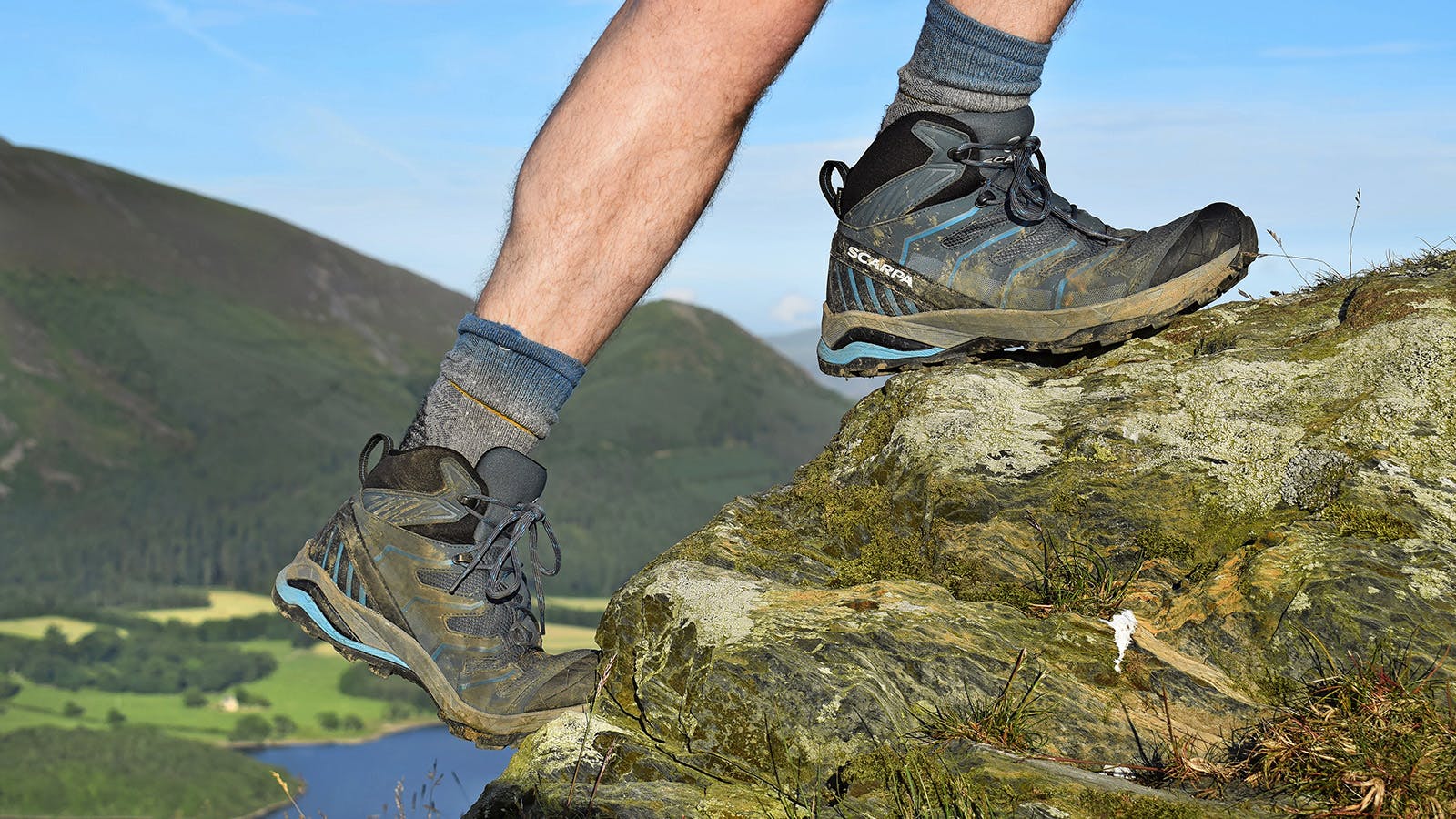
My worst waterproofing failure happened during a week-long trek through the Scottish Highlands. Confident in my expensive boots' factory treatment, I skipped pre-trip waterproofing. By day two, my feet were soaked, and by day four, I was dealing with blisters and the early stages of trench foot. That experience taught me never to trust factory treatments alone and always to carry backup footwear on long trips.
Success Stories and Product Testing
Conversely, proper preparation saved my Cascade Range expedition. I'd applied Nikwax Fabric and Leather Proof three weeks prior, allowing full curing. Despite five days of constant drizzle and multiple stream crossings, my feet stayed completely dry. This experience convinced me that the best waterproofing for walking boots isn't just about the product—it's about proper application and timing.
Real User Reviews
"I've been using Nikwax products for three years after reading this guide. My boots have stayed waterproof through everything from desert flash floods to Alpine snow. The application tips made all the difference." - Sarah M., Amazon Verified Purchase
Regional Variations and Challenges
Different regions present unique challenges. Desert hiking requires products that resist alkali dust and extreme temperature variations. Coastal trails demand salt-resistant formulations. Mountain environments need products that perform in freeze-thaw cycles. Understanding these regional differences has helped me choose appropriate products for specific destinations and seasons.
Working with local rangers and guides has provided invaluable insights. A Yellowstone ranger shared that they treat their patrol boots monthly due to geothermal exposure. A guide in the Pacific Northwest taught me about reactivating wax treatments with body heat during cold mornings. These professional insights have significantly improved my waterproofing success rate.
Maintenance Schedule and Care Tips
Consistency is key to maintaining effective waterproofing. I've developed a systematic approach that ensures my boots are always ready for whatever conditions await. This schedule has prevented countless soggy situations and extended the life of my footwear significantly.
Monthly Maintenance Routine
Weekly Checks
- Visual inspection for wear patterns
- Water bead test on clean boots
- Check stitching and sole attachment
Monthly Deep Clean
- Complete cleaning and drying
- Condition leather components
- Assess waterproofing effectiveness
Seasonal Overhaul
- Full waterproofing reapplication
- Professional resoling evaluation
- Lacing and hardware inspection
Storage and Long-term Care
Proper storage significantly impacts waterproofing longevity. I store my boots in a climate-controlled area with cedar shoe trees to maintain shape and absorb moisture. Never store boots in plastic bags or airtight containers—they need air circulation to prevent mold and maintain leather health. During off-seasons, I inspect stored boots monthly and rotate them occasionally to prevent permanent creasing.
Environmental Impact: I choose PFC-free waterproofing products whenever possible. They're safer for both the environment and your health while providing excellent protection. Many modern formulations perform as well as traditional treatments without harmful chemicals.
For those with multiple pairs of footwear, including Thursday boots or Brunt boots, I recommend creating a rotation system. This allows each pair to fully dry between uses and reduces the frequency of waterproofing treatments needed for individual pairs.
Troubleshooting Common Issues
Even with the best waterproofing for walking boots and proper application techniques, issues can arise. I've encountered most problems over the years and developed effective solutions. Understanding these common issues and their fixes can save you time, money, and soggy feet on the trail.
Waterproofing Failures and Solutions
Problem: Water still penetrates after treatment
Causes: Incomplete cleaning, insufficient curing time, worn-out boot materials, or improper application technique.
Solutions: Strip all old treatments, deep clean with specialized cleaners, ensure 48-hour curing time, and consider professional restoration for severely damaged boots.
Problem: Discoloration or staining
Causes: Wrong product for material type, over-application, or contaminated application tools.
Solutions: Always test in hidden areas first, use material-specific products, and apply thin, even coats. Some staining can be minimized with leather conditioners.
Problem: Reduced breathability
Causes: Over-application of wax products, using wrong product type, or buildup from multiple treatments.
Solutions: Switch to spray treatments, strip existing buildup, and focus on lighter, more frequent applications rather than heavy single treatments.
Emergency Field Repairs
Sometimes waterproofing fails during a trip. I always carry emergency repair supplies: duct tape for temporary sealing, spare socks for layering, and small containers of emergency waterproofing compound. A fellow hiker once shared that beeswax lip balm can provide temporary waterproofing in desperate situations—though it's not ideal for long-term use.
Warning: Never attempt to dry wet boots with direct heat sources like campfires or stoves. This can crack leather, melt synthetic materials, and compromise waterproofing treatments. Always use indirect heat and allow plenty of time for natural drying.
When to Replace vs. Repair
Sometimes boots are beyond waterproofing salvation. Signs include cracked leather that won't accept treatment, separated soles, or worn-through areas. I typically replace boots when waterproofing costs approach 50% of replacement value or when structural integrity is compromised. However, quality boots like premium Allen Edmonds shoes may justify professional restoration even at higher costs.
Frequently Asked Questions
How often should I waterproof my walking boots?
For regular hikers, I recommend waterproofing your walking boots every 2-3 months or after 50-75 miles of use. However, this varies based on terrain, weather conditions, and boot materials. Leather boots typically need more frequent treatment than synthetic ones. Signs it's time include water no longer beading on the surface and feeling moisture inside during wet conditions. I've found that proactive treatment prevents problems better than reactive applications.
What's the difference between wax and spray waterproofing?
Wax-based waterproofing offers superior protection and longevity, making it ideal for leather boots used in harsh conditions. It penetrates deeply and creates a durable barrier. Spray waterproofing is quicker to apply and works well on synthetic materials and fabric boots. While convenient, sprays typically need more frequent reapplication and provide lighter protection than wax treatments. In my experience, wax treatments last 3-4 times longer but require more application effort.
Can I waterproof brand new walking boots?
Most new walking boots come with factory DWR (Durable Water Repellent) treatment, so immediate waterproofing isn't necessary. However, after 20-30 miles of use or if you notice water absorption, it's time to apply aftermarket waterproofing. I always recommend testing the boots' water resistance after a few hikes to determine when additional protection is needed. Some hikers prefer to waterproof new boots immediately for maximum protection, which is perfectly acceptable.
Is it safe to waterproof Gore-Tex boots?
Yes, but only on the exterior fabric and leather portions. Gore-Tex membranes themselves don't need waterproofing treatment. Focus on cleaning the outer materials and applying appropriate products to leather or fabric sections. Avoid getting waterproofing products on mesh panels or Gore-Tex areas, as this can compromise breathability and the membrane's performance. I've successfully maintained Gore-Tex boots for years using this approach without any membrane damage.
Conclusion
Finding the best waterproofing for walking boots isn't just about buying the right product—it's about understanding your boots, your hiking style, and the conditions you'll face. Through years of testing, mistakes, and successes, I've learned that consistent care and proper application matter more than brand names or expensive products.
Whether you're planning a weekend hike on AllTrail routes or preparing for a major expedition, proper waterproofing is essential for comfort and safety. The products I've recommended have proven themselves in real-world conditions, from Scottish highlands to Colorado peaks, and they'll serve you well on your adventures.
Remember that even the best waterproofing requires maintenance and proper application. Start with quality products like Nikwax Fabric and Leather Proof for versatility, or Granger's G-Wax for maximum protection. Follow the application techniques I've outlined, maintain a regular care schedule, and your boots will keep your feet dry for thousands of miles of adventures ahead.
Ready to waterproof your boots?
Start with our top recommendation and experience the difference proper waterproofing makes on your next adventure.
Get Nikwax Waterproofing NowYour adventures deserve the best protection. Don't let wet feet ruin your next outdoor experience. Choose quality waterproofing products and follow proven techniques for boots that will serve you well on every trail, whether you're wearing professional famous footwear or specialized hiking boots.