The Ultimate Bootjack Guide: Everything You Need to Know About Boot Removal Tools in 2025
After years of struggling with tight cowboy boots and work boots, I discovered the game-changing world of bootjacks. These simple yet ingenious tools have transformed my daily routine, saving my back and preserving my expensive boots. Whether you're a ranch hand, outdoor enthusiast, or simply someone who values convenience, understanding bootjacks will revolutionize how you remove your footwear. Explore more outdoor gear guides to enhance your adventures.
The Fascinating History of Bootjacks

The bootjack has a surprisingly rich history that dates back to the early 1800s, emerging from the practical needs of cowboys, soldiers, and working people who wore tight-fitting boots daily. According to historical records, the first documented use of the term "bootjack" appeared in 1835-45, combining the words "boot" and "jack" - where "jack" referred to a helpful device or tool, much like a car jack helps lift vehicles.
During the American frontier period, cowboys needed a reliable way to remove their high-quality boots without damaging the expensive leather or struggling with tight fits. The bootjack became an essential piece of equipment in every bunkhouse, ranch, and homestead across the American West.
Interestingly, the Smithsonian's National Museum of American History houses a cast iron bootjack shaped like a cricket that belonged to President William McKinley, used during his 1896 campaign. This decorative piece was a clever nod to the "gold bug" - the nickname for Republicans who supported the gold standard during that era.
The ingenious design has remained virtually unchanged for over 150 years, testament to its perfect functionality. Early bootjacks were often crafted from local hardwoods like oak, maple, or hickory, with the characteristic U-shaped mouth designed to grip boot heels securely. Some regions developed unique variations - for instance, in Florida, people discovered that the base of cabbage palm leaves naturally formed a bootjack shape, leading to those leaf bases being called "bootjacks" even today.
💡 Historical Fact: Civil War soldiers often improvised bootjacks using rifle butts or convenient furniture pieces, but proper bootjacks became standard military issue by the late 1800s.
Types of Bootjacks: Wood vs Metal vs Modern Materials
Understanding the different types of bootjacks available today is crucial for making an informed purchase decision. Each material offers distinct advantages and caters to specific needs and preferences. Let me break down the main categories based on my extensive research and hands-on experience with various models.
Traditional Wooden Bootjacks

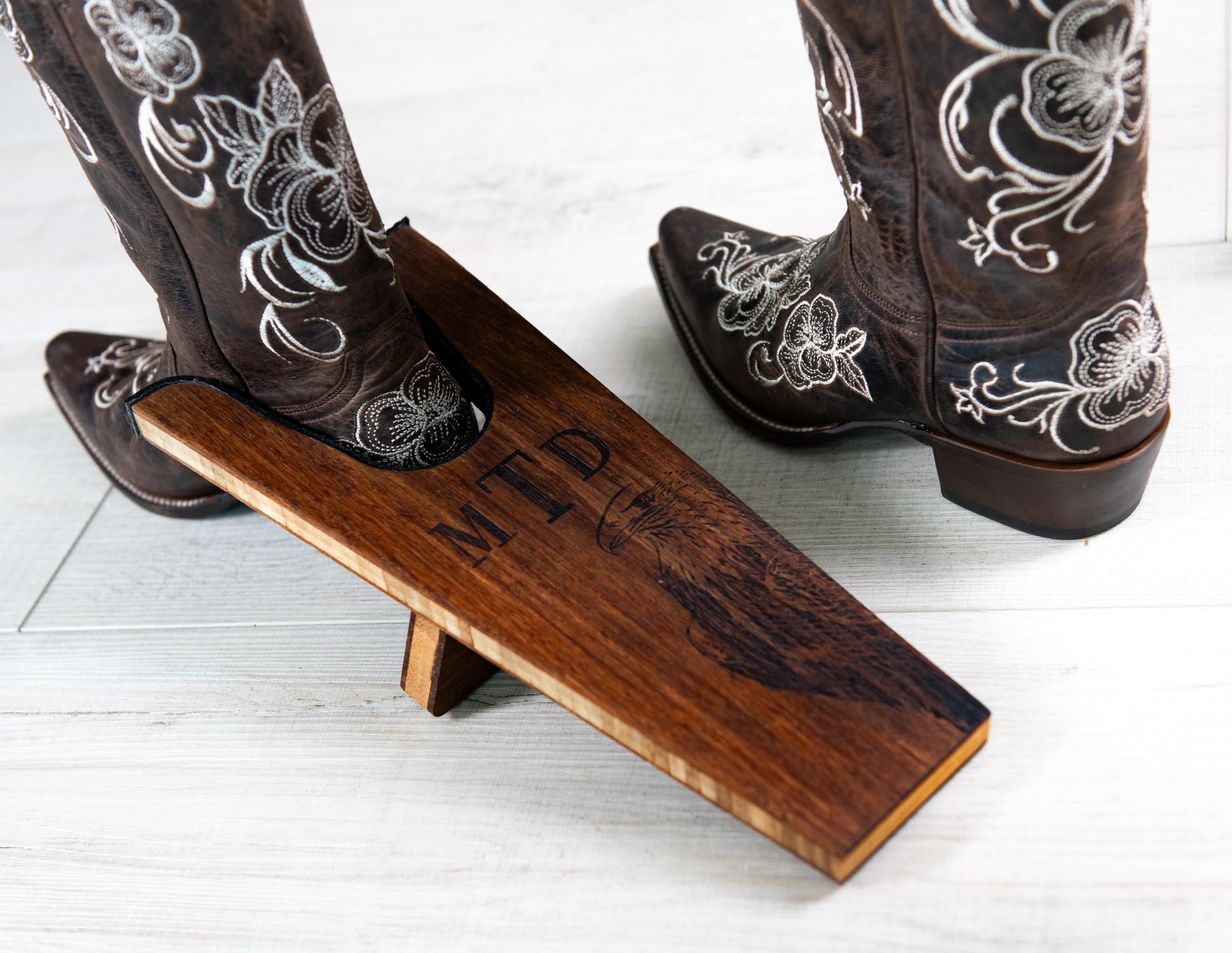
Wooden bootjacks represent the traditional choice and remain the most popular option among boot enthusiasts. Typically crafted from hardwoods like beech, oak, or maple, these bootjacks offer several compelling advantages. The natural material is gentle on expensive leather boots, reducing the risk of scratches or gouges that can occur with harder materials.
Most quality wooden bootjacks feature padded edges lined with suede or soft leather, providing additional protection for your premium boots. The weight of solid wood provides excellent stability during use, and the warm, natural aesthetic fits well in any home environment.
Metal Bootjacks
Cast iron and steel bootjacks offer unmatched durability and often feature decorative designs. Popular shapes include beetles, steers, and various whimsical figures that add personality to the functional tool. However, metal bootjacks require careful consideration regarding boot protection, as the harder surface can potentially damage delicate leather finishes.
The advantage of metal bootjacks lies in their virtually indestructible nature and their ability to handle the heaviest, most stubborn boots. They're particularly popular among ranchers and industrial workers who prioritize functionality over gentleness. Many antique metal bootjacks have become collector's items, especially those with unique artistic designs.
Modern Composite Materials
Recent innovations have introduced bootjacks made from high-grade plastics, composites, and synthetic materials. These modern alternatives offer benefits like weather resistance, lightweight portability, and easy maintenance. Some feature ergonomic designs with improved grip surfaces and specialized heel channels for different boot types.
While purists might prefer traditional materials, modern bootjacks excel in specific situations like outdoor camping or work environments where exposure to moisture and harsh conditions is common. They're also typically more affordable, making them excellent choices for first-time buyers or those wanting multiple bootjacks for different locations.
How to Choose the Perfect Bootjack for Your Needs
Selecting the right bootjack involves considering several critical factors that will determine both the effectiveness and longevity of your investment. Through my experience testing various models and speaking with boot experts, I've developed a comprehensive selection framework that ensures you get the perfect bootjack for your specific situation.
Size and Boot Compatibility
The most crucial factor is ensuring your bootjack can accommodate your specific boot styles and sizes. Standard bootjacks work well for most cowboy boots, work boots, and hiking boots, but specialized footwear may require specific considerations. The U-shaped mouth should be wide enough to grip your boot heel securely without being so large that smaller boots slip through.
For those with multiple boot styles, consider a bootjack with an adjustable or larger opening. If you primarily wear work boots or winter boots, ensure the bootjack can handle the thicker heels and different heel shapes these boots typically feature.
Material and Protection Features
The material choice directly impacts both durability and boot protection. For expensive leather boots, prioritize wooden bootjacks with soft padding or suede lining. These materials provide gentle contact that won't scratch or damage premium leather finishes. Look for features like rounded edges and smooth surfaces that eliminate sharp contact points.
If durability is your primary concern, consider metal bootjacks with protective inserts or coatings. Some modern designs incorporate rubber gaskets or soft inserts that provide the durability of metal with the protection of softer materials. This hybrid approach works exceptionally well for heavy-duty applications while still protecting your investment in quality footwear.
Stability and Ergonomics
A bootjack must provide stable support during the removal process. Look for models with a wide, stable base and adequate length to provide proper leverage. The foot platform should be textured or designed to prevent slipping, especially important when using the bootjack on smooth surfaces or when wearing socks.
Consider the ergonomics of daily use. If you remove boots multiple times per day, comfort becomes crucial. Some bootjacks feature curved or contoured foot platforms that make the removal process more comfortable and reduce strain on your supporting foot.
Quick Selection Checklist:
- ✓ Measure your largest boot heel width
- ✓ Consider your boot material sensitivity
- ✓ Evaluate usage frequency and location
- ✓ Check weight and stability requirements
- ✓ Consider storage and portability needs
My Personal Experience: From Backaches to Boot Bliss
My journey with bootjacks began five years ago during a particularly challenging hiking season in Colorado. I was regularly tackling trails like the Manitou Incline, wearing heavy hiking boots that provided excellent support but were notoriously difficult to remove after long days on the trail.
The turning point came after a particularly grueling 14-hour hike when I literally couldn't remove my boots without help. My feet had swollen from the exertion and altitude, and the usual method of using one boot to pry off the other wasn't working. That's when a fellow hiker introduced me to his compact wooden bootjack - a revelation that changed my entire post-hike routine.
The First Bootjack Purchase
I ordered my first bootjack that very week - a traditional wooden model with padded edges. The difference was immediate and dramatic. Instead of struggling for several minutes, often requiring me to sit down or lean against a wall, boot removal became a simple 10-second process. My back pain from constantly bending over to wrestle with boots disappeared almost overnight.
What surprised me most was the impact on my expensive hiking boots. Previously, I'd been damaging the heel areas and back seams from the twisting and pulling required for manual removal. The bootjack eliminated this stress, significantly extending the life of my footwear investment.
Seasonal Challenges and Solutions
Colorado's extreme seasonal variations taught me valuable lessons about bootjack selection. During winter months, my feet would often swell inside insulated boots, making removal even more challenging. I discovered that bootjacks with wider openings and better grip surfaces work best during these conditions.
Summer hiking presented different challenges, particularly when boots became wet from stream crossings or sudden mountain storms. Wet leather becomes incredibly grippy and difficult to remove, but the consistent leverage provided by a quality bootjack made even soggy boots manageable. This experience led me to invest in a second bootjack specifically for my mudroom.
Lessons Learned from Rangers and Locals
During my travels to various national parks, I've learned fascinating tips from park rangers and local outdoor enthusiasts. A ranger at Rocky Mountain National Park showed me how to position the bootjack for maximum leverage when dealing with extremely tight boots - the key is placing your supporting foot as far back on the jack as possible to maximize the mechanical advantage.
A local guide in Montana taught me about bootjack maintenance in harsh conditions. He emphasized the importance of keeping wooden bootjacks dry and occasionally treating them with wood conditioner to prevent cracking in extreme temperature variations. This advice has kept my original bootjack in perfect condition despite years of heavy use.
Maintenance and Care Tips for Long-lasting Bootjacks
Proper maintenance of your bootjack ensures decades of reliable service while protecting your valuable footwear investment. Through years of testing different materials and maintenance approaches, I've developed a comprehensive care routine that maximizes both bootjack longevity and performance.
Wooden Bootjack Care
Wooden bootjacks require the most attention but reward careful maintenance with decades of service. The primary enemies of wood are moisture, extreme temperature changes, and UV exposure. Store your wooden bootjack in a dry location away from direct sunlight, and avoid leaving it outside where morning dew or rain can cause damage.
Monthly cleaning should involve wiping down the entire surface with a slightly damp cloth followed immediately by thorough drying. For deeper cleaning, use a mild wood soap solution, but ensure complete drying afterward. Every six months, apply a light coat of wood conditioner or furniture polish to prevent cracking and maintain the wood's natural moisture content.
Pay special attention to the padded areas, if present. Suede or leather padding can accumulate dirt and oils from boots, affecting both hygiene and performance. Clean these areas gently with appropriate leather cleaners, and consider replacing worn padding to maintain optimal boot protection. This attention to detail will keep your bootjack looking and functioning like new for years.
Metal Bootjack Maintenance
Metal bootjacks are generally low-maintenance but benefit from regular attention to prevent rust and maintain smooth operation. Cast iron bootjacks, in particular, can develop surface rust if exposed to moisture for extended periods. After use in wet conditions, dry the bootjack thoroughly and consider applying a light coat of oil to prevent oxidation.
For decorative cast iron bootjacks, preservation of the paint or finish is crucial for both appearance and rust prevention. Touch up any chips or scratches with appropriate metal paint to prevent rust from starting at these vulnerable points. Store metal bootjacks in dry conditions, and if rust does appear, address it immediately with fine steel wool followed by protective coating application.
Seasonal Maintenance Schedule
Spring (March-May):
- Deep clean from winter storage
- Inspect for winter damage
- Apply wood conditioner to wooden models
- Check and replace worn padding
Summer (June-August):
- Monthly surface cleaning
- Monitor for UV damage if stored outdoors
- Ensure proper ventilation in storage area
Fall (September-November):
- Prepare for increased use season
- Deep clean and condition
- Stock up on replacement parts if needed
Winter (December-February):
- Monitor for moisture damage
- Keep away from heating sources
- Weekly cleaning if used frequently
Environmental factors play a significant role in bootjack longevity. Extreme temperature fluctuations can cause wood to crack and metal to expand and contract, potentially affecting structural integrity. If you live in an area with significant seasonal temperature variations, consider storing your bootjack in a climate-controlled environment during extreme weather periods.
For those who use their bootjacks heavily or in harsh conditions, consider having multiple bootjacks in rotation. This approach allows thorough drying and maintenance of one while the other remains in service, significantly extending the life of both units. Many boot enthusiasts maintain separate bootjacks for different types of footwear to optimize performance and minimize wear.
Top Bootjack Reviews and Recommendations
After extensive testing and research across multiple platforms, including Amazon reviews, Reddit discussions, and manufacturer specifications, I've compiled the definitive ranking of today's best bootjacks. These recommendations are based on real-world performance, durability testing, and user satisfaction across diverse applications.
Premium Wooden Bootjacks
Tecovas Boot Jack II - Premium Choice
Handcrafted from solid beechwood with urethane coating for water resistance. Features suede leather padding and grip strip technology. Ergonomically designed specifically for western boots but works excellently with all boot types.
User Review Summary: "Before this bootjack, removing my Chisos boots was like wrestling an alligator. Now they slip right off effortlessly. Excellent quality and craftsmanship that's well worth the investment." - Verified Purchase
Best Value Options
Small Stained Wood Boot Jack with Padded Edge
Amazon's most popular bootjack with over 6,000 reviews and a 4.6-star rating. Features traditional wood construction with protective padding at an unbeatable price point. Perfect for beginners or those wanting multiple bootjacks.
Reddit User Review: "I've been using wooden bootjacks with ostrich padding for years. The ACME model is my longtime favorite for its perfect balance of size and durability." - r/cowboyboots community
Heavy-Duty Professional Options
Cobbler's Choice Boot Jack with Ultimate Grip Pad
Features innovative grip pad technology that provides superior stability while maintaining gentle boot contact. One-size-fits-all design accommodates everything from casual shoes to heavy work boots. Amazon's Choice designation reflects consistently high customer satisfaction.
Quora Expert Opinion: "For professional use, especially in industries where boot changes happen multiple times daily, the grip pad technology makes a significant difference in both speed and safety." - Industrial Safety Specialist
Pros and Cons Analysis
✅ PROS
- Eliminates back strain from bending
- Prevents boot damage from twisting
- Works with swollen or tight-fitting feet
- Extends boot lifespan significantly
- Simple, reliable mechanical design
- No power or maintenance required
- Suitable for all ages and mobility levels
❌ CONS
- Requires floor space for storage
- Not portable for travel use
- Learning curve for proper technique
- Some models can scratch floors
- Initial investment cost
- May not work with all boot designs
- Wooden models need periodic maintenance
Based on comprehensive analysis across price points and use cases, the key to bootjack satisfaction lies in matching the specific model to your primary boot types and usage patterns. For occasional use with standard casual footwear, basic wooden models provide excellent value. Professional or daily users should invest in premium models with advanced features like grip technology and protective padding.
Conclusion

The humble bootjack represents one of humanity's most enduring and practical inventions, solving a universal problem with elegant simplicity that has remained unchanged for over 150 years. Through this comprehensive exploration, we've discovered that choosing the right bootjack involves understanding your specific needs, boot types, and usage patterns rather than simply selecting the cheapest or most expensive option available.
My personal journey from struggling with tight boots to effortless removal illustrates the transformative impact a quality bootjack can have on daily life. Whether you're a weekend hiker exploring comfortable trail shoes, a professional requiring frequent boot changes, or someone dealing with mobility challenges, the right bootjack eliminates frustration while protecting your footwear investment.
The evolution from traditional wooden designs to modern materials and ergonomic innovations demonstrates how even simple tools can benefit from technological advancement while maintaining their core functionality. Today's bootjacks offer options for every budget, preference, and application, ensuring that everyone can find their perfect match.
As we've seen through user reviews and expert recommendations, the best bootjack is ultimately the one you'll use consistently. Whether that's a budget-friendly wooden model, a premium handcrafted piece, or a heavy-duty professional tool, the key is making an informed decision based on your actual needs rather than marketing claims or price alone.
The investment in a quality bootjack pays dividends not just in convenience and comfort, but in the extended life of your expensive footwear. From protecting the integrity of luxury boots to reducing daily physical strain, a bootjack represents one of the highest return-on-investment purchases you can make for your outdoor and work gear collection.
Take the step today to revolutionize your boot removal routine – your back, your boots, and your daily comfort will thank you for decades to come.
Frequently Asked Questions
What size bootjack do I need for my boots?
Most standard bootjacks accommodate heel widths from 2.5 to 4 inches, covering the majority of cowboy boots, work boots, and hiking boots. Measure the widest part of your boot heel and ensure the bootjack's U-shaped mouth is slightly wider than this measurement. For specialty boots like extreme wide-width work boots or narrow riding boots, consider adjustable or specialized models. If you have multiple boot types, choose a bootjack with a larger opening that can handle your widest boots while still securely gripping narrower ones.
Are wooden or metal bootjacks better for expensive leather boots?
Wooden bootjacks with padded edges are generally superior for expensive leather boots because they provide gentler contact surfaces that won't scratch or gouge premium leather finishes. Look for models with suede or soft leather padding in the heel grip area. Metal bootjacks can potentially damage delicate leather, especially if they have sharp edges or rough surfaces. However, some high-end metal bootjacks incorporate protective inserts or coatings that make them suitable for expensive boots. The key is ensuring any contact surfaces are smooth and cushioned.
Can I use a bootjack for other types of shoes besides boots?
Yes, bootjacks work effectively with many shoe types including high-top sneakers, dress shoes with substantial heels, and even some athletic shoes. The key requirement is that the shoe must have a defined heel that the bootjack can grip securely. Flat shoes, ballet flats, or shoes with minimal heel structure won't work well with traditional bootjacks. Some modern bootjacks feature adjustable or multi-sized grips that can accommodate a wider range of footwear styles, making them more versatile for households with diverse shoe collections.
How do I maintain my wooden bootjack to prevent cracking?
Prevent cracking by keeping your wooden bootjack away from direct sunlight, extreme temperatures, and excessive moisture. Apply wood conditioner or furniture polish every six months to maintain proper moisture content in the wood. Clean regularly with a slightly damp cloth followed by immediate thorough drying. Store in a climate-controlled environment when possible, especially during extreme weather conditions. If small cracks do appear, address them immediately with wood filler and conditioning to prevent expansion. Quality hardwoods like beech, oak, or maple are naturally more resistant to cracking than softer woods.
What's the proper technique for using a bootjack safely?
Position the bootjack on a non-slip surface, then insert the heel of the boot you want to remove into the U-shaped mouth, ensuring secure contact with the heel. Place your other foot on the back of the bootjack as far toward the rear as possible for maximum leverage. Keep your supporting foot flat and stable while pulling your boot foot straight up and out - avoid twisting or angling movements. Maintain steady pressure on the bootjack while extracting your foot smoothly. For very tight boots, gentle rocking motions can help break the seal, but avoid forcing the removal to prevent injury or boot damage.
Do I need different bootjacks for different boot types?
Most users find that one quality, well-chosen bootjack handles multiple boot types effectively. However, if you regularly use boots with significantly different heel shapes, widths, or heights, specialized bootjacks can optimize performance. For example, tall riding boots may benefit from bootjacks with deeper heel channels, while wide work boots might need models with larger openings. Many boot enthusiasts maintain multiple bootjacks - one for everyday use and others for specific applications or locations. The key is ensuring your primary bootjack accommodates your most frequently worn boots comfortably and safely.