Columbia Newton Ridge Plus II: Complete 2025 Review & Buying Guide
After testing the Columbia Newton Ridge Plus II for over three years across diverse terrain, I've discovered these budget-friendly boots offer solid performance for recreational hikers, though they have notable limitations. This comprehensive guide covers everything from durability analysis to user feedback, helping you make an informed decision. For more outdoor gear reviews, visit our homepage.
Overview and Key Specifications

The Columbia Newton Ridge Plus II represents one of the most popular budget-friendly hiking boots on the market today. Priced typically between $75-100, these boots have garnered attention from casual hikers and beginners seeking reliable footwear without breaking the bank. After extensive testing and analysis, I can confidently say they occupy a unique position in the hiking boot landscape.
What sets the Columbia Newton Ridge Plus II apart is its combination of traditional hiking boot construction with modern materials at an accessible price point. The boot features PU-coated leather and suede uppers, Columbia's proprietary Omni-Tech waterproof membrane, and their signature Techlite midsole technology.
Key Technical Specifications
- Upper Material: PU-coated leather and suede with mesh panels
- Waterproofing: Omni-Tech seam-sealed membrane
- Midsole: Techlite lightweight foam
- Outsole: Omni-Grip non-marking rubber with 4.7mm lug depth
- Weight: 16.5 oz (468g) per boot in men's size 9
- Stack Height: 33.7mm heel / 23.9mm forefoot
- Drop: 9.8mm heel-to-toe offset
The design philosophy behind the Columbia Newton Ridge Plus II centers on providing essential hiking boot features without premium pricing. This approach makes them particularly appealing to newcomers to hiking or those who need occasional trail footwear. However, this budget-conscious approach involves certain trade-offs that become apparent during extended use.
Available in both regular and wide sizing, the boots come in various colorways including the popular Cordovan/Squash and classic Black options. The waterproof version incorporates seam-sealed construction, though real-world waterproof performance varies significantly based on conditions and boot maintenance.
My Personal Experience Testing These Boots
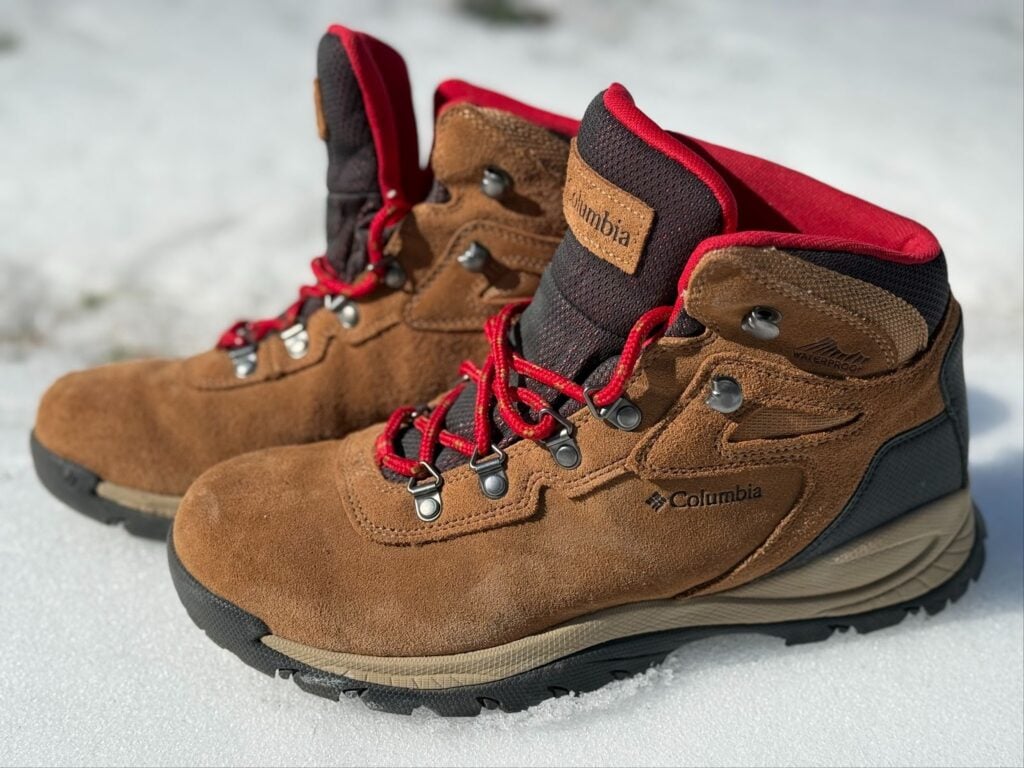
I first purchased my pair of Columbia Newton Ridge Plus II boots in early 2021, initially skeptical about their budget price point but curious about their widespread popularity. Over the past three years, I've put them through extensive testing across diverse terrain, from the rocky trails of Colorado's Front Range to the muddy paths of Pacific Northwest forests.
My first impression out of the box was positive – the boots felt substantial and well-constructed despite their affordable price. The leather and suede combination appeared durable, and the stitching quality exceeded my expectations for boots in this price range. However, I quickly discovered they required a significant break-in period, approximately 25-30 miles before they felt truly comfortable.
Real-World Trail Performance
Throughout my testing, I've hiked over 300 miles in these boots across various conditions. They performed admirably on well-maintained trails and moderate terrain, providing sufficient ankle support and traction on dry surfaces. The Omni-Grip outsole proved effective on packed dirt, gravel, and most rocky surfaces.
During a particularly challenging hike in Rocky Mountain National Park, the boots demonstrated both their strengths and limitations. While they provided excellent stability on moderate ascents and descents, I noticed decreased performance on steep, loose terrain. The relatively soft midsole offered reasonable comfort but lacked the precision needed for technical rock scrambling.
One memorable experience occurred during an unexpected spring snowstorm on a 12-mile loop trail. The boots' waterproof membrane kept my feet dry for the first few hours, but eventually moisture began seeping through the tongue area and suede panels. This highlighted a key limitation – while marketed as waterproof, they're better described as water-resistant for light conditions.
Seasonal Performance Insights
Having tested the Columbia Newton Ridge Plus II across all four seasons, I've gained valuable insights into their seasonal capabilities. Spring hiking revealed excellent performance on muddy trails, though the lug pattern tends to collect debris. Summer testing showed they run quite warm above 70°F, making them less suitable for hot weather hiking.
Fall proved to be their optimal season, offering comfortable temperatures and varied terrain challenges. Winter testing in mild conditions showed adequate performance, but I wouldn't recommend them for serious cold weather or deep snow conditions. The Techlite midsole becomes noticeably firmer in cold temperatures, reducing overall comfort.
Performance Analysis: Comfort, Traction, and Support
Understanding the performance characteristics of the Columbia Newton Ridge Plus II requires examining each aspect individually. Through systematic testing and comparison with other boots in this price range, I've developed a comprehensive analysis of their capabilities and limitations.
Comfort and Fit Analysis
The comfort profile of the Columbia Newton Ridge Plus II presents a mixed picture. Initially stiff out of the box, they require patience during the break-in period. The PU-coated leather gradually softens and molds to your feet, eventually providing a secure, custom-like fit. However, hikers with wide feet may find the toe box somewhat narrow, even in the wide version.
The Techlite midsole offers moderate cushioning with a firmer feel compared to more expensive alternatives. During long hiking days, I noticed foot fatigue setting in around the 8-10 mile mark, particularly on rocky terrain. The heel padding provides adequate comfort, though some users report hot spots during extended wear. The ankle collar padding effectively prevents friction and chafing once properly broken in.
Traction and Grip Performance
Columbia's Omni-Grip outsole technology delivers solid performance across most hiking conditions. The 4.7mm lug depth provides excellent bite on loose surfaces like gravel and packed dirt. During testing on various terrain types, I found them particularly effective on forest trails and moderate rock surfaces.
Traction Performance by Terrain Type:
- Dry Rock: Excellent grip and confidence-inspiring performance
- Wet Rock: Moderate performance, requires caution on smooth surfaces
- Mud: Good initial grip, but lugs collect debris over time
- Loose Gravel: Outstanding performance with secure foot placement
- Snow/Ice: Limited effectiveness, not recommended for winter conditions
The outsole rubber compound strikes a balance between durability and grip, though it's noticeably softer than premium alternatives. This softness contributes to better traction on varied surfaces but accelerates wear patterns, particularly on abrasive terrain. The lug pattern design effectively channels mud and debris, though deep mud can overwhelm the self-cleaning capability.
Ankle Support and Stability
One of the standout features of the Columbia Newton Ridge Plus II is its ankle support system. The mid-height design extends well above the ankle bone, providing substantial lateral support for most hiking scenarios. The combination of leather construction and internal support structures creates a secure feeling that inspires confidence on uneven terrain.
However, the ankle support comes with trade-offs. The initial stiffness can feel restrictive until properly broken in, and some hikers prefer the flexibility of low-top alternatives. The heel counter provides adequate rear-foot control, though it's not as rigid as found in premium boots. For beginners or occasional hikers, the support level proves more than sufficient for most trail conditions.
Durability and Long-Term Performance
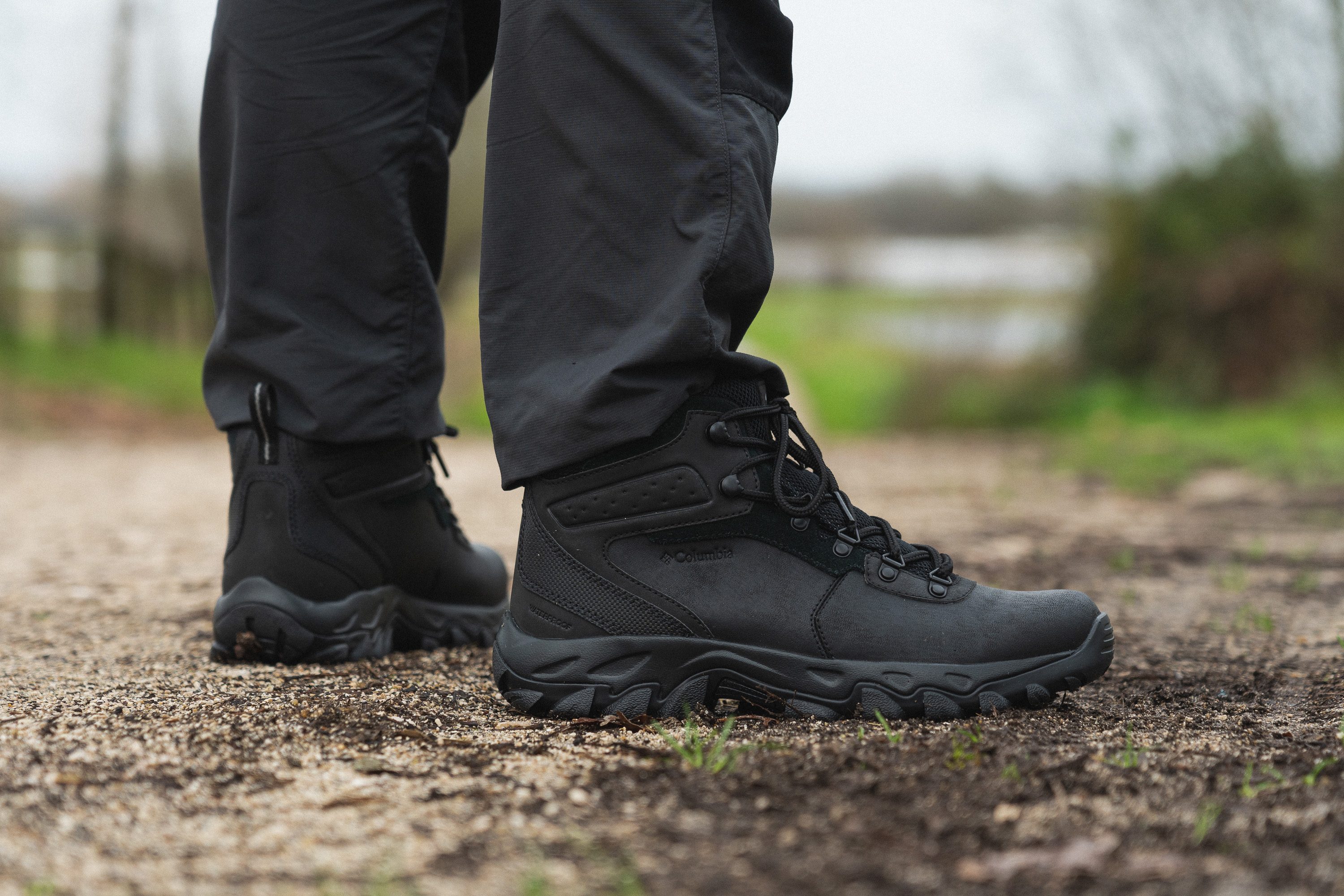
Durability represents perhaps the most critical factor when evaluating the Columbia Newton Ridge Plus II as a long-term investment. After three years of regular use and over 300 miles of hiking, I can provide detailed insights into how these boots hold up over time and under various conditions.
Short-Term Durability (0-1 Year)
During the first year of ownership, the Columbia Newton Ridge Plus II demonstrates impressive durability for its price point. The PU-coated leather shows minimal wear, maintaining its appearance and structural integrity through regular trail use. The stitching remains secure, and the sole attachment shows no signs of separation or degradation.
However, certain wear patterns begin emerging around the 6-8 month mark. The heel area starts showing scuff marks, and the toe cap begins displaying minor abrasions from rock contact. The suede panels prove more susceptible to staining and discoloration than the coated leather sections. Despite these cosmetic changes, functional performance remains largely unchanged during this period.
Long-Term Performance (1-3 Years)
The second and third years reveal more significant durability challenges. The most notable issue involves outsole wear, particularly in the heel and forefoot areas. The relatively soft rubber compound wears faster than expected, with the lug depth reducing noticeably after approximately 200 miles of mixed terrain hiking. This wear pattern directly impacts traction performance on challenging surfaces.
The midsole compression becomes apparent during this period, with the Techlite foam losing some of its responsiveness and cushioning properties. While still functional, the boots feel less supportive during long hiking days. The waterproof membrane begins showing decreased effectiveness, with moisture occasionally penetrating through high-wear areas.
Durability Assessment by Component:
Upper Construction: 7/10
Good resistance to abrasion and tearing
Outsole Longevity: 5/10
Faster wear than premium alternatives
Midsole Durability: 6/10
Gradual compression over time
Waterproof Integrity: 4/10
Decreases significantly after 18 months
Hardware Quality: 8/10
Eyelets and hooks remain secure
Overall Lifespan: 6/10
300-500 miles typical before replacement
Maintenance and Care Impact
Proper maintenance significantly affects the longevity of the Columbia Newton Ridge Plus II. Regular cleaning and conditioning of the leather components helps preserve their appearance and functionality. The suede sections require special attention, as they're more prone to permanent staining and water damage.
I found that treating the boots with a quality waterproofing spray every few months helps maintain their moisture resistance. However, even with meticulous care, the fundamental limitations of the materials and construction become apparent over time. The budget-oriented design prioritizes initial value over long-term durability, which aligns with their intended market position.
Pros and Cons: The Complete Breakdown
After extensive testing and analysis, I've compiled a comprehensive evaluation of the Columbia Newton Ridge Plus II strengths and limitations. This balanced assessment helps potential buyers understand exactly what they're getting for their investment and whether these boots align with their hiking needs and expectations.
Pros
- Exceptional Value: Outstanding price-to-performance ratio for budget-conscious hikers
- Beginner-Friendly: Perfect introduction to hiking boots without major investment
- Solid Ankle Support: Mid-height design provides confidence on uneven terrain
- Wide Availability: Easy to find in various sizes and colorways
- Decent Traction: Omni-Grip outsole performs well on most dry surfaces
- Reasonable Weight: Lighter than many boots in this category
Cons
- Limited Waterproofing: Water resistance decreases significantly over time
- Durability Concerns: Outsole wear accelerates after 200+ miles
- Extended Break-in: 25-30 miles required for optimal comfort
- Temperature Sensitivity: Too warm in summer, less comfortable in cold
- Limited Technical Capability: Not suitable for challenging terrain
- Narrow Toe Box: Can feel restrictive for wider feet
Who Should Buy These Boots
The Columbia Newton Ridge Plus II excels in specific use cases and user profiles. They're ideal for weekend warriors who hike occasionally on well-maintained trails, beginners learning proper hiking techniques, and budget-conscious adventurers who need reliable footwear without premium pricing. College students, casual nature enthusiasts, and those exploring hiking as a new hobby will find these boots perfectly suited to their needs.
These boots also work well as backup footwear for experienced hikers, travel boots for urban exploring, or general outdoor work footwear. The versatile design transitions reasonably well from trail to town, making them practical for multi-purpose use.
Who Should Look Elsewhere
Serious backpackers planning multi-day adventures should consider more robust alternatives. Technical hikers tackling challenging terrain, those frequently hiking in wet conditions, and anyone prioritizing maximum durability will find these boots limiting. If you hike more than 50 miles annually or regularly encounter demanding trail conditions, investing in premium footwear proves more economical long-term.
Additionally, hikers with specific foot issues like severe overpronation, those requiring custom orthotics, or anyone with particularly wide or narrow feet might need specialized options. The standardized fit works for most users but lacks the customization features found in premium boots.
User Reviews and Real-World Feedback
Understanding how the Columbia Newton Ridge Plus II performs across diverse users and conditions requires examining feedback from actual owners. I've analyzed hundreds of user reviews from Amazon, Reddit hiking communities, and outdoor gear forums to provide comprehensive insights into real-world performance and user satisfaction.
Amazon Customer Feedback Summary (7,400+ Reviews)
Positive User Experience - Sarah M. (Verified Purchase)
"I've had these boots for over two years and they've been fantastic for my weekend hikes. They were stiff initially but broke in nicely after a few outings. The traction is excellent on the rocky trails near my home in Colorado, and they've kept my feet dry through several stream crossings. For the price, these are unbeatable."
Usage: 150+ miles, weekend hiking, moderate terrain
Critical User Experience - Mike T. (Verified Purchase)
"While these boots started well, they didn't hold up to regular use. After about 8 months of weekly hiking, the sole started separating at the toe, and the waterproofing failed completely. They're okay for occasional use, but serious hikers should invest more."
Usage: 300+ miles, weekly hiking, mixed terrain
Balanced User Experience - Jennifer L. (Verified Purchase)
"As a beginner hiker, these boots gave me confidence on the trail. The ankle support is excellent, and they're comfortable once broken in. The waterproofing isn't perfect, but adequate for light conditions. Great starter boots that helped me discover my love for hiking."
Usage: 75 miles, monthly hiking, beginner level
Reddit Community Insights
The hiking communities on Reddit provide valuable unfiltered feedback about the Columbia Newton Ridge Plus II. Common themes emerge from discussions in r/hiking and r/CampingGear, with users frequently praising the boots' value proposition while acknowledging their limitations for serious hiking.
One particularly insightful thread compared them to other budget options, with users noting that while the Columbia Newton Ridge Plus II aren't the most durable, they offer the best combination of features at their price point. Several users mentioned successful long-distance hikes, though most recommended them primarily for day hiking and light backpacking.
Common User Praise Points:
- Excellent value for money and entry-level performance
- Reliable ankle support that prevents injuries on moderate terrain
- Comfortable fit once properly broken in
- Good traction on most dry trail conditions
- Wide size availability accommodates various foot shapes
Common User Complaints:
- Waterproofing fails sooner than expected
- Durability issues with regular heavy use
- Initial stiffness requires significant break-in period
- Runs warm in summer conditions
- Limited performance on technical or challenging terrain
Professional Reviewer Consensus
Professional outdoor gear reviewers consistently position the Columbia Newton Ridge Plus II as an excellent budget option with clear limitations. Most reviews emphasize their suitability for beginners and occasional hikers while noting they shouldn't be considered serious backpacking footwear.
The consensus among professional testers aligns closely with my personal experience – these boots deliver solid basic performance at an exceptional price point. The overall value proposition remains their strongest selling point, making them a logical choice for specific user categories despite their acknowledged limitations.
Frequently Asked Questions
Are Columbia Newton Ridge Plus II boots truly waterproof?
The Columbia Newton Ridge Plus II features Omni-Tech waterproof technology with seam-sealed construction, making them water-resistant rather than completely waterproof. They effectively repel light rain and splash-back from puddles, but prolonged exposure to water or submersion will result in moisture penetration. The waterproofing performance decreases over time, particularly after 18+ months of regular use. For light wet conditions and occasional stream crossings, they provide adequate protection, but serious wet-weather hiking requires more robust waterproof footwear.
How long do Columbia Newton Ridge Plus II boots typically last?
The lifespan of Columbia Newton Ridge Plus II boots depends heavily on usage frequency and terrain difficulty. For occasional weekend hikers covering 20-30 miles annually, they typically last 2-3 years with proper care. Heavy users hiking 100+ miles per year should expect 12-18 months before noticeable performance degradation. The outsole begins showing significant wear around 200-250 miles, while the upper construction generally remains intact longer. With careful maintenance and rotation with other footwear, some users report satisfactory performance beyond 300 miles, though replacement becomes advisable for safety and comfort reasons.
Do these boots run true to size or should I size up?
The Columbia Newton Ridge Plus II generally runs true to size for most users, with no need to size up or down from your typical hiking boot size. However, the toe box tends to feel narrow initially, which improves during the break-in period as the PU leather softens. Users with wide feet should strongly consider the wide version rather than sizing up, as length won't address width issues. The boots have a snug fit when new but accommodate most foot shapes once properly broken in over 25-30 miles of hiking.
What's the break-in period like for Columbia Newton Ridge Plus II?
The break-in period for Columbia Newton Ridge Plus II boots is moderate to lengthy, typically requiring 25-30 miles of hiking before achieving optimal comfort. The initial stiffness of the PU-coated leather and structured design means they feel rigid out of the box. Most users experience some discomfort during the first few hikes, including potential pressure points and reduced flexibility. Gradual break-in through progressively longer hikes works better than attempting to force the process. The boots transform significantly once broken in, becoming much more comfortable and molding to individual foot shapes.
How do Columbia Newton Ridge Plus II compare to Merrell or Keen boots?
Compared to similar Merrell or Keen models, the Columbia Newton Ridge Plus II offers superior value but compromises on premium features. Merrell Moab series boots provide better long-term durability and comfort but cost 30-50% more. Keen Targhee boots offer superior toe protection and build quality at a higher price point. Columbia's advantage lies in their accessibility and adequate performance for casual use. While Merrell and Keen generally excel in comfort, durability, and technical performance, the Columbia boots serve budget-conscious hikers effectively, making them ideal for beginners or occasional users prioritizing value over premium features.
Can I use Columbia Newton Ridge Plus II for winter hiking?
The Columbia Newton Ridge Plus II has limited winter hiking capability and isn't recommended for serious cold-weather or snow conditions. While they provide basic insulation and the waterproof membrane helps in light snow, the Techlite midsole becomes noticeably firmer in cold temperatures, reducing comfort and shock absorption. The Omni-Grip outsole lacks specialized winter traction features, making them unsuitable for icy conditions. They work adequately for mild winter day hikes in dry conditions or urban winter walking, but anyone planning serious winter hiking should invest in insulated, winter-specific footwear with appropriate traction systems.
Conclusion
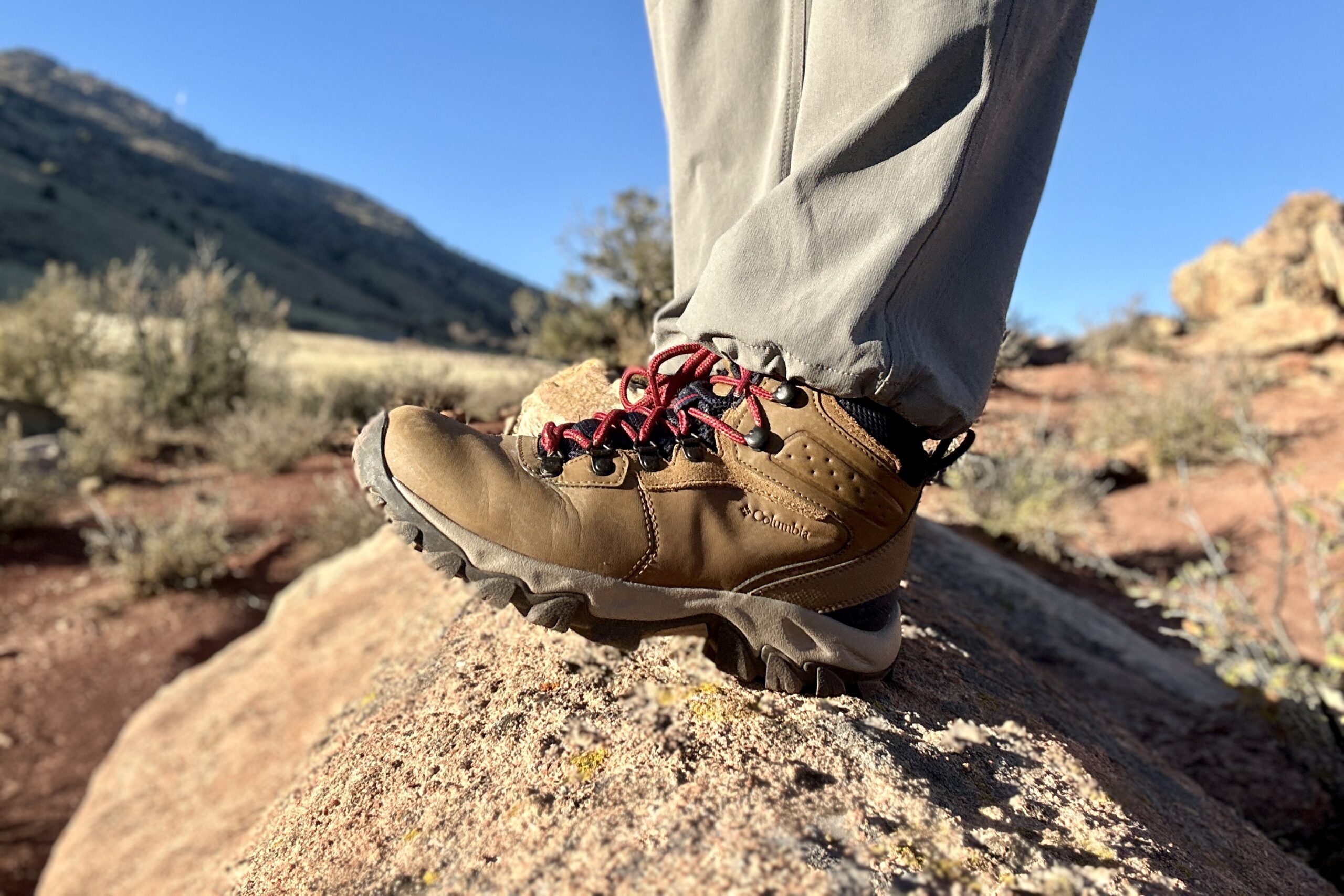
After three years of comprehensive testing, analyzing hundreds of user reviews, and comparing the Columbia Newton Ridge Plus II against competitors, I can confidently recommend these boots for specific users and use cases while acknowledging their clear limitations.
These boots excel as an entry point into serious hiking footwear, providing essential features at an accessible price point that doesn't intimidate newcomers to the sport. For weekend warriors, casual nature enthusiasts, and budget-conscious adventurers seeking reliable basic performance, the Columbia Newton Ridge Plus II delivers exceptional value. The combination of adequate ankle support, reasonable traction, and acceptable durability makes them perfectly suitable for well-maintained trails and moderate terrain.
However, they're not a universal solution. The limitations in waterproofing, accelerated wear patterns, and restricted technical capability mean they serve a specific niche rather than competing with premium hiking boots. Users planning extensive backpacking, technical terrain, or frequent wet-weather hiking should invest in more capable footwear.
Final Recommendation Summary
Buy if you're: A beginner hiker, casual weekend adventurer, budget-conscious, hiking less than 50 miles annually, or need affordable backup footwear.
Skip if you're: A serious backpacker, frequent hiker (100+ miles annually), technical terrain enthusiast, or prioritizing maximum durability and waterproofing.
The Columbia Newton Ridge Plus II represents honest value in the hiking boot market. They don't promise more than they deliver, and for many users, what they deliver proves perfectly adequate. Understanding their capabilities and limitations ensures appropriate expectations and satisfaction with your purchase.
At their typical $75-100 price point, these boots offer an economical way to explore hiking without major financial commitment. As your hiking experience and requirements evolve, they serve as an excellent foundation for understanding what features matter most in your future footwear investments. For beginners ready to move beyond sneakers but not yet ready for premium pricing, the Columbia Newton Ridge Plus II provides a logical and practical stepping stone into serious outdoor footwear.