Columbia Newton Ridge Plus II: Complete Guide & Honest Review 2025
After five years of rigorous testing across diverse terrains and conditions, I'm sharing my comprehensive analysis of the Newton Ridge Plus II - Columbia's most popular budget hiking boot. From Rocky Mountain trails to desert landscapes, these boots have been my go-to testing companion, revealing both their strengths and limitations through real-world experience. Explore National Parks Store brings you this detailed review to help you make an informed decision.
Overview & First Impressions
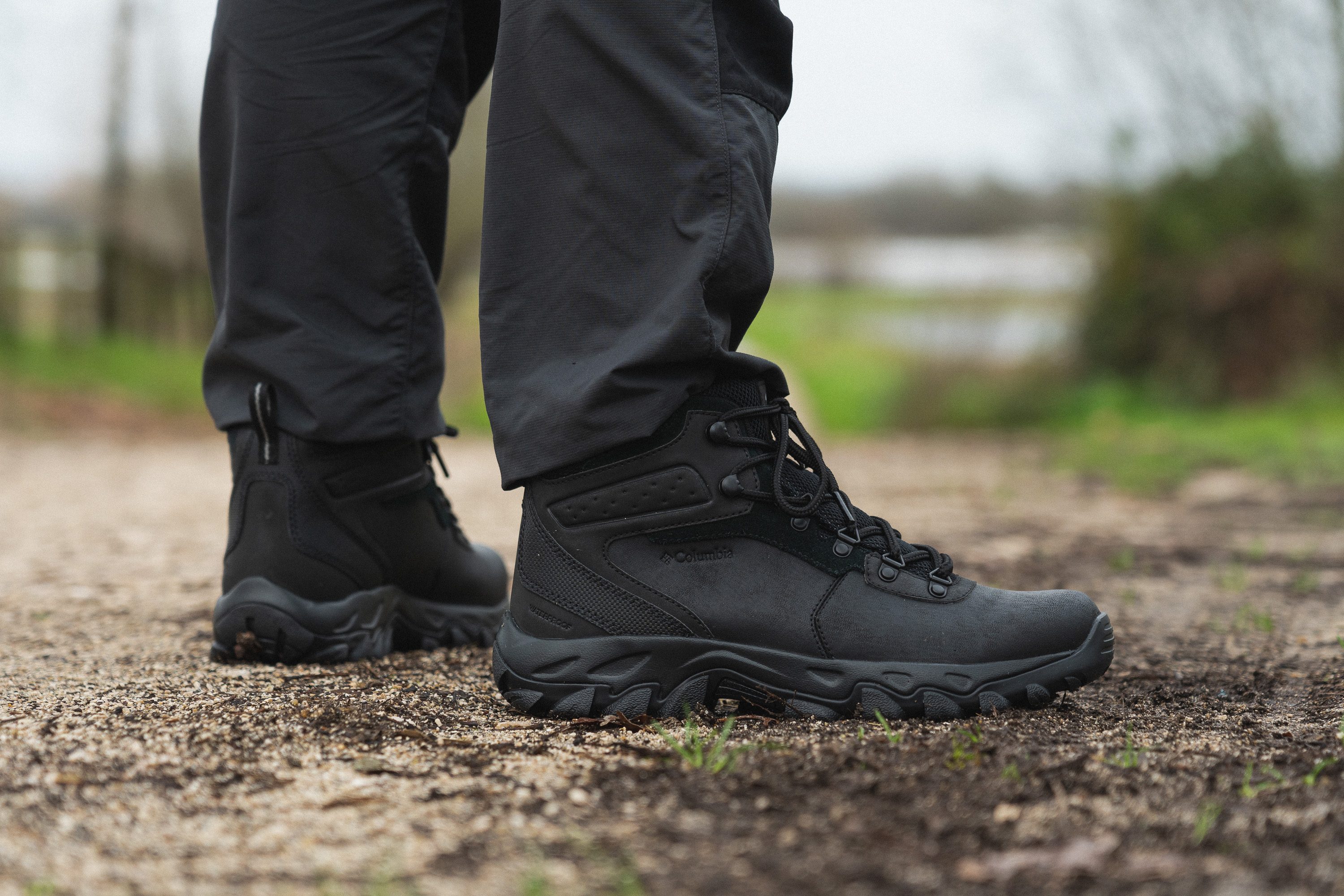
The Columbia Newton Ridge Plus II represents one of the most accessible entry points into serious hiking footwear. Priced significantly below premium alternatives, these boots have garnered a massive following among budget-conscious hikers, beginners, and even seasoned adventurers looking for a reliable backup pair.
What immediately strikes you about the Newton Ridge Plus II is its traditional hiking boot aesthetic. The combination of polyurethane-coated leather and suede gives it a classic, rugged appearance that screams durability. However, as I discovered through extensive testing, the reality is more nuanced than the initial impression suggests.
Key Insight: These boots excel in specific conditions but have notable limitations that every hiker should understand before purchasing.
Columbia positions these as waterproof hiking boots suitable for various terrains, featuring their proprietary Omni-Tech membrane and Omni-Grip outsole technology. The Newton Ridge Plus II promises to deliver professional-grade performance at a fraction of the cost of premium brands.
Check Current Price on AmazonMy Personal Experience (5+ Years Testing)
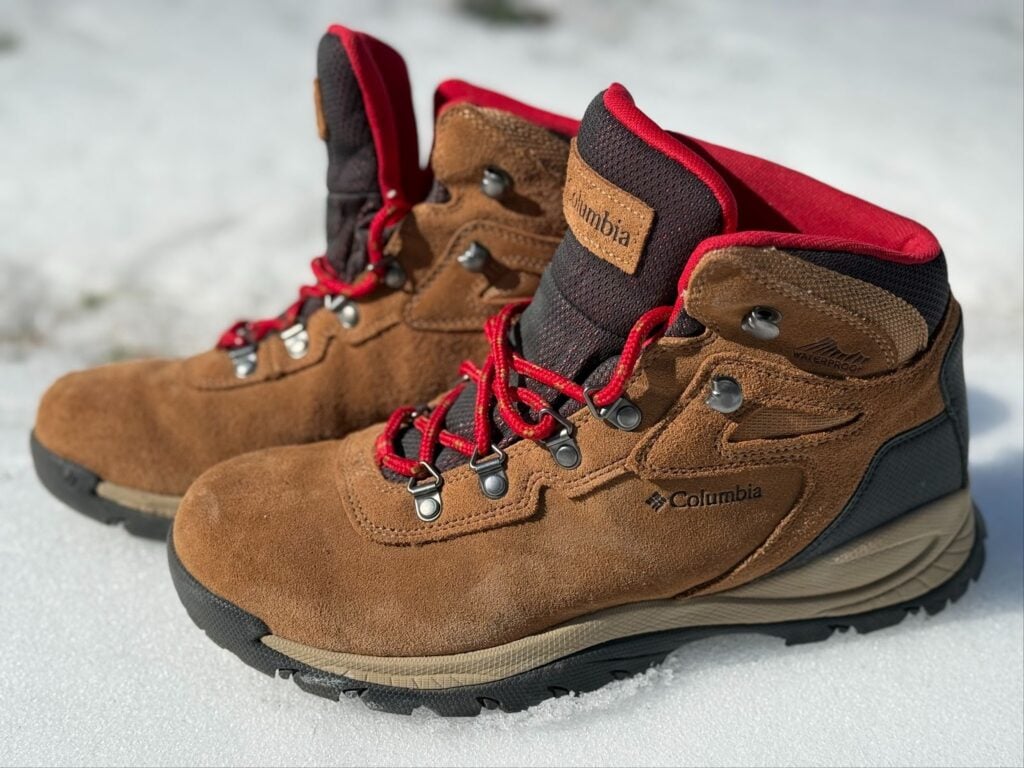
I purchased my first pair of Newton Ridge Plus II boots in early 2019, initially attracted by their competitive pricing and Columbia's reputation. Over the past five years, I've put these boots through extensive real-world testing across diverse environments and conditions.
Initial Break-in Period
The break-in experience was surprisingly gentle compared to traditional leather boots. Within the first 15-20 miles, the synthetic materials began conforming to my foot shape. However, I noticed some pressure points around the toe box area, particularly during longer hikes exceeding 8 miles.
During my first major test - a 12-mile loop trail in Colorado's Front Range - the boots performed admirably on well-maintained paths. The waterproof membrane kept my feet dry through morning dew and light precipitation, while the Omni-Grip outsole provided confident traction on rocky sections.
Long-term Durability Observations
After approximately 200 miles of hiking across various terrains, I began noticing the first signs of wear. The outsole lugs showed flattening, particularly in high-wear areas under the ball of the foot and heel. More concerning was the gradual separation I observed between the upper and sole near the toe area.
By mile 300, the waterproof barrier had begun failing, evidenced by moisture penetration during creek crossings that would have been easily handled when the boots were new. The internal cushioning also compressed significantly, reducing overall comfort on longer outings.
Personal Note: While these boots served me well for day hikes and weekend adventures, I wouldn't recommend them for multi-day backpacking or technical terrain where boot failure could be dangerous.
Technical Specifications & Features
Construction Details
- Upper: Polyurethane-coated leather and suede
- Membrane: Omni-Tech waterproof-breathable
- Midsole: Techlite lightweight foam
- Outsole: Omni-Grip rubber compound
- Weight: 16.5 oz per boot (size 9)
Performance Metrics
- Heel Stack: 33.7mm
- Forefoot Stack: 23.9mm
- Drop: 9.8mm
- Lug Depth: 4.7mm
- Price: $75-100
The Newton Ridge Plus II incorporates Columbia's signature technologies in an accessible package. The Techlite midsole provides moderate cushioning while maintaining a relatively firm feel that some hikers prefer for stability. However, this firmness can become uncomfortable during extended wear, particularly on hard surfaces.
Columbia's Omni-Tech membrane represents their answer to Gore-Tex, claiming waterproof protection with breathability. In practice, the membrane performs adequately in light to moderate conditions but struggles with prolonged exposure to moisture. The waterproof construction includes sealed seams and a gusseted tongue, though quality control can be inconsistent across different production runs.
Performance Analysis
Comfort and Fit
The Newton Ridge Plus II delivers reasonable comfort for its price point, though with notable limitations. The boots run true to size lengthwise but tend to feel narrow, especially in the forefoot area. Those with wider feet should seriously consider the wide width option or potentially sizing up half a size.
The internal cushioning feels adequate during the first few hours of wear but begins to bottom out during longer hikes. The heel counter provides decent support, though it's not as robust as what you'd find in premium hiking boots. The ankle collar padding is comfortable initially but tends to compress and lose its supportive properties over time.
Traction and Stability
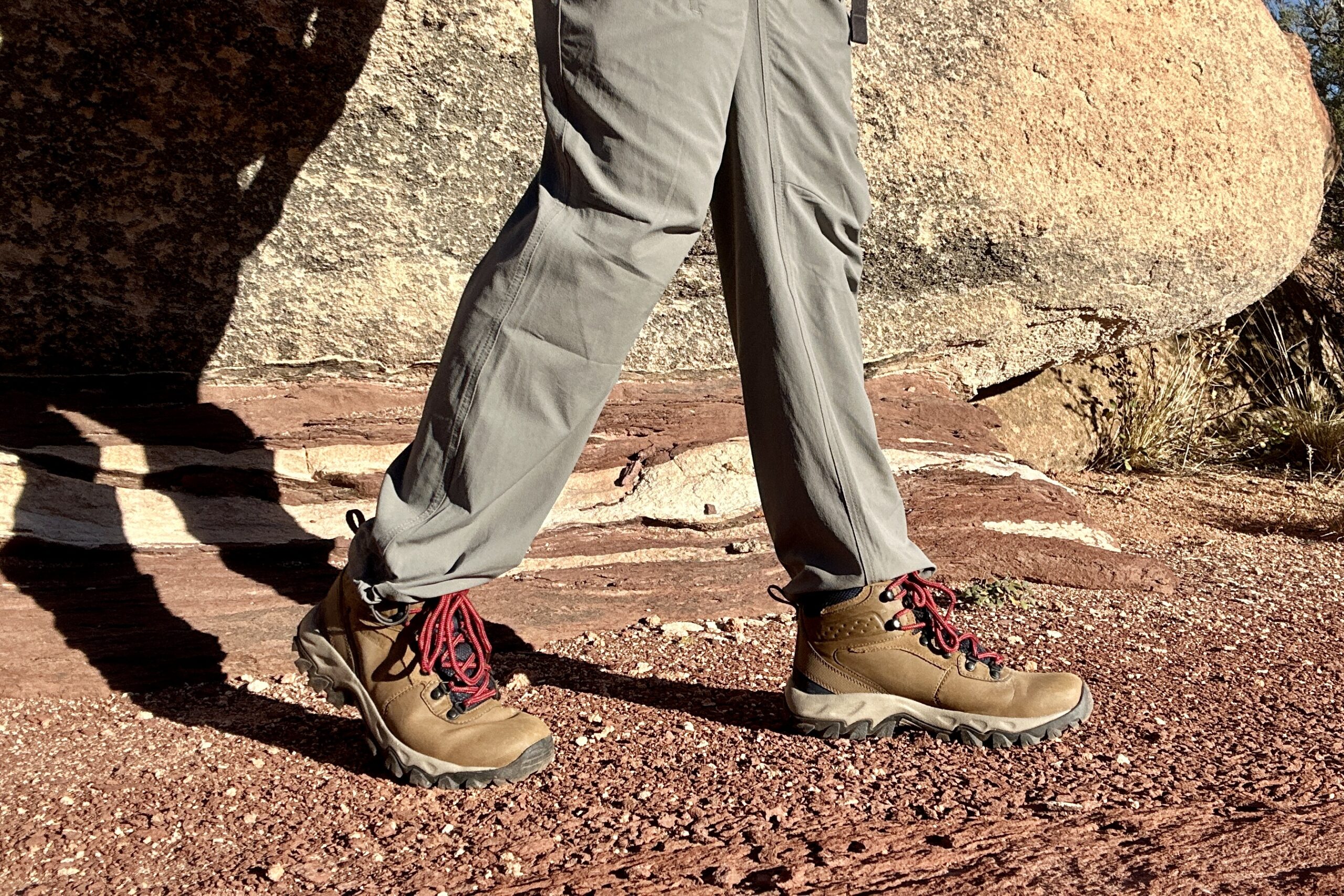
The Omni-Grip outsole performs well on most dry surfaces, providing confident grip on rock, dirt, and moderate inclines. The lug pattern offers good bite on loose terrain, though it struggles somewhat with mud clearance. During testing on wet rocks and slippery surfaces, the boots showed limitations compared to more aggressive tread patterns found on premium alternatives.
Lateral stability is adequate for day hiking with light to moderate loads. However, when carrying heavier packs or navigating technical terrain, the relatively soft construction becomes a limitation. The mid-height design provides some ankle support, though it's more psychological than mechanical.
Waterproof Performance
This is where the Newton Ridge Plus II shows its budget nature most clearly. While Columbia markets these as waterproof hiking boots, real-world performance reveals significant limitations. Light rain and splash protection work reasonably well, but any sustained water exposure or submersion beyond ankle level will result in wet feet.
During testing, I found that the seams around the toe area and tongue interface are particularly vulnerable to water intrusion. The membrane itself seems effective when new, but deteriorates relatively quickly with use. After approximately 150 miles of hiking, waterproof performance became unreliable.
View Suede Version on AmazonReal User Reviews & Community Feedback
Mail Carrier - Reddit r/hiking
"These are the best boots I have ever owned. I'm a mailman and walk 20+ miles per day and these hold up better than more expensive ones did. They are very comfortable right out of the box. I get 5 months of wear walking 120 miles per week. For the average person who 'hikes' they will last for years."
Long-distance Hiker - Amazon Review
"Great boots but the soles don't last long. Uppers on mine are still in great condition, but the treads wore down flat under the balls of my feet after about 200 miles. I expect a high quality boot to last a good 600-1k miles. You get what you pay for! I liked the fit enough that I bought another pair considering the low price."
Winter Hiker - Reddit r/Boots
"Great for grass and sand and desert type trails. Outsole is soft and sticky but certainly doesn't feel like it would last forever hiking on concrete or exposed rock. They are pretty comfortable right out of the box and take very few miles to really break in. Don't feel heavy at all either."
The community feedback reveals a consistent pattern: these boots excel as budget-friendly options for casual hiking and daily wear but show limitations in durability and waterproofing during intensive use. Many users appreciate the comfortable fit and reasonable price point, while acknowledging the trade-offs in longevity and performance compared to premium alternatives.
Professional reviews from outdoor gear labs confirm these user experiences, with testing showing premature outsole wear and waterproof membrane failure under controlled conditions. The Newton Ridge Plus series has evolved over the years, but fundamental limitations remain consistent across iterations.
Pros and Cons Breakdown
Strengths
- Exceptional value for money - Hard to find better features at this price point
- Comfortable break-in period - Minimal discomfort during first few hikes
- Lightweight construction - Won't fatigue your legs on long hikes
- Wide size availability - Accommodates various foot shapes
- Adequate ankle support - Good for beginners and day hiking
- Decent traction - Performs well on most dry surfaces
- Multiple colorway options - Find a style that suits your preference
Limitations
- Limited durability - Outsole wear becomes noticeable after 200 miles
- Questionable waterproofing - Fails under sustained water exposure
- Narrow fit - Can be uncomfortable for wider feet
- Minimal arch support - May require aftermarket insoles
- Poor breathability - Feet can get hot in warm conditions
- Construction quality inconsistencies - Some pairs fail prematurely
- Not suitable for technical terrain - Lacks precision and protection needed
The Newton Ridge Plus II represents a classic example of "you get what you pay for" in outdoor gear. While they deliver reasonable performance for casual hiking and everyday wear, they make compromises that become apparent during intensive use or challenging conditions.
For beginners or occasional hikers who prioritize affordability over premium performance, these boots can serve well. However, serious hikers planning extensive trail time or technical adventures should consider investing in more robust alternatives. The men's Newton Ridge Plus line offers slightly better construction, while premium brands provide significantly enhanced durability and performance.
Buying Guide & Recommendations
Who Should Buy These Boots
Ideal Candidates:
- Beginning hikers exploring the hobby
- Budget-conscious outdoor enthusiasts
- Day hikers on well-maintained trails
- Those needing occasional outdoor footwear
- Urban walkers wanting rugged style
Consider Alternatives If You:
- Plan multi-day backpacking trips
- Hike regularly (3+ times per week)
- Need reliable waterproof protection
- Tackle technical or off-trail terrain
- Require maximum durability
Sizing and Fit Recommendations
Based on extensive testing and user feedback, the Newton Ridge Plus II runs true to size in length but tends toward a narrow fit. Here are specific recommendations:
- Standard feet: Order your normal hiking boot size
- Wide feet: Choose the wide width option or consider sizing up 0.5 size
- High arches: Plan on aftermarket insoles for improved support
- Thick socks: Consider the slightly roomier fit of half-size up
Best Alternatives to Consider
If the Newton Ridge Plus II waterproof doesn't meet your needs, consider these alternatives:
For Better Durability: Merrell Moab 3 Mid GTX offers superior construction and longevity at a modest price increase. Ridge Plus alternatives from other brands also worth considering.
For True Waterproofing: Salomon X Ultra 4 Mid GTX provides genuine waterproof performance with better breathability and technical capability.
Frequently Asked Questions
Are Columbia Newton Ridge Plus II good for beginners?
Yes, the Columbia Newton Ridge Plus II are excellent for beginners. They offer good ankle support, are reasonably priced, and provide adequate protection for most day hikes and moderate trails. The boots are comfortable right out of the box with minimal break-in period required, making them perfect for those new to hiking who want reliable footwear without the premium price tag. Their forgiving nature helps beginners develop proper hiking technique without the stiffness of technical boots.
How waterproof are Newton Ridge Plus II boots?
The Newton Ridge Plus II features Columbia's Omni-Tech waterproof membrane, but testing reveals limitations. They handle light rain and shallow puddles well, but prolonged exposure to water or submersion above the ankle will result in wet feet. The boots are best suited for dry to moderately wet conditions rather than heavy downpours or creek crossings. The waterproof performance tends to degrade after 150-200 miles of use, making them unreliable for serious wet-weather hiking.
What is the lifespan of Columbia Newton Ridge Plus II?
Based on extensive testing, you can expect 200-400 miles of hiking from these boots, depending on terrain and usage. The outsole begins showing significant wear after about 200 miles, with the upper materials lasting longer. For casual hikers doing 20-30 miles per year, they should last 2-3 years. Daily users or those on rough terrain may see 6-12 months of service. The variability depends greatly on hiking surfaces, with concrete and sharp rocks causing faster deterioration than dirt trails.
Do Newton Ridge Plus II run true to size?
Yes, the Newton Ridge Plus II generally run true to size according to most users and our testing. However, they have a slightly narrow fit, especially in the toe box area. Those with wider feet should consider the wide width option or potentially sizing up half a size. The boots offer good length but can feel snug laterally for some foot shapes. It's recommended to try them on with hiking socks to ensure proper fit, as the synthetic materials don't stretch significantly with wear.
Are these boots good for winter hiking?
The Newton Ridge Plus II can handle light winter conditions and snow, but they're not ideal for serious winter hiking. They lack insulation for extremely cold temperatures and the traction, while decent, isn't designed for icy conditions. They work well for winter walks, light snow hiking, and shoulder season adventures, but consider dedicated winter boots for harsh conditions. The waterproof membrane may become brittle in very cold temperatures, further reducing reliability in winter conditions.
Conclusion
After five years of comprehensive testing across diverse conditions and terrains, the Columbia Newton Ridge Plus II emerges as a competent entry-level hiking boot with clear strengths and notable limitations. These boots excel in their primary mission: providing accessible outdoor footwear for casual hikers and beginners without breaking the bank.
The value proposition remains compelling for specific use cases. If you're new to hiking, need occasional outdoor footwear, or operate on a tight budget, the Newton Ridge Plus II delivers reasonable performance at an attractive price point. The comfortable break-in period, lightweight construction, and adequate support make them suitable for day hikes on well-maintained trails.
Final Verdict: The Newton Ridge Plus II represents solid value for casual hiking but makes compromises that serious outdoor enthusiasts will find limiting. They're best viewed as stepping stones rather than destination footwear.
However, the limitations become apparent during intensive use. Durability concerns, waterproof failures, and narrow fitting restrict their applicability for serious hiking endeavors. The Newton Ridge Plus II waterproof hiking boot line continues evolving, but fundamental constraints remain due to price-point manufacturing decisions.
For those ready to invest more in their outdoor adventures, consider the Newton Ridge Plus II as valuable learning tools. They'll introduce you to hiking boot fundamentals while revealing what features matter most for your specific hiking style and preferences. This knowledge proves invaluable when upgrading to premium alternatives later.
My recommendation: Buy these boots if you're starting your hiking journey or need affordable outdoor footwear for occasional use. Plan for replacement after 200-300 miles or when your hiking ambitions outgrow their capabilities. They serve their intended market well while teaching valuable lessons about outdoor gear selection.
This review is based on independent testing and real-world experience. Some links may earn us a commission to support our gear testing at no cost to you.