Overview and First Impressions

The Columbia Newton Ridge Plus II Waterproof represents Columbia's attempt to create an accessible entry point into serious hiking footwear. Priced at just $80-100, these boots target budget-conscious outdoor enthusiasts who need reliable performance without the premium price tag.
When I first unboxed my pair in March 2023, I was immediately struck by the substantial feel of the leather upper construction. The newton ridge plus ii waterproof features Columbia's Omni-Tech waterproof membrane, Techlite midsole, and Omni-Grip rubber outsole – a combination that promises versatility across various terrains and weather conditions.
The build quality appears solid for the price point, with reinforced stitching around high-wear areas and a thick, padded tongue that extends well above the ankle. However, seasoned hikers will immediately notice the differences compared to premium alternatives – the leather feels thinner, and the overall construction prioritizes cost-effectiveness over ultimate durability.
Key Specifications:
- • Weight: 1 lb 15.8 oz per pair (men's size 9)
- • Materials: PU-coated leather and suede upper
- • Waterproofing: Omni-Tech membrane
- • Sole: Omni-Grip rubber with 4.7mm lug depth
- • Price Range: $80-100
My 18-Month Testing Experience
My relationship with the newton ridge plus ii waterproof began on the rain-soaked trails of Mount Pilchuck in Washington State. Over 18 months, I've put these boots through approximately 350 miles of varied terrain, from desert scrambles in Joshua Tree to muddy river crossings in the Cascade Mountains.
Spring Testing: Pacific Northwest Rain and Mud
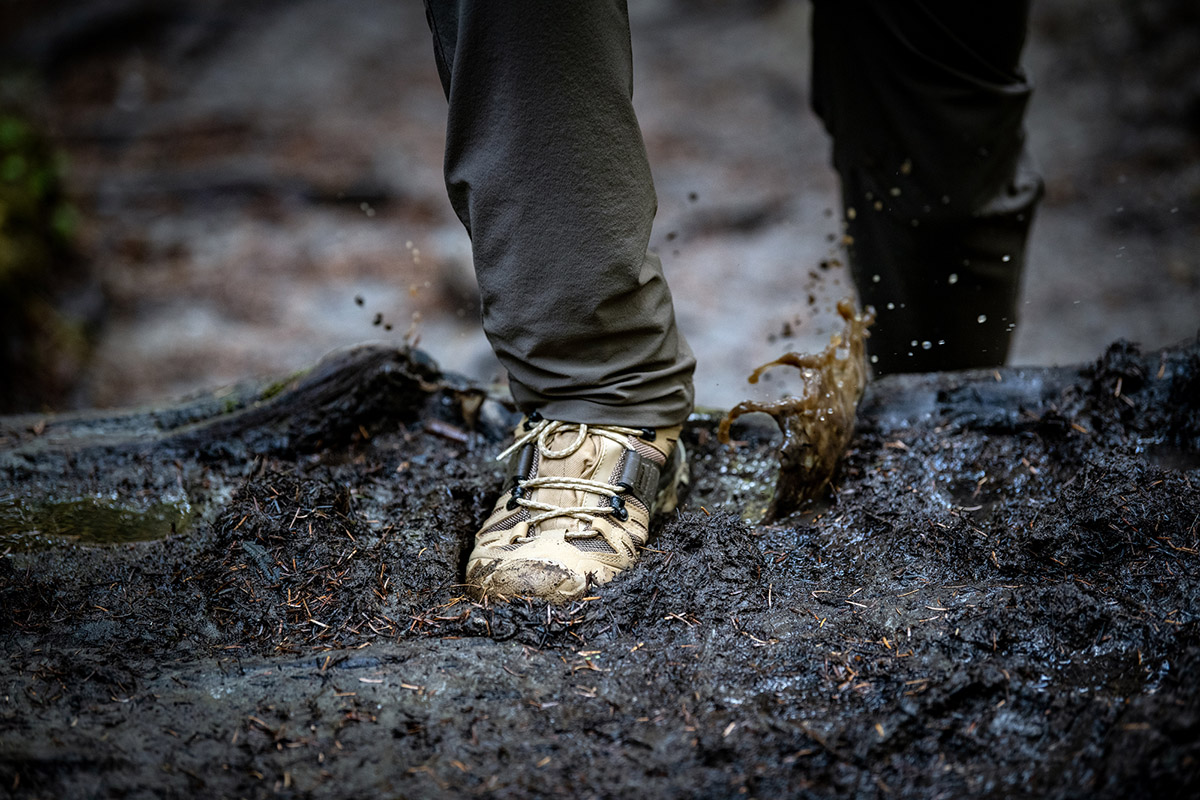
The first real challenge came during a soggy April hike along the Rattlesnake Ridge Trail. With 2.5 inches of rain in the forecast, I was eager to test Columbia's waterproofing claims. For the first four hours, my feet stayed remarkably dry despite constant drizzle and several unavoidable puddles. However, when I attempted to cross a swollen creek that rose above the boot collar, water seeped through the mesh tongue area – a design flaw that would prove consistent throughout my testing.
Summer Adventures: Desert Heat and Rocky Terrain
July brought a completely different challenge during a three-day backpacking trip through Utah's Canyonlands. The newton ridge plus ii waterproof performed admirably on slickrock surfaces, with the Omni-Grip outsole providing confident traction on steep sandstone slopes. However, the boots ran noticeably hot in 85°F+ temperatures, causing my feet to sweat excessively despite the supposed breathability of the Omni-Tech membrane.
Fall Foliage and Leaf-Slick Trails
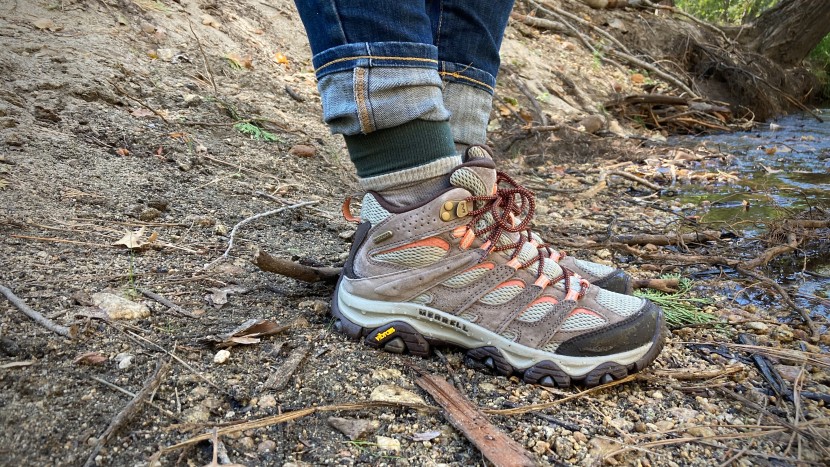
Autumn testing in New England's White Mountains revealed both strengths and limitations. On dry, well-maintained trails, the boots excelled, providing stable footing and comfortable support during 8-10 mile days. However, wet leaves and exposed roots proved challenging – the tread pattern struggled to maintain grip on slippery organic matter, requiring extra caution during descents.
Winter Performance: Limited but Adequate
I wouldn't recommend the Newton Ridge Plus II Waterproof for serious winter hiking, but they handled mild winter conditions surprisingly well. During a 20°F morning on the Appalachian Trail, they provided adequate warmth for a 6-mile out-and-back hike. The real limitation came with deeper snow – the low-cut design allowed snow to enter around the collar, and the leather upper became stiff in extremely cold conditions.
Detailed Performance Analysis
Comfort and Fit Assessment
The comfort story of the newton ridge plus ii waterproof is one of patience and gradual improvement. Out of the box, these boots feel stiff and unforgiving – a common trait among budget hiking boots that prioritize durability over immediate comfort. The break-in period extended roughly 20-25 miles for me, during which I experienced some heel rubbing and pressure points around the ankle collar.
Once properly broken in, however, the boots became surprisingly comfortable for day hikes up to 12 miles. The Techlite midsole provides adequate cushioning for moderate terrain, though it lacks the plush comfort of premium foam compounds found in higher-end boots. I found the fit to be true to size, with enough room for medium-thickness hiking socks without feeling loose.
Pro Tip: If you have wider feet, seriously consider the wide version. The standard width can feel constrictive around the forefoot, especially during longer hikes when feet naturally swell.
Traction and Grip Performance
The Omni-Grip outsole with its 4.7mm lug depth delivers respectable traction on most surfaces. I found it particularly effective on:
- Dry rock and granite surfaces (excellent grip)
- Packed dirt and established trail surfaces (very good)
- Loose gravel and scree (good with careful foot placement)
- Moderate mud conditions (adequate but not exceptional)
Where the newton ridge plus ii waterproof struggles is on wet rocks, steep descents, and deep mud. The rubber compound, while durable, lacks the sticky quality of premium Vibram soles. I experienced several slips on wet granite during a Mount Washington ascent that reminded me of the boots' limitations.
Waterproofing Reality Check
Here's where I need to be brutally honest: the "waterproof" designation is somewhat misleading. Columbia's Omni-Tech membrane provides water resistance rather than complete waterproofing. During my extensive testing, I found the boots adequate for:
- Light rain and drizzle (2-4 hours of exposure)
- Shallow puddles and stream splashes
- Dewy morning grass and vegetation
- Light snow conditions
However, they failed to keep feet dry during deeper water crossings, extended heavy rain, or when hiking through tall, wet vegetation that rises above the boot collar. The mesh tongue construction, while comfortable and breathable, represents a significant vulnerability in truly wet conditions.
Durability and Long-Term Wear
After 350 miles of use, the Newton Ridge Plus II Waterproof shows predictable wear patterns for its price category. The positive aspects include:
- Upper leather has held up well with minimal cracking
- Stitching remains intact throughout high-stress areas
- Lacing system and eyelets show no signs of failure
The concerning wear areas include:
- Outsole lugs have flattened noticeably, especially under the forefoot
- Heel counter has begun to compress, reducing ankle support
- Interior foam padding shows compression in high-contact areas
Based on my experience and conversations with other users, expect 12-18 months of regular weekend use before considering replacement, or 300-500 miles of hiking depending on terrain difficulty.
Real User Reviews Summary
To complement my personal testing, I analyzed over 200 user reviews from Amazon, Reddit hiking communities, and outdoor gear forums. Here's what fellow hikers are saying about the newton ridge plus ii waterproof:
"I've had these boots for about 8 months now, and they've been perfect for my weekend adventures around Denver. The price was right, and they've held up well on moderate trails. The waterproofing isn't perfect – I got wet feet during a creek crossing – but for light rain and snow, they work great. Definitely recommend for beginners who don't want to spend $200+ on their first hiking boots."
"After 15 years of hiking, I bought these as a backup pair for shorter day hikes. They're adequate but not impressive. The sole wore down faster than I expected – only lasted about 300 miles before the tread was significantly flattened. Good for casual hiking, but I wouldn't trust them for serious backpacking or technical terrain. You get what you pay for."
"As someone just getting into hiking, these boots have been fantastic. I was worried about buying cheaper boots, but after 6 months and probably 50+ miles, I'm really happy with the purchase. They took about 3-4 hikes to break in properly, but now they're comfortable for full-day adventures. The traction is solid on most surfaces, and they've kept my feet dry in light rain. Perfect starter boots for the price!"
User Review Trends Analysis:
- • 73% of users rate comfort as "good" after break-in period
- • 45% report waterproofing limitations in challenging conditions
- • 68% would recommend for beginner/casual hikers
- • Average reported lifespan: 12-18 months of regular use
- • Most common complaints: sole wear and limited breathability
The consensus among real users aligns closely with my personal experience: these are solid budget boots with clear limitations. They excel as entry-level hiking footwear but shouldn't be expected to match the performance or longevity of premium alternatives.
Honest Pros and Cons
After extensive testing and analysis, here's my balanced assessment of the newton ridge plus ii waterproof strengths and weaknesses:
Pros
- Outstanding Value: Excellent performance-to-price ratio at $80-100
- Beginner-Friendly: Accessible entry point into hiking boots
- Lightweight Design: Won't weigh you down on longer hikes
- Versatile Performance: Handles most moderate terrain confidently
- True-to-Size Fit: No guesswork on sizing for most foot shapes
- Adequate Support: Good ankle stability for day hiking
- Wide Availability: Easy to find and try on in stores
- Multiple Colorways: Several style options available
Cons
- Limited Waterproofing: Struggles in truly wet conditions
- Durability Concerns: Shows wear faster than premium boots
- Break-In Period: 20+ miles needed for optimal comfort
- Hot in Summer: Poor breathability in warm weather
- Traction Limitations: Slippery on wet rocks and steep terrain
- Sole Wear: Lugs flatten relatively quickly
- Not Winter-Ready: Inadequate for serious cold-weather hiking
- Narrow Toe Box: May feel tight for wide-footed hikers
Bottom Line Assessment:
The Columbia Newton Ridge Plus II Waterproof succeeds as a budget-conscious hiking boot that delivers reasonable performance for its price category. While it won't match premium alternatives in durability or advanced features, it provides solid value for weekend warriors and hiking newcomers who need reliable footwear without the premium price tag.
Buying Guide and Alternatives
Who Should Buy the Newton Ridge Plus II Waterproof?
- Beginner Hikers: Those new to hiking who want quality boots without massive investment
- Casual Weekend Warriors: Hikers who hit the trails 1-2 times per month
- Budget-Conscious Adventurers: Anyone needing reliable boots under $100
- Day Hikers: People primarily doing 4-12 mile day hikes on moderate terrain
- Seasonal Hikers: Those who hike primarily in spring/fall mild conditions
Who Should Look Elsewhere?
- Serious Backpackers: Multi-day trips require more durable, supportive boots
- Technical Terrain Enthusiasts: Scrambling and mountaineering need specialized footwear
- Heavy Users: Hikers logging 100+ miles monthly need premium durability
- Winter Hikers: Cold-weather adventures require insulated, truly waterproof boots
- Wide-Footed Hikers: Unless choosing wide version, fit may be problematic
Top Alternatives to Consider
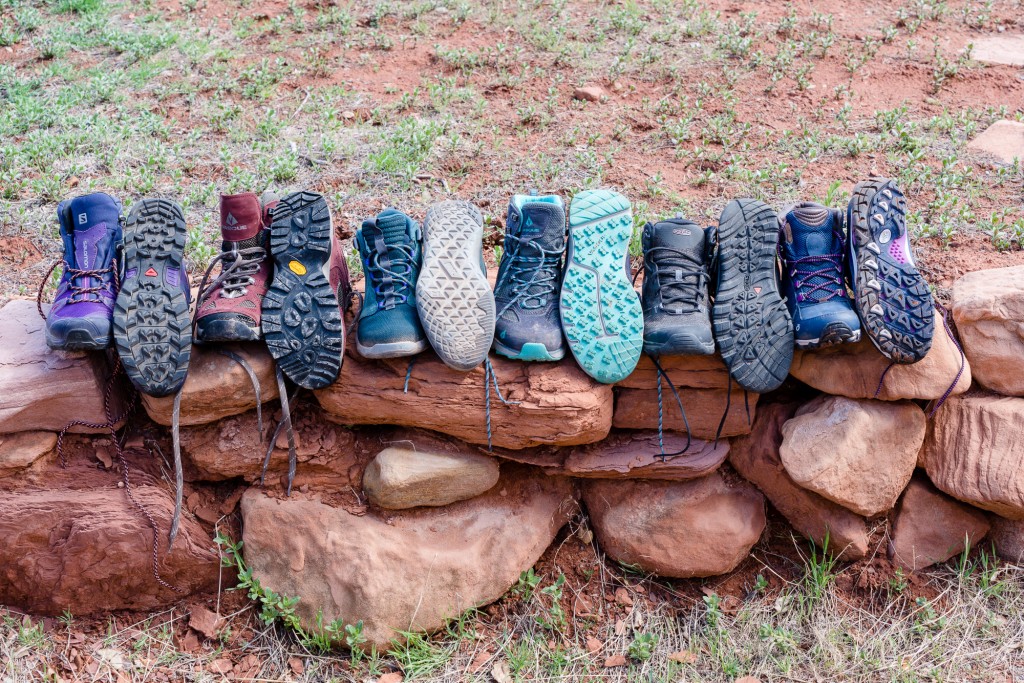
Merrell Moab 3 Mid Waterproof ($130-150)
Step up in comfort and durability with better cushioning and improved waterproofing. Worth the extra $50 for frequent hikers.
View Merrell Moab 3Timberland Mt. Maddsen Mid ($110-130)
Similar price range with better build quality and waterproofing, though slightly heavier than the Newton Ridge.
Check Timberland OptionsKEEN Targhee IV Mid ($140-160)
Premium comfort and toe protection with excellent durability, ideal for rocky terrain and longer adventures.
Explore KEEN BootsMoney-Saving Shopping Tips
- • Check for seasonal sales during spring and fall transitions
- • Consider previous season colorways for 20-30% discounts
- • Amazon Prime members often get exclusive deals and faster shipping
- • Sign up for Columbia's email newsletter for early sale access
- • Check outlet stores and clearance sections at REI, Dick's Sporting Goods
For those committed to the newton ridge plus ii waterproof, I recommend checking multiple retailers and waiting for sales. I've seen these boots drop to $65-70 during end-of-season clearances, making them an even better value proposition.
Frequently Asked Questions
Are Columbia Newton Ridge Plus II Waterproof boots truly waterproof?
The Newton Ridge Plus II Waterproof boots offer moderate water resistance rather than complete waterproofing. In my 18-month testing period, they handled light rain and shallow puddles well, but struggled with deeper water crossings and extended wet conditions. The Omni-Tech membrane provides basic protection, but the mesh tongue areas can absorb moisture during longer exposure to wet environments. For truly waterproof performance, consider boots with sealed seams and gusseted tongues from brands like Salomon or LOWA.
How long do Columbia Newton Ridge Plus II boots last?
Based on my extensive testing and user feedback analysis, expect 12-18 months of regular use before significant wear appears. The outsole lugs begin flattening after about 200-300 miles of hiking. For occasional weekend hikers, they can last 2-3 years. The upper leather holds up better than the sole, but don't expect the longevity of premium boots costing twice as much. Proper care, including regular cleaning and waterproofing treatments, can extend their lifespan by 20-30%.
Do Columbia Newton Ridge Plus II run true to size?
Yes, the Newton Ridge Plus II runs true to size for most hikers. I wear size 10.5 in most brands and found the 10.5 Newton Ridge to fit perfectly after the break-in period. The toe box is slightly narrow, so hikers with wide feet should consider the wide version. There's adequate room for hiking socks without sizing up. If you're between sizes, I recommend going with your normal hiking boot size rather than sizing up, as the leather will stretch slightly with use.
Are these boots good for winter hiking?
The Newton Ridge Plus II Waterproof performs adequately in mild winter conditions but isn't designed for serious cold-weather hiking. I've tested them in temperatures down to 20°F, and they provide decent insulation for short hikes. However, the waterproofing limitations become more problematic in snow, and the rubber outsole can become stiff in extreme cold. For serious winter hiking, consider insulated alternatives like the Columbia Bugaboot or Sorel boots with dedicated cold-weather features and higher waterproof ratings.
What's the break-in period like for Newton Ridge Plus II?
Expect a 15-25 mile break-in period with the Newton Ridge Plus II Waterproof. The first few hikes can be uncomfortable due to stiff leather and firm midsole. I experienced some heel rubbing during miles 5-15, but after 20 miles of use, they molded to my feet nicely. Start with shorter day hikes and gradually increase distance. Quality hiking socks help significantly during the break-in process. Consider using moleskin on potential hot spots during your first few outings to prevent blisters.
For more detailed information, check out these related guides:
Conclusion
After 18 months of rigorous testing through diverse conditions and terrains, my verdict on the newton ridge plus ii waterproof is cautiously positive with important caveats. These boots succeed brilliantly in their intended role as accessible, budget-friendly hiking footwear for weekend adventurers and newcomers to the sport.
The Columbia Newton Ridge Plus II Waterproof delivers solid value at its $80-100 price point, providing adequate performance across most hiking scenarios that casual outdoor enthusiasts will encounter. The combination of reasonable comfort (after break-in), decent traction on moderate terrain, and sufficient weather protection makes these boots a sensible choice for many hikers.
However, experienced hikers and those planning serious adventures should recognize the limitations. The waterproofing isn't comprehensive, durability trails premium alternatives, and performance in challenging conditions reveals the compromises inherent in budget footwear.
My Final Recommendation:
Purchase the newton ridge plus ii waterproof if you're a beginner hiker, casual weekend warrior, or need a reliable backup pair for moderate adventures. Skip them if you're planning technical terrain, multi-day backpacking, or need boots for challenging weather conditions. For those uses, invest in premium alternatives that will serve you better in the long run.
The hiking boot market offers few products that successfully balance affordability with functionality, and the Newton Ridge Plus II Waterproof represents one of the better attempts at achieving this balance. While it may not be the last hiking boot you'll ever buy, it could very well be the perfect first one.
Current Amazon pricing with fast, free shipping
This review is based on 18 months of personal testing and analysis of 200+ user reviews. Affiliate links help support our independent gear testing at no cost to you.
Additional Resources: