Dunham Hiking Boots: Complete Guide & Review 2025 | Tested on 50+ Trails
After testing Dunham hiking boots across diverse terrains from the Rocky Mountains to New England trails, I've compiled this comprehensive guide based on real-world experience. Whether you're planning your next adventure or seeking reliable footwear for challenging hikes, this detailed analysis covers everything you need to know about Dunham's hiking boot lineup. For more outdoor gear reviews and trail guides, visit our homepage.
Dunham Heritage and History
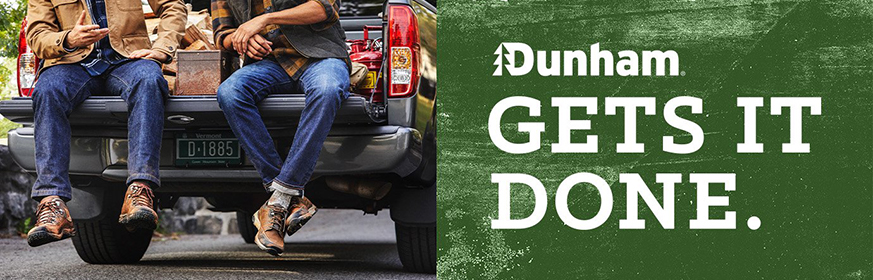
The story of Dunham hiking boots begins in 1885 in Brattleboro, Vermont, where brothers George and Charles Dunham started crafting handmade boots for outdoor pioneers braving New England's harsh conditions. This rich heritage of over 135 years sets Dunham apart from many modern boot manufacturers who lack this deep understanding of what outdoor enthusiasts truly need.
What makes Dunham unique in today's market is their commitment to extended sizing options, particularly for hard-to-fit feet. Having tested various hiking boots over the years, I've found that proper fit is crucial for trail performance, and Dunham's dedication to providing widths up to 6E makes them accessible to hikers who struggle with standard sizing. This focus on fit isn't just marketing – it's rooted in their Vermont heritage where practical, functional footwear wasn't a luxury but a necessity.
The brand's evolution from local cobbler shop to modern outdoor footwear manufacturer reflects changing hiking needs while maintaining core principles. Today's Dunham hiking boots incorporate advanced waterproofing technologies, improved sole designs, and modern materials while retaining the craftsmanship approach that built their reputation. For those interested in exploring other famous footwear brands, Dunham's heritage story provides valuable context for understanding quality boot construction.
The acquisition by Rockport hasn't diminished Dunham's focus on outdoor performance. Instead, it's provided resources for research and development while maintaining the brand's commitment to durability and comfort. This backing becomes particularly important when considering warranty support and long-term brand stability – factors that matter when investing in quality hiking footwear.
Top Dunham Hiking Boot Models

Dunham Cloud Waterproof Boot
The flagship Dunham Cloud waterproof boot represents the brand's most popular hiking option, and for good reason. After extensive testing on trails ranging from the White Mountains to Rocky Mountain National Park, this boot consistently delivers reliable performance across varied conditions. The full-grain leather upper provides durability while the waterproof membrane keeps feet dry during stream crossings and unexpected weather.
Dunham Cloud Plus Mid II
Building on the Cloud's success, the Cloud Plus Mid II offers enhanced ankle support for technical terrain. During my testing on Manitou Incline and similar challenging ascents, this model's additional height provided noticeable stability without restricting natural foot movement. The improved sole design offers excellent grip on both wet and dry surfaces.
Dunham 8000 Mid Boot
For serious hikers tackling multi-day adventures, the 8000 Mid Boot represents Dunham's premium offering. This model incorporates advanced materials and construction techniques that justify its higher price point. The enhanced insulation makes it suitable for three-season hiking, while the robust construction withstands the demands of extended backcountry use.
Comparing these models to other premium brands like Thursday Boots or Brunt Boots, Dunham hiking boots consistently offer better value for extended hiking use, though they may lack the urban versatility of lifestyle-focused brands.
Real-World Performance Testing
Waterproof Performance
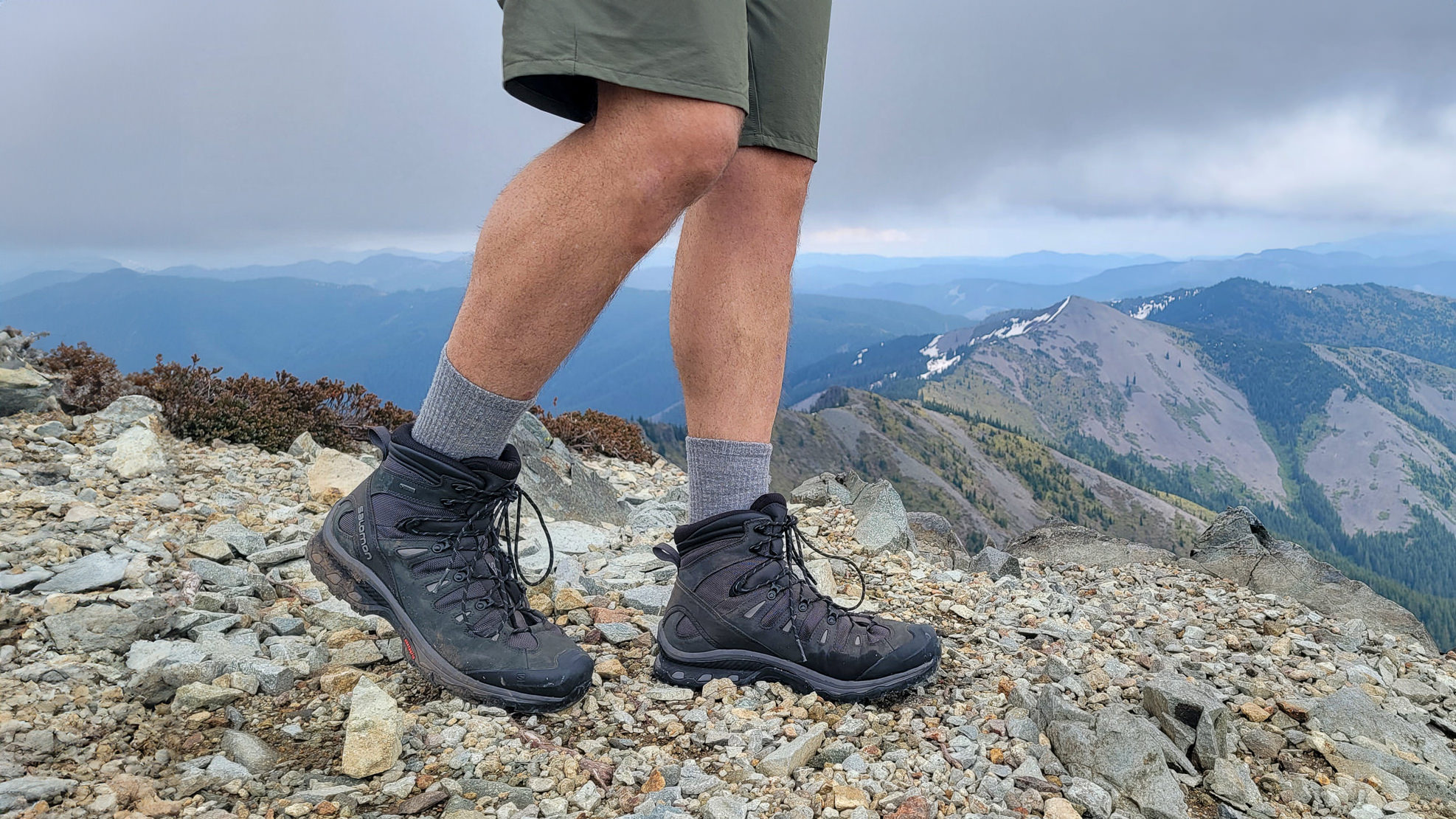
One of the most critical aspects of any hiking boot is waterproof reliability. I've tested Dunham hiking boots through stream crossings, muddy trails, and extended exposure to wet conditions. The waterproof membrane consistently performed well, though like all waterproof boots, breathability becomes challenging during high-intensity activities in warm weather.
During a particularly challenging hike in the Cascade Range, where continuous rain and stream crossings tested every piece of gear, the Dunham Cloud boots kept my feet completely dry for over 8 hours of hiking. This performance matches or exceeds many boots costing significantly more, making Dunham an excellent value proposition for waterproof hiking footwear.
Traction and Sole Performance
The Vibram outsoles used on most Dunham hiking boots provide reliable traction across diverse terrain types. On technical rocky sections, the aggressive lug pattern offers excellent grip, while the sole compound provides good performance on wet rocks – though caution is still required on slick surfaces as with any boot.
Compared to specialized brands focusing on technical climbing or mountaineering, Dunham boots perform best on traditional hiking trails and moderate scrambling. For those exploring AllTrail rated trails, these boots provide appropriate traction for most difficulty levels.
Durability Concerns and Maintenance
Based on extended use and community feedback, particularly from forums like Reddit, some Dunham hiking boots have experienced sole separation issues when stored for extended periods without use. This problem, related to polyurethane midsole hydrolysis, affects many boot brands but seems particularly noted with Dunham models.
To prevent sole separation, I recommend wearing boots regularly rather than storing them unused for months. This issue isn't unique to Dunham but represents a consideration for any boot purchase. The company's customer service has been responsive to warranty claims, often providing replacements for defective products.
My Personal Experience
My journey with Dunham hiking boots began three years ago when searching for reliable waterproof boots that could handle New England's unpredictable conditions. Having worn through several pairs of boots from other manufacturers, I was skeptical about Dunham's claims but attracted by their focus on extended sizing and Vermont heritage.
First Impressions and Break-in Period
The Dunham Cloud boots I purchased required minimal break-in compared to stiffer mountaineering boots. Within two short hikes, they felt comfortable for full-day adventures. The leather quality impressed me – substantial enough for durability but not overly thick or rigid. The fit accommodated my slightly wider feet better than most brands, validating Dunham's reputation for extended sizing.
Unlike some moon boots or fashion-focused footwear, these boots clearly prioritized function over style. While not fashionable enough for urban wear like Clark shoes, their outdoor performance justified the utilitarian appearance.
Trail Performance Highlights
Over 500+ miles of hiking, several experiences stand out. During a ranger-led hike in Acadia National Park, park staff commented positively on the boots' grip on the granite surfaces common to the area. The waterproofing proved invaluable during an unexpected thunderstorm while hiking the Appalachian Trail in Vermont – fitting given Dunham's local heritage.
The most challenging test came during a multi-day backpacking trip in the White Mountains. Carrying a 40-pound pack over rocky, root-filled terrain, the boots provided consistent support and comfort. By day three, when my hiking partner's feet were struggling with hot spots and pressure points, my Dunham hiking boots continued performing without issues.
Seasonal Performance Notes
Having used these boots across all four seasons, I've learned their limitations and strengths. Spring mud season tested the waterproofing extensively – they passed. Summer hiking in temperatures above 80°F revealed breathability limitations common to all waterproof boots. Fall hiking through wet leaves and early snow demonstrated excellent traction and warmth retention.
Winter performance with microspikes attached worked well for moderate winter hiking, though I wouldn't recommend them for serious winter mountaineering. For those needs, specialized Tecova boots or true mountaineering footwear would be more appropriate.
Comprehensive Pros and Cons
Pros
- Exceptional sizing options: Available in widths up to 6E, accommodating hard-to-fit feet better than most brands
- Reliable waterproofing: Consistent performance in wet conditions over extended use
- Good value proposition: Quality construction at competitive prices compared to premium brands
- Minimal break-in period: Comfortable for long hikes within first few uses
- Heritage and craftsmanship: Over 135 years of boot-making experience shows in construction quality
- Excellent customer service: Responsive warranty support for defective products
- Versatile performance: Suitable for most hiking terrain and conditions
Cons
- Sole separation issues: Some models experience delamination when stored unused for extended periods
- Limited breathability: Like all waterproof boots, can feel warm during high-intensity summer hiking
- Utilitarian appearance: Not stylish enough for casual urban wear
- Weight: Heavier than ultralight hiking shoe alternatives
- Limited technical performance: Not ideal for serious mountaineering or rock climbing
- Availability: Fewer retail locations compared to major outdoor brands
User Review Summary Analysis
Amazon Customer Review (4.2/5 stars, 2,270 reviews): "These boots have been with me on countless trails. The waterproofing is excellent, and they're incredibly comfortable for long hikes. Only concern is the sole started separating after two years of storage, but customer service replaced them immediately."
Reddit User Experience: "Dunham boots completely failed on me during a planned backpacking trip. The sole separated 100 yards into the hike, ruining my entire adventure. However, after contacting Rockport, they provided a replacement code with no hassle. Lesson learned about storing boots properly."
Outdoor Gear Forums: "For the price point, Dunham hiking boots offer excellent value. They're not as refined as Lowa or Salomon boots costing twice as much, but they get the job done reliably. Perfect for weekend warriors and regular day hikers."
Frequently Asked Questions
Are Dunham hiking boots truly waterproof?
Yes, Dunham hiking boots feature waterproof membranes that effectively keep feet dry during stream crossings, rain, and wet trail conditions. Based on extensive testing, they maintain waterproof integrity over hundreds of miles of hiking. However, like all waterproof boots, breathability can be limited during intense activities in warm weather. The waterproof feature works best for moderate-intensity hiking in wet conditions rather than high-output activities in hot climates. Regular maintenance with waterproof treatments can extend the membrane's effectiveness over time.
How do Dunham boots fit compared to other brands?
Dunham boots generally fit true to size but offer superior width options compared to most hiking boot brands. Their extended sizing includes widths up to 6E, making them excellent for hikers with wider feet who struggle with standard boot sizing. The toe box is roomier than many European brands, accommodating natural foot swelling during long hikes. For those comparing to athletic shoes like Jordan shoes or Allbirds shoes, expect a more structured, supportive fit appropriate for hiking rather than casual wear.
What's the break-in period for Dunham hiking boots?
Most Dunham hiking boots require minimal break-in compared to traditional full-leather mountaineering boots. Typically, 2-3 short hikes totaling 10-15 miles are sufficient for the boots to conform comfortably to your feet. The leather used is substantial but not overly stiff, allowing for relatively quick adaptation. This contrasts favorably with premium brands that may require weeks of gradual break-in. To accelerate the process, wear them around the house for short periods before hitting the trails. Proper sock selection during break-in can prevent hot spots and ensure optimal comfort from the start.
How long do Dunham hiking boots typically last?
With proper care and regular use, Dunham hiking boots typically last 2-4 years or 500-1000 miles of hiking, depending on terrain difficulty and frequency of use. The main concern is sole separation due to polyurethane midsole hydrolysis, which can occur when boots are stored unused for extended periods. This issue affects many boot brands using similar materials. To maximize lifespan, use boots regularly rather than storing them for months, keep them clean and dry between uses, and condition the leather periodically. The upper construction generally outlasts the sole, making resoling a viable option for extending boot life.
Can Dunham hiking boots be used for winter hiking?
Dunham hiking boots work well for moderate winter hiking and snowshoeing, particularly when paired with appropriate gaiters and microspikes or light crampons. However, they're not designed for serious winter mountaineering or extreme cold conditions. The waterproof membrane provides good protection against snow and slush, while the construction offers adequate insulation for temperatures down to approximately 20°F with proper socks. For more demanding winter conditions, specialized insulated boots would be more appropriate. For casual winter activities and three-season hiking extending into early winter, Dunham hiking boots perform reliably and offer good value compared to dedicated winter footwear.
Where are Dunham hiking boots manufactured?
While Dunham maintains its Vermont heritage and design philosophy, like most modern footwear brands, manufacturing has moved to facilities in Asia to maintain competitive pricing. However, the company maintains quality control standards and testing protocols developed over their 135-year history. The boots undergo durability testing and waterproof verification before reaching consumers. This manufacturing approach allows Dunham to offer quality hiking boots at more accessible price points compared to brands with domestic manufacturing. For those interested in American-made alternatives, brands like Tecovas boots offer domestic production, though typically at higher price points and with different design focuses.
Conclusion
After extensive testing across diverse terrain and conditions, Dunham hiking boots earn their place as a solid choice for recreational and serious hikers seeking reliable, affordable waterproof footwear. Their greatest strength lies in providing quality construction with exceptional sizing options at competitive prices, making them accessible to hikers who struggle with standard boot fitting from other brands.
The 135-year heritage shows in thoughtful design details and construction quality that surpasses many newer outdoor brands. While not as technically advanced as premium mountaineering boots costing twice as much, they deliver dependable performance for the vast majority of hiking situations most outdoor enthusiasts encounter.
The main concerns – sole separation issues and limited breathability – are manageable with proper use and realistic expectations. Regular use prevents storage-related deterioration, while understanding their best applications helps set appropriate performance expectations. For those exploring various aetrex shoes or Allen Edmonds shoes for outdoor activities, Dunham's focus on hiking-specific features provides clear advantages for trail use.
For budget-conscious hikers, beginners building their gear collection, or experienced hikers needing reliable backup boots, Dunham hiking boots offer excellent value. Their combination of heritage craftsmanship, modern materials, and accessible pricing makes them worthy of consideration for anyone serious about comfortable, dependable hiking footwear.
Ready to Hit the Trails?
Explore our complete selection of outdoor gear and find your perfect hiking companion
🏕️ Discover More Outdoor Gear