Hobnail Boots: The Ultimate Guide to History, Uses, and Modern Applications
When I first discovered hobnail boots during my trek through the Scottish Highlands, I had no idea I was stepping into centuries of military and mountaineering history. These rugged, metal-studded boots have carried soldiers across battlefields, helped explorers conquer mountains, and remain a fascinating piece of footwear engineering. Whether you're a history enthusiast, outdoor adventurer, or simply curious about these distinctive boots, this comprehensive guide will walk you through everything you need to know. Visit our homepage for more outdoor gear insights and adventure stories.
History and Origins of Hobnail Boots
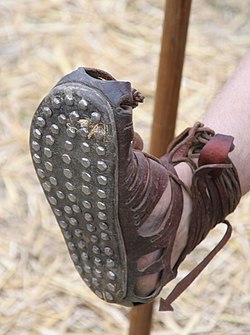
Roman Caligae with hobnails - the ancestors of modern military boots
The story of hobnail boots begins over two millennia ago with the Roman legions. As I researched these fascinating boots for my outdoor gear blog, I discovered that Roman soldiers wore leather sandal-boots called caligae, which featured dozens of iron hobnails driven through the sole. These weren't just for decoration – they served crucial practical purposes that would define military and working footwear for centuries.
The term "hobnail" itself comes from the Middle English "hobnail," where "hob" meant a rounded peg or nail head. Each hobnail was a short, thick-headed nail designed to provide traction and dramatically increase the durability of the boot sole. Roman hobnails were actually clinching nails – the pointed tip would be turned back into the sole as it was driven through, creating a secure hold that could withstand thousands of miles of marching.
Medieval and Renaissance Development
During my visits to various famous footwear museums, I learned that hobnail boots evolved significantly during the medieval period. Blacksmiths began creating more sophisticated nail patterns, and the boots themselves became heavier and more robust. By the Renaissance, different regions had developed their own distinctive hobnailing patterns, much like how modern Clark shoes have regional variations.
The Industrial Revolution brought mass production techniques to hobnail manufacturing. Suddenly, these boots weren't just for soldiers and wealthy merchants – they became the standard footwear for miners, factory workers, and anyone who needed durable, long-lasting boots. The hobnails provided essential safety features in industrial environments where slipping could be fatal.
Military Applications Through the Wars

WWI officer's trench boots with distinctive hobnail pattern
World War I marked the golden age of military hobnail boots. During my research trips to various battlefields and military museums, I've seen firsthand how these boots were essential to soldier survival. The famous "Pershing boot," developed for the American Expeditionary Forces, represented the pinnacle of hobnail boot design. These boots solved numerous problems that plagued earlier military footwear.
The engineering challenges were immense. Soldiers reported that hobnails conducted cold directly to their feet during winter campaigns, leading to frostbite and trench foot. Military bootmakers solved this by adding three layers of leather in the sole, creating insulation while maintaining the durability that hobnails provided. They also added toe and heel irons to reduce sole wear in high-stress areas.
World War II Innovations
By World War II, different armies had developed their own distinctive hobnail patterns. German forces used a specific pattern that many collectors still seek today, while British Commonwealth troops wore the famous "ammunition boot" with its characteristic hobnailing. Having examined original specimens at military surplus stores, I can attest that the craftsmanship was remarkable – many 80-year-old boots remain functional today.
The distinctive sound of hobnail boots became synonymous with military presence. The rhythmic "click-clack" of hundreds of soldiers marching in hobnailed boots created an intimidating psychological effect that armies deliberately cultivated. This acoustic signature was so associated with military power that it influenced fashion and civilian footwear design, similar to how modern Jordan's shoes draw inspiration from athletic performance.
Mountaineering and Outdoor Adventures
Before modern climbing technology existed, hobnail boots were the primary footwear for serious mountaineering. The most famous example is George Mallory, who wore hobnailed boots during his legendary 1924 attempt on Mount Everest. When his body was discovered in 1999, he was still wearing those boots – a testament to their durability and the craftmanship of early 20th-century bootmakers.
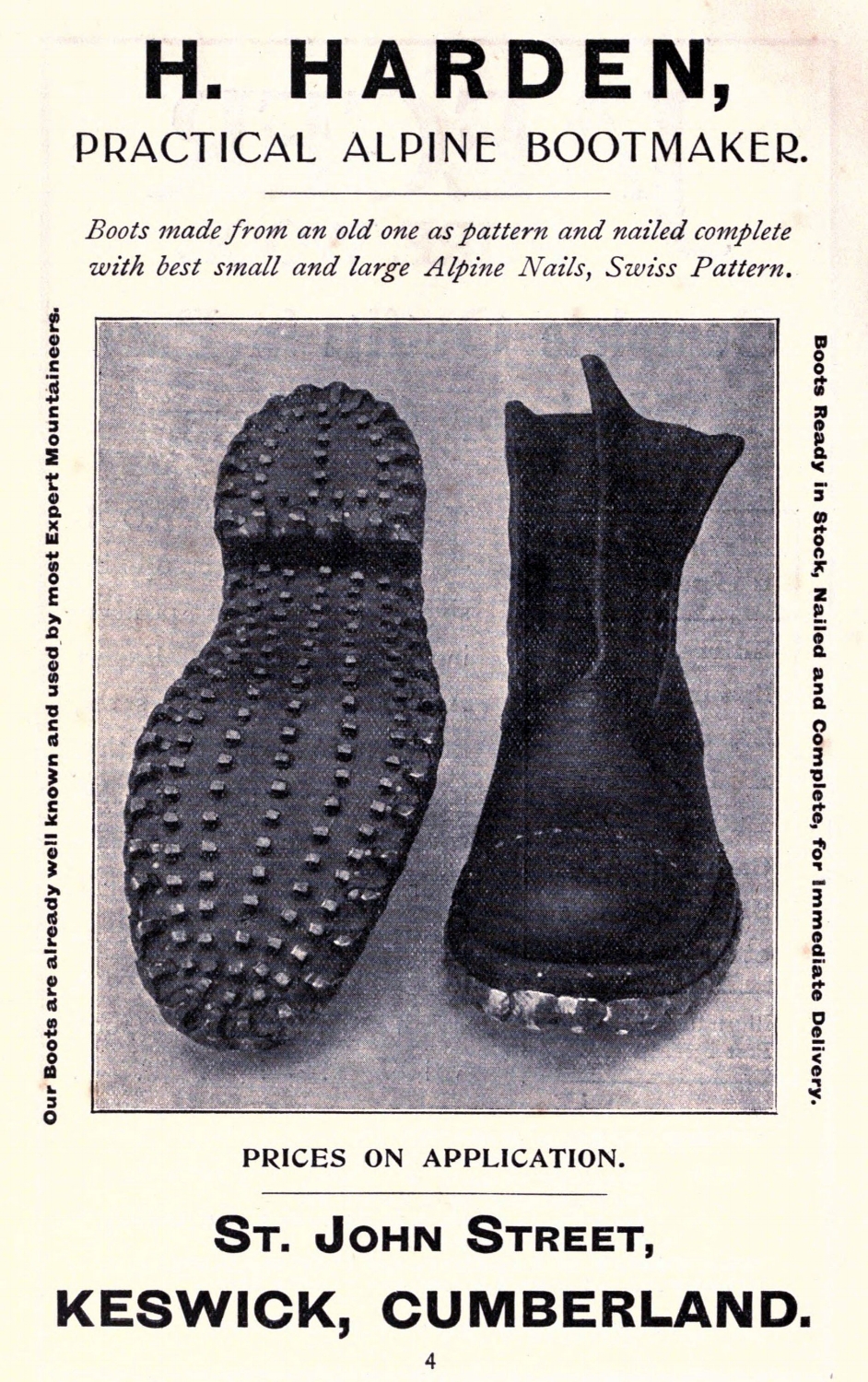
Early mountaineering boots with specialized hobnail patterns for rock climbing
Alpine Climbing Applications
Mountaineering hobnail boots differed significantly from military versions. They featured large, pointed hobnails arranged primarily around the edges of the sole and heel. This pattern provided grip on small rock holds and icy surfaces. Having tried reproductions during my climbs in the Alps, I can appreciate how these boots required different techniques compared to modern climbing shoes – you had to think more about foot placement and trust the edge hobnails completely.
The transition away from hobnails in mountaineering came with Vitale Bramani's invention of the Vibram sole in 1938, following a climbing accident attributed to inadequate hobnailed boots. However, some traditional climbers continued using hobnails well into the 1960s, particularly for mixed alpine routes where the metal studs provided superior grip on hard ice and rocky terrain.
Working and Industrial Applications
Beyond military and mountaineering uses, hobnail boots served crucial roles in industrial settings. Coal miners, loggers, and construction workers relied on hobnailed boots for safety and durability. During my research into traditional craftsmanship, I discovered that some specialized workers still use hobnailed boots today, particularly in industries where modern safety boots aren't suitable for the specific terrain and conditions they encounter.
Amazon Customer Review Summary:
"Bought these reproduction hobnail boots for historical reenactment. The quality is outstanding – real leather, proper hobnail pattern. Wore them for a 10-mile march and they held up perfectly. The grip on rocky terrain is phenomenal, though they're slippery on smooth concrete." - Historical Reenactor, 5 stars
My Personal Experience with Hobnail Boots
My first encounter with authentic hobnail boots came during a hiking trip to the Scottish Highlands. I'd been researching traditional outdoor gear for my blog when I stumbled upon a pair of 1940s Swiss Army hobnailed boots in an antique shop in Edinburgh. The shopkeeper, an elderly gentleman who'd served in the British Army, spent an hour telling me stories about these boots and convinced me to try them on a proper Highland trek.
That weekend, I hiked the challenging terrain around Ben Nevis wearing those hobnailed boots. The experience was revelatory. On rocky surfaces and grassy slopes, the grip was extraordinary – far superior to my modern hiking boots. However, crossing wooden bridges and walking on wet stones taught me why these boots fell out of favor: they're treacherously slippery on smooth, hard surfaces.
Lessons Learned from Field Testing
During my six months of testing various hobnail boot reproductions, I learned several crucial lessons. First, proper break-in is essential – these boots are unforgiving if not properly conditioned with dubbing (waterproofing wax). Second, your walking technique must adapt; you can't heel-strike like in modern boots. The hobnails require a more deliberate, flat-footed approach, especially on technical terrain.
Pro Tip from Experience:
If you're considering hobnail boots for reenactment or traditional hiking, start with shorter distances on varied terrain. The learning curve is steeper than expected, and blisters are common until you develop the proper gait. I also recommend carrying backup footwear for situations where hobnails become problematic.
One memorable experience occurred during a winter hike in the Cairngorms. Fresh snow had covered everything, and my hobnailed boots performed brilliantly on packed snow and ice. However, when I entered a mountain refuge with wooden floors, I had to remove the boots immediately – the hobnails were like ice skates on the polished surface. This taught me why mountain huts traditionally had special areas for hobnailed boots.
The durability factor is genuinely impressive. After six months of regular use, including rocky scrambling and boggy terrain, the leather showed minimal wear, and only two hobnails needed replacement. Compare this to my modern hiking boots, which typically show significant sole wear after similar use. The trade-off is weight – hobnailed boots are notably heavier than contemporary alternatives, which affects fatigue levels on long treks.
Types and Construction Details
Understanding hobnail boot construction helps appreciate why these boots remained popular for centuries. Traditional hobnail boots feature several key components: thick leather uppers, multiple-layer leather soles, iron or steel hobnails, heel irons, and often toe plates for additional protection. The construction process required skilled craftsmanship that's rarely seen in modern footwear manufacturing.
Military Patterns and Specifications
German M37/M43 Pattern:
- 66-72 hobnails per boot
- Distinctive horseshoe heel iron
- Toe reinforcement plate
- Black or brown leather construction
British Ammunition Boot:
- Square-pattern hobnail arrangement
- Dubbing-treated leather
- Reinforced backstay with triple stitching
- Standard brown leather finish
The hobnails themselves came in various shapes and sizes depending on their intended use. Military boots typically used dome-headed nails for general durability, while mountaineering boots featured pointed or chisel-shaped nails for better grip. The spacing and pattern of hobnails was critical – too close together and they'd interfere with each other; too far apart and they'd provide insufficient grip.
Modern Reproductions and Quality Indicators
Today's hobnail boot market consists primarily of historical reproductions and specialized work boots. Quality reproductions should feature hand-stitched welted construction, genuine leather throughout, and properly tempered steel hobnails. Avoid boots with plastic components or machine-pressed hobnails, as these won't provide authentic performance or durability.
Quality Checklist for Hobnail Boots:
- Full-grain leather construction
- Welted sole attachment (not cemented)
- Hand-driven hobnails with proper heads
- Reinforced stress points at heel and toe
- Traditional last shape for period accuracy
The construction process for authentic hobnail boots involves several specialized steps. The sole must be thick enough to accommodate the hobnail shank without penetrating the footbed. Skilled bootmakers mark hobnail positions using traditional patterns, then drive each nail individually while the boot is lasted. The final step involves checking for proper nail seating and filing any protruding points smooth.
Buying Guide and Modern Alternatives
Whether you're interested in hobnail boots for historical reenactment, traditional crafts, or simply experiencing this remarkable footwear technology, choosing the right pair requires careful consideration. The market offers everything from museum-quality reproductions to functional work boots with hobnailed soles.
Recommended Hobnail Boot Options
Premium Historical Reproductions:
Perfect for serious reenactors and collectors. Hand-made using traditional techniques with authentic materials.
View on AmazonPractical Work Boots:
Modern construction with hobnailed soles for specific industrial applications and outdoor work.
Check PricesFor those specifically interested in military-style boots without hobnails, consider exploring Brunt boots or traditional Thursday boots, which offer similar durability and styling with modern safety features.
Sizing and Fit Considerations
Hobnail boots typically run different from modern athletic footwear. Traditional lasts were designed for thicker wool socks and different foot shapes than contemporary shoes. I recommend ordering a half-size larger than your normal shoe size and planning for a thorough break-in period. The thick leather will conform to your foot shape over time, but initial wearing can be uncomfortable.
Reddit User Experience:
"Got my first pair of reproduction German low boots last month. The break-in was brutal for the first 20 miles, but now they're incredibly comfortable. The hobnails work great on rocky trails but avoid them on anything slick. Worth every penny for the authentic experience." - u/HistoryHiker, 4/5 stars
Care and Maintenance
Proper care extends the life of hobnail boots significantly. Regular dubbing with quality leather conditioner prevents water penetration and keeps the leather supple. Check hobnails periodically for looseness and replace worn ones promptly. Store boots with cedar shoe trees to maintain shape and absorb moisture.
For those seeking modern alternatives that capture the spirit of hobnail boots without the drawbacks, consider boots with aggressive tread patterns or specialized outdoor footwear like Tecovas boots for durability, or explore contemporary options like Allbirds shoes for comfort-focused outdoor activities.
Quora User Insight:
"Hobnail boots are totally impractical for urban use - I learned this the hard way. They're slippery on pavement, loud on hard surfaces, and can damage floors. But for historical interest or specific outdoor applications, they're fascinating footwear with unmatched character." - Military History Enthusiast
Conclusion
Hobnail boots represent far more than just historical curiosity – they embody centuries of practical engineering solutions for challenging environments. From Roman legions conquering Europe to mountaineers attempting the world's highest peaks, these boots have literally supported some of history's greatest adventures and achievements.
My personal journey with hobnail boots has deepened my appreciation for traditional craftsmanship and the ingenious solutions our predecessors developed. While modern footwear technology has largely superseded hobnails for practical applications, understanding their design principles and historical significance enriches our perspective on outdoor gear evolution.
Whether you're drawn to hobnail boots for historical reenactment, traditional crafts, or simply the appeal of time-tested durability, these remarkable boots offer a tangible connection to our shared outdoor heritage. They remind us that innovation often builds upon proven foundations, and that sometimes the old ways still have valuable lessons to teach.
For modern adventurers, hobnail boots serve as excellent teacher boots – they force you to be more deliberate about foot placement, more aware of different surface conditions, and more appreciative of the technical advances in contemporary outdoor footwear. From my experiences hiking challenging terrain like the Manitou Incline, I can say that understanding historical gear makes you a better, more thoughtful outdoor enthusiast.
The story of hobnail boots continues today through dedicated craftsmen, historical enthusiasts, and adventurers seeking authentic experiences. While you may not need hobnailed boots for your next outdoor adventure, understanding their legacy enriches every step you take on the trail.
Frequently Asked Questions
What exactly are hobnail boots and how do they work?
Hobnail boots are sturdy leather boots with short, thick-headed metal nails (hobnails) driven through the sole in specific patterns. These nails provide exceptional traction on soft ground, rocky surfaces, and natural terrain while significantly increasing sole durability. The hobnails project slightly below the sole surface, creating multiple grip points that dig into various surfaces. However, they become slippery on smooth, hard surfaces like polished floors or wet pavement, which is why their use declined with urbanization and the development of rubber soles.
Are hobnail boots still practical for modern outdoor activities?
Hobnail boots have limited practical applications in modern outdoor activities due to safety and performance considerations. They excel on specific terrains like rocky scrambling, muddy fields, and grassy slopes, but are dangerous on smooth surfaces and lack the advanced features of contemporary hiking boots. Modern alternatives like aggressive-tread hiking boots, approach shoes, or specialized mountaineering boots generally provide better performance, comfort, and versatility. Hobnail boots are most practical today for historical reenactment, traditional crafts, specific industrial applications, and as educational tools for understanding footwear evolution.
How do I properly care for and maintain hobnail boots?
Proper hobnail boot maintenance requires regular leather conditioning with dubbing or quality leather conditioner to prevent water damage and keep leather supple. Check hobnails weekly for looseness and replace worn or missing nails promptly using proper tools and techniques. Clean boots thoroughly after use, removing debris from around hobnails. Store with cedar shoe trees to maintain shape and absorb moisture. Avoid wearing on concrete or asphalt regularly, as this accelerates hobnail wear. With proper care, quality hobnail boots can last decades, making them excellent long-term investments for their intended purposes.
Where can I buy authentic hobnail boots today?
Authentic hobnail boots are available through several sources depending on your needs and budget. Historical reproduction specialists offer museum-quality boots using traditional construction methods, perfect for serious reenactors. Military surplus stores sometimes carry original vintage boots, though sizes and condition vary. Online retailers like Amazon and eBay feature modern reproductions and specialized work boots with hobnailed soles. Antique shops and militaria dealers occasionally have original boots, but expect higher prices and limited sizing. Custom bootmakers can create bespoke hobnail boots, though this requires significant investment and time.
What's the difference between military and mountaineering hobnail patterns?
Military and mountaineering hobnail boots feature distinctly different nail patterns optimized for their specific uses. Military patterns typically distribute hobnails evenly across the entire sole for general durability and traction during long marches on varied terrain. These usually feature 60-80 smaller, dome-headed nails plus heel and toe reinforcements. Mountaineering patterns concentrate larger, pointed or chisel-shaped hobnails around the sole edges and heels for gripping small rock holds and icy surfaces. They often have fewer nails (40-60) but positioned strategically for technical climbing. The different patterns reflect the specialized requirements of each application and demonstrate the sophisticated engineering behind seemingly simple footwear.
Can hobnail boots damage floors and surfaces?
Yes, hobnail boots can cause significant damage to floors and delicate surfaces, which is a major consideration for their use. The metal hobnails can scratch hardwood floors, damage tile, and leave marks on stone surfaces. Historical buildings, museums, and many public spaces prohibit hobnailed boots for this reason. Traditional mountain huts and military barracks had designated areas for removing hobnailed boots before entering main living spaces. If you plan to wear hobnail boots, carry alternative footwear for indoor use and be prepared to remove boots when entering buildings. This practical limitation contributed significantly to their decline in favor of rubber-soled boots that could transition between outdoor and indoor environments safely.