The Ultimate Guide to Jump Boots: Military Heritage Meets Modern Performance
Jump boots represent more than just military footwear—they're a symbol of elite airborne forces and paratrooper heritage dating back to World War II. Whether you're an active service member, military enthusiast, or someone seeking durable, high-quality boots, this comprehensive guide covers everything you need to know about jump boots. From their fascinating military history to modern applications and maintenance tips, I'll share insights gained through years of wearing and caring for these iconic boots. Explore National Parks Store offers additional outdoor gear insights for your adventures.
Military Heritage and Historical Significance
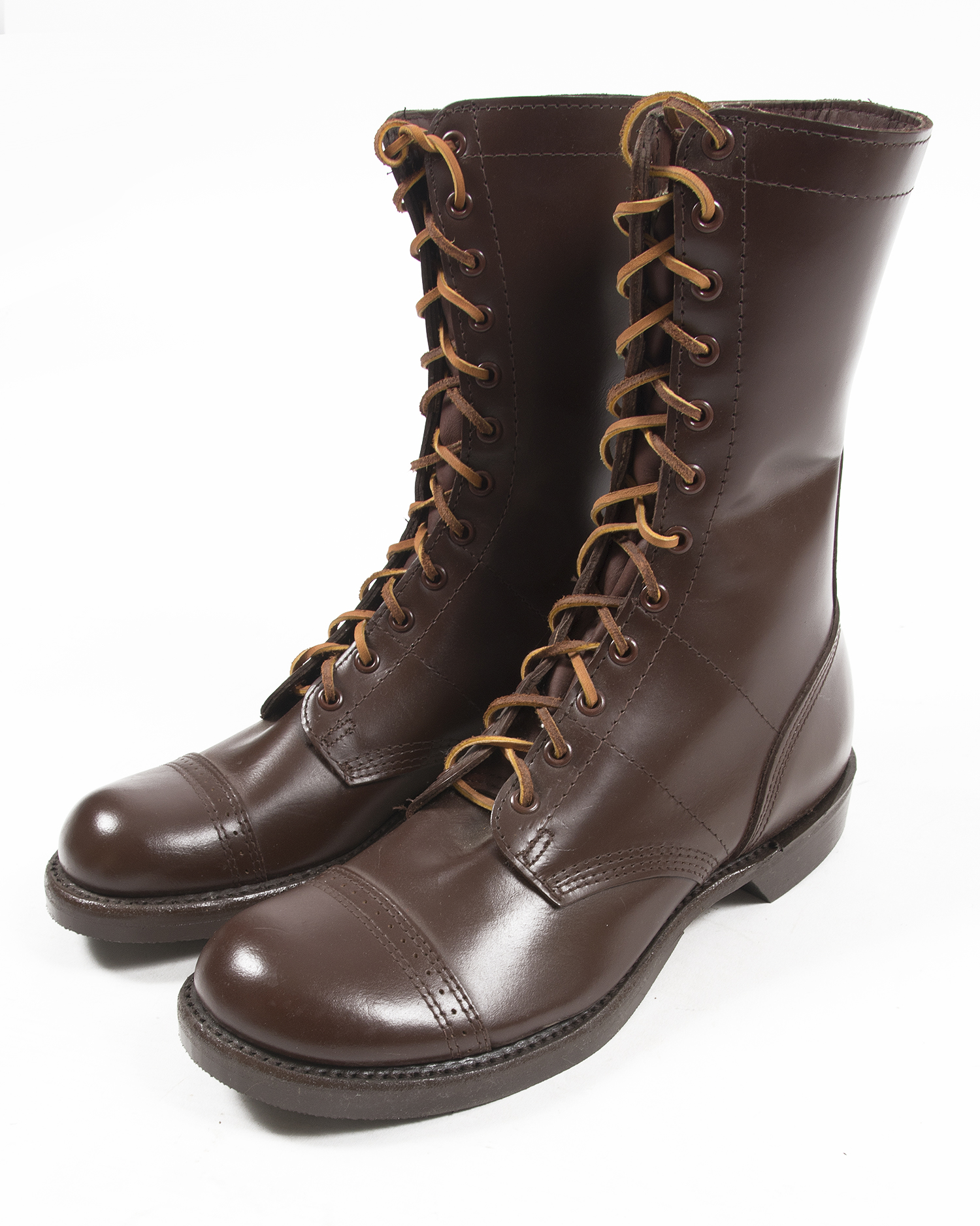 Jump boots emerged during World War II as specialized combat footwear designed specifically for paratroopers and airborne infantry forces. The legendary Corcoran Boot Company, contracted by the US Army, developed the M1942 "Boots, Parachute Jumper" that would become the gold standard for military jump boots. These boots featured extended lacing from the instep to the calf and rigid, reinforced toe caps—crucial features for protecting paratroopers during rough combat landings.
The design philosophy behind jump boots addressed a critical military need. Standard World War II combat boots (the M1939 "Shoes, Service, Composition Sole") only laced to just above the ankle and required separate leggings or puttees for support. This created potential entanglement risks with parachute risers and failed to provide adequate ankle protection. Military strategists recognized that upwards of 30% of paratroopers could expect lower extremity injuries during combat jumps, making specialized footwear essential.
William P. Yarborough initially designed these revolutionary boots in 1941 as a test officer in the 501st Parachute Infantry Battalion. His innovations included the distinctive high-ankle lacing system and reinforced construction that would become synonymous with elite airborne forces. The boots quickly gained adoption across US Army paratrooper units, with the 82nd Airborne being among the first to receive them in 1941.
Beyond their practical military applications, jump boots developed into powerful symbols of achievement and distinction. Modern jump boots are earned in many countries and have become prestigious dress and parade boots. The traditional paratrooper lacing style—often called "lattice" or "cobweb" lacing—not only increases ankle support during jumps but also serves as a visual identifier of airborne-qualified personnel. This heritage continues today, with famous footwear collections often featuring military-inspired designs that pay homage to these iconic boots.
Jump boots emerged during World War II as specialized combat footwear designed specifically for paratroopers and airborne infantry forces. The legendary Corcoran Boot Company, contracted by the US Army, developed the M1942 "Boots, Parachute Jumper" that would become the gold standard for military jump boots. These boots featured extended lacing from the instep to the calf and rigid, reinforced toe caps—crucial features for protecting paratroopers during rough combat landings.
The design philosophy behind jump boots addressed a critical military need. Standard World War II combat boots (the M1939 "Shoes, Service, Composition Sole") only laced to just above the ankle and required separate leggings or puttees for support. This created potential entanglement risks with parachute risers and failed to provide adequate ankle protection. Military strategists recognized that upwards of 30% of paratroopers could expect lower extremity injuries during combat jumps, making specialized footwear essential.
William P. Yarborough initially designed these revolutionary boots in 1941 as a test officer in the 501st Parachute Infantry Battalion. His innovations included the distinctive high-ankle lacing system and reinforced construction that would become synonymous with elite airborne forces. The boots quickly gained adoption across US Army paratrooper units, with the 82nd Airborne being among the first to receive them in 1941.
Beyond their practical military applications, jump boots developed into powerful symbols of achievement and distinction. Modern jump boots are earned in many countries and have become prestigious dress and parade boots. The traditional paratrooper lacing style—often called "lattice" or "cobweb" lacing—not only increases ankle support during jumps but also serves as a visual identifier of airborne-qualified personnel. This heritage continues today, with famous footwear collections often featuring military-inspired designs that pay homage to these iconic boots.
Types and Key Features
 Modern jump boots come in several distinct categories, each designed for specific applications and user needs. Traditional military jump boots remain the most recognizable type, featuring smooth black or brown leather uppers with toe-caps and heel counters that accept a high polish for "spit-shine" or "spittle-shine" finishes. These boots typically extend 10-12 inches in height with calf-length lacing systems that provide maximum ankle support and stability.
Contemporary military specifications have evolved to include features like side zippers for rapid donning and removal, Goodyear welt construction for durability and resoling capability, and specialized outsoles with enhanced traction patterns. Many modern versions incorporate cushioned insoles with advanced materials like Poron foam, which provides superior impact absorption compared to traditional leather and cork footbeds. The rigid toe caps remain a defining characteristic, offering protection against impacts and maintaining the classic silhouette that allows for mirror-like polishing.
Beyond traditional military applications, fitness-oriented jump boots have gained popularity through products like Kangoo Jumps rebound boots. These specialized boots feature spring-loaded mechanisms that reduce impact stress during exercise while providing a unique cardiovascular workout experience. While sharing the "jump boot" name, these fitness variants serve entirely different purposes from their military counterparts.
Industrial and work boot manufacturers have also adopted jump boot design elements, creating hybrid models that combine the ankle support and durability of military jump boots with safety features like steel toes, electrical hazard protection, and slip-resistant outsoles. These applications demonstrate the enduring value of the original jump boot design principles in diverse environments beyond military use.
The construction quality varies significantly across manufacturers and price points. Premium brands like Corcoran, Rocky, and Bates maintain traditional manufacturing standards with full-grain leather, authentic Goodyear welt construction, and detailed finishing. Budget alternatives may use corrected grain leather, cemented construction, and synthetic materials while attempting to replicate the classic appearance. Understanding these construction differences is crucial for buyers seeking authentic jump boot performance and longevity. Companies like Brunt boots have also entered the market with work-focused interpretations of military boot designs.
Modern jump boots come in several distinct categories, each designed for specific applications and user needs. Traditional military jump boots remain the most recognizable type, featuring smooth black or brown leather uppers with toe-caps and heel counters that accept a high polish for "spit-shine" or "spittle-shine" finishes. These boots typically extend 10-12 inches in height with calf-length lacing systems that provide maximum ankle support and stability.
Contemporary military specifications have evolved to include features like side zippers for rapid donning and removal, Goodyear welt construction for durability and resoling capability, and specialized outsoles with enhanced traction patterns. Many modern versions incorporate cushioned insoles with advanced materials like Poron foam, which provides superior impact absorption compared to traditional leather and cork footbeds. The rigid toe caps remain a defining characteristic, offering protection against impacts and maintaining the classic silhouette that allows for mirror-like polishing.
Beyond traditional military applications, fitness-oriented jump boots have gained popularity through products like Kangoo Jumps rebound boots. These specialized boots feature spring-loaded mechanisms that reduce impact stress during exercise while providing a unique cardiovascular workout experience. While sharing the "jump boot" name, these fitness variants serve entirely different purposes from their military counterparts.
Industrial and work boot manufacturers have also adopted jump boot design elements, creating hybrid models that combine the ankle support and durability of military jump boots with safety features like steel toes, electrical hazard protection, and slip-resistant outsoles. These applications demonstrate the enduring value of the original jump boot design principles in diverse environments beyond military use.
The construction quality varies significantly across manufacturers and price points. Premium brands like Corcoran, Rocky, and Bates maintain traditional manufacturing standards with full-grain leather, authentic Goodyear welt construction, and detailed finishing. Budget alternatives may use corrected grain leather, cemented construction, and synthetic materials while attempting to replicate the classic appearance. Understanding these construction differences is crucial for buyers seeking authentic jump boot performance and longevity. Companies like Brunt boots have also entered the market with work-focused interpretations of military boot designs.
Complete Buying Guide
Selecting the right jump boots requires careful consideration of intended use, construction quality, fit, and budget. Military personnel should prioritize boots that meet service regulations and specifications, while civilian enthusiasts can focus on personal preferences for style, comfort, and durability. The most critical factor remains proper fit, as jump boots typically require a break-in period that can be challenging with incorrectly sized boots. Authentic military-specification jump boots should feature specific construction elements including full-grain leather uppers, closed eyelets to prevent snagging on parachute rigging, reinforced toe caps and heel counters, and appropriate sole patterns. The leather quality significantly impacts both appearance and longevity—top-tier manufacturers use premium full-grain leather that develops character over time while maintaining structural integrity. Lower-quality options may use corrected grain or split leather that looks similar initially but lacks durability. Construction methods separate premium jump boots from budget alternatives. Goodyear welt construction, used by traditional manufacturers like Corcoran, creates a strong bond between the upper, midsole, and outsole while allowing for complete resoling when the treads wear out. This construction method justifies higher initial costs through extended service life and repairability. Cemented or direct-injection construction, common in budget boots, provides adequate performance for occasional wear but limits long-term value. Sizing requires special attention with jump boots due to their unique fit characteristics and break-in requirements. Most manufacturers recommend trying boots on later in the day when feet are naturally swollen to simulate conditions during extended wear. The high-ankle design means jump boots should feel snug initially but not painfully tight, as the leather will stretch and conform to foot shape over time. Users with wider feet should consider E-width options when available. Price ranges reflect quality and construction differences, with authentic military-specification boots typically costing $200-$300 from established manufacturers. Budget alternatives start around $100-150 but may compromise on leather quality, construction methods, or durability. Vintage military surplus boots can offer excellent value for collectors and enthusiasts, often featuring superior leather and construction compared to modern reproductions. However, sizing and condition vary significantly with surplus options. For those exploring different boot styles, brands like Thursday boots offer modern interpretations of classic designs.Care and Maintenance
Proper care and maintenance extend the service life of jump boots while preserving their appearance and performance characteristics. The unique construction and materials require specific care routines that differ from standard work boots or casual footwear. Regular maintenance prevents costly repairs and ensures boots remain serviceable for years or even decades with proper attention. The break-in process for new jump boots demands patience and gradual conditioning. I recommend starting with short wearing periods of 2-4 hours daily, gradually increasing duration as the leather softens and conforms to foot shape. During break-in, focus on areas prone to pressure points like heels and ankle bones, using moleskin or padding if necessary. The leather will initially feel stiff and unforgiving, but proper break-in results in boots that mold perfectly to individual foot shape. Cleaning routines should begin with removing laces and surface dirt using a stiff natural fiber brush. For stubborn grime, use dampened cloth with mild soap, ensuring boots dry completely before polishing. The traditional military approach involves saddle soap for deep cleaning, followed by conditioning with appropriate leather products. Many users strip factory finishes with acetone or rubbing alcohol before applying their preferred conditioning and polishing products, allowing better penetration and superior results. Polishing jump boots requires understanding the difference between utility polishing and parade-ground "spit shining." Daily maintenance involves applying quality shoe polish with soft cloths, working product into all leather surfaces including tongues and around hardware. For dress occasions, the traditional military spit-shine technique uses multiple thin layers of wax polish, each buffed to high gloss with slightly dampened cloths. This process requires patience but produces mirror-like finishes on toe caps and heel counters. Sole maintenance includes regular inspection for wear patterns, embedded debris, and separation at welt joints. Quality jump boots can be completely resoled by skilled cobblers, making this a worthwhile investment for well-maintained uppers. Between resoling, edge dressing maintains clean sole edges, while occasional conditioning prevents leather midsoles from drying and cracking. Storage in cedar shoe trees helps maintain shape and absorb moisture between wears. For alternative boot care approaches, consider learning from brands like Tecovas boots which emphasize proper leather care in their product guidelines.My Personal Experience
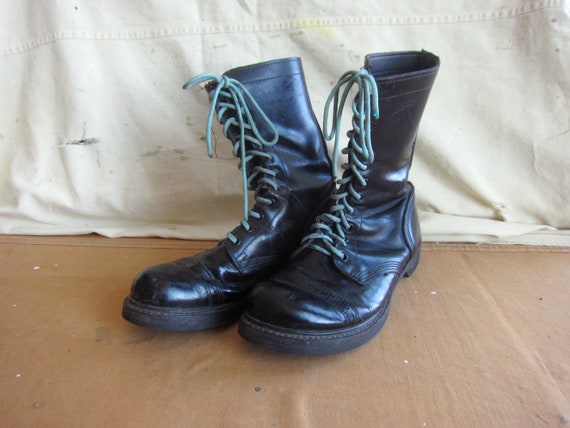 My journey with jump boots began fifteen years ago when I acquired my first pair of vintage Corcoran brown leather jump boots from a military surplus store. Initially attracted by their distinctive appearance and military heritage, I quickly discovered these boots demanded respect and proper care to reach their full potential. The first few weeks were challenging—the stiff leather created pressure points, and the rigid construction felt unforgiving compared to modern athletic footwear.
Working through the break-in period taught me valuable lessons about patience and proper boot care. I followed advice from military forums and vintage boot enthusiasts, gradually increasing wearing time while conditioning the leather regularly. After approximately six weeks of consistent wear and care, something remarkable happened—the boots transformed from rigid military equipment into comfortable, supportive footwear that molded perfectly to my feet. The high-ankle design provided stability during hiking and outdoor activities that I hadn't experienced with conventional boots.
Over the years, I've owned several pairs from different manufacturers and eras, including modern Corcoran reproductions, vintage 1960s military-issued boots, and contemporary Rocky jump boots. Each pair taught me something different about construction quality, leather characteristics, and maintenance requirements. The vintage military boots featured superior leather quality and craftsmanship but required extensive restoration work. Modern reproductions offered convenience and availability but sometimes lacked the character and durability of original military contracts.
Seasonal variations significantly impact jump boot performance and care requirements. During wet Pacific Northwest winters, I learned the importance of proper waterproofing and frequent drying to prevent leather damage. Summer hiking revealed excellent breathability compared to synthetic boots, though the dark leather absorbed considerable heat. Spring and fall became my favorite seasons for jump boot wear, offering ideal temperature and moisture conditions that showcased their comfort and versatility.
The most valuable lesson from years of jump boot ownership involves understanding their limitations alongside their strengths. These boots excel in dry conditions, provide unmatched ankle support, and develop incredible character with proper care. However, they're not ideal for extended hiking on rough terrain, wet conditions without proper treatment, or situations requiring quick on-and-off capability. Understanding when to wear jump boots versus other footwear options maximizes their benefits while preserving their condition. My experience has also extended to exploring other classic boot styles, including visits to all trail locations where proper footwear selection proved crucial for safety and comfort.
My journey with jump boots began fifteen years ago when I acquired my first pair of vintage Corcoran brown leather jump boots from a military surplus store. Initially attracted by their distinctive appearance and military heritage, I quickly discovered these boots demanded respect and proper care to reach their full potential. The first few weeks were challenging—the stiff leather created pressure points, and the rigid construction felt unforgiving compared to modern athletic footwear.
Working through the break-in period taught me valuable lessons about patience and proper boot care. I followed advice from military forums and vintage boot enthusiasts, gradually increasing wearing time while conditioning the leather regularly. After approximately six weeks of consistent wear and care, something remarkable happened—the boots transformed from rigid military equipment into comfortable, supportive footwear that molded perfectly to my feet. The high-ankle design provided stability during hiking and outdoor activities that I hadn't experienced with conventional boots.
Over the years, I've owned several pairs from different manufacturers and eras, including modern Corcoran reproductions, vintage 1960s military-issued boots, and contemporary Rocky jump boots. Each pair taught me something different about construction quality, leather characteristics, and maintenance requirements. The vintage military boots featured superior leather quality and craftsmanship but required extensive restoration work. Modern reproductions offered convenience and availability but sometimes lacked the character and durability of original military contracts.
Seasonal variations significantly impact jump boot performance and care requirements. During wet Pacific Northwest winters, I learned the importance of proper waterproofing and frequent drying to prevent leather damage. Summer hiking revealed excellent breathability compared to synthetic boots, though the dark leather absorbed considerable heat. Spring and fall became my favorite seasons for jump boot wear, offering ideal temperature and moisture conditions that showcased their comfort and versatility.
The most valuable lesson from years of jump boot ownership involves understanding their limitations alongside their strengths. These boots excel in dry conditions, provide unmatched ankle support, and develop incredible character with proper care. However, they're not ideal for extended hiking on rough terrain, wet conditions without proper treatment, or situations requiring quick on-and-off capability. Understanding when to wear jump boots versus other footwear options maximizes their benefits while preserving their condition. My experience has also extended to exploring other classic boot styles, including visits to all trail locations where proper footwear selection proved crucial for safety and comfort.