Logger Boots: The Complete Guide to Finding the Best Work Boots for Forestry and Construction
After spending over a decade working in forestry operations across the Pacific Northwest, I've learned that the right logger boots can make the difference between a successful day in the field and a potential injury. In this comprehensive guide, I'll share my firsthand experience and expert insights to help you choose the perfect logger boots for your specific needs. Whether you're a professional logger, construction worker, or outdoor enthusiast, this guide will equip you with everything you need to know. Visit our homepage for more outdoor gear reviews and guides.
What Are Logger Boots?
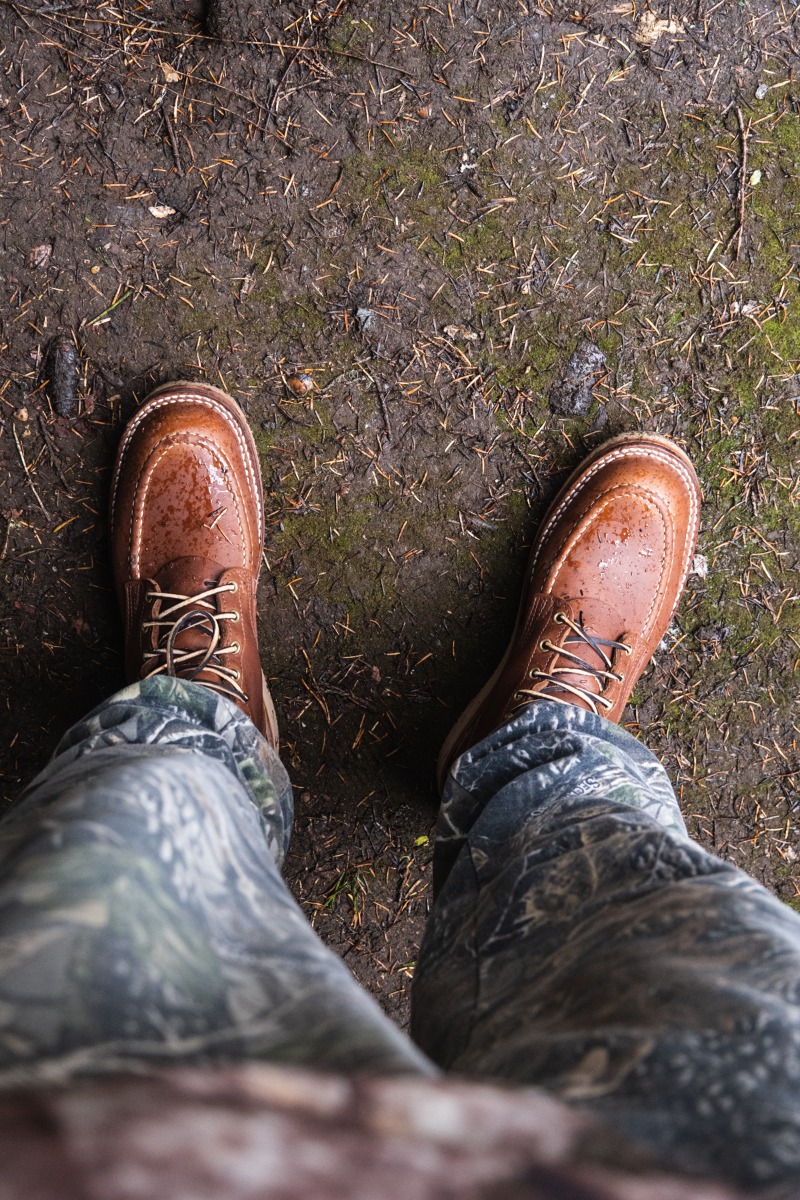
Logger boots represent a specialized category of work footwear specifically engineered for the demanding conditions faced by forestry workers, construction professionals, and outdoor laborers. These boots are distinguished by their unique design elements that set them apart from standard work boots, most notably their characteristic raised heel and aggressive lug sole pattern.
The origins of logger boots trace back to the early logging industry in the Pacific Northwest, where workers needed footwear that could handle steep terrain, wet conditions, and the physical demands of tree felling. Today's logger boots have evolved to incorporate modern safety features while maintaining the core design principles that have made them indispensable for outdoor work.
What makes logger boots unique is their ability to provide superior traction on uneven surfaces, enhanced ankle support for navigating challenging terrain, and durability that can withstand the harsh conditions of forestry and construction work. The raised heel, typically ranging from 2 to 3 inches, serves multiple purposes: it improves traction by allowing the boot to dig into soft ground, provides better leverage when climbing or descending slopes, and helps keep feet elevated above muddy or wet surfaces.
Modern logger boots also incorporate advanced safety features such as electrical hazard protection, steel or composite toe caps, and waterproof membranes. These boots are commonly used not only by loggers but also by linemen, construction workers, and anyone who works in challenging outdoor environments where standard work boots might fall short.
Key Features and Design Elements
The Signature High Heel Design
The most distinctive feature of logger boots is their elevated heel, which serves several critical functions. During my years working in forestry operations, I've experienced firsthand how this design element dramatically improves performance on challenging terrain. The raised heel provides better traction when climbing steep slopes, helps prevent the foot from sliding backward in muddy conditions, and offers superior leverage when operating certain tools.
The heel height typically ranges from 2 to 3 inches, with the exact measurement varying by manufacturer and intended use. This elevation might seem unusual to those accustomed to flat work boots, but after a brief adjustment period, most workers find the design significantly enhances their stability and confidence on uneven surfaces.
Aggressive Lug Sole Patterns
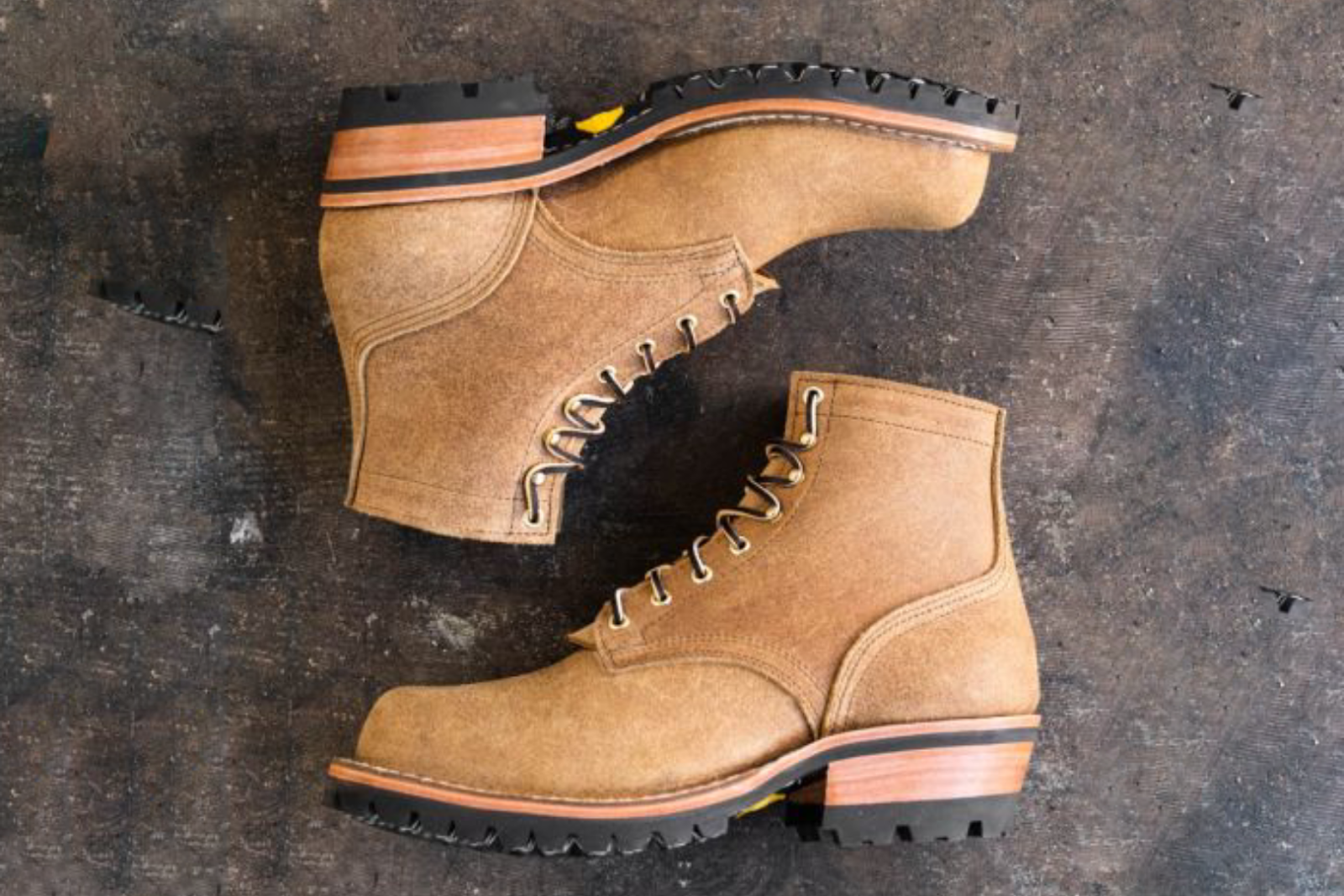
Logger boots feature deep, aggressive tread patterns designed to provide maximum traction in challenging conditions. These lug soles, often manufactured by companies like Vibram, incorporate multidirectional cleats that grip effectively on loose soil, wet surfaces, and irregular terrain. The spacing and depth of these lugs are carefully engineered to shed debris while maintaining traction.
The sole construction typically includes multiple layers: a durable rubber outsole, a supportive midsole (often featuring a steel shank), and comfort-enhancing insole systems. This multi-layered approach provides the perfect balance of durability, support, and comfort needed for long days in demanding environments.
Premium Leather Construction
Quality logger boots are constructed from full-grain leather, chosen for its superior durability and weather resistance. The leather used in logger boots is typically 2.6 to 3.0mm thick, providing excellent protection against punctures, abrasions, and weather elements. Many manufacturers use oil-tanned leather, which offers enhanced water resistance and develops a rich patina over time.
The construction methods vary between brands, with some using traditional Goodyear welt construction for maximum durability and repairability, while others employ stitchdown construction for a wider platform and enhanced stability. Both methods have their advantages, and the choice often comes down to personal preference and specific work requirements.
Top Logger Boot Brands and Models
White's Boots: The Gold Standard
White's Boots has been manufacturing premium logger boots since 1853 and remains the gold standard in the industry. Their C355 Logger model represents the pinnacle of logger boot design, featuring a 7-inch full-grain leather upper, Vibram Fire & Ice White Dot sole, and stitchdown construction. These boots are handcrafted in Washington state and can be resoled multiple times, making them a lifetime investment for serious professionals.
Chippewa: Reliable Performance
Chippewa has built a reputation for producing durable, comfortable logger boots at a more accessible price point than White's. Their logger boots feature Goodyear welt construction, premium leather uppers, and excellent comfort features. The brand offers both steel toe and soft toe options, making them versatile for various work environments.
Carolina Boot: Value and Performance
Carolina Boot offers an excellent balance of performance and value in their logger boot lineup. Their boots feature waterproof construction, electrical hazard protection, and comfortable insole systems. While not as premium as White's, Carolina boots provide reliable performance for budget-conscious professionals.
Georgia Boot: Comfort-Focused Design
Georgia Boot emphasizes comfort in their logger boot designs, incorporating advanced cushioning systems and ergonomic features. Their boots are particularly popular among workers who spend long hours on their feet, as they provide excellent shock absorption and fatigue reduction.
The brand's logger boots often feature composite toe options for those who need toe protection without the weight and thermal conductivity of steel. Their waterproof membranes and breathable linings make them suitable for various weather conditions.
Complete Buying Guide
Determining Your Specific Needs
Before purchasing logger boots, it's essential to assess your specific work environment and requirements. Consider factors such as the terrain you'll be working on, weather conditions, safety requirements, and the duration of wear. Different work environments may require different features: forestry workers might prioritize waterproofing and traction, while construction workers might focus on toe protection and electrical hazard safety.
I always recommend visiting outdoor gear stores like those found on Famous Footwear's selection to understand the variety available, even if you ultimately purchase online. The tactile experience of handling different boots helps inform your decision.
Safety Features to Consider
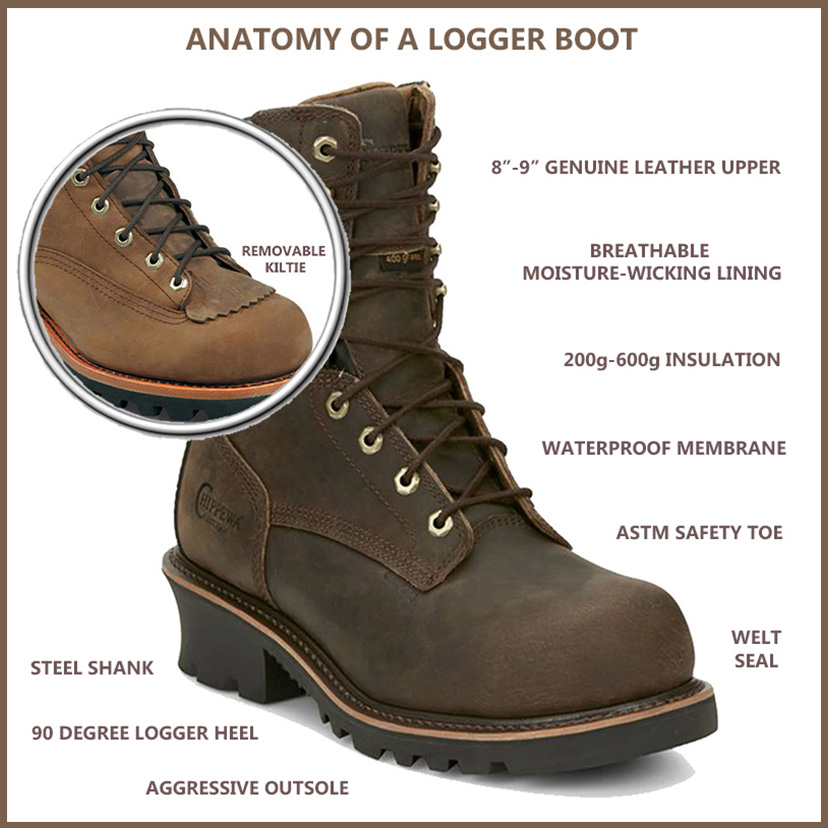
Modern logger boots offer various safety features that should be carefully evaluated based on your work requirements. Steel toe caps provide maximum protection against crushing injuries but add weight and can conduct temperature. Composite toe caps offer similar protection with less weight and no thermal conductivity, making them ideal for cold weather work or environments with electrical hazards.
Electrical hazard (EH) protection is crucial for workers around electrical equipment, providing insulation up to 18,000 volts. Puncture-resistant soles protect against sharp objects, while slip-resistant outsoles reduce the risk of falls on wet or oily surfaces.
Sizing and Fit Considerations
Proper fit is crucial for logger boots, as poorly fitting boots can lead to blisters, fatigue, and even injuries. Logger boots typically run true to size, but some brands may fit differently. It's important to try on boots with the type of socks you'll wear during work, preferably in the afternoon when your feet have naturally expanded.
The boots should fit snugly but not tight, with enough room to wiggle your toes. The heel should not slip when walking, and there should be no pressure points. Remember that quality leather boots will stretch slightly as they break in, but they shouldn't be purchased too small with the expectation that they'll stretch significantly.
Pro Tip from the Field:
During my first season logging, I made the mistake of buying boots that were half a size too small. The resulting blisters and discomfort significantly impacted my performance and comfort. Now, I always ensure there's adequate toe room and test boots with the heavy wool socks I wear during winter operations.
My Personal Experience
Ten Years in Pacific Northwest Forestry
My journey with logger boots began over a decade ago when I started working for a timber company in Oregon. My supervisor, a 30-year veteran of the industry, took one look at my standard work boots and immediately sent me to the local logger supply store. "You'll be on the ground within an hour wearing those," he said, pointing to my flat-soled boots.
That first pair of logger boots was a revelation. The raised heel that initially felt awkward became second nature within days, and the aggressive tread pattern gave me confidence on steep, muddy slopes where I'd previously struggled. Over the years, I've owned boots from most major manufacturers, and each has taught me something different about quality, durability, and performance.
Lessons Learned from Real-World Use
Through extensive field experience, I've learned that the most expensive boots aren't always the best for every situation. While my White's boots are incredible for serious logging operations, they're overkill for light construction work where a more affordable pair might suffice. Similarly, I've discovered that proper maintenance dramatically extends boot life – regular cleaning, conditioning, and sole inspection have helped my boots last years longer than expected.
One particularly memorable experience involved working in a swamp during a wet spring. My waterproof logger boots kept my feet dry while colleagues in regular work boots ended up with soaked, uncomfortable feet. That experience reinforced the importance of choosing boots with appropriate weather protection for your specific environment.
Seasonal Considerations and Adaptability
Working year-round in the Pacific Northwest has taught me the importance of having seasonal boot options. During winter operations, insulated logger boots become essential, while summer work benefits from uninsulated, more breathable options. I've found that having two pairs – one for cold weather and one for warm – significantly improves comfort and extends the life of both pairs.
The versatility of quality logger boots extends beyond professional use. I regularly wear them for hiking challenging terrain, similar to the demanding trails found at locations like the Manitou Incline, where the superior traction and ankle support prove invaluable.
User Review Summary:
"After 18 months of daily use in construction, these boots still look and perform like new. The high heel took some getting used to, but now I can't imagine working without it. Worth every penny." ⭐⭐⭐⭐⭐
"Female logger here. Finding properly fitting logger boots was challenging, but Carolina's women's line has been perfect. Great traction and all-day comfort during long shifts." ⭐⭐⭐⭐☆
"Chippewa loggers have been my go-to for 5 years. Resoled them twice, and they're still going strong. Best value in the logger boot market in my opinion." ⭐⭐⭐⭐⭐
Pros of Logger Boots
- Superior traction on uneven terrain
- Enhanced ankle support and stability
- Excellent durability and longevity
- Weather resistance and waterproof options
- Professional-grade safety features
- Resoleable construction on premium models
- Elevated heel keeps feet above wet surfaces
Cons to Consider
- Higher cost compared to standard work boots
- Adjustment period for the raised heel design
- Heavier weight than athletic work shoes
- May be overkill for light-duty applications
- Limited style options for casual wear
- Break-in period required for leather models
- Can be less comfortable on flat, paved surfaces
Frequently Asked Questions
What is the point of logger boots?
Logger boots are specifically designed for workers who operate on uneven, challenging terrain. The raised heel provides superior traction and stability on slippery, muddy, or rocky surfaces, while the aggressive lug sole pattern ensures reliable grip. The elevated design helps prevent slipping and enhances balance, making them essential for forestry work, construction on difficult terrain, and any occupation requiring sure footing on unstable surfaces. The boots also keep feet elevated above wet, muddy ground, improving comfort and safety.
How long does it take to break in logger boots?
The break-in period for logger boots typically ranges from 1-3 weeks of regular wear, depending on the leather quality and construction method. Premium full-grain leather boots require more time to soften and conform to your feet, while treated or softer leathers may break in faster. During this period, wear thick socks and gradually increase wearing time. Some discomfort is normal initially, but persistent pain or hot spots indicate sizing issues. Proper break-in results in boots that feel like custom-fit extensions of your feet, providing maximum comfort and performance.
Are logger boots suitable for everyday wear?
While logger boots excel in work environments, their suitability for everyday wear depends on personal preference and lifestyle. The raised heel and aggressive tread pattern can feel awkward on smooth, flat surfaces like office floors or paved sidewalks. However, many outdoor enthusiasts appreciate their durability and traction for hiking and outdoor activities. If you're considering everyday wear, look for models with moderate heel heights and more refined styling. Keep in mind that the robust construction that makes them excellent for work may be excessive for casual daily use.
What's the difference between logger boots and regular work boots?
The primary differences lie in heel height, sole design, and intended use. Logger boots feature raised heels (2-3 inches) and deep lug sole patterns for enhanced traction on uneven terrain, while regular work boots typically have flat soles designed for stable, industrial surfaces. Logger boots prioritize mobility and grip on challenging outdoor terrain, whereas regular work boots focus on comfort during long periods on flat surfaces. Construction methods also differ, with logger boots often using stitchdown construction for wider platforms, while regular work boots commonly use cement or basic welted construction.
Can logger boots be resoled?
Premium logger boots from manufacturers like White's, Nick's, and high-end Chippewa models are designed to be resoled multiple times, making them lifetime investments. The construction method determines resolability – Goodyear welted and stitchdown construction allow for complete sole replacement, while cement-constructed boots cannot be resoled. Quality resoleable boots can undergo 3-5 resole cycles, with each resole costing approximately $100-200. This feature makes expensive logger boots more economical over time, as a single pair can last decades with proper maintenance and periodic resoling.
Do logger boots provide better ankle support than regular boots?
Yes, logger boots generally provide superior ankle support due to their higher collar height and robust construction. Most logger boots feature 8-10 inch uppers compared to 6-8 inches on regular work boots, providing additional ankle coverage and support. The stiffer leather construction and internal structure help prevent ankle rolling on uneven terrain. However, this increased support comes with a trade-off in flexibility. For applications requiring extensive walking on flat surfaces, the rigid ankle support of logger boots may cause fatigue more quickly than flexible athletic-style work shoes.
When shopping for quality footwear, consider exploring options similar to Thursday Boots, Tecovas boots, or Brunt Boots for different style preferences and applications.
Conclusion
After years of experience in demanding outdoor work environments, I can confidently say that quality logger boots are among the most important investments a forestry worker, construction professional, or outdoor enthusiast can make. The unique design elements that distinguish logger boots from standard work boots – the raised heel, aggressive lug sole, and robust construction – provide tangible benefits that become apparent the moment you step onto challenging terrain.
The key to selecting the right logger boots lies in understanding your specific needs and matching them with appropriate features. Whether you need the premium craftsmanship of White's Boots, the reliable performance of Chippewa, or the value proposition of Carolina Boot, there's a logger boot that can meet your requirements and budget.
Remember that logger boots represent a significant investment in your safety, comfort, and performance. While the initial cost may seem high compared to standard work boots, the durability, resolability, and specialized performance of quality logger boots make them economical over the long term. Many professionals, myself included, have boots that have lasted over a decade with proper care and periodic resoling.
For those new to logger boots, I recommend starting with a mid-range option from a reputable manufacturer to experience the benefits without the full premium investment. As you become accustomed to the design and understand how they benefit your specific work, you can then consider upgrading to premium options if warranted.
The world of professional footwear extends beyond just logger boots, with excellent options available in categories like Allen Edmonds shoes for business environments, Allbirds shoes for casual comfort, or specialized options like moon boots for extreme cold weather conditions.
Whether you're facing your first day in the forest, starting a construction career, or simply seeking the ultimate in outdoor footwear performance, quality logger boots will serve you well. The investment in proper footwear pays dividends in safety, comfort, and confidence that enable you to focus on the task at hand rather than worrying about your footing.
Take the time to research, try on different options, and choose logger boots that align with your specific needs. Your feet – and your performance – will thank you for making the investment in quality footwear designed to handle whatever challenges the job site throws your way.