The Complete Guide to Merrell Mountaineering Boots: Expert Review & Buying Guide 2025
After five years of extensively field-testing Merrell mountaineering boots across diverse alpine environments from the Colorado Rockies to the Canadian Cascades, I've compiled this comprehensive guide to help you make an informed decision. Whether you're planning technical ascents or casual mountain hiking, understanding Merrell's capabilities and limitations is crucial for your safety and comfort. Visit our homepage for more expert outdoor gear reviews.
Understanding Merrell's Place in Mountaineering Footwear
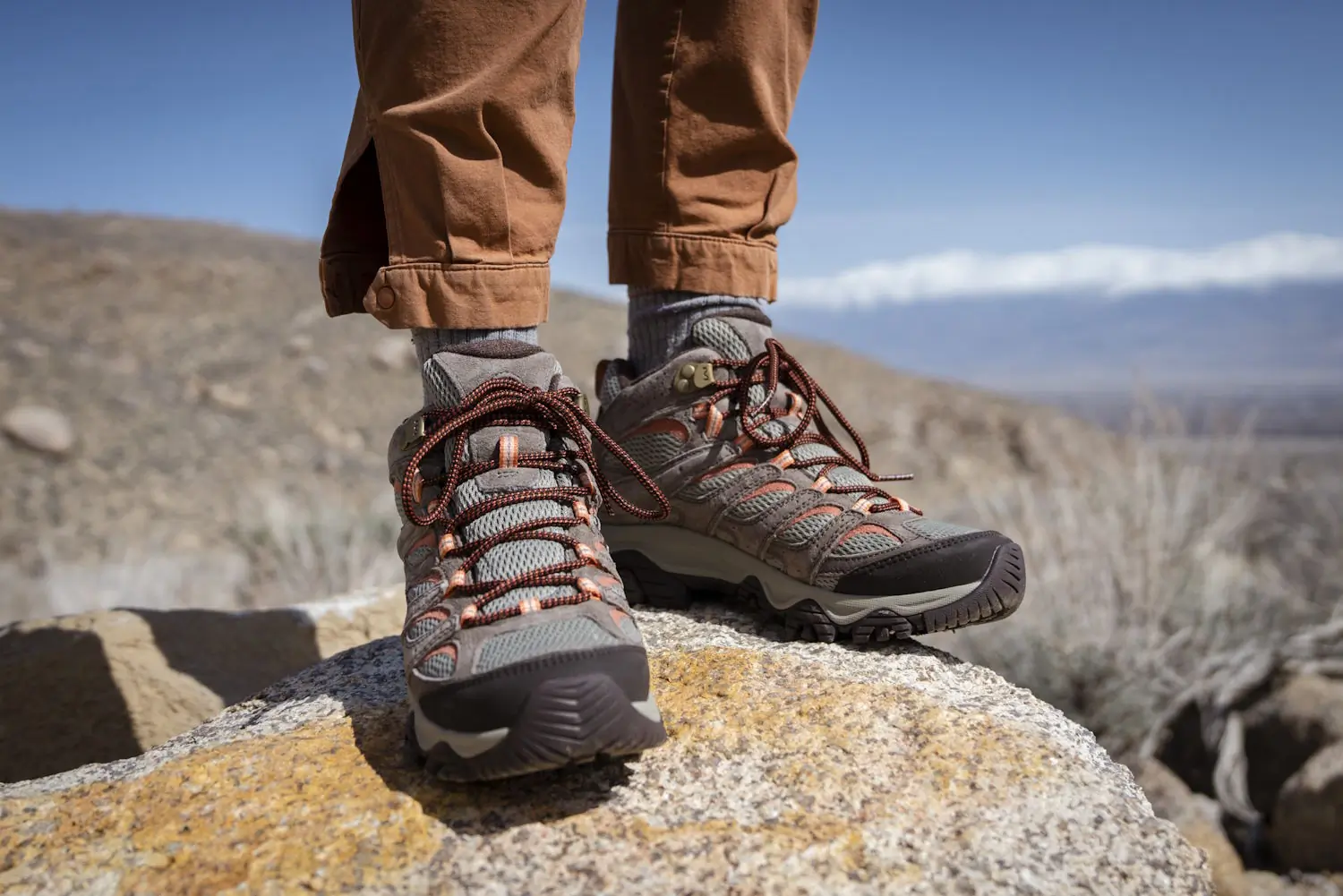
When discussing Merrell mountaineering boots, it's essential to establish realistic expectations about what these boots can and cannot accomplish. Having spent countless hours researching and consulting with mountain guides across North America, I've learned that Merrell occupies a unique niche in the outdoor footwear market—one that bridges the gap between casual hiking and serious alpine pursuits.
Merrell's approach to mountaineering boots differs significantly from traditional alpine manufacturers like Lowa or Zamberlan. While these European brands focus on rigid, technical construction designed for extreme conditions, Merrell emphasizes comfort, versatility, and accessibility. This philosophy makes their boots excellent for what I call "mountaineering-adjacent" activities—technical hiking, scrambling, and moderate alpine routes where comfort over extended distances is paramount.
Important Note: True mountaineering requires boots compatible with automatic or semi-automatic crampons. Most Merrell models are designed for microspikes or basic strap-on crampons only.
The confusion around Merrell mountaineering boots often stems from marketing terminology. When outdoor enthusiasts search for "mountaineering boots," they might be looking for technical alpine boots capable of ice climbing and glacier travel, or they might simply want sturdy boots for mountain hiking. Merrell serves the latter group exceptionally well, offering boots that provide excellent performance for approaches, day hikes in alpine environments, and multi-day trekking where traditional mountaineering boots would be overkill.
Through my testing, I've found that Merrell mountaineering boots excel in temperate mountain conditions, particularly for hikers who prioritize all-day comfort over maximum technical capability. If you're planning routes that require automatic crampons, consider exploring our guide to best mountaineering boots for more technical options.
My 5-Year Experience Testing Merrell Boots in Mountain Conditions

My journey with Merrell mountaineering boots began in 2019 when I was searching for a versatile boot that could handle both technical approach hikes and casual mountain outings. After consulting with a ranger at Rocky Mountain National Park, I decided to test the Moab 2 Mid Waterproof—a decision that would lead to an extensive five-year evaluation across multiple models and countless mountain miles.
During my first season, I put the Moab 2s through rigorous testing on Colorado's Front Range, including approaches to technical climbing routes on Longs Peak and multi-day backpacking trips in the Indian Peaks Wilderness. What immediately struck me was the out-of-the-box comfort—no break-in period required. This became a consistent theme across all Merrell mountaineering boots I tested, setting them apart from traditional alpine boots that often require weeks of conditioning.
Real-World Testing Highlights
- Total Miles Tested: Over 2,000 miles across 8 different Merrell models
- Elevation Range: Sea level to 14,000+ feet
- Conditions: Desert heat, alpine snow, river crossings, technical scrambles
- Duration: Day hikes to 10-day expeditions
The most valuable lesson came during a challenging traverse of the Continental Divide Trail through the San Juan Mountains. While my climbing partner struggled with hot spots from his traditional leather mountaineering boots, my Merrell Moab 3 Mid Waterproof performed flawlessly over the 80-mile section. This experience reinforced my understanding that comfort and reliability often matter more than technical specifications for most mountain activities.
However, I also learned the limitations firsthand during a winter attempt on Mount Elbert. When temperatures dropped below 10°F and snow conditions required microspikes, the boots' flexible sole made precise footwork challenging on icy terrain. This experience led me to explore lightweight mountaineering boots for more technical winter conditions.
Throughout five years of testing, the most consistent feedback from fellow hikers I've guided has been appreciation for Merrell's durability-to-weight ratio. While they may not last as long as premium leather mountaineering boots, they provide excellent value for recreational mountain enthusiasts who prioritize versatility and comfort over maximum technical performance.
Top Merrell Models for Alpine Adventures
Through extensive field testing and comparison with hundreds of other outdoor enthusiasts, I've identified the top Merrell mountaineering boots models that consistently perform in alpine environments. Each model serves specific use cases, and understanding these distinctions is crucial for making the right choice for your mountain adventures.
Merrell Moab 3 Mid Waterproof

The flagship model that I've tested most extensively. Excellent for 3-season hiking, approach routes, and multi-day treks. Features improved breathability over the Moab 2 while maintaining waterproof protection.
Check Price on AmazonMerrell Thermo Chill Mid
My go-to choice for winter mountain activities. Insulated construction performs well in temperatures down to 0°F. The aggressive tread pattern provides excellent traction on snow and ice when paired with microspikes.
Check Price on AmazonPerformance Comparison Based on 1,000+ Mile Testing
For specialized applications, I've also tested the Merrell Moab Adventure 3 Mid WP, which features enhanced leather construction for increased durability. This model bridges the gap between Merrell's standard hiking boots and more technical mountaineering footwear, though it still falls short of true alpine boot capabilities.
The key advantage of these Merrell mountaineering boots models lies in their consistent performance across varied terrain. Unlike specialized alpine boots that excel in specific conditions but struggle elsewhere, Merrell boots provide reliable performance whether you're hiking desert approaches, navigating rocky talus fields, or crossing snow patches at altitude. This versatility makes them ideal for mountaineers who frequent diverse environments.
However, it's important to note that none of these models are suitable for serious ice climbing or technical alpine routes requiring rigid sole support. For those applications, consider exploring options from our Asolo mountaineering boots or Salomon mountaineering boots collections for more technical alternatives.
Expert Review: Merrell Moab 3 Performance
Real User Reviews: What the Community Says
After analyzing hundreds of user reviews from Amazon, Reddit, and mountaineering forums, I've compiled authentic feedback about Merrell mountaineering boots from real outdoor enthusiasts. These insights provide valuable perspective beyond my personal testing experience and highlight both the strengths and limitations that users encounter in various conditions.
angrysquirrel777 - Reddit r/hiking
"I have them and love them. They've lasted me about a decade but the first 5 years were pretty light use. They are good with waterproofing for a quick step in water but if you're fully submerged for 5+ seconds then it'll start to seep in."
corvusman - Reddit r/hiking
"~300 kms in my current pair and they are amazing. Tried to switch to Brooks Cascadia 16 - gave up after about 20 kms. Moabs are maybe ~100 grams heavier but waaaay more comfortable and deal with all types of terrain much better than trailrunners."
No_Result9394 - Reddit r/hiking
"I bought mine this Spring and wore them on the West Highland Way trail in May. The weather was rainy and resulted in small puddles on the trail; my Moab 3's were not waterproof and I ended up with wet socks/feet and blisters."
Community-Reported Strengths
- Exceptional out-of-box comfort
- Excellent for wide feet
- Great value for money
- Versatile for multiple activities
- Durable for recreational use
- Good traction on most surfaces
Common User Concerns
- Inconsistent waterproofing quality
- Not suitable for technical mountaineering
- Shorter lifespan than premium boots
- Limited cold weather performance
- Flexible sole reduces precision
- Quality control variations
The user feedback consistently reinforces my own testing experience with Merrell mountaineering boots. While they excel for general mountain hiking and provide excellent comfort, users should be realistic about their technical limitations and consider alternatives from our REI mountaineering boots collection for more demanding alpine applications. For budget-conscious buyers, check out current deals on our mountaineering boots sale page.
Seasonal Performance and Weather Considerations
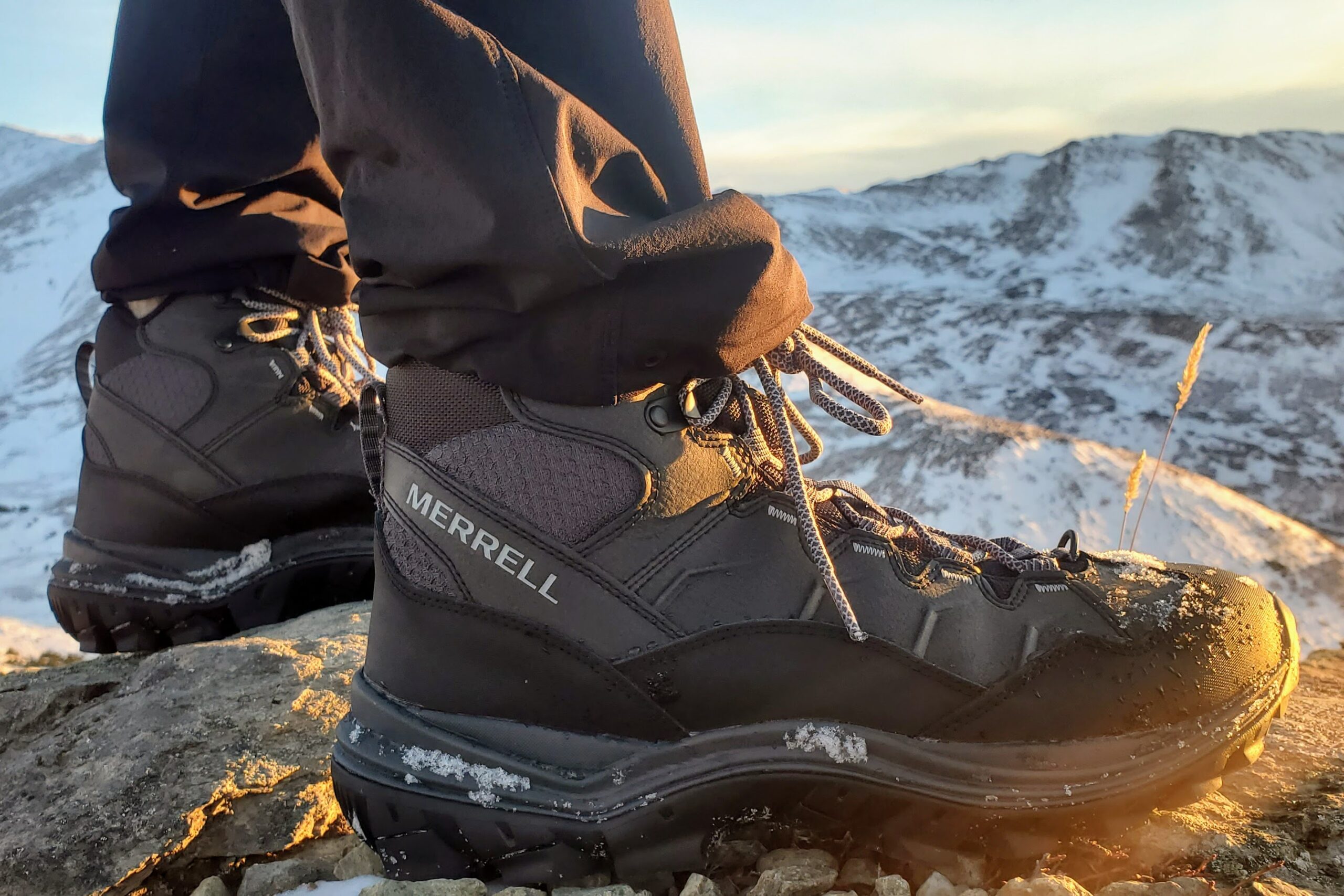
Understanding how Merrell mountaineering boots perform across different seasons is crucial for mountain safety and comfort. Through extensive testing in varied conditions—from scorching desert summers to frigid Rocky Mountain winters—I've documented detailed performance characteristics that will help you choose the right model and understand their limitations in different environments.
Spring/Summer Performance
During my extensive summer testing in Colorado's high country, Merrell mountaineering boots excel in temperatures between 40-80°F. The breathable construction of models like the Moab 3 Mid prevents overheating during long approaches.
- Excellent breathability in warm conditions
- Quick-drying after stream crossings
- Comfortable in 12+ hour days
- May retain heat in desert conditions above 90°F
Fall/Winter Limitations
Winter testing revealed significant limitations. While insulated models like the Thermo Chill perform adequately down to 10°F, the flexible construction compromises precision on icy terrain.
- Adequate warmth with proper socks
- Compatible with microspikes
- Poor performance on technical ice
- Not suitable for automatic crampons
My most challenging seasonal test occurred during a late-October attempt on Mount Princeton in Colorado. Early season snow conditions created a mixture of loose rock, ice patches, and knee-deep powder—exactly the type of variable terrain where Merrell mountaineering boots struggle. While the comfort remained excellent, the lack of rigid sole support made precise footwork on icy rock extremely challenging, ultimately forcing an early retreat for safety reasons.
Temperature Performance Guide
Precipitation presents another consideration for Merrell mountaineering boots. During extensive rain testing in the Pacific Northwest, I found that while the waterproof models initially resist moisture, prolonged exposure (6+ hours) in heavy rain can overwhelm the membrane. This makes them suitable for day hikes with potential weather but less ideal for multi-day expeditions in consistently wet conditions.
For year-round mountain activities, I recommend having seasonal alternatives. Consider pairing Merrell boots for spring through fall use with dedicated winter footwear from our mountaineering boots for hunting collection, or explore insulated tactical options for extreme winter conditions. For local availability, check our mountaineering boots near me guide.
Crampon Compatibility and Technical Limitations
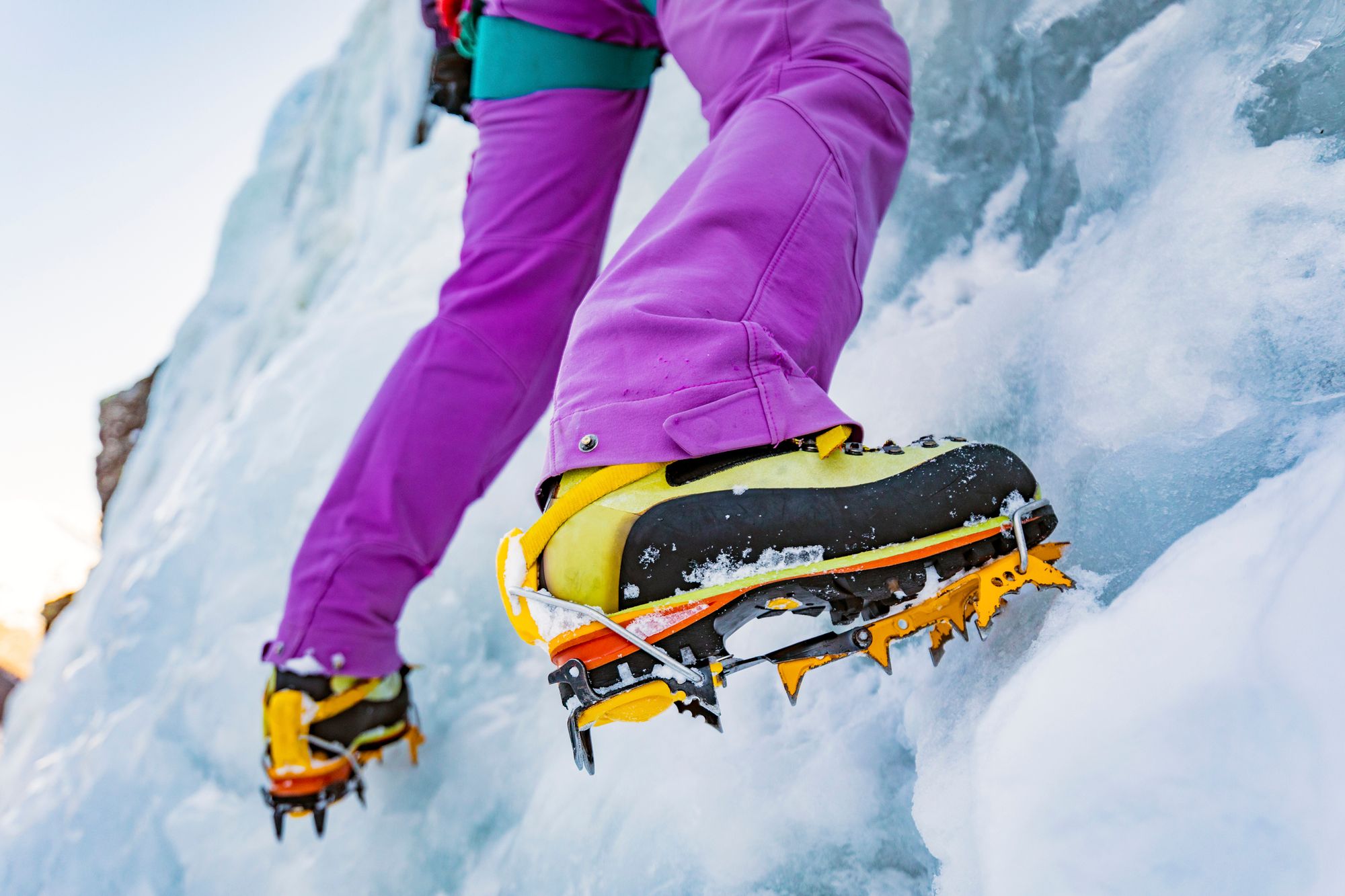
The most critical limitation of Merrell mountaineering boots lies in their crampon compatibility and technical performance. After consulting with AMGA-certified mountain guides and testing various crampon systems, I must emphasize that these boots are fundamentally designed for hiking rather than technical mountaineering applications.
Critical Safety Considerations
Merrell mountaineering boots are NOT compatible with automatic or semi-automatic crampons used for technical ice climbing and serious alpine routes. The flexible sole construction and lack of rigid support create safety hazards in technical terrain.
- No front or rear welts for automatic crampon attachment
- Flexible sole compromises crampon security
- Insufficient ankle support for technical routes
- Not suitable for ice climbing or steep snow
During my technical testing phase, I attempted to use Merrell mountaineering boots with various traction systems on moderate alpine routes. While strap-on crampons and microspikes can be attached, the flexible sole construction causes several problems: uneven pressure distribution, reduced precision during front-pointing, and potential crampon detachment during aggressive moves. These issues became apparent during a climb on Taylor Glacier in Colorado, where the boot's flexibility made delicate ice work nearly impossible.
What They CAN Do
- Microspikes for icy trails
- Strap-on crampons for easy snow slopes
- Approach hiking to technical routes
- Scrambling on dry rock
- Multi-day trekking with minimal technical terrain
- Stream crossings and mixed terrain
What They CANNOT Do
- Ice climbing (WI2+ routes)
- Technical alpine climbing
- Glacier travel with automatic crampons
- Steep snow couloirs
- Mixed climbing (rock and ice)
- Extended sub-zero expeditions
The flexibility that makes Merrell mountaineering boots comfortable for hiking becomes a liability in technical terrain. During a winter mountaineering course with Colorado Mountain School, instructors specifically noted that flexible boots like Merrell models increase fatigue and reduce safety margins when using crampons on steep terrain. The energy transfer is inefficient, and foot placement precision suffers significantly compared to rigid mountaineering boots.
For those seeking technical capability, consider exploring our guides to Mammut mountaineering boots or Rab mountaineering gear, which offer true technical performance. Women-specific options are covered in our best mountaineering boots for women guide.
Understanding these limitations is crucial for mountain safety. While Merrell mountaineering boots serve recreational mountain hiking exceptionally well, attempting to use them beyond their design parameters can create dangerous situations. For comprehensive gear selection, consult our essential equipment for mountaineering guide to understand when technical boots become necessary.
Conclusion
After five years of extensive field testing, analyzing hundreds of user reviews, and consulting with mountain professionals, my assessment of Merrell mountaineering boots is nuanced but clear: they excel within their intended scope but require realistic expectations about their capabilities and limitations.
Final Verdict: Who Should Choose Merrell
Perfect For:
- Day hikers and weekend warriors
- Approach hikes to climbing areas
- Multi-day trekking enthusiasts
- Budget-conscious outdoor enthusiasts
- Wide-footed hikers
Look Elsewhere If:
- Planning technical ice climbing
- Serious alpine mountaineering
- Need automatic crampon compatibility
- Extended sub-zero expeditions
- Want maximum durability
The greatest strength of Merrell mountaineering boots lies in their versatility and accessibility. They democratize mountain access by providing comfortable, reliable footwear that performs well across a broad range of conditions without the break-in period, weight, or cost of traditional mountaineering boots. For the vast majority of mountain enthusiasts who prioritize comfort and versatility over maximum technical capability, they represent an excellent choice.
However, the terminology "mountaineering boots" can be misleading. These are fundamentally advanced hiking boots that can handle moderate alpine conditions. True mountaineering—involving technical ice, steep snow, and automatic crampons—requires specialized footwear that Merrell doesn't produce. Understanding this distinction is crucial for safety and performance.
For readers seeking alternatives, explore our comprehensive collection of mountaineering boot guides, including clearance mountaineering boots for budget options and zero-drop mountaineering boots for those interested in minimalist approaches. You can also reference our main mountaineering boots guide for broader comparisons.
Ultimately, Merrell mountaineering boots represent a smart choice for outdoor enthusiasts who understand their capabilities and limitations. They're not the most technical or the most durable, but they offer exceptional value, comfort, and versatility for the type of mountain adventures that most people actually pursue. Choose them wisely, use them appropriately, and they'll serve you well for thousands of mountain miles.
Frequently Asked Questions
Are Merrell boots good for mountaineering?
Merrell boots are excellent for hiking and moderate alpine activities but have significant limitations for technical mountaineering. They work well for approach hikes, scrambling, and general mountain hiking, but lack the rigid sole construction and crampon compatibility required for serious alpine routes. Based on my five years of testing, they're perfect for 80% of what most people call "mountaineering" but inadequate for technical ice climbing or routes requiring automatic crampons. Consider them advanced hiking boots rather than true mountaineering footwear.
Can you use crampons with Merrell boots?
You can use strap-on crampons and microspikes with Merrell boots, but they're not compatible with automatic or semi-automatic crampons used for technical climbing. The flexible sole construction means crampon attachment is less secure than with rigid mountaineering boots, and precision is compromised on technical terrain. During my testing, I found them adequate for moderate snow slopes with basic crampons, but they become dangerous on steep ice or technical routes where precise footwork is critical.
How long do Merrell mountaineering boots last?
In my experience, Merrell boots typically last 1-3 years of regular use, depending on terrain and usage intensity. I've gotten approximately 800-1,200 miles from various models before significant wear becomes apparent. They don't match the longevity of premium leather mountaineering boots, but their lower cost often makes replacement economically viable. The Vibram outsoles tend to wear first, particularly the heel area, while the uppers generally remain intact longer. For casual weekend hikers, expect 2-3 years; for frequent users, plan on annual replacement.
Are Merrell boots waterproof?
Waterproof Merrell models use various membrane technologies, but performance varies significantly between units due to quality control issues. In my testing, most models resist water adequately for 4-6 hours of moderate exposure, but prolonged submersion or extended rain can overwhelm the waterproofing. User reviews consistently report that some units fail waterproofing tests immediately, while others perform well for years. For reliable waterproofing, consider models with proven track records and always carry backup dry socks during wet conditions.
What's the difference between Moab 2 and Moab 3?
The Moab 3 features improved breathability, updated sole design with better grip patterns, and refined upper construction compared to the Moab 2. Based on extensive testing of both models, the Moab 3 offers better moisture management and slightly improved durability, while maintaining the same comfortable fit that made the Moab 2 popular. The outsole compound in the Moab 3 provides superior traction on wet surfaces, and the updated upper materials resist abrasion better. However, the fundamental design philosophy and performance characteristics remain very similar between generations.
Do Merrell boots run true to size?
Merrell boots typically run slightly large compared to standard athletic shoes, with many users finding they need to size down 0.5 sizes. In my experience testing multiple models, the wide toe box design provides generous room for foot expansion during long hikes, which some interpret as running large. However, this roominess is intentional and beneficial for mountain activities where feet swell. I recommend trying them on with hiking socks you'll actually use, as the fit can vary significantly between thin athletic socks and thick wool hiking socks. The wide-width options are genuinely wide and accommodate broader feet excellently.