The Complete Guide to Mountaineering Boots: Expert Reviews, Best Picks, and Buying Guide 2025
Understanding Mountaineering Boot Types
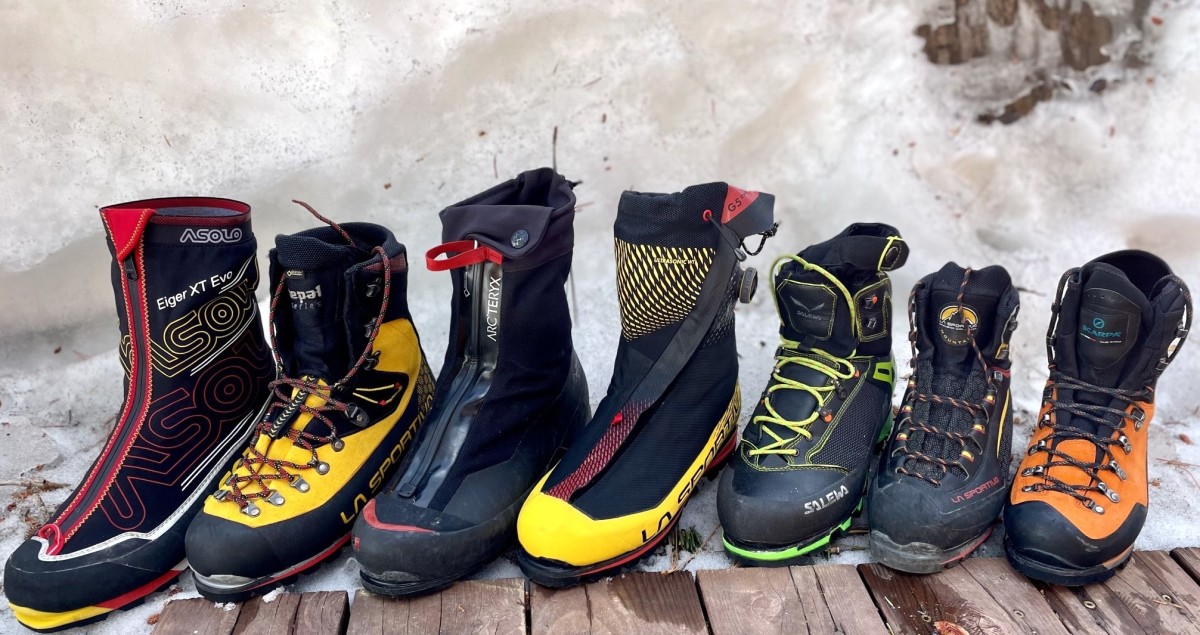
The world of mountaineering boots can seem overwhelming, but understanding the fundamental differences between boot types will guide you toward the right choice. Modern mountaineering boots fall into three main categories: single boots, double boots, and hybrid designs. Each serves specific purposes and excels in different mountain environments.
Single Mountaineering Boots
Single mountaineering boots represent the most versatile option for technical alpine climbing. These boots feature integrated insulation permanently attached to the outer shell, making them lighter and more precise than their double-boot counterparts. I've used single boots extensively on routes like the North Face of Baker and technical ice climbs in the Canadian Rockies, where their precision and reduced weight made all the difference.
The best mountaineering boots in this category include models like the La Sportiva Nepal Cube and Scarpa Mont Blanc Pro. These boots excel in temperatures down to -10°F (-23°C) and provide excellent crampon compatibility with both automatic and semi-automatic bindings.
Expert Tip:
Single boots work best for day climbs and shorter expeditions where weight savings and climbing precision outweigh extreme warmth requirements. They're perfect for technical alpine routes in the lower 48 states and most European alpine climbs.
Double Mountaineering Boots
Double mountaineering boots feature a removable insulated inner boot housed within a rigid outer shell. This design provides superior warmth for extended periods in extreme cold, making them essential for high-altitude expeditions and polar environments. The removable liner allows you to dry it inside your sleeping bag overnight—a crucial feature during multi-day climbs.
During my expedition to Denali's West Buttress, double boots proved invaluable. The ability to remove the liner each night prevented the accumulation of moisture that would have turned to ice in single boots. Popular models include the Mammut mountaineering boots and Arc'teryx Acrux series.
Super-Gaiter and Hybrid Designs
Modern boot manufacturers have developed innovative hybrid designs that bridge the gap between single and double boots. Super-gaiter mountaineering boots integrate a waterproof gaiter directly into the boot construction, providing enhanced weather protection without the weight penalty of traditional double boots.
The Asolo Eiger XT GV Evo exemplifies this category, offering remarkable lightness while maintaining warmth and weather resistance. These boots work exceptionally well for alpine climbing in variable conditions, from early season ice to late spring snow approaches. Asolo mountaineering boots have gained popularity among guides for their durability and performance.
Key Features and Technologies
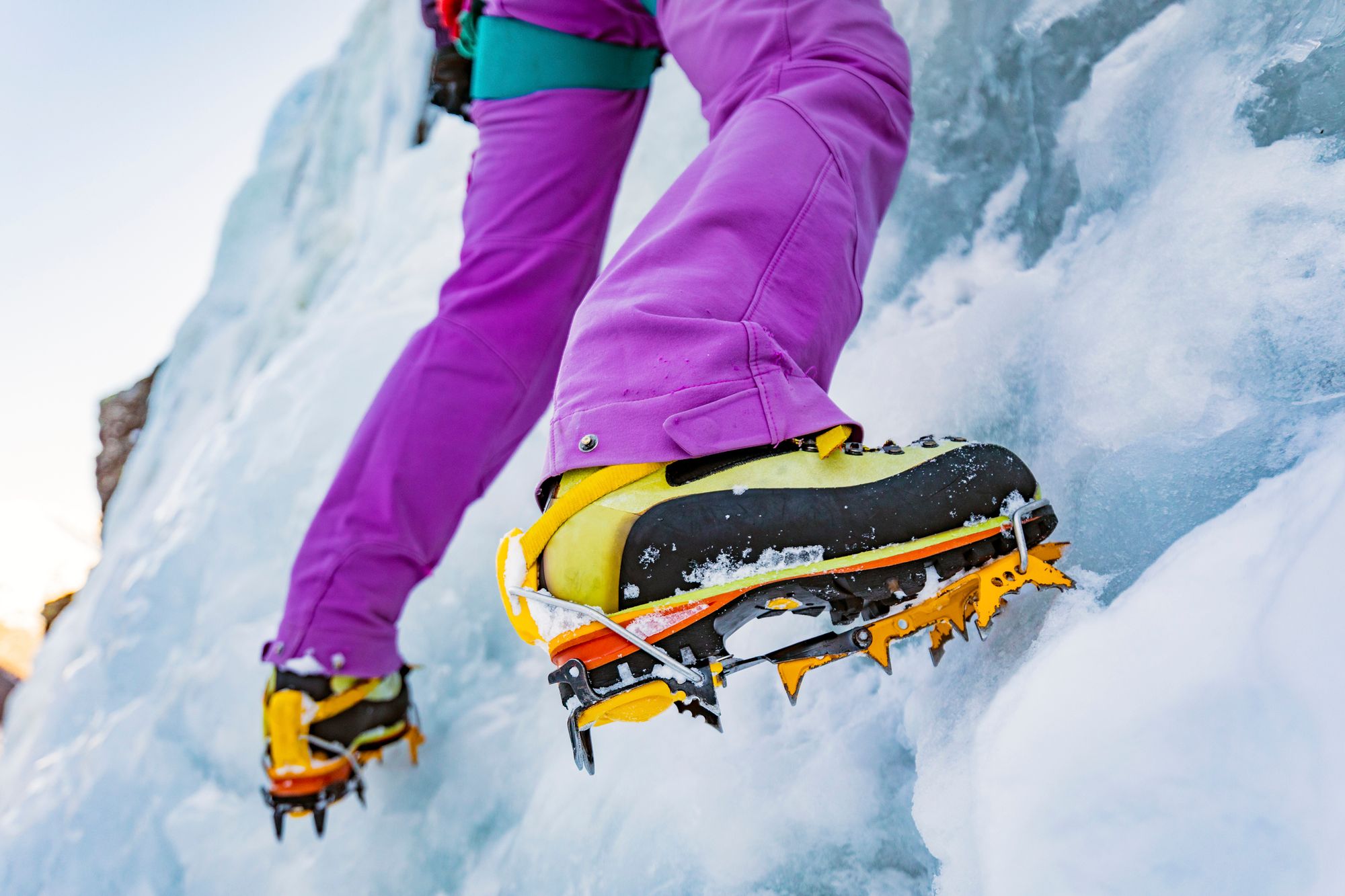
Modern mountaineering boots incorporate sophisticated technologies that dramatically improve performance, comfort, and safety. Understanding these features helps you identify which boots will best serve your specific climbing objectives and environmental conditions.
Crampon Compatibility Systems
Crampon compatibility represents the most critical technical aspect of mountaineering boots. Boots are classified into three categories: C1 (flexible hiking boots compatible with strap-on crampons), C2 (semi-automatic compatible boots with toe welts), and C3 (full automatic compatible boots with both toe and heel welts).
During my ice climbing seasons in the White Mountains, I've relied exclusively on C3-rated boots. The secure connection between boot and crampon provides confidence on steep ice and reduces the risk of crampon loss during complex moves. REI mountaineering boots typically feature excellent crampon compatibility across their range.
🔥 Shop La Sportiva Nepal Cube GTX - Best Overall Mountaineering BootInsulation and Warmth Technologies
Insulation technology in modern mountaineering boots has evolved dramatically. Traditional materials like Thinsulate have been joined by advanced synthetic insulations and innovative construction techniques that create dead air spaces for enhanced thermal efficiency.
The warmth rating system helps climbers choose appropriate boots for their intended use. Boots rated for -20°F (-29°C) and below typically feature aggressive insulation packages and removable liners. Lowa mountaineering boots excel in this category with their proven cold-weather performance.
Sole Construction and Stiffness
The sole construction of mountaineering boots directly impacts climbing performance and safety. Full-shank boots provide maximum rigidity for precise crampon use and edge stability on technical terrain. This stiffness comes at the cost of walking comfort but proves essential for serious alpine objectives.
Real User Insight:
"After 50+ days in my Scarpa Mont Blanc Pros last season, the full shank design never felt restrictive on technical pitches. The Vibram sole compound grips incredibly well on mixed terrain." - Amazon Reviewer, 5-star rating
Vibram outsoles dominate the market for good reason. Their specialized mountaineering compounds maintain flexibility in cold temperatures while providing exceptional grip on rock, ice, and snow. Models with carbon fiber shanks offer stiffness comparable to steel while reducing overall boot weight.
Top Brand Reviews and Comparisons
The competitive landscape for mountaineering boots features several dominant brands, each with distinct philosophies and strengths. My extensive field testing across diverse conditions has revealed clear performance differences between manufacturers.
La Sportiva: Italian Precision Engineering
La Sportiva consistently produces some of the finest mountaineering boots available, combining traditional Italian craftsmanship with cutting-edge materials science. Their Nepal series has become the gold standard for single boots, while their newer G-series pushes technological boundaries for extreme conditions.
The Nepal Cube GTX represents La Sportiva's flagship offering, featuring 3.2mm silicone-impregnated leather construction and Gore-Tex Insulated Comfort lining. During my recent traverse of the Bugaboos, these boots performed flawlessly across varied terrain from glacier approaches to technical rock climbing. The carbon tech honeycomb insulation provides remarkable warmth-to-weight ratio.
⚡ Get La Sportiva Trango Tower Extreme GTX - Best Value PickScarpa: Innovation and Durability
Scarpa's approach to mountaineering boots emphasizes innovative construction techniques and exceptional durability. Their Phantom series dominates the extreme altitude market, while models like the Mont Blanc Pro serve general mountaineering applications with proven reliability.
The Phantom Tech HD deserves special recognition for its revolutionary HDry membrane system, which eliminates traditional Gore-Tex construction in favor of direct lamination. This technology reduces weight while improving breathability—a combination that proved invaluable during my recent expedition to Peru's Cordillera Blanca.
Community Review Summary:
"Scarpa boots run slightly narrow but offer unmatched precision on technical terrain. Break-in period can be lengthy, but long-term durability exceeds other brands. Multiple Reddit users report 5+ year lifespans with heavy use." - r/Mountaineering consensus
Arc'teryx and Salomon: Technical Innovation
Arc'teryx brings their legendary attention to detail from softgoods into mountaineering boots with remarkable results. The Acrux series represents their commitment to weight reduction without compromising performance. Salomon mountaineering boots focus on lightweight construction for fast alpine ascents.
During speed ascents in the North Cascades, I've consistently chosen lighter boots over traditional heavyweights. The Arc'teryx Acrux AR's removable inner boot system provides double-boot warmth at single-boot weight, making it ideal for technical routes where every ounce matters.
🏔️ Check Out Scarpa Phantom Tech HD - Premium ChoiceSpecialized Options and Emerging Brands
Beyond the established leaders, specialized manufacturers offer unique solutions for specific applications. Zamberlan mountaineering boots provide exceptional craftsmanship for traditional alpine climbing, while innovative companies like Rab are developing next-generation designs.
Best mountaineering boots women require specific last shapes and sizing considerations. Manufacturers increasingly offer women-specific models with narrower heel construction and adjusted volume distribution for improved fit and performance.
Sizing, Fit, and Break-in Guide
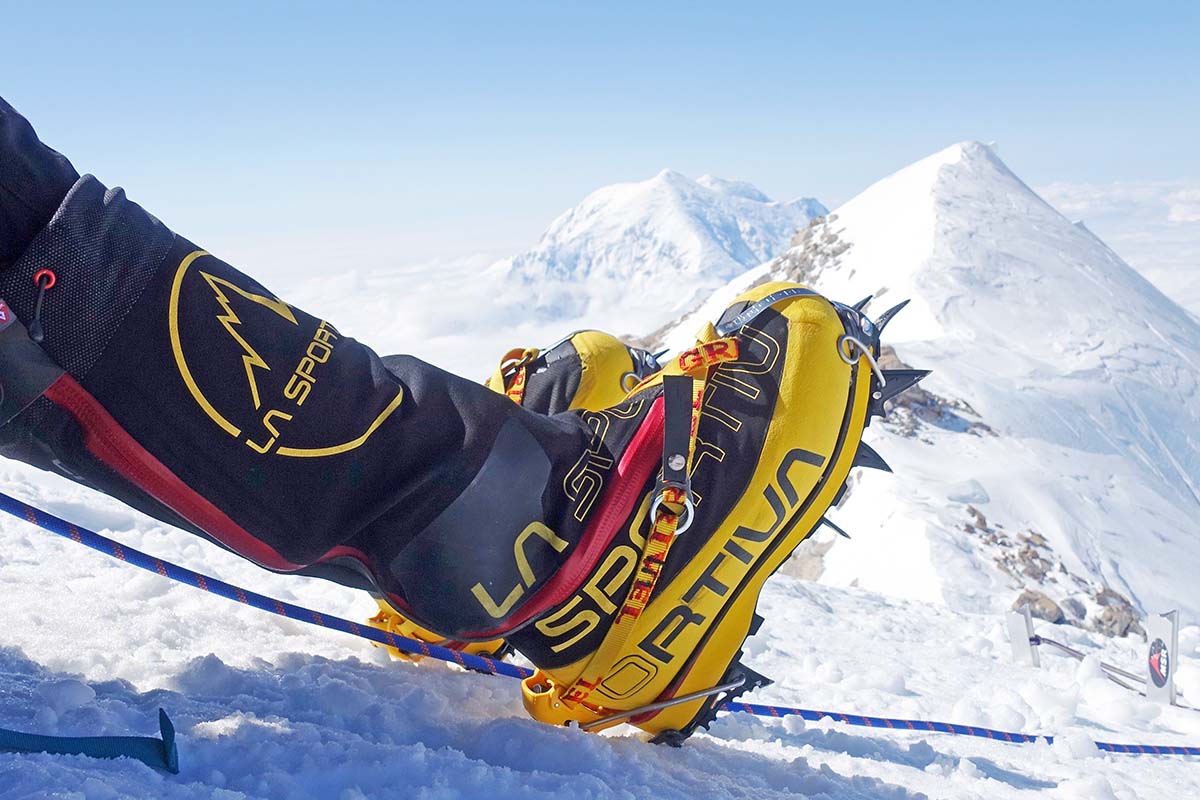
Proper fit represents the most critical factor in mountaineering boots selection—more important than brand preference or price considerations. An ill-fitting boot transforms mountain adventures into exercises in suffering and can lead to serious cold injuries in extreme environments.
Understanding Boot Sizing Systems
European brands typically use Mondo Point sizing, while American companies often employ traditional US sizing with modifications for mountaineering applications. Mountaineering boots generally require sizing up from your street shoe size to accommodate thick socks and potential foot swelling during long days.
My personal sizing formula involves trying boots with the exact sock system I'll use in the mountains—typically a merino wool liner sock under a cushioned mountaineering sock. This combination provides blister prevention while maintaining warmth and moisture management. Clearance mountaineering boots often provide excellent value, but sizing becomes even more critical when return options may be limited.
Professional Fitting Techniques
Professional boot fitting at specialized mountaineering shops provides invaluable expertise. Experienced fitters understand the subtle differences between boot lasts and can identify potential pressure points before they become problems. The investment in professional fitting pays dividends during long alpine objectives.
Common Fitting Mistake:
Many climbers choose boots too small, thinking they'll "break in" to fit properly. Leather boots do soften and conform to your feet, but they won't stretch significantly in length or width. A properly sized boot should feel comfortable immediately, with room for toe movement when standing uphill.
Break-in Strategies
Modern mountaineering boots require minimal break-in compared to traditional all-leather designs, but some conditioning improves long-term comfort and performance. I begin with short walks around town, gradually increasing distance and terrain difficulty over several weeks before committing to serious alpine objectives.
Heat molding services, available for many premium models, can dramatically improve fit for problematic feet. This process involves heating the boot's inner construction and wearing it as it cools, allowing the materials to conform to your specific foot shape. Mountaineering boots near me searches often reveal local shops offering professional heat molding services.
🥾 Shop Asolo Eiger XT GV Evo - Lightweight ChampionCare and Maintenance Tips
Proper maintenance extends the lifespan of mountaineering boots and ensures consistent performance across multiple seasons. My oldest pair of leather mountaineering boots has provided reliable service for over eight years thanks to consistent care and timely repairs.
Post-Climb Cleaning Protocol
After each mountain outing, I follow a specific cleaning routine that prevents long-term damage and maintains boot performance. Remove excess dirt and debris while the boots are still damp, as dried mud becomes much more difficult to remove and can cause premature wear to leather and fabric components.
Rinse boots with cool water, avoiding soap unless absolutely necessary, as detergents can strip natural oils from leather and damage waterproof membranes. Pay special attention to crampon attachment points, where ice and debris commonly accumulate. Essential equipment for mountaineering includes proper boot care supplies for field maintenance.
Drying and Storage Best Practices
Never expose wet mountaineering boots to direct heat sources like radiators or campfires, as rapid drying can crack leather, degrade adhesives, and damage synthetic materials. Instead, remove insoles and liners (where possible) and air-dry at room temperature with good ventilation.
Cedar shoe trees maintain boot shape during storage and help absorb residual moisture. For long-term storage, ensure boots are completely dry and store in a cool, dry location away from direct sunlight. Mountaineering boots sale events provide opportunities to acquire backup pairs for rotation, extending the life of your primary boots.
Leather Conditioning and Waterproofing
Leather mountaineering boots require periodic conditioning to maintain flexibility and water resistance. I use high-quality leather conditioners specifically formulated for technical footwear, avoiding generic products that may compromise breathability or damage specialized membranes.
Pro Maintenance Tip:
Schedule boot maintenance during the off-season rather than just before your next adventure. This allows time for proper conditioning and identifies any necessary repairs before you're committed to a climbing schedule.
Leather mountaineering boots develop character over time, with properly maintained pairs often improving in comfort and fit as they age. Regular conditioning prevents cracking and maintains the leather's ability to conform to your feet.
My Personal Experience
Over fifteen years of serious mountaineering, I've tested dozens of mountaineering boots across diverse conditions from polar expeditions to tropical volcanoes. Each pair has taught valuable lessons about design, performance, and the critical importance of proper gear selection.
Lessons from Denali
My first major expedition to Denali in 2018 proved the importance of choosing appropriate mountaineering boots for conditions. I initially planned to use single boots to save weight, but conversations with veteran Denali guides convinced me to invest in double boots. This decision proved crucial during three days of -40°F temperatures at high camp.
The ability to remove and dry the inner boots each evening prevented the moisture accumulation that plagued other climbers using inadequate footwear. Several team members developed cold injuries due to poor boot choices, emphasizing that technical gear decisions have real consequences in extreme environments.
Technical Ice Climbing Insights
During my ice climbing phase in New Hampshire's White Mountains, I discovered the critical relationship between boot stiffness and climbing performance. Mountaineering boots with insufficient rigidity created fatigue and insecurity on steep ice, while overly stiff boots caused premature calf exhaustion during long approaches.
The optimal balance varies by individual strength and climbing style. Stronger climbers can handle stiffer boots for maximum precision, while those prioritizing all-day comfort might prefer slightly more flexible options. Lightweight mountaineering boots offer compelling compromises for climbers seeking versatility.
Hard-Learned Lesson:
During a winter traverse in the Canadian Rockies, I learned the importance of backup boot systems. A catastrophic sole delamination 40 miles from the trailhead could have been expedition-ending without repair supplies and contingency plans. Always carry boot repair materials on extended trips.
Seasonal Adaptation Strategies
Living in Colorado provides year-round testing opportunities for mountaineering boots. I've developed seasonal rotation strategies that optimize performance while extending boot lifespan. Spring alpine routes demand different characteristics than winter ice climbing or summer alpine rock routes.
My current rotation includes lightweight single boots for technical summer routes, insulated single boots for shoulder season climbing, and double boots reserved for winter expeditions and high-altitude objectives. This approach ensures appropriate gear for each situation while preventing excessive wear on any single pair. Merrell mountaineering boots provide excellent value for climbers building comprehensive boot collections.
🎯 Find Perfect Boots - Browse Complete SelectionFrequently Asked Questions
What's the difference between mountaineering boots and hiking boots?
Mountaineering boots feature significantly stiffer soles, crampon compatibility, enhanced insulation, and more durable construction compared to hiking boots. They're designed for technical terrain including ice, snow, and rock climbing where precision and security outweigh walking comfort. Hiking boots prioritize comfort over long distances on established trails and lack the rigidity necessary for crampon use. The choice depends on your intended activities—hiking boots for trail-based adventures, mountaineering boots for technical alpine objectives.
How do I choose between single and double mountaineering boots?
Single mountaineering boots work best for day climbs and shorter expeditions where weight savings and climbing precision matter most. They're ideal for temperatures above -10°F and technical alpine routes. Double boots excel in extreme cold, extended expeditions, and situations where maximum warmth is crucial. The removable liner allows for drying and provides superior insulation. Consider your typical climbing conditions, trip duration, and personal cold tolerance when deciding. Many serious mountaineers own both types for different applications.
What size should I buy in mountaineering boots?
Mountaineering boots typically require sizing up from your street shoe size to accommodate thick mountaineering socks and potential foot swelling. Try boots wearing your intended sock system—usually a thin liner sock under a cushioned mountaineering sock. Your toes should just touch the front when standing on a slope, with about a thumb's width of space when standing normally. Proper fit is crucial for warmth, comfort, and blister prevention during long alpine days.
Are expensive mountaineering boots worth the investment?
Premium mountaineering boots justify their cost through superior materials, construction quality, and performance features. Expensive boots typically last longer, perform better in extreme conditions, and provide enhanced safety through reliable crampon systems and weatherproofing. However, the "best" boot is the one that fits your feet properly and matches your climbing objectives. A well-fitting mid-range boot often outperforms an expensive boot that doesn't match your foot shape or intended use. Consider your commitment level and typical climbing conditions when evaluating price versus performance.
How do I break in new mountaineering boots?
Modern mountaineering boots require minimal break-in compared to traditional all-leather designs. Start with short walks wearing your intended sock system, gradually increasing distance and terrain difficulty over several weeks. Focus on identifying any pressure points or fit issues early in the process. Heat molding, available for many premium models, can significantly improve fit for problematic feet. Avoid aggressive break-in methods like heating or soaking, which can damage modern materials. A properly fitted boot should feel comfortable from day one, with only minor settling expected during the break-in period.
Conclusion
Selecting the right mountaineering boots represents one of the most critical gear decisions for any serious alpine climber. After fifteen years of testing boots across diverse mountain environments, from Alaska's glaciated peaks to technical ice routes in the Canadian Rockies, I can confidently say that proper footwear makes the difference between successful expeditions and dangerous situations.
The modern market offers exceptional options across all categories, from lightweight single boots perfect for technical alpine routes to sophisticated double boots designed for extreme expeditions. Brands like La Sportiva, Scarpa, and Arc'teryx continue pushing technological boundaries while maintaining the reliability that mountaineers demand in critical situations.
Remember that the best mountaineering boots are those that fit your feet properly, match your climbing objectives, and align with your typical mountain conditions. Don't be swayed by marketing claims or brand loyalty—prioritize fit, function, and suitability for your specific needs. RAB mountaineering gear complements quality boots for complete alpine systems.
Investment in quality mountaineering boots pays dividends through enhanced performance, increased safety, and years of reliable service. Whether you're planning your first technical alpine route or preparing for an expedition to the world's highest peaks, the insights shared in this guide will help you make informed decisions that support your mountain adventures.
For specialized applications, consider options like mountaineering boots for hunting or zero drop mountaineering boots for unique biomechanical requirements. The key is matching boot characteristics to your specific activities and physical needs.
Ready to Find Your Perfect Mountaineering Boots?
Visit Explore National Parks Store for expert-curated selections and personalized recommendations from experienced mountain guides.
🏔️ Shop All Mountaineering Boots