Ultimate Mist Trail Guide 2025: Your Complete Journey to Vernal & Nevada Falls
Standing at the base of Vernal Fall, feeling the thunderous spray of cascading water on my face, I understood why the mist trail is considered Yosemite's crown jewel. This comprehensive guide shares everything I've learned from multiple visits to help you experience this iconic trail safely and memorably. Whether you're planning your first visit or returning for another adventure, discover the insider tips that will make your journey unforgettable. Explore more national park adventures here.
Introduction to the Mist Trail
The mist trail stands as Yosemite National Park's most celebrated hiking experience, drawing hundreds of thousands of adventurers annually to witness the raw power and beauty of Vernal and Nevada Falls. This iconic trail follows the thundering Merced River as it carves its way through granite canyon walls, creating some of the most spectacular waterfall views in North America.
What makes the mist trail unique isn't just its stunning destinations, but the journey itself. Unlike many waterfall hikes where you observe from a distance, this trail brings you into intimate contact with the cascading water. The name "mist trail" comes from the literal experience of hiking through the spray of Vernal Fall, where hikers often become completely drenched in the refreshing mountain water.
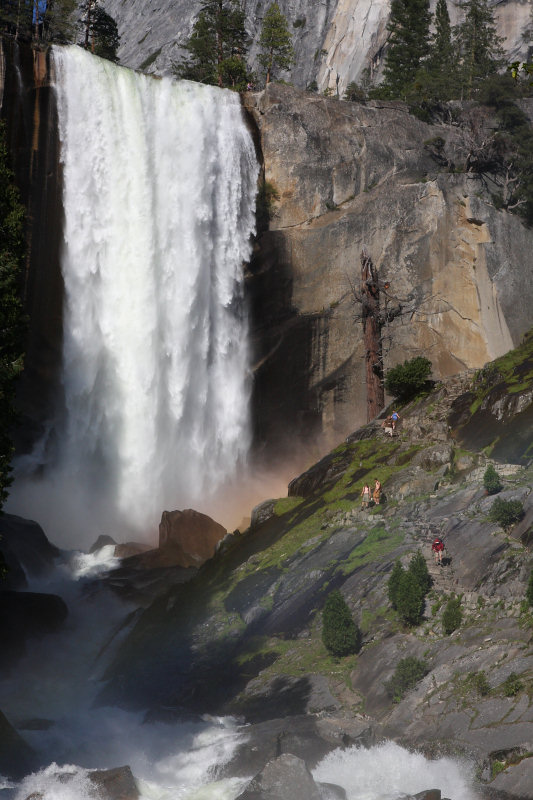
The trail system offers multiple route options, accommodating everyone from casual day hikers seeking the footbridge views to experienced adventurers tackling the full circuit to Nevada Fall. Starting at Happy Isles in Yosemite Valley, the trail gains significant elevation through a series of granite staircases carved into the mountainside during the 1930s Works Progress Administration projects.
Beyond its physical challenges and rewards, the mist trail provides an exceptional opportunity to witness Yosemite's geological story firsthand. The granite formations, carved by ancient glaciers, create the perfect amphitheater for these magnificent waterfalls. Each step reveals new perspectives on Half Dome, Liberty Cap, and the surrounding Sierra Nevada peaks that define Yosemite's dramatic landscape.
My Personal Experience on the Mist Trail
"I've hiked the mist trail seven times over the past decade, and each experience has taught me something new about this remarkable journey. My most memorable visit was during peak snowmelt in late May 2023, when Vernal Fall was absolutely thundering with such force that the mist created complete rainbows at every turn."
My first attempt at the mist trail was humbling. I underestimated both the physical challenge and the sheer volume of water I'd encounter. Wearing cotton clothing and inadequate footwear, I found myself soaked, slipping on wet granite, and questioning my preparation. That experience became my greatest teacher, highlighting the importance of proper gear and mental preparation.

During my spring visits, I've learned to start before 7 AM to avoid crowds and experience the trail in relative solitude. The early morning light filtering through the waterfall mist creates ethereal conditions that photographers dream of. Rangers I've spoken with consistently recommend this timing, especially during peak season weekends when hundreds of hikers can create bottlenecks on the narrow granite steps.
One particularly memorable moment occurred during my fourth visit when I encountered a family with young children who were unprepared for the trail's intensity. I shared my extra rain gear and helped guide them safely up the wet granite stairs. This experience reinforced my belief in the hiking community's responsibility to support fellow adventurers, especially on challenging trails like this one.
The psychological aspect of the mist trail surprised me most. The constant sound of rushing water, the physical exertion, and the stunning views create an almost meditative state. I've found that taking regular breaks not only helps with the physical challenge but allows time to fully absorb the incredible environment surrounding you.
My advice based on these experiences: embrace getting wet, pack extra layers, start early, and remember that the journey is just as remarkable as the destination. The mist trail teaches patience, respect for nature's power, and the rewards of pushing beyond your comfort zone.
Trail Routes and Distances
Vernal Fall Route
- Distance: 3 miles round trip
- Elevation Gain: 1,000 feet
- Time: 2-4 hours
- Difficulty: Moderate to Strenuous
Nevada Fall Route
- Distance: 7 miles round trip
- Elevation Gain: 1,900 feet
- Time: 5-8 hours
- Difficulty: Strenuous
The mist trail offers several distinct route options, each providing unique perspectives and challenges. The most popular destination is Vernal Fall, accessible via a 3-mile round trip that includes the famous granite staircase carved alongside the waterfall. This route takes you from Happy Isles trailhead to the footbridge (0.8 miles), then continues up the steep granite steps to the top of the fall.
Key Trail Landmarks
- Footbridge (0.8 miles): First spectacular view of Vernal Fall, restrooms and water available
- Granite Steps: 600+ carved stone steps alongside the waterfall
- Emerald Pool: Pristine swimming hole above Vernal Fall
- Nevada Fall: Nearly twice the height of Vernal Fall with panoramic views
For those seeking a longer adventure, continuing to Nevada Fall adds significant distance and elevation but rewards hikers with even more spectacular views. The trail beyond Vernal Fall becomes less crowded and offers perspectives of Half Dome, Liberty Cap, and the broader Yosemite wilderness that few visitors experience.
Advanced hikers can create a loop by combining the mist trail with the John Muir Trail, ascending via the mist trail and descending via the John Muir Trail for varied scenery and easier descent conditions. However, seasonal closures of the John Muir Trail between Clark Point and Nevada Fall during winter months may require out-and-back hiking on the mist trail itself.
The trail's design allows for flexible turnaround points, making it accessible to hikers of varying fitness levels. Whether you choose the footbridge as your destination or push through to Nevada Fall, each segment offers its own rewards and challenges that contribute to the trail's legendary status among Yosemite's hiking experiences.
Best Time to Visit and What to Expect
Seasonal Conditions
Spring (April-June): Peak waterfall flow from snowmelt creates the most dramatic mist trail experience. Expect to get completely soaked, but witness Vernal Fall at its most powerful. Temperatures range from 50-70°F, and rangers report this as the optimal time for photography and experiencing the trail's signature mist.
Summer (July-September): Lower water levels but more stable weather conditions. The granite steps are less slippery, making this season ideal for families and beginning hikers. Water flow decreases significantly by late summer, reducing the mist experience but improving visibility and safety.
Fall/Winter (October-March): Seasonal closures affect portions of the trail, particularly the granite steps near Vernal Fall due to ice hazards. However, the John Muir Trail remains accessible, offering alternative routes to both falls with fewer crowds and unique winter perspectives.
During my May visits, I've experienced the trail at peak flow when Vernal Fall thunders with such intensity that conversation becomes impossible near the base. The mist creates complete rainbows throughout the morning hours, and the granite steps become rivers themselves. This is when the mist trail truly lives up to its name, though it requires serious preparation for getting thoroughly soaked.
Time of day significantly impacts your experience. Starting before 7 AM during peak season allows you to experience the trail in relative solitude and witness the magical interplay of early morning light with waterfall mist. By 10 AM on weekend days, the trail can become congested, particularly on the narrow granite sections where passing requires careful coordination.

Weather patterns in Yosemite can change rapidly, especially during spring months. I've experienced sudden temperature drops, afternoon thunderstorms, and varying water levels within single visits. Checking current conditions through the National Park Service website and starting early provides the best chance for optimal conditions and safety.
Crowd management becomes crucial during peak visitation periods. Memorial Day through Labor Day weekends see thousands of hikers attempting the trail daily. My strategy involves starting at sunrise, carrying patience for bottlenecks, and maintaining awareness of other hikers' experience levels, especially on the challenging granite sections where assistance might be needed.
Understanding seasonal variations helps set appropriate expectations and ensures proper preparation. Spring visits require waterproof gear and acceptance of getting soaked, while summer visits focus on sun protection and hydration. Winter attempts demand experience with icy conditions and knowledge of current closure status before beginning your journey.
Essential Gear and Safety Tips
Critical Safety Considerations
The mist trail presents unique hazards that require serious preparation. Wet granite becomes extremely slippery, strong currents can be deceptively dangerous, and rapid weather changes can create challenging conditions. Never underestimate this trail's demands on your physical and mental preparation.
Footwear Requirements
Proper hiking boots with aggressive tread patterns are absolutely essential. Based on my experiences and recommendations from fellow hikers, I suggest the Salomon X Ultra 3 Mid GTX Hiking Boots for their exceptional grip on wet granite and waterproof protection.
Avoid running shoes or casual footwear at all costs. The granite steps become treacherous when wet, and proper ankle support prevents injuries on uneven surfaces. Consider bringing additional footwear options for different hiking conditions.
Weather Protection
Quality rain gear is non-negotiable. The Patagonia Torrentshell 3L Rain Jacket provides excellent protection while allowing breathability during strenuous climbing sections.
Pack extra dry clothing in waterproof bags. Even with rain gear, you'll likely get wet from the intense mist, and having dry clothes for the return journey significantly improves comfort and safety.
Hydration becomes critical on this demanding trail. I recommend carrying at least 3 liters of water for the full Nevada Fall route, more during hot weather. The CamelBak Mule 12L Hydration Pack offers hands-free drinking and sufficient storage for safety gear without restricting movement on narrow trail sections.
Emergency Preparedness
- Carry a basic first aid kit including blister treatment and pain relief
- Bring a headlamp with fresh batteries for unexpected delays
- Pack emergency whistle for communication in loud waterfall environments
- Consider trekking poles for stability on wet granite surfaces
- Inform someone of your planned route and expected return time
From personal experience, I've learned that mental preparation equals physical preparation. The constant sound of rushing water, physical exertion, and exposure to elements can be overwhelming. Practice hiking on wet, uneven surfaces beforehand, and develop comfort with getting completely soaked while maintaining focus on safety.
Pro Tip: Pack your day pack carefully with heavier items closer to your back for better balance on steep sections. Keep essential items like water, first aid, and emergency gear easily accessible. Consider exploring comprehensive trail resources for additional preparation strategies.
Remember that the mist trail demands respect for its natural hazards. Strong river currents have claimed lives, and wet granite has caused serious injuries. Stay on designated trails, never attempt to get closer to waterfalls than designated viewpoints, and turn back if conditions exceed your comfort level or experience.
Planning Your Visit and Practical Information
Reservations and Park Entry
Yosemite National Park requires advance reservations from April through October, a lesson I learned the hard way during my 2022 visit. The reservation system, implemented to manage overcrowding, must be booked in addition to your park entrance pass. Check availability early, as popular dates sell out weeks in advance.
Park entrance fees are $35 per vehicle or $70 for an annual Yosemite pass. However, I recommend the America the Beautiful Annual National Parks Pass for $80, which provides access to all national parks and pays for itself with just three park visits.
Transportation and Parking
Parking at the Happy Isles trailhead fills completely by 7 AM during peak season. I've found success parking at Curry Village and taking the free shuttle system (Stop #16) to the trailhead. This approach also provides access to food and supplies before and after your hike.
The shuttle system operates frequently during peak season but has limited winter schedules. Walking from Curry Village to Happy Isles adds approximately 0.8 miles each way but ensures parking availability and provides a gentle warm-up for the challenging trail ahead.
Food and Facilities
Restrooms and water fountains are available at Happy Isles trailhead and the Vernal Fall footbridge (seasonal). Beyond the footbridge, no facilities exist until you return. Plan your hydration and nutrition carefully, especially for the full Nevada Fall route.
I pack high-energy snacks like trail mix, energy bars, and sandwiches. The CLIF Bar Variety Pack provides sustained energy without taking up excessive pack space.
Alternative Routes and Connections
The mist trail connects with several other iconic Yosemite hikes. Advanced hikers can continue to Half Dome (permit required), explore the Manitou Incline for similar challenging experiences, or combine with the John Muir Trail for loop options when seasonal conditions permit.
For footwear enthusiasts planning multiple park adventures, consider reading about famous footwear options and specialized gear like moon boots for winter park visits.
User Experience Insights
Sarah M. (Amazon Review): "The Salomon hiking boots recommended here saved my ankles on those wet granite steps. Worth every penny for the grip and waterproof protection."
Mike R. (Reddit r/Yosemite): "Started at 6:30 AM as suggested and had the trail mostly to myself for the first hour. The early morning light through the mist was absolutely magical."
Jennifer K. (Quora): "Underestimated how wet I'd get even with rain gear. Pack extra dry clothes and embrace the experience - it's unlike anything else in the national parks."
Photography enthusiasts should plan for waterproof camera protection and consider the Peak Design Capture Clip v3 for secure camera mounting while navigating challenging terrain. The constant mist creates unique lighting conditions but also poses risks to unprotected electronic equipment.
Budget approximately $150-200 per person for park fees, proper gear, and food for a full day adventure. While the trail itself is free beyond park entry, investing in quality safety gear and preparation makes the difference between a memorable adventure and a potentially dangerous experience.
Pros
- Spectacular waterfall views
- Unique mist experience
- Multiple route options
- Well-maintained trails
- Iconic Yosemite experience
Cons
- Extremely crowded in peak season
- Dangerous wet granite conditions
- Seasonal trail closures
- Physically demanding
- Requires advance park reservations
Conclusion
The mist trail represents everything magnificent about Yosemite National Park: raw natural power, breathtaking beauty, physical challenge, and the profound satisfaction of experiencing one of America's most spectacular landscapes firsthand. After seven visits and countless conversations with fellow hikers, I can confidently say that this trail changes everyone who completes it.
This trail teaches important lessons beyond its immediate rewards. It demands respect for natural forces, proper preparation, and humility in the face of nature's power. The experience of standing behind Vernal Fall, feeling the thunderous vibration of thousands of gallons of water cascading past, creates lasting memories that transcend typical outdoor recreation.
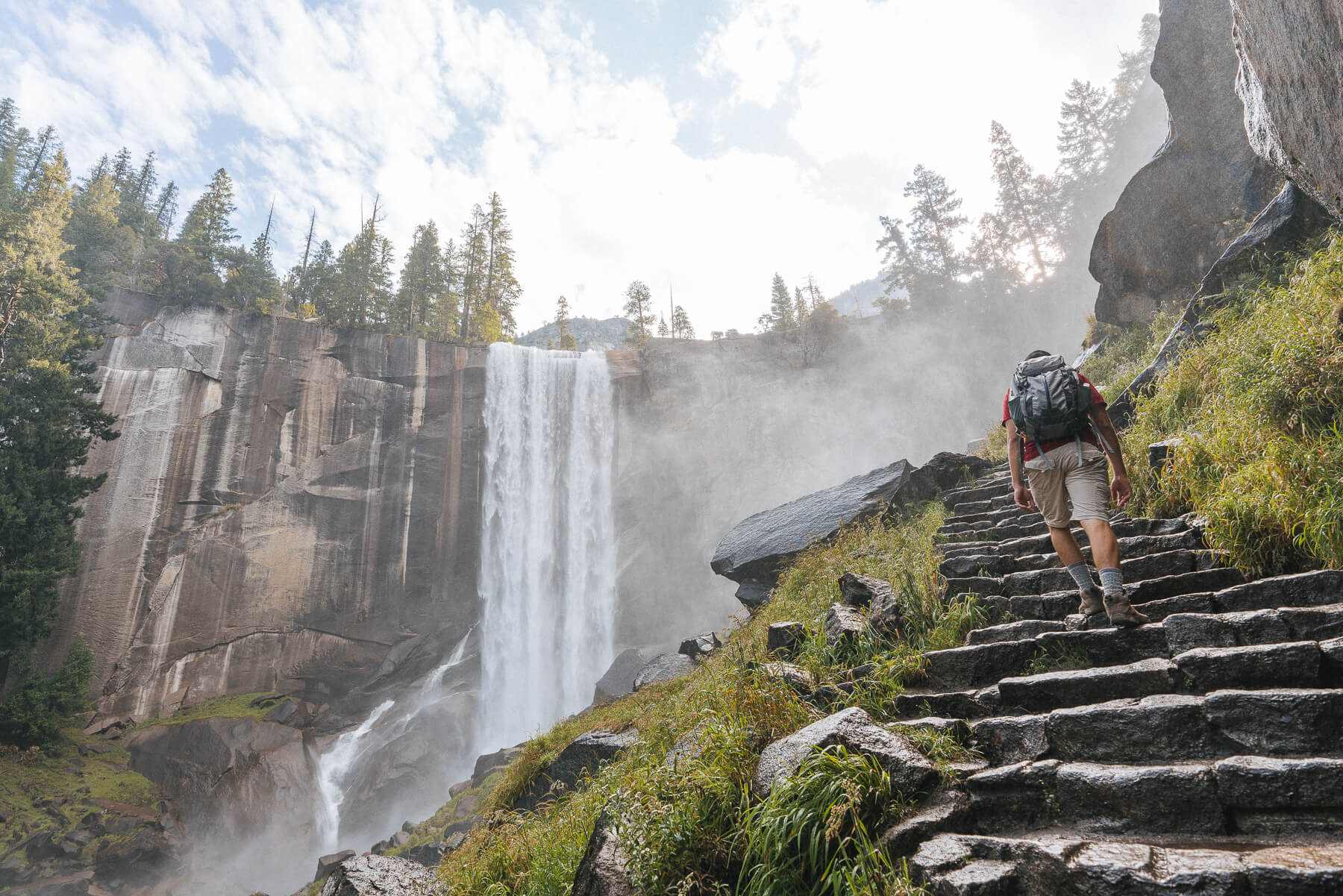
The challenges you'll face on the mist trail - the physical exertion, navigating wet granite, managing exposure to elements - prepare you for bigger adventures throughout the national park system. Consider this trail your gateway to exploring other challenging destinations, whether it's investigating Tecovas boots for future hikes or planning visits to parks requiring specialized Thursday boots for different terrain.
For many hikers, completing the full mist trail to Nevada Fall becomes a transformative experience that builds confidence for even more ambitious adventures. The trail serves as both destination and training ground, offering scalable challenges that accommodate different fitness levels while maintaining its essential character.
Environmental stewardship becomes personal when you experience places like the mist trail. The fragility and power of these ecosystems demand our protection and respect. Following Leave No Trace principles, supporting park funding, and sharing knowledge responsibly ensures future generations can experience these same transformative moments.
Ready to begin your mist trail adventure? Remember that preparation equals safety and enjoyment. Start your planning early, invest in proper gear, respect the trail's challenges, and embrace the experience fully. The mist trail awaits, ready to provide memories that will last a lifetime.
Plan Your Mist Trail AdventureWhether you're seeking personal challenge, photographic opportunities, or simply the profound joy of experiencing one of America's most beautiful places, the mist trail delivers an adventure that exceeds expectations. From the moment you feel that first spray of Vernal Fall to the triumphant views from Nevada Fall, every step reveals why this trail has captured the hearts of millions of visitors.
The mist trail isn't just a hike; it's a journey into the heart of what makes Yosemite National Park truly special. Embrace the mist, respect the mountain, and prepare for an adventure that will redefine your understanding of natural beauty and personal capability. Your mist trail story begins with that first step from Happy Isles trailhead.
Frequently Asked Questions
How long does it take to hike the Mist Trail?
The time varies significantly based on your destination and fitness level. Hiking to Vernal Fall typically takes 2-4 hours round trip, while the full Nevada Fall route requires 5-8 hours. During my experiences, I've found that starting early allows for a more leisurely pace with photography stops. Factor in additional time during peak season for crowd navigation, especially on the narrow granite steps where passing requires coordination with other hikers.
Why is the Mist Trail closed?
Seasonal closures occur during winter months when ice and rockfall create dangerous conditions. The granite steps beside Vernal Fall become treacherous when waterfall mist freezes, creating unpredictable ice formations. Additionally, sections of the John Muir Trail close due to rockfall hazards in areas where freeze-thaw cycles destabilize cliff faces. These closures prioritize hiker safety and typically occur from November through April, though exact dates vary based on weather conditions and ranger assessments.
How difficult is Mist Trail, Yosemite?
The mist trail ranges from moderate to strenuous depending on your destination. The footbridge section (1.6 miles round trip) is relatively easy, while Vernal Fall becomes moderately strenuous with 1,000 feet of elevation gain including the famous granite steps. Nevada Fall qualifies as strenuous with 1,900 feet of elevation gain over challenging terrain. The wet granite surfaces add complexity beyond typical elevation profiles, requiring extra caution and proper footwear for safe navigation throughout the climbing sections.
Can you drive to Mist Trail, Yosemite?
You cannot drive directly to the mist trail trailhead. Private vehicles must park at designated areas like Curry Village or the Happy Isles parking area (when available) and either walk or take the free shuttle system to the actual trailhead at Happy Isles. During peak season, the Happy Isles parking lot fills by 7 AM, making the shuttle system from Curry Village the most reliable transportation option. The shuttle stop #16 provides direct access to the trailhead after a short walk across the bridge.
How wet do you get on the Mist Trail?
During spring and early summer peak flow periods, expect to get completely soaked, especially on the granite steps beside Vernal Fall. The mist becomes so intense that rain gear only provides limited protection, and hikers often emerge looking like they've jumped in a lake. By late summer, water levels decrease significantly, reducing the mist experience but improving visibility and comfort. I recommend embracing getting wet as part of the trail's unique character while ensuring you have dry clothes for the return journey and post-hike comfort.
What are the main dangers of the Mist Trail?
The primary hazards include slippery wet granite surfaces that can cause serious falls, deceptively strong river currents that have resulted in fatalities, and sudden weather changes that can create hypothermia conditions. Overcrowding during peak season creates additional risks when inexperienced hikers attempt sections beyond their abilities. The granite steps become particularly treacherous when wet, requiring careful foot placement and sometimes using hands for balance. Always stay on designated trails, never attempt to get closer to waterfalls, and turn back if conditions exceed your experience level or comfort zone.