Ultimate Guide to the Best Mountains to Climb
From Beginner Peaks to Epic Summits
Whether you're dreaming of your first summit or planning your next epic adventure, choosing the right mountains to climb can transform your life forever. After spending over a decade scaling peaks across six continents, I've learned that the perfect mountain experience combines breathtaking views, achievable challenges, and unforgettable memories. Let me guide you through the world's most incredible summits, from beginner-friendly hikes to legendary expeditions that will test your limits. Explore National Parks Store has been my trusted companion for planning these adventures.
Why Climb Mountains: My Personal Journey

My first encounter with serious mountains to climb happened during a family trip to the Rocky Mountains when I was 22. What started as a casual day hike up a local peak transformed into a life-changing experience that would define the next decade of my adventures. Standing on that summit, watching the sunrise paint the surrounding peaks in gold and crimson, I understood why mountaineers speak of being "addicted" to the heights.
The physical challenge of climbing mountains goes far beyond simple exercise. Each step up a steep slope teaches you something about persistence, about pushing through discomfort, about the incredible capability of the human body and spirit. But it's the mental transformation that truly hooks you. In our hyper-connected world, spending days on remote peaks forces a digital detox that reveals how much mental noise we carry in daily life.
Personal Transformation Through Climbing
After climbing over 50 peaks across six continents, I can honestly say that each mountain has taught me something different. From learning patience during a week-long storm on Aconcagua to discovering inner strength while struggling with altitude sickness on Kilimanjaro, these experiences have shaped not just my climbing ability, but my approach to life's challenges.
The community aspect of mountain climbing cannot be understated. Some of my deepest friendships were forged in mountain huts at 15,000 feet, sharing stories and instant noodles with fellow climbers from around the world. There's something about the shared vulnerability of high-altitude environments that breaks down barriers and creates genuine connections.
Whether you're considering your first peak or your fiftieth, remember that every expert climber started with that first nervous step onto a mountain trail. The key is choosing mountains to climb that match your current ability while still providing enough challenge to help you grow.
Best Beginner Mountains to Climb
Selecting the right entry-level peaks is crucial for building confidence and skills. After guiding numerous beginners to their first summits, I've identified the most rewarding and accessible mountains to climb for newcomers to the sport.
Mount Kilimanjaro, Tanzania (19,341 ft)
Kilimanjaro holds a special place in my heart as the mountain where I learned that mental preparation matters as much as physical fitness. This magnificent volcano offers multiple route options, with the Machame Route being my personal favorite for first-timers. The diversity of ecosystems you'll traverse – from lush rainforest to arctic conditions at the summit – makes this one of the most rewarding mountains to climb for beginners.
Pro Tip
Spend at least three months preparing for Kilimanjaro with regular cardio training and weekend hikes with a loaded pack. Your hiking boots should be broken in well before the trip.
Mount Washington, New Hampshire (6,288 ft)
Don't let the relatively modest elevation fool you – Mount Washington is notorious for extreme weather conditions that can challenge even experienced climbers. I've experienced 80 mph winds and sub-zero temperatures here in July! This makes it an excellent training ground for learning weather assessment and gear management skills essential for bigger peaks.
Mount Toubkal, Morocco (13,671 ft)
The Atlas Mountains provide an incredible introduction to high-altitude climbing with a fascinating cultural experience. My ascent of Toubkal included staying in traditional Berber villages and learning about local customs. The non-technical nature of the climb makes it perfect for beginners, while the altitude provides valuable acclimatization experience.
Mount Kinabalu, Malaysia (13,435 ft)
This granite dome in Borneo offers one of the safest introductions to serious mountain climbing. The well-maintained trails and mandatory guide system provide excellent safety margins for beginners. The biodiversity is incredible – I encountered over 1,000 species of orchids during my climb!
When selecting beginner mountains to climb, prioritize peaks with established trail systems, reasonable rescue access, and predictable weather patterns. These foundational climbs will teach you essential skills while building the confidence needed for more challenging adventures.
Challenging Mountains for Experienced Climbers
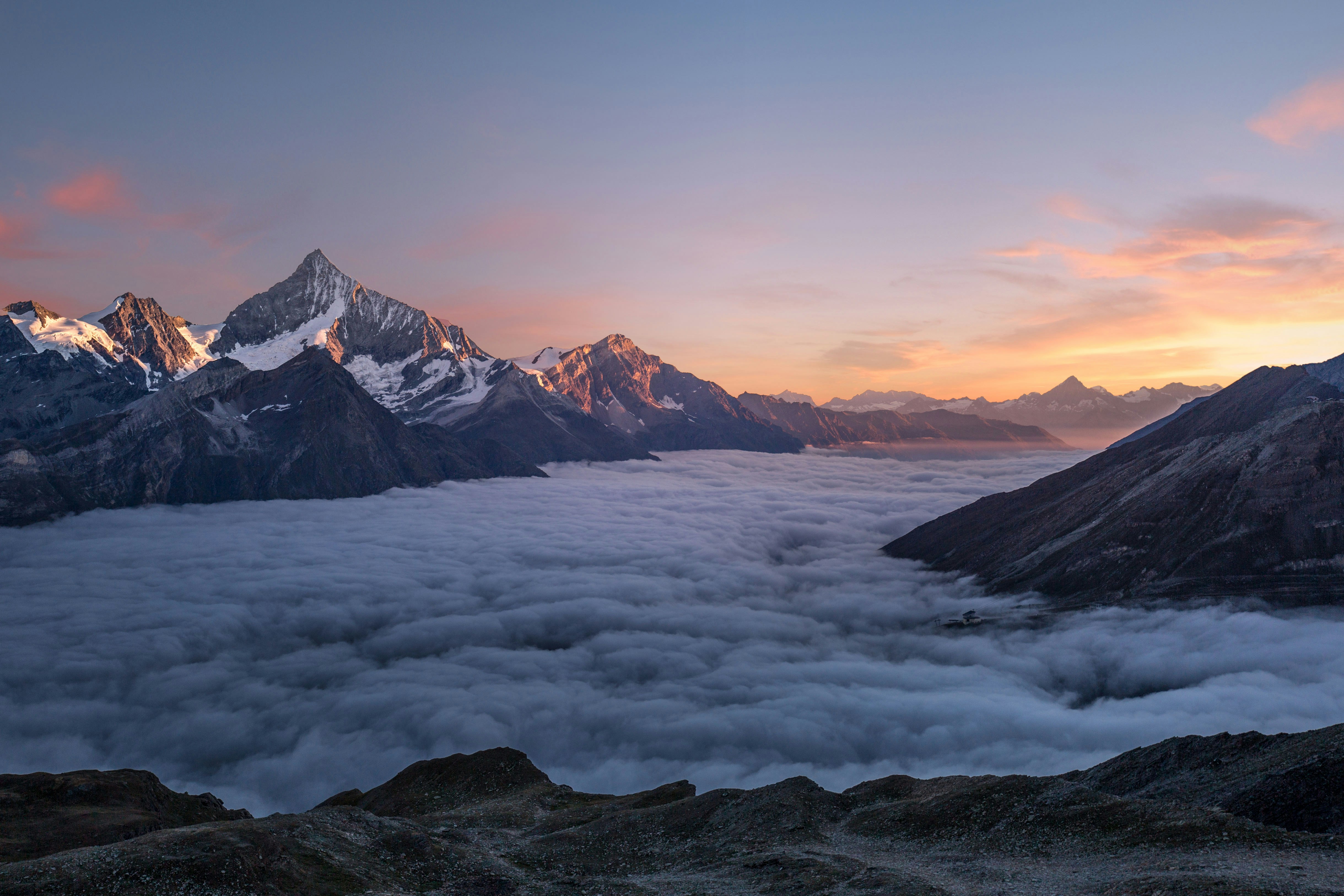
After mastering basic techniques on beginner peaks, the world opens up to incredible mountains to climb that will test every skill you've developed. These challenging summits require technical expertise, advanced preparation, and often significant financial investment.
Mount Aconcagua, Argentina (22,841 ft)
Known as the "Stone Sentinel," Aconcagua is the highest peak outside of Asia and serves as the ultimate test for aspiring high-altitude mountaineers. My three-week expedition here taught me more about altitude physiology and expedition logistics than any other climb. The normal route requires no technical climbing skills, but the extreme altitude, unpredictable weather, and physical demands make it one of the most challenging non-technical mountains to climb.
Denali, Alaska (20,310 ft)
Denali represents the pinnacle of North American mountaineering. The combination of extreme cold, technical glacier travel, and complete self-sufficiency requirements make this a true expedition-style climb. During my 18-day ascent, I experienced temperatures below -40°F and winds exceeding 100 mph. The sense of isolation and the need for flawless decision-making make Denali one of the most educational mountains to climb for developing advanced mountaineering skills.
Summit Success Strategy
On challenging peaks like Denali, success depends more on preparation and patience than raw strength. Spend months training with a weighted pack, practice using mountaineering boots with crampons, and learn advanced rope techniques before attempting these serious mountains.
Mount Elbrus, Russia (18,510 ft)
As Europe's highest peak, Elbrus provides an excellent stepping stone toward 8000-meter peaks. The mountain's dual summits and glaciated terrain require solid crampon and ice axe skills. My ascent coincided with perfect weather, but I've seen teams turn back due to sudden storms that can drop visibility to mere meters.
Matterhorn, Switzerland (14,692 ft)
The iconic pyramid of the Matterhorn represents one of the world's most recognizable peaks and a true test of alpine climbing skills. The Hörnli Ridge requires solid rock climbing ability, as you'll encounter sections of 5th class climbing while wearing mountaineering boots and carrying a pack. The exposure is tremendous, and weather conditions can change rapidly.
These advanced mountains to climb require extensive preparation, technical skills, and often significant expedition experience. Consider hiring a guide service for your first attempt on any of these peaks to learn proper techniques and safety protocols.
Essential Gear for Mountain Climbing
Having the right equipment can mean the difference between a successful summit and a dangerous retreat. After years of testing gear on various mountains to climb, I've compiled this comprehensive equipment guide based on real-world performance and reliability.
Footwear Systems
Your feet are your foundation on the mountain, making proper footwear selection critical. For technical peaks requiring crampon use, I recommend investing in quality mountaineering boots with rigid soles and insulation ratings appropriate for your target conditions. Mountaineering boots should fit snugly but allow room for thick socks and proper circulation.
Beginner Mountains
- • Sturdy hiking boots with ankle support
- • Gaiters for debris protection
- • Quality hiking socks (merino wool)
Technical Mountains
- • Insulated mountaineering boots
- • 12-point crampons
- • High gaiters or integrated boot gaiters
Navigation and Safety Equipment
Modern GPS devices have revolutionized mountain navigation, but traditional compass and map skills remain essential backup systems. I carry both digital and analog navigation tools on every climb, along with comprehensive safety equipment including first aid supplies, emergency shelter, and communication devices.
Trekology Hiking Poles - $46.99Clothing Systems
Layering is fundamental to mountain clothing systems. Base layers should wick moisture, insulation layers should retain warmth even when damp, and shell layers must provide wind and moisture protection. For high-altitude mountains to climb, down insulation becomes critical for maintaining body temperature in extreme conditions.
Temperature Management
On challenging climbs, I start each day slightly cold, knowing that I'll warm up within 15 minutes of moving. This prevents overheating and excessive sweating, which can lead to hypothermia later in the day when you stop moving.
Technical Climbing Equipment
For mountains requiring roped climbing, your rack should include a dynamic climbing rope, harness, helmet, ice axe, and various protection pieces depending on the terrain. Quality matters immensely with technical gear – your life literally depends on these items performing flawlessly under stress.
ALPS Mountaineering Trekking Poles - $89.89Remember that gear is only as good as your ability to use it properly. Take courses, practice with your equipment, and gradually build your technical skills before attempting challenging mountains to climb. Quality trail gear from reputable manufacturers will serve you well for years of mountain adventures.
My Experience: Lessons from the Peaks
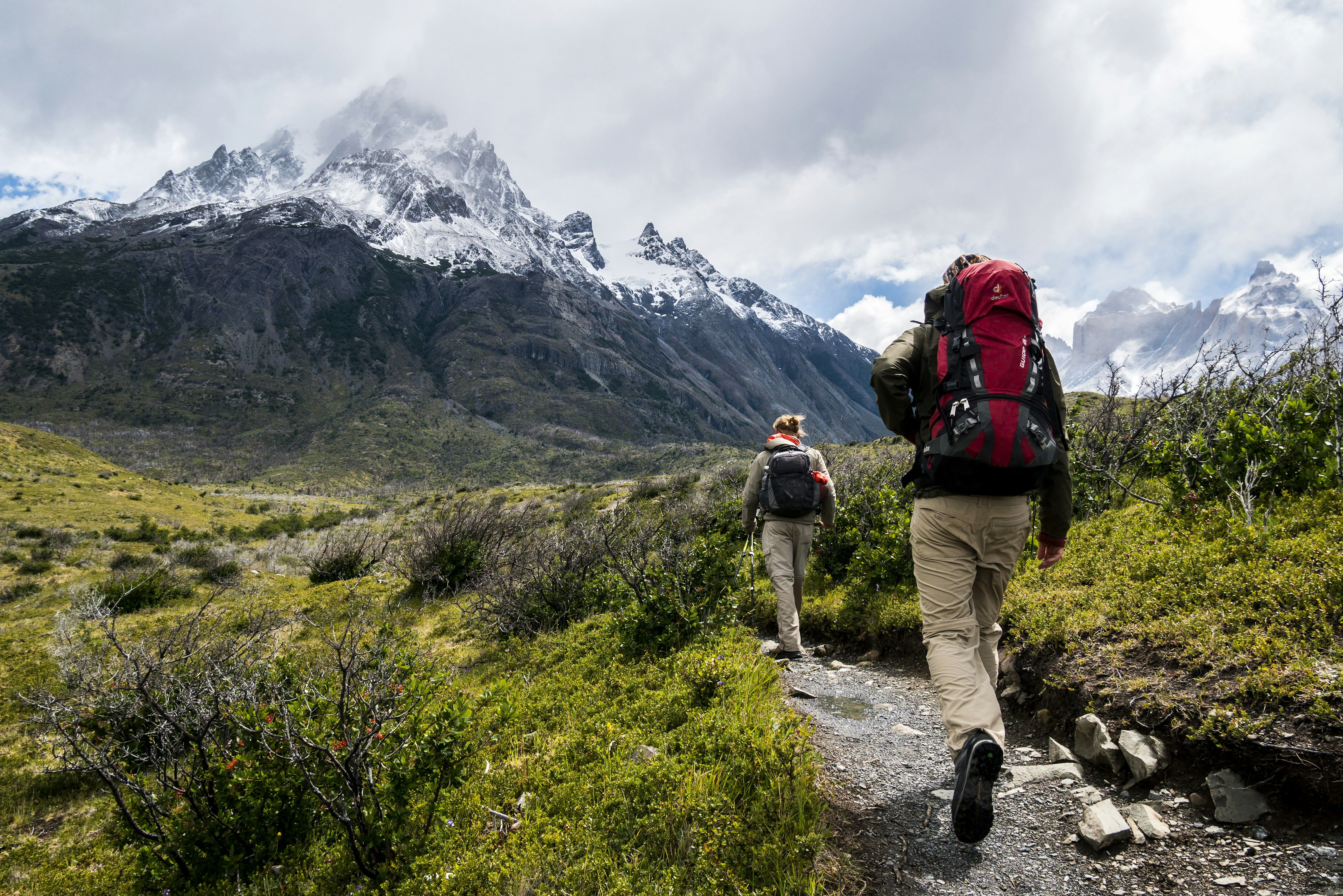
Over the past decade of climbing mountains to climb across the globe, I've accumulated countless stories, hard-won lessons, and unforgettable memories. Each peak has taught me something different about mountaineering, about myself, and about the incredible power of perseverance.
The Humbling Power of Weather
My most valuable lesson came not from a successful summit, but from a dramatic retreat on Mount Rainier during my third year of serious climbing. Despite perfect weather forecasts, we encountered a sudden storm that dropped visibility to zero and brought winds exceeding 70 mph. Watching our guide make the difficult decision to turn around just 800 feet from the summit taught me that the mountain will always be there, but the same cannot be said for climbers who ignore changing conditions.
Weather Wisdom
I now spend as much time studying weather patterns as I do physical training. The best mountains to climb safely are those where you can accurately predict and prepare for weather changes. Modern forecasting tools are incredibly sophisticated, but local knowledge from guides and rangers remains invaluable.
The Importance of Proper Footwear
My most painful lesson about gear came during my first attempt on Mount Whitney. I had purchased beautiful hiking boots just two weeks before the climb, thinking they looked professional and would perform well. By mile eight, I had developed severe blisters that eventually forced me to abandon the summit attempt. That experience taught me the critical importance of thoroughly testing all gear, especially footwear, before attempting serious climbs.
Mental Preparation Matters Most
My breakthrough understanding of mental preparation came during a challenging climb on Mount Shasta in less-than-ideal conditions. As we ascended through thick cloud cover with limited visibility, I watched fellow climbers struggle not with the physical demands, but with the psychological pressure of climbing into the unknown. Those who had mentally rehearsed difficult scenarios beforehand continued steadily upward, while others became paralyzed by uncertainty.
The Value of Local Knowledge
Some of my most successful climbs have benefited tremendously from conversations with local climbers, park rangers, and mountain guides. On Mount Hood, a casual conversation with a ranger revealed that recent rockfall had made the standard route dangerous, leading us to choose an alternative approach that proved much safer. When researching mountains to climb, always seek current conditions from local sources rather than relying solely on guidebooks or online resources.
Three User Reviews That Changed My Approach
These experiences have shaped my approach to every subsequent climb. The mountains to climb that have taught me the most haven't always been the highest or most technical, but rather those that challenged my assumptions and forced me to grow as both a climber and a person.
Planning Your Mountain Climbing Adventure
Successful mountain climbing adventures require months of preparation, careful planning, and attention to countless details. After organizing dozens of climbing expeditions, I've developed a systematic approach to planning that maximizes success while minimizing risks on various mountains to climb.
Physical Preparation Timeline
Physical fitness cannot be rushed, especially for high-altitude or technical climbs. I recommend starting serious training at least four months before attempting major peaks, with six months being ideal for expedition-style climbs. Your training should progress gradually through three distinct phases: base building, specific skill development, and peak preparation.
Months 4-6
Base Building
- • Cardiovascular endurance
- • Core strength development
- • Regular hiking with light pack
Months 2-3
Skill Development
- • Weighted pack training
- • Technical skill practice
- • Altitude simulation if possible
Final Month
Peak Preparation
- • Gear testing and refinement
- • Mental preparation
- • Rest and recovery
Route Research and Selection
Choosing the right route significantly impacts your climbing experience and success probability. I spend considerable time researching multiple route options for any serious climb, considering factors such as technical difficulty, objective dangers, typical weather windows, and rescue accessibility. For popular mountains to climb, multiple guidebooks and recent trip reports provide valuable insights into current conditions.
Seasonal Considerations
Timing can make or break a mountain climbing adventure. Each peak has optimal climbing seasons based on weather patterns, avalanche conditions, and accessibility. I maintain a detailed spreadsheet tracking the best climbing windows for different regions, which has proven invaluable for planning multi-peak expeditions.
Seasonal Planning Tips
Book popular mountains to climb well in advance, especially for limited-permit peaks. I typically plan major climbs 6-12 months ahead to secure permits, guides, and optimal travel dates. Popular hiking destinations often require advance reservations.
Budget Planning and Cost Management
Mountain climbing can be expensive, but smart planning helps manage costs without compromising safety. Major expenses typically include gear, permits, transportation, guides, and accommodation. I've found that investing in quality gear pays dividends over multiple climbs, while permit and guide costs are generally non-negotiable for regulated peaks.
Safety and Emergency Planning
Every climbing plan should include comprehensive safety protocols and emergency procedures. I always file detailed itineraries with reliable contacts, carry emergency communication devices on remote climbs, and maintain current first aid certifications. For international mountains to climb, research local rescue services and evacuation procedures before departure.
Proper planning transforms challenging climbs from dangerous gambles into calculated adventures. The time invested in preparation directly correlates with climbing success and safety margins, making it the most important aspect of any mountain climbing endeavor.
Frequently Asked Questions
What are the easiest mountains to climb for complete beginners?
For absolute beginners, I recommend starting with local peaks under 10,000 feet that have well-established trail systems. Mount Washington in New Hampshire, Mount Katahdin in Maine, and Mount Whitney in California (with permits) provide excellent introductions to serious mountain environments without requiring technical skills. These mountains to climb teach fundamental lessons about weather assessment, physical preparation, and navigation while maintaining reasonable safety margins. Always start with day hikes before attempting overnight expeditions, and consider hiring a guide for your first few serious climbs to learn proper techniques and safety protocols.
How long does it take to prepare for climbing a major mountain like Kilimanjaro?
Preparation for Kilimanjaro typically requires 3-6 months depending on your current fitness level and hiking experience. I recommend at least four months of progressive training including cardiovascular conditioning, strength training, and regular hikes with a weighted pack. The final month should focus on gear testing and mental preparation rather than intense physical training. Many climbers underestimate the mental challenges of multi-day expeditions at altitude, so practice hiking for consecutive days while managing fatigue and discomfort. Your hiking boots should be completely broken in at least two months before the climb.
What's the difference between hiking and mountain climbing?
The distinction lies primarily in technical requirements, exposure levels, and commitment factors. Hiking typically involves following established trails with minimal technical skills required, while mountain climbing may include scrambling, rope work, and navigation across challenging terrain. Mountain climbing also involves greater objective dangers such as rockfall, avalanches, and extreme weather exposure. From a gear perspective, hiking requires basic equipment while mountain climbing demands specialized technical gear including ropes, harnesses, and protection systems. The mountains to climb that separate hiking from climbing usually feature sustained steep terrain, exposure to falls, or technical rock/ice sections requiring specialized techniques.
How much does it cost to climb a major mountain?
Costs vary dramatically depending on the mountain, location, and level of support required. A basic Kilimanjaro climb ranges from $2,000-5,000 including guides, permits, and basic accommodation. Everest expeditions cost $35,000-100,000+ depending on the service level and route chosen. For most intermediate peaks like Mount Rainier or Mount Whitney, expect to invest $500-2,000 in permits, guides, and specialized gear if you don't already own it. The biggest long-term investments are quality mountaineering boots, technical clothing systems, and safety equipment that will serve you for years of climbing adventures. Budget for ongoing costs including training, fitness, and equipment maintenance.
When is the best time of year to climb mountains?
Optimal climbing seasons vary significantly by location and elevation, but most mountains to climb have specific weather windows that maximize success probability. In the Himalayas, pre-monsoon (April-May) and post-monsoon (September-November) periods offer the most stable conditions. For peaks in the American West, summer months (June-September) typically provide the best weather, though this varies by elevation and latitude. European Alps are generally best climbed from June through September, with July and August offering the most predictable conditions. Research local weather patterns, historical data, and current conditions before finalizing climbing dates, as climate change is affecting traditional seasonal patterns in many mountain regions.
Do I need a guide for mountain climbing?
The need for professional guides depends on your experience level, the technical difficulty of the route, and local regulations. Some peaks like Denali require registration but not guides, while others like Mount Everest practically require guide services due to logistics and permit complexities. For beginners, hiring guides provides invaluable learning opportunities, safety margins, and local knowledge that can make the difference between success and failure. Even experienced climbers often hire guides when attempting new types of climbing or unfamiliar regions. Consider guides mandatory for your first technical climbs, high-altitude expeditions, or any situation where rescue would be particularly difficult or expensive.
Conclusion
After a decade of exploring the world's most incredible mountains to climb, I can confidently say that each peak offers unique rewards and challenges that will transform your perspective on what's possible. Whether you're planning your first summit attempt on a local peak or dreaming of expedition-style adventures on distant continents, the key to success lies in thorough preparation, proper gear selection, and a deep respect for the mountain environment.
The mountains I've shared in this guide represent just a fraction of the incredible climbing opportunities available worldwide. From the beginner-friendly slopes of Mount Washington to the technical challenges of Denali, each offers valuable learning experiences that will build your skills and confidence for future adventures. Remember that every expert climber started with that first nervous step onto a mountain trail.
Your Next Steps
- • Choose a realistic first objective based on your current fitness and experience
- • Invest in quality footwear and test it thoroughly before your climb
- • Connect with local climbing communities or mountaineering clubs
- • Consider hiring a guide or taking a mountaineering course
- • Start training now – mountain fitness cannot be rushed
The physical challenges of climbing mountains to climb are just one aspect of the experience. The mental strength you'll develop, the friendships you'll forge, and the confidence you'll gain extend far beyond the climbing community. These mountains teach patience, perseverance, and humility while rewarding you with some of the most spectacular views and profound experiences our planet has to offer.
As you begin planning your mountain climbing adventures, remember that the most important step is the first one. Start with local peaks, build your skills gradually, and always prioritize safety over summit success. The mountains will always be there, but developing the skills and judgment to climb them safely takes time and patience. I encourage you to explore the various gear options available and choose equipment that will support your climbing ambitions for years to come. Here's to your future adventures on the world's most incredible peaks!