Complete Guide to Hiking Ptarmigan Tunnel in Glacier National Park 2025
Discovering the remarkable ptarmigan tunnel in Glacier National Park was one of my most memorable hiking experiences. This man-made marvel, carved through solid rock in 1930, offers hikers a unique passage between valleys with breathtaking views that will leave you speechless. Whether you're planning your first visit or looking to enhance your hiking adventure, this comprehensive guide provides everything you need to know about conquering this iconic Montana trail. For more national park adventures, explore our complete collection at Explore National Parks.
Trail Overview and Basics
Trail Statistics
- Distance: 10.6 miles roundtrip
- Elevation Gain: 2,362 feet
- Highest Point: 7,200 feet
- Estimated Time: 5-7 hours
- Difficulty: Strenuous
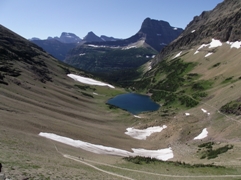
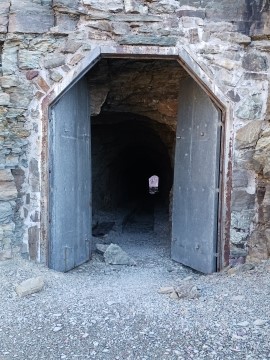
The ptarmigan tunnel stands as one of Glacier National Park's most fascinating engineering marvels. Built in 1930 by the Civilian Conservation Corps, this 250-foot passage was blasted through the Ptarmigan Wall using dynamite and steel jackhammers working from both sides simultaneously. The tunnel connects the Many Glacier valley with the remote Belly River drainage, offering hikers a dramatic transition between two distinct ecosystems.
What makes this hike truly special is the incredible diversity you'll experience. Starting from the Many Glacier area, the trail winds through dense forests, open meadows filled with wildflowers, and alpine terrain before reaching the tunnel at 7,200 feet elevation. The tunnel doors, added in 1975 for winter protection, typically open from mid-July through late September, depending on snow conditions.
From my multiple visits to the ptarmigan tunnel, I've learned that this trail rewards hikers with some of the most spectacular scenery in the park. The tunnel itself serves as a dramatic reveal - you emerge from the dark passage to discover sweeping views of Elizabeth Lake and the Belly River valley below, a completely different landscape from where you started. The engineering feat combined with natural beauty makes this hike a must-do for serious adventurers visiting Glacier National Park.
Pro Tip: Always check current trail conditions and tunnel door status before your hike. The National Park Service provides regular updates on their trail status page, as conditions can change rapidly due to weather and bear activity.
Getting There and Trailhead Information
Accessing Many Glacier Area
Reaching the ptarmigan tunnel trailhead requires navigating to the Many Glacier area of Glacier National Park, located in the northeastern section. From the park's east entrance at St. Mary, drive north on Highway 89 for about 9 miles, then turn west on Many Glacier Road. The scenic 12-mile drive along this road leads directly to the Swiftcurrent Motor Inn and campground area where the trailhead begins.
During peak season (July through early September), parking can be extremely challenging. The primary trailhead parking lot accommodates only 15-20 vehicles, and it typically fills by 6:00 AM during busy periods. When this lot is full, you'll need to park at the Swiftcurrent Motor Inn parking area and walk an additional 0.2 miles to reach the trailhead. I've learned from experience that starting your day early isn't just about avoiding crowds - it's often the only way to secure parking.
Parking Strategy
- Arrive by 5:30 AM during peak season for best parking chances
- The trailhead is located behind the Swiftcurrent Motor Inn cabins
- GPS coordinates: 48.79958°N, -113.67924°W
- Overflow parking available at Motor Inn (adds 0.2 miles to hike)
- No reservations required for this area (unlike Going-to-the-Sun Road)
The trailhead itself is well-marked and shares its starting point with the popular Iceberg Lake trail. You'll find basic facilities including restrooms at the Swiftcurrent Motor Inn, but no water fountains at the actual trailhead. There's also a small visitor contact station where rangers sometimes provide current trail conditions and wildlife updates.
One important consideration I always share with fellow hikers is the drive time to reach Many Glacier. From the park's west entrance, it's a significant 2-hour drive covering 115 miles via Going-to-the-Sun Road and Highway 89. If you're staying on the west side of the park, factor this travel time into your hiking plans. The ptarmigan tunnel is worth the journey, but proper planning ensures you can start your hike at an optimal time while the weather is still favorable and parking is available.
Step-by-Step Trail Guide
Trail Beginning: Shared Path with Iceberg Lake (Miles 0-2.7)
The adventure to ptarmigan tunnel begins behind the Swiftcurrent Motor Inn where you'll immediately encounter the trail junction. Take the right fork and climb the steep connector trail - this initial 0.25-mile section gains 185 feet quickly and serves as a warm-up for what's ahead. Once you reach the main Ptarmigan Trail, turn left and enjoy the more moderate grade as stunning views of Mount Grinnell and Mount Wilbur unfold before you.
This section travels through prime grizzly bear habitat, and during my multiple hikes here, I've spotted bears foraging in the open meadows nearly every time. The trail alternates between dense lodgepole pine forest and open areas with commanding views of the surrounding peaks. Pay attention to the small grassy areas marked with dig signs - evidence of bears searching for glacier lily bulbs and other root systems.
The Split: Choosing Your Adventure (Mile 2.7)
At approximately 2.7 miles, you'll reach the crucial trail junction where the ptarmigan tunnel and Iceberg Lake paths diverge. A small clearing here overlooks Ptarmigan Falls - unfortunately, thick tree cover limits the view, but you can hear the cascading water. This junction marks the halfway point to the tunnel and serves as an excellent spot for a snack break and water refill from Ptarmigan Creek.
Turn right to continue toward the tunnel, and you'll notice an immediate decrease in foot traffic as most day hikers choose the Iceberg Lake route. The trail now begins its more challenging ascent through increasingly wild terrain. This section passes through thick huckleberry patches where making noise becomes essential for bear safety.
The Final Push: Ptarmigan Lake to Tunnel (Miles 4.2-5.3)
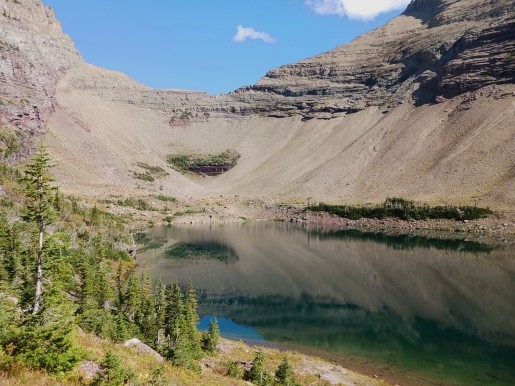
After emerging from dense forest, you'll reach beautiful Ptarmigan Lake at mile 4.2, nestled in a glacial cirque with the imposing Ptarmigan Wall towering above. The lake offers spectacular photo opportunities and your last comfortable rest stop before the tunnel's demanding final ascent. Mountain goats and bighorn sheep frequently graze on the slopes above the lake - during my last visit, I counted six bighorn sheep picking their way across the steep rockface.
The final 1.1 miles to the ptarmigan tunnel represent the hike's most strenuous section, gaining 500 feet via two major switchbacks. This exposed climb tests your endurance, but the anticipation builds with each step as the tunnel entrance becomes visible high above. The trail surface transitions to loose scree and requires careful footing, especially when descending later in the day.
Essential Gear and What to Bring
Preparing for the ptarmigan tunnel hike requires careful gear selection due to the trail's length, elevation gain, and remote alpine environment. Based on my extensive hiking experience in Glacier National Park, I've developed a comprehensive gear list that covers safety, comfort, and emergency preparedness for this challenging adventure.
Footwear and Clothing Essentials
Proper footwear makes or breaks any hiking experience, especially on demanding trails like the ptarmigan tunnel route. The trail features diverse terrain from forest floors to rocky switchbacks, stream crossings, and potentially snow-covered sections at higher elevations. I strongly recommend waterproof hiking boots with excellent ankle support and aggressive tread patterns.
Recommended Hiking Boots
Excellent grip and waterproof protection for challenging terrain
Highly RatedProven comfort and durability for long-distance hiking
Best ValueEssential Gear Checklist
- ✓ Waterproof hiking boots
- ✓ Moisture-wicking base layers
- ✓ Insulating mid-layer
- ✓ Waterproof rain jacket
- ✓ Sun hat and sunglasses
- ✓ Warm hat and gloves
- ✓ Quick-dry hiking pants
- ✓ Gaiters for debris protection
Navigation and Safety Equipment
The ptarmigan tunnel trail is well-marked, but mountain weather can change rapidly, and having proper navigation tools provides essential backup security. I always carry both digital and analog navigation options, plus emergency communication devices when hiking in remote areas of Glacier National Park.
Critical Safety Items
Essential protection in grizzly country - know how to use it before your hike
Crucial for stability on steep switchbacks and stream crossings
Additional safety considerations include carrying a first aid kit, emergency whistle, and extra food and water beyond what you think you'll need. The tunnel can be dark inside, so pack a reliable headlamp even for day hikes. Weather at elevation changes quickly, and I've experienced everything from blazing sun to sudden hailstorms during summer hikes to the ptarmigan tunnel.
For comfortable hiking, invest in quality gear that fits properly. A well-fitted day pack in the 25-35 liter range works perfectly for this hike. Look for packs with good back ventilation, multiple compartments for organization, and external attachment points for trekking poles. The Osprey Daylite Plus has served me well on numerous AllTrail adventures and provides excellent value for day hiking applications. Remember, quality boots from brands like Brunt boots or Tecovas boots can make the difference between an enjoyable hike and a painful slog.
Safety Tips and Bear Awareness
Hiking to the ptarmigan tunnel requires serious preparation for bear encounters, as this trail passes through some of the most active grizzly bear habitat in North America. During my years of hiking in Glacier National Park, I've learned that proper bear safety isn't just recommended - it's absolutely essential for survival in this wild ecosystem.
Understanding Bear Behavior and Habitat
The Many Glacier area supports both black bears and grizzly bears, with grizzlies being the primary concern due to their size, unpredictable nature, and territorial behavior. The first 1.5 miles of the ptarmigan tunnel trail traverse prime grizzly habitat where bears regularly forage for berries, dig for roots, and hunt ground squirrels. I've personally observed grizzlies on this trail during every season I've hiked here, from early summer through fall.
Hike in Groups
Groups of 4+ people are statistically safer from bear encounters
Make Noise
Call out regularly, especially near blind corners and dense vegetation
Carry Bear Spray
Keep it easily accessible and know how to use it effectively
Bears are most active during early morning and evening hours, which unfortunately coincides with optimal hiking times for avoiding crowds and heat. The huckleberry patches between miles 2.7 and 4.0 represent particularly high-risk areas where bears concentrate during berry season (August through September). During these periods, I recommend making extra noise and considering bear bells, though human voices remain the most effective deterrent.
Emergency Preparedness and Weather Considerations
Mountain weather can change dramatically during the 6-8 hours required to complete the ptarmigan tunnel hike. I've started hikes in sunshine and encountered snow, hail, and lightning storms at higher elevations. The tunnel entrance sits at 7,200 feet where temperatures can drop 20-30 degrees below valley levels, and sudden storms can create dangerous conditions on the exposed switchbacks.
User Review Summary
Sarah_Hikes (AllTrails): "Started at 6 AM and encountered a grizzly at mile 3. Had proper bear spray and made noise - bear moved away without incident. The tunnel views were absolutely worth the adrenaline rush. Come prepared!"
MountainMike (Reddit): "Weather went from perfect to hailstorm in 20 minutes near the tunnel. My rain gear saved the day. The tunnel provides good shelter during storms - just wait it out."
AdventureFamily (Quora): "Our group of 6 felt much safer than solo hikers we passed. Saw fresh bear tracks but no actual bears. The buddy system works - nobody should hike this trail alone."
Always inform someone of your hiking plans, including expected return time and emergency contacts. Cell phone coverage is sporadic to nonexistent along most of the ptarmigan tunnel trail, making self-reliance crucial. I carry a satellite communicator for emergencies when hiking in remote areas like this, and recommend considering this technology for solo hikers or those with medical conditions.
Trail closures due to bear activity are common, sometimes lasting several days or weeks. Check current conditions at the Many Glacier Visitor Center or online before beginning your hike. Rangers can provide real-time information about recent bear sightings, trail conditions, and tunnel door status. Remember, if you encounter a bear, do not run - back away slowly while speaking in a calm voice, and deploy bear spray if the bear approaches within 20-30 feet. For more hiking safety tips, check out resources about the Manitou Incline for additional preparation strategies.
My Personal Experience
My first encounter with the ptarmigan tunnel happened during a solo photography trip in late August 2019. I'd underestimated both the physical demands and the emotional impact of this incredible hike. Starting at 5:30 AM from an empty trailhead, I felt confident about avoiding crowds, but I hadn't fully prepared for the profound wilderness experience that awaited me in Glacier National Park's backcountry.
The Journey: Challenges and Revelations
The initial forest section passed quietly, with morning mist rising from the valley floor and the distant peaks catching first light. However, at approximately mile 2, I encountered my first grizzly bear - a massive male foraging about 50 yards off the trail. Following proper protocol, I backed away slowly while speaking in low tones, and the bear eventually ambled deeper into the forest. This encounter heightened my awareness for the remainder of the hike and reinforced why ranger warnings about bear country aren't mere suggestions.
Reaching Ptarmigan Lake around 8:30 AM provided the perfect rest stop and photography opportunity. The morning light illuminated the surrounding peaks magnificently, and I spent nearly 30 minutes capturing different angles of the lake's reflection against the Ptarmigan Wall. The final ascent to the tunnel tested my endurance significantly - those switchbacks are relentless and exposed, with loose scree requiring careful attention to footing.
The Tunnel Experience: A Portal to Another World
Nothing prepared me for the dramatic transition the ptarmigan tunnel provides. Walking through the 250-foot passage feels like entering a portal to another dimension. The tunnel interior stays refreshingly cool, and the sound of your footsteps echoes off the hand-carved stone walls. Emerging on the north side revealed a completely different landscape - the lush Belly River valley stretched below with Elizabeth Lake shimmering like a jewel against the distant peaks.
Lessons Learned
- Start earlier than you think: Even 5:30 AM felt rushed for proper photography time
- Pack more water: The exposed final section demands extra hydration
- Bring layers: Temperature differences between valley and tunnel are dramatic
- Allow extra time: The scenery deserves contemplation, not just completion
- Respect the wilderness: This environment is wild and demands appropriate humility
During subsequent visits to the ptarmigan tunnel, I've hiked with family members, fellow photographers, and large groups. Each experience offered unique perspectives and reinforced different lessons about preparation, safety, and appreciation for this remarkable landscape. My most memorable visit occurred during a late September snowstorm - we sheltered inside the tunnel while heavy snow accumulated outside, creating magical conditions for photography once the storm cleared.
One aspect that consistently impresses me about this hike is how it showcases Glacier National Park's incredible diversity within a single trail. You experience dense forest, alpine meadows, glacial lakes, and high-altitude terrain - plus the fascinating human history represented by the tunnel itself. Rangers I've spoken with explained how the original construction required workers to live in temporary camps near the work site, hauling equipment and explosives by horse and pack train. Understanding this history adds profound appreciation for the engineering achievement you're walking through.
For fellow hiking enthusiasts considering this adventure, I recommend treating the ptarmigan tunnel as a full-day commitment rather than just another hike. Bring quality footwear like Thursday boots or Clark shoes for comfort during the long approach. The memories and photos you'll create justify every challenging step, and this trail consistently ranks among my top hiking experiences in North America.
Best Times to Visit and Planning Tips
Timing your ptarmigan tunnel adventure correctly can make the difference between a magical experience and a challenging ordeal. Based on my multiple visits across different seasons and weather conditions, I've learned that several factors must align for optimal hiking conditions: tunnel accessibility, weather stability, wildlife activity, and crowd levels.
Seasonal Considerations and Tunnel Accessibility
The tunnel doors typically open in mid-July and remain accessible through late September, though exact dates vary based on snow accumulation and weather conditions. Early season (July-August) offers the most reliable access but also coincides with peak visitation. I've found that late August through mid-September provides the sweet spot - tunnel doors are definitely open, weather remains generally stable, but crowds begin thinning as school schedules resume.
July - August
September
October+
Weather patterns in the Many Glacier area follow predictable trends, with afternoon thunderstorms common during summer months. I always plan ptarmigan tunnel hikes with early morning starts (5:00-6:00 AM) to avoid afternoon weather and secure parking. Morning starts also provide optimal lighting conditions for photography and increase your chances of wildlife sightings as animals are more active during cooler hours.
Crowd Management and Alternative Strategies
Managing crowds requires strategic planning beyond just early starts. Weekdays offer significantly better experiences than weekends, with Tuesday through Thursday being optimal. If you must hike on weekends, consider starting even earlier (4:30-5:00 AM) and bringing headlamps for the initial forest section. The investment in early rising pays dividends in parking availability, wildlife encounters, and overall trail enjoyment.
Pro Tips for Success
Before Your Visit:
- • Check tunnel door status on NPS website
- • Monitor weather forecasts for 3-day trends
- • Reserve accommodations in advance
- • Download offline maps to your phone
Day of Hiking:
- • Start before 6:00 AM for parking
- • Check in with rangers for conditions
- • Carry extra layers for weather changes
- • Plan 7-8 hours total including stops
Combining Adventures: Iceberg Lake Extension
Many experienced hikers combine the ptarmigan tunnel with Iceberg Lake for an epic 15+ mile adventure. This combination requires exceptional fitness and a very early start (4:00-4:30 AM), but rewards you with two of Glacier National Park's most spectacular destinations in a single day. I recommend this combination only for seasoned hikers in excellent physical condition, and preferably with previous experience on both individual trails.
If you're planning multiple days in the Many Glacier area, consider spreading these hikes across separate days for better enjoyment and safety. This approach allows proper rest between adventures and provides backup options if weather or trail conditions force changes to your plans. The ptarmigan tunnel demands respect and preparation, but rewards properly prepared hikers with memories that last a lifetime. For those seeking additional hiking challenges, explore options like the Manitou Incline to build endurance for high-altitude adventures.
Frequently Asked Questions
How long does it take to hike to Ptarmigan Tunnel?
The complete roundtrip hike to ptarmigan tunnel typically requires 5-7 hours for most hikers, covering 10.6 miles with 2,362 feet of elevation gain. Experienced hikers may complete it in 4-5 hours, while those taking time for photography, rest stops, and wildlife viewing should plan for a full day adventure. The final 1.1 miles to the tunnel involve steep switchbacks that significantly slow pace, and many hikers spend 30-60 minutes exploring and photographing the tunnel area before returning.
When is Ptarmigan Tunnel open?
The ptarmigan tunnel doors typically open from mid-July through late September, though exact dates depend on snow conditions and weather patterns. The National Park Service installs heavy iron doors at both tunnel entrances for winter protection, and these remain closed when snow accumulation makes the trail dangerous or impassable. Always check current tunnel status on the official Glacier National Park website or contact the Many Glacier Visitor Center before planning your hike, as opening and closing dates can vary by several weeks from year to year.
Is bear spray required for hiking to Ptarmigan Tunnel?
While not legally required, bear spray is strongly recommended and considered essential safety equipment for the ptarmigan tunnel trail. The route passes through prime grizzly bear habitat, particularly during the first 3 miles, and bear encounters are common throughout the hiking season. Rangers recommend hiking in groups of 4 or more people, making noise regularly, and carrying properly functioning bear spray in an easily accessible holster. Many experienced hikers consider bear spray as important as water for this trail - you hope you won't need it, but you don't want to be caught without it during an encounter.
Can you hike Ptarmigan Tunnel and Iceberg Lake in the same day?
Yes, combining the ptarmigan tunnel and Iceberg Lake is possible for experienced hikers in excellent physical condition. This epic adventure covers approximately 15+ miles with significant elevation gain and requires a very early start (4:00-4:30 AM) plus 8-10 hours of hiking time. Both trails share the first 2.7 miles, after which they diverge at Ptarmigan Falls. I recommend this combination only for seasoned hikers who have completed both trails individually and understand the physical and time demands involved. Most visitors enjoy each destination more when experienced on separate days.
What should I do if I encounter a bear on the Ptarmigan Tunnel trail?
If you encounter a bear while hiking to ptarmigan tunnel, remain calm and do not run. Back away slowly while speaking in a calm, low voice to identify yourself as human. Avoid direct eye contact, make yourself appear larger by raising your arms or jacket, and give the bear plenty of space to retreat. If the bear approaches within 20-30 feet, deploy your bear spray in a wide pattern between you and the bear. Most bear encounters end peacefully when humans follow proper protocols. After any bear encounter, report the incident to rangers at the Many Glacier Visitor Center to help them track wildlife activity and inform other hikers of current conditions.
What is the best time of day to start hiking to Ptarmigan Tunnel?
The optimal start time for the ptarmigan tunnel hike is 5:00-6:00 AM during peak season, though this requires headlamps for the initial forest section during early season. Starting this early ensures parking availability, avoids afternoon thunderstorms common in the area, and provides the best wildlife viewing opportunities as animals are most active during cooler morning hours. Early starts also mean you'll likely have the tunnel area to yourself for the best photography and contemplation time. If you prefer daylight starts, 6:30-7:00 AM works during late summer when sunrise comes earlier, but expect parking challenges during busy periods.
Pros and Cons Summary
Pros:
- • Unique tunnel experience found nowhere else in national parks
- • Spectacular views of two distinct mountain valleys
- • Rich wildlife viewing opportunities including grizzly bears
- • Fascinating historical engineering achievement from 1930s
- • Can combine with Iceberg Lake for epic adventure
- • Less crowded than many Glacier National Park trails
Cons:
- • Strenuous hike requiring good physical fitness
- • Limited seasonal access (mid-July to September)
- • Significant bear encounter risks require preparation
- • Challenging parking situation during peak season
- • Long drive from west side park entrances
- • Weather can change rapidly at high elevation
Conclusion
The ptarmigan tunnel represents one of Glacier National Park's most remarkable hiking destinations, combining natural beauty, historical significance, and genuine wilderness adventure into an unforgettable experience. This challenging 10.6-mile journey rewards properly prepared hikers with spectacular alpine scenery, unique geological features, and the rare opportunity to walk through a hand-carved mountain passage that connects two distinct ecosystems.
Through my multiple visits and extensive research, I've learned that success on this trail depends heavily on preparation, respect for the wilderness environment, and flexibility to adapt to changing conditions. The combination of grizzly bear habitat, variable mountain weather, and strenuous terrain demands that hikers approach this adventure with appropriate gear, safety knowledge, and physical fitness. However, those who invest in proper preparation will find themselves rewarded with memories and photographs that showcase some of the most stunning mountain scenery in North America.
The engineering marvel of the ptarmigan tunnel itself adds a fascinating historical dimension to this hike. Walking through the 250-foot passage, carved by hand tools and dynamite in 1930, connects you to the incredible determination of the workers who created this mountain gateway. The dramatic transition from the lush Many Glacier valley to the remote Belly River drainage provides a unique perspective on Glacier National Park's incredible ecological diversity.
For hikers planning their first visit to the ptarmigan tunnel, I recommend treating this as a full-day adventure rather than just another trail to check off a list. Start early, bring quality gear, respect the bear safety protocols, and allow ample time to appreciate the magnificent scenery you'll encounter. Consider combining your visit with other Many Glacier area attractions, and always check current trail conditions and tunnel accessibility before beginning your journey.
This trail has consistently ranked among my most memorable hiking experiences, not just for its physical beauty, but for the sense of accomplishment that comes from successfully navigating challenging terrain and emerging into the otherworldly landscape beyond the tunnel. Whether you're an experienced mountaineer or an ambitious day hiker looking to push your limits, the ptarmigan tunnel offers an adventure that exemplifies the wild, untamed spirit of Glacier National Park. Pack your moon boots for late season conditions, grab quality famous footwear for the approach, and prepare yourself for one of Montana's most spectacular hiking destinations.