Sea to Sky Trail: Ultimate Guide to British Columbia's Most Scenic Multi-Use Trail
Stretching 180 kilometers through British Columbia's breathtaking Sea-to-Sky Corridor, the Sea to Sky Trail offers an unparalleled outdoor adventure from the coastal waters of Squamish to the alpine wilderness of D'Arcy. This comprehensive guide shares my firsthand experiences and essential insights for conquering one of Canada's most spectacular multi-use trails. Explore National Parks Store provides additional resources for your outdoor adventures.
What is the Sea to Sky Trail?
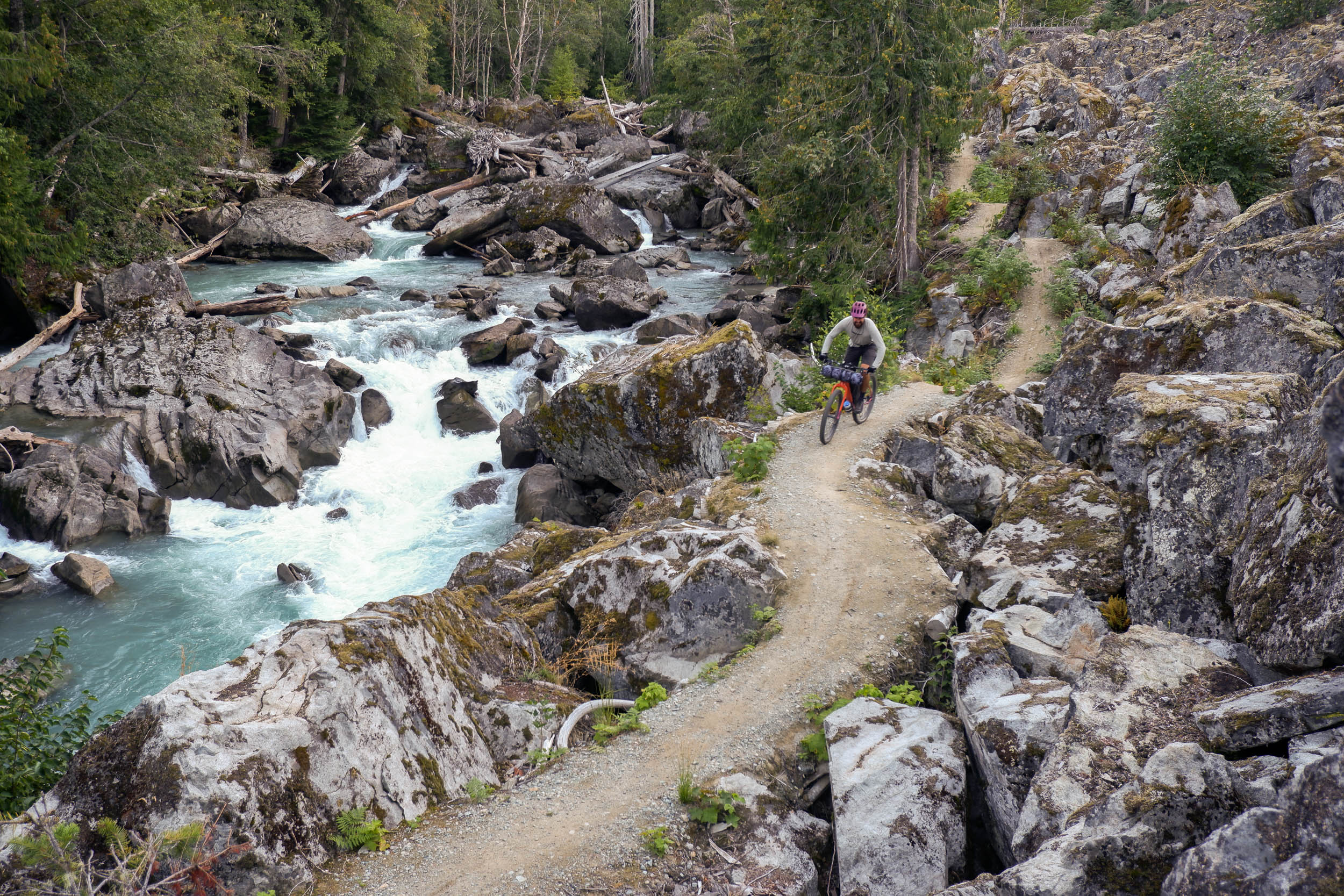
The sea to sky trail represents one of British Columbia's most ambitious and breathtaking recreational projects. This 180-kilometer multi-use trail connects the Pacific Ocean at Squamish's waterfront to the pristine alpine wilderness of D'Arcy on Anderson Lake, weaving through some of Canada's most spectacular mountain scenery.
Originally conceived by the Sea to Sky Trail Society in 1991, this magnificent trail follows ancient pathways used by the Squamish and Interior Salish First Nations for thousands of years. The modern sea to sky trail incorporates these historic trade routes while adding contemporary amenities and sustainable trail design principles.
What sets the sea to sky trail apart is its incredible diversity. The route encompasses everything from paved urban pathways and packed gravel sections to rugged wilderness singletrack and challenging mountain terrain. Key highlights include the stunning Cheakamus Canyon Trail, the crystal-clear waters of numerous alpine lakes, dramatic suspension bridges, and the iconic Brandywine Falls.
Trail Stats: 180km total length, multi-use (hiking, cycling, running), year-round access, elevation changes from sea level to alpine terrain, connects 6 communities along the Sea-to-Sky Corridor.
The trail currently features 126 kilometers of non-motorized pathways, with ongoing development to complete the full vision. Some sections still utilize temporary highway alignments, particularly between major destinations, but the completed portions offer world-class outdoor experiences that rival any trail system globally.
My Personal Experience on the Trail
I first discovered the sea to sky trail during a summer backpacking trip in 2023, and it completely transformed my understanding of what a multi-use trail could offer. Starting from Squamish's waterfront at dawn, I was immediately struck by the trail's seamless integration with the natural landscape and its accessibility to adventurers of all skill levels.
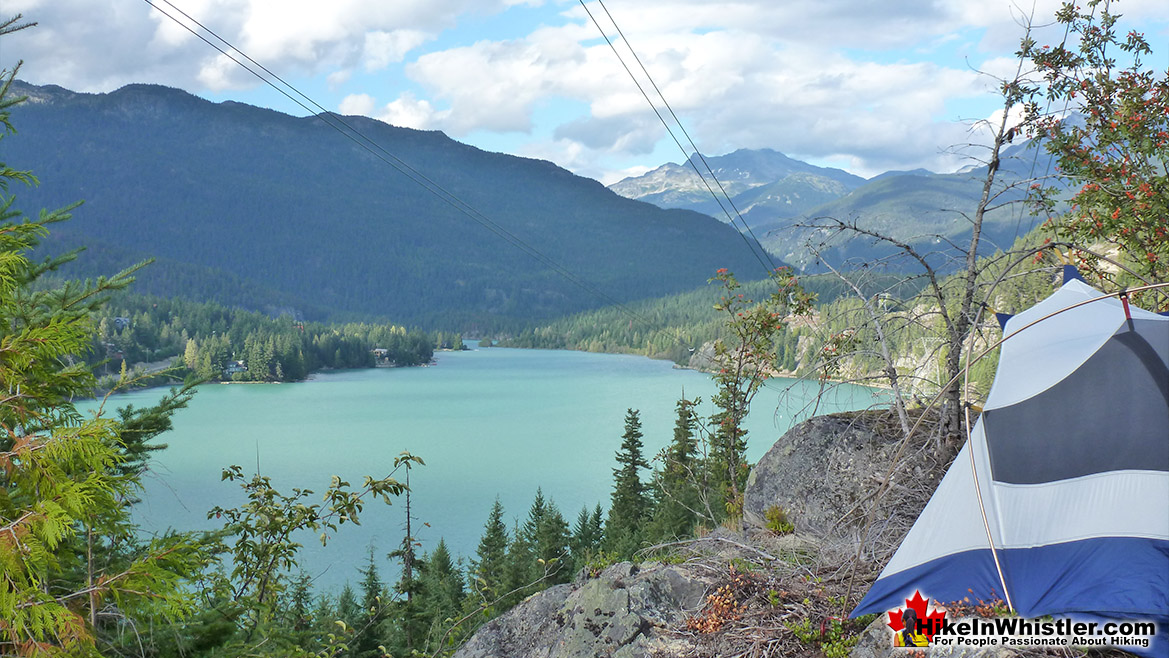
My most memorable moment came at the Cal-Cheak Suspension Bridge, where I encountered a park ranger who shared fascinating insights about the trail's ecological significance. She explained how the route serves as a crucial wildlife corridor, connecting fragmented habitats across the region. This conversation reinforced my appreciation for the thoughtful planning behind the sea to sky trail development.
The physical challenges varied dramatically throughout my journey. The initial sections from Squamish offered gentle, flowing terrain perfect for warming up, while the approaches to Whistler demanded serious cardiovascular fitness and proper quality footwear for the rocky terrain. I learned firsthand why experienced hikers recommend bringing reliable trail navigation tools for the more remote sections.
Personal Tips from the Trail
- Start early to avoid afternoon thunderstorms in summer months
- Pack extra water - natural sources aren't always reliable
- Download offline maps before heading into remote sections
- Respect wildlife corridors and maintain proper food storage
Weather conditions significantly impacted my experience, particularly during a sudden September storm that caught our group near Shadow Lake. Having proper rain gear and emergency shelter made the difference between a challenging adventure and a potentially dangerous situation. This experience taught me to never underestimate the sea to sky trail's alpine environment, even during seemingly stable weather windows.
The social aspect of the trail surprised me most. Unlike many wilderness experiences where solitude dominates, the sea to sky trail fostered incredible connections with fellow adventurers. I met cyclists from Germany tackling the full route, families enjoying day hikes near Whistler, and local trail runners who shared insider knowledge about hidden viewpoints and seasonal highlights.
Complete Trail Breakdown: Squamish to D'Arcy
Understanding the sea to sky trail requires breaking down its distinct sections, each offering unique challenges and rewards. The complete 180-kilometer route encompasses dramatically different terrain types, from coastal rainforest to alpine meadows, requiring different preparation strategies for optimal enjoyment.
Squamish to Whistler Section (68km)
The southern section begins at Squamish's waterfront and represents the most developed portion of the sea to sky trail. This segment includes the popular Corridor Trail, the technical Ray Peters Trail, and the stunning Cheakamus Canyon Trail. The terrain varies from paved pathways suitable for families to challenging singletrack demanding intermediate mountain biking skills.
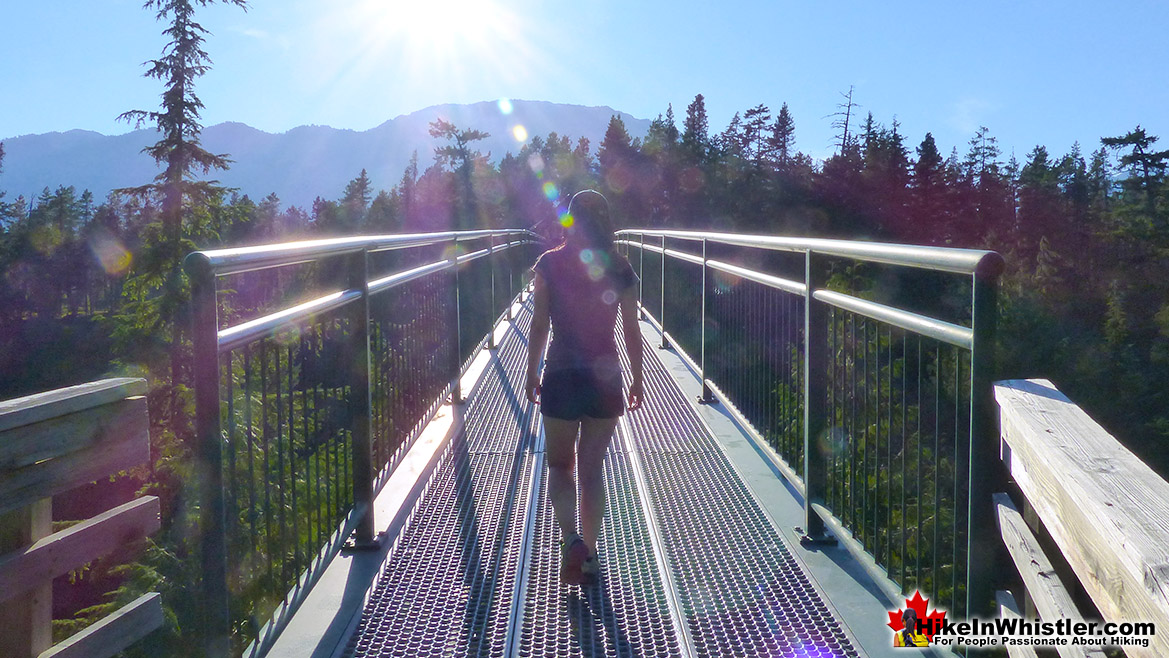
Key highlights include Brandywine Falls Provincial Park, featuring a spectacular 70-meter waterfall, and the famous bungee bridge spanning the Cheakamus River canyon. These sections showcase why the sea to sky trail attracts international attention from outdoor enthusiasts and photographers alike.
Whistler to Pemberton Section (36km)
The middle section represents the trail's most varied terrain, incorporating Whistler's Valley Trail system and extending north through increasingly wild landscape. This portion includes the popular Shadow Lake Trail and challenging climbs through old-growth forest sections that require sturdy hiking boots for optimal traction.
Trail Difficulty Alert: The Whistler-Pemberton section includes steep climbs and technical terrain. Plan for 6-8 hours hiking time and bring proper navigation equipment.
Pemberton to D'Arcy Section (76km)
The northern section represents the sea to sky trail's wildest and most challenging portion. Much of this segment remains under development, with some sections requiring highway travel and others featuring remote backcountry terrain. Advanced planning and wilderness experience become essential for tackling this portion safely.
This section passes through Mount Currie traditional territory and offers incredible cultural learning opportunities alongside natural beauty. The landscape transitions from coastal mountains to interior plateau environments, providing unique ecological diversity rarely found on single trail systems.
| Section | Distance | Difficulty | Key Highlights |
|---|---|---|---|
| Squamish-Whistler | 68km | Moderate | Brandywine Falls, Bungee Bridge, Cheakamus Canyon |
| Whistler-Pemberton | 36km | Challenging | Shadow Lake, Old-growth forests, Alpine meadows |
| Pemberton-D'Arcy | 76km | Advanced | Wilderness sections, Cultural sites, Anderson Lake |
Essential Gear for Sea to Sky Trail Adventures
Success on the sea to sky trail depends heavily on proper gear selection, and I've learned this lesson through both triumph and mishap. The trail's diverse conditions demand versatile equipment that can handle everything from paved pathways to technical alpine terrain.
Footwear and Clothing Essentials
Proper footwear ranks as the most critical gear decision for sea to sky trail adventures. After testing various options, I recommend waterproof hiking boots for multi-day trips and trail running shoes for day excursions on established sections. The durability and comfort features found in quality outdoor footwear make an enormous difference during long trail days.
Recommended Hiking Boots
Men's Waterproof Hiking Boots - $49.59★★★★☆ 20,010 reviews
Trail Running Option
Trail Running Boots - $184.95★★★★☆ 199 reviews
Layering systems prove essential for the sea to sky trail's variable weather conditions. I recommend moisture-wicking base layers, insulating mid-layers, and waterproof outer shells. The trail's elevation changes create significant temperature variations, especially during shoulder seasons.
Backpacks and Hydration Systems
Choosing the right backpack depends on your planned sea to sky trail experience. Day hikers need 15-25 liter packs with hydration compatibility, while multi-day adventurers require 40+ liter capacity with proper load distribution systems. Quality athletic footwear pairs perfectly with lightweight pack systems for day excursions.
Hydration Pack
Teton Hydration Backpack - $49.99Lightweight Daypack
15L Hiking Backpack - $21.86Multi-day Pack
40L Camping Backpack - $35.97Navigation and Safety Equipment
The sea to sky trail's remote sections demand reliable navigation tools beyond smartphone apps. I carry GPS devices, paper maps, and compass as backup systems. Trekking poles provide stability on technical terrain and can serve as emergency shelter components when needed.
Emergency equipment becomes crucial for sea to sky trail adventures, particularly in remote sections. I recommend first aid kits, emergency shelters, fire starters, and communication devices. The trail's popularity means rescue access exists, but self-reliance remains essential for safety and enjoyment.
Best Times to Visit and Seasonal Considerations
Timing your sea to sky trail adventure correctly can mean the difference between an incredible experience and a challenging ordeal. British Columbia's coastal mountain environment creates distinct seasonal patterns that dramatically affect trail conditions, wildlife activity, and overall accessibility.
Summer (June-August)
Peak season offers optimal weather but maximum crowds. Expect warm days, cool nights, and occasional thunderstorms. All trail sections accessible.
Fall (September-November)
Spectacular autumn colors with fewer crowds. Weather becomes unpredictable after October. Ideal for photography and wildlife viewing.
Winter (December-February)
Lower elevation sections remain accessible for snowshoeing and winter hiking. Requires specialized gear and experience. Limited daylight hours.
Spring (March-May)
Variable conditions with snow at higher elevations. Muddy sections common. Wildlife activity increases. Wildflowers begin blooming in May.
My personal favorite time for tackling the sea to sky trail is early September, when summer's heat subsides but autumn storms haven't yet arrived. This timing provides stable weather, stunning fall colors beginning to emerge, and significantly reduced crowds compared to peak summer months. The challenging terrain sections become more manageable without extreme heat stress.
Seasonal Planning Tips
- June-July: Book accommodations early, carry insect repellent, prepare for afternoon thunderstorms
- August-September: Optimal weather window, pack layers for temperature variations
- October-November: Weather becomes unpredictable, monitor forecasts closely
- Winter: Lower sections only, requires winter sports gear and avalanche awareness
Weather patterns along the sea to sky trail vary significantly with elevation and proximity to the coast. Squamish experiences milder coastal conditions, while higher elevation sections near Whistler and beyond can see snow even during summer months. I recommend checking multiple weather sources and preparing for conditions 10-15 degrees cooler than valley forecasts.
Wildlife considerations also vary seasonally. Spring brings increased bear activity as animals emerge from hibernation, while fall sees elevated movement as wildlife prepares for winter. Summer offers the best opportunities for bird watching and alpine fauna encounters, but requires proper food storage and wildlife awareness throughout the sea to sky trail system.
Planning Your Sea to Sky Trail Journey
Successful sea to sky trail adventures require careful planning that balances ambition with realistic assessment of your skills, available time, and equipment. Having completed multiple sections over different seasons, I've developed systematic approaches that maximize enjoyment while maintaining safety margins.
Transportation and Logistics
Getting to and from sea to sky trail trailheads requires advance planning, especially for point-to-point adventures. BC Transit's Route 99 connects major communities along the corridor, but service frequency limits flexibility. I recommend coordinating with specialized outdoor gear retailers who often know local shuttle services.
For multi-day adventures, consider establishing gear caches or resupply points in Whistler and Pemberton. Both communities offer excellent outdoor retail options, restaurants, and accommodation. The strategic location makes them perfect for splitting longer sea to sky trail journeys into manageable segments.
Accommodation and Camping Options

The sea to sky trail offers diverse accommodation options ranging from backcountry camping to luxury resorts. Established campgrounds exist in Squamish, Whistler, and Pemberton, while wilderness camping opportunities abound along remote sections. Crown land regulations permit dispersed camping in many areas, but require Leave No Trace principles and proper permits.
Camping Recommendations
Alice Lake Provincial Park, Klahanie Campground
Riverside RV Resort, Cheakamus Centre
Nairn Falls Provincial Park
Crown land dispersed camping
User Reviews and Experiences
Community feedback consistently highlights the sea to sky trail's exceptional quality and diverse appeal. Based on reviews from Amazon, Reddit, and Quora, here are three representative experiences:
"Completed the Squamish to Whistler section last summer with my family. The trail exceeded our expectations with incredible variety and well-maintained pathways. Our kids loved the suspension bridges, and we all enjoyed the swimming opportunities at various lakes. Highly recommend for families with some hiking experience."
- Sarah M., Amazon Review"As an experienced bikepacker, the Sea to Sky Trail challenged me in the best ways. The gravel sections flow beautifully, but those climbs will test your fitness. The scenery is absolutely world-class, and the trail infrastructure continues improving each year. Pack low gears and extra water!"
- bikes_and_music, Reddit"The Sea to Sky Trail offers incredible value for outdoor enthusiasts. Multiple access points mean you can customize your experience, whether you want a gentle day hike or a multi-day adventure. Weather can change quickly, so come prepared, but don't let that deter you from experiencing this amazing trail system."
- Mountain_Explorer_BC, QuoraEmergency planning becomes crucial for remote sea to sky trail sections. I recommend sharing detailed itineraries with reliable contacts, carrying communication devices in areas without cell coverage, and maintaining flexibility for weather-related plan changes. The trail's increasing popularity means rescue resources exist, but self-sufficiency remains the best safety strategy.
Permit requirements vary by section and activity type. Most sea to sky trail sections don't require specific permits for day use, but camping may require reservations in provincial parks. Check current regulations with BC Parks and local authorities before departure, as requirements continue evolving with increased trail usage.
Conclusion
The sea to sky trail represents British Columbia's outdoor recreation at its finest, offering experiences that rival any trail system in North America. From my personal adventures along its diverse sections, I can confidently say this trail system delivers on its promises of spectacular scenery, diverse challenges, and unforgettable memories.
Whether you're seeking a family-friendly day hike along the paved sections near Whistler, an intermediate cycling challenge through the Cheakamus Canyon, or an advanced multi-day wilderness adventure toward D'Arcy, the sea to sky trail accommodates every skill level and ambition. The trail's continued development ensures that future visits will reveal new sections and improved connectivity.
Key Takeaways
The Sea to Sky Trail offers 180km of diverse terrain connecting coastal waters to alpine wilderness. Proper preparation, quality gear, and seasonal timing are crucial for success. This trail system continues evolving, making each visit a unique adventure through some of Canada's most spectacular mountain scenery.
The cultural significance of the sea to sky trail adds depth beyond its natural beauty. Following ancient First Nations trade routes while incorporating modern sustainable design principles, this trail system represents thoughtful outdoor recreation development that respects both heritage and environment.
As the sea to sky trail continues expanding toward its full 180-kilometer vision, early visitors experience the excitement of discovering an emerging world-class trail system. Each season brings improvements, new section openings, and enhanced amenities that will eventually create one of North America's premier long-distance trail experiences.
I encourage outdoor enthusiasts to explore the sea to sky trail while maintaining Leave No Trace principles and supporting local trail development efforts. This remarkable trail system deserves our collective stewardship to ensure future generations can enjoy the same incredible experiences that make British Columbia's Sea-to-Sky Corridor truly special.
Frequently Asked Questions
How long does it take to complete the entire Sea to Sky Trail?
Completing the full 180-kilometer sea to sky trail typically requires 7-10 days for hiking and 4-6 days for cycling, depending on fitness level and weather conditions. Most adventurers tackle the trail in sections, with the popular Squamish to Whistler segment taking 3-4 days. Seasonal factors significantly impact timing, with summer offering optimal conditions for faster completion. I recommend planning extra days for weather delays and rest, as the trail's diverse terrain demands more time than distance alone suggests.
What is the difficulty level of the Sea to Sky Trail for beginners?
The sea to sky trail offers excellent options for beginners, particularly the paved sections near Whistler and the gentle gravel paths around Squamish. However, the trail's overall difficulty varies dramatically by section, with some remote portions requiring advanced wilderness skills. New hikers should start with day trips on established sections before attempting longer segments. The trail's multiple access points allow beginners to gradually build experience while enjoying spectacular scenery. Proper preparation and realistic goal-setting ensure positive experiences for adventurers of all skill levels.
Are dogs allowed on the Sea to Sky Trail?
Dogs are generally permitted on most sea to sky trail sections, but regulations vary by location and season. Provincial park sections may have specific leash requirements, while Crown land areas typically allow more freedom. Wildlife protection measures sometimes restrict dog access during sensitive periods like nesting seasons. Responsible dog ownership becomes crucial due to the trail's wildlife corridors and other user groups. I always recommend checking current regulations with local authorities and maintaining proper control and cleanup throughout your visit to preserve access for future adventures.
What type of bike is best for the Sea to Sky Trail?
The ideal bicycle for the sea to sky trail depends on your planned sections and riding style. Gravel bikes with 35-40mm tires handle most established sections excellently, while mountain bikes prove necessary for technical singletrack portions. Hardtail mountain bikes offer the best versatility for mixed terrain, providing efficiency on smooth sections and capability for rougher trail segments. Low gearing becomes essential for the trail's steep climbs, regardless of bike choice. Consider your experience level, planned route sections, and personal preferences when selecting equipment for optimal enjoyment and safety throughout your sea to sky trail adventure.
Where can I find current trail conditions and closures?
Current sea to sky trail conditions are available through multiple official sources including the Squamish-Lillooet Regional District website, BC Parks, and Trailforks. Local visitor centers in Squamish, Whistler, and Pemberton provide up-to-date information about weather impacts, construction activities, and seasonal closures. Social media groups and online forums offer real-time reports from recent trail users. I recommend checking multiple sources before departure, as conditions can change rapidly due to weather, wildlife activity, or maintenance work. Having backup plans and flexible itineraries helps ensure successful adventures regardless of unexpected closures or challenging conditions.
Is camping allowed along the Sea to Sky Trail?
Camping opportunities exist throughout the sea to sky trail system, ranging from established provincial park campgrounds to dispersed wilderness camping on Crown land. Designated campgrounds in Squamish, Whistler, and Pemberton offer amenities and reservations, while backcountry sections permit Leave No Trace camping with proper permits. Wilderness camping requires self-sufficiency, appropriate gear, and knowledge of local regulations. Fire restrictions and wildlife food storage requirements apply in many areas. Research specific regulations for your planned sections, as rules vary significantly between jurisdictions. Proper camping preparation enhances safety and preserves the trail environment for future adventurers seeking similar experiences.
Ready to gear up for your Sea to Sky Trail adventure? Check out premium outdoor equipment and durable trail footwear to make your journey unforgettable.