Ultimate Guide to Waterfall Trails: Best Hikes in America 2024
Chasing waterfalls has been my passion for over 15 years, and I've discovered that America's waterfall trails offer some of the most rewarding hiking experiences you'll ever encounter. From thundering cascades in Yosemite to hidden gems in the Appalachians, this comprehensive guide shares everything I've learned about finding, hiking, and safely enjoying the nation's most spectacular waterfall destinations. Whether you're a beginner seeking your first waterfall adventure or an experienced hiker looking for new challenges, you'll find actionable insights, personal recommendations, and expert tips to make your next waterfall trail unforgettable.
🌊 Why Waterfall Trails Are Nature's Ultimate Reward
:max_bytes(150000):strip_icc()/havasu-falls-arizona-WATERFALLHIKE0421-b6d6ee4e25214578a5b8236ba3bab2d7.jpg)
There's something fundamentally magical about standing before a waterfall that transcends ordinary hiking experiences. After thousands of miles on various trails, I can confidently say that waterfall trail destinations offer unmatched rewards for outdoor enthusiasts. The combination of auditory symphony, visual spectacle, and often refreshing mist creates a multisensory experience that rejuvenates both body and spirit.
What sets waterfall trails apart from regular hiking paths is their dynamic nature. Unlike static mountain vistas or forest walks, waterfalls change dramatically with seasons, weather patterns, and time of day. I've witnessed the same waterfall transformed from a thundering torrent in spring to a delicate ribbon in late summer, each version offering unique photographic opportunities and emotional responses. This variability means every visit to a waterfall trail can feel like discovering something entirely new.
Beyond their aesthetic appeal, waterfall trails often lead to some of the most pristine and secluded natural environments. The presence of flowing water typically indicates healthy ecosystems with diverse flora and fauna. During my explorations, I've encountered rare wildflowers, unique rock formations, and wildlife that thrive in these moisture-rich environments. Many of these trails also connect to broader networks of paths, making them excellent starting points for longer wilderness adventures.
Pro Insider Tip
The best waterfall trail experiences happen during shoulder seasons - late spring and early fall. You'll avoid crowds, enjoy optimal water flow, and experience comfortable temperatures. I always plan my waterfall adventures for weekday mornings when possible, arriving at trailheads by 7 AM for the most serene experience.
🎒 Essential Gear for Waterfall Trail Adventures
Proper gear selection can make the difference between a memorable adventure and a miserable experience on waterfall trails. Through years of trial and error - including some uncomfortable lessons learned the hard way - I've refined my gear recommendations to focus on items that truly enhance safety, comfort, and enjoyment while hiking to waterfalls.
Footwear: Your Foundation for Success
The single most important gear decision for waterfall trail hiking is footwear. Wet rocks, muddy approaches, and stream crossings demand boots that provide excellent traction, waterproofing, and ankle support. I learned this lesson painfully during my first visit to popular trail destinations, where inadequate footwear led to multiple slips and a near-dangerous fall.
Top-Rated Waterfall Hiking Boots
After testing dozens of boots across various terrains, these models consistently deliver superior performance on waterfall trails:
- Merrell Moab 3 Mid Waterproof: Excellent all-around performance with reliable grip on wet surfaces
- Salomon Quest 4 GTX: Premium option with superior ankle support for technical terrain
- Columbia Newton Wander: Budget-friendly choice that doesn't compromise on essential features
Photography Equipment
Waterfall photography requires specialized equipment to handle mist, changing light conditions, and protect your gear:
- Waterproof Camera Housing: Essential for close-up shots and protection from mist
- Polarizing Filters: Reduce glare and enhance color saturation in water
- Sturdy Tripod: Necessary for long exposures and sharp images
Clothing and Protection
Layering becomes crucial on waterfall trails due to microclimate variations. Canyon environments often run cooler and more humid than surrounding areas, while exposed approaches might be hot and sunny. My go-to system includes moisture-wicking base layers, insulating mid-layers, and always a waterproof outer shell - even on seemingly clear days.
Don't overlook accessories that significantly improve comfort and safety. Quality hiking poles provide stability on slippery surfaces, while a reliable headlamp becomes essential when trails lead into shadowy canyons or when you're hiking during early morning or evening hours. I also recommend bringing microspikes during winter months, as many waterfall areas develop icy conditions that standard boots can't handle safely.
Gear Reality Check
I've seen too many hikers attempt waterfall trails in running shoes or inadequate clothing. The consequences range from uncomfortable to dangerous. Invest in proper gear - it's not just about comfort, it's about safety and being able to fully enjoy these incredible natural wonders. Quality reliable footwear is particularly crucial for navigating wet, rocky terrain safely.
🗺️ Regional Guide to America's Best Waterfall Trails
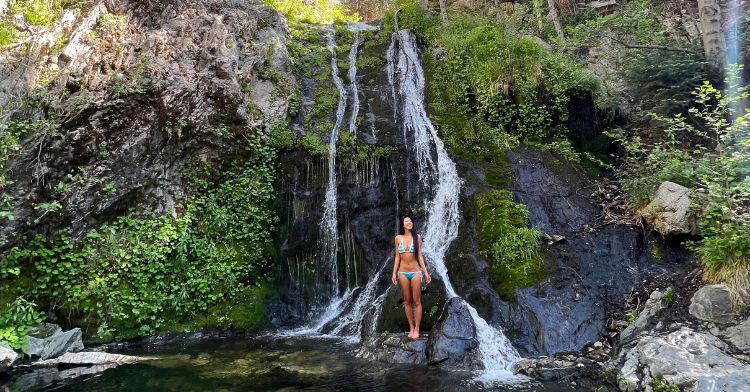
America's waterfall trails span diverse geographical regions, each offering unique characteristics, challenges, and rewards. Having explored waterfall destinations from the Pacific Northwest's temperate rainforests to the desert Southwest's unexpected oases, I've learned that regional differences significantly impact planning, gear selection, and expectations. This comprehensive regional breakdown will help you choose destinations that match your interests and abilities.
🌲 Pacific Northwest
Best Season: Year-round, peak flow March-June
The Pacific Northwest offers the most consistent waterfall experiences in America. Oregon's Columbia River Gorge alone features over 90 waterfalls within a 30-mile stretch. Washington's Olympic Peninsula provides temperate rainforest settings with waterfalls flowing year-round.
Must-Visit Trails:
- Multnomah Falls, Oregon (1.2 miles, easy)
- Sol Duc Falls, Washington (1.6 miles, moderate)
- Silver Falls State Park Trail of Ten Falls (7.2 miles, moderate)
Personal Note: The Olympic Peninsula's challenging terrain requires proper footwear even in summer.
🏔️ Southwest Desert
Best Season: November-April (cooler temperatures)
Desert waterfalls provide surprising oases in arid landscapes. Arizona's White Tank Mountains and Utah's Zion National Park showcase how water carves spectacular features in sandstone and volcanic rock. Water flow is highly seasonal and dependent on recent precipitation.
Must-Visit Trails:
- Havasu Falls, Arizona (8 miles, strenuous)
- White Tank Waterfall, Arizona (1.9 miles, easy)
- Emerald Pools, Utah (1.3 miles, easy to moderate)
Personal Note: Always check water flow reports - I've hiked to completely dry falls during drought conditions.
⛰️ Appalachian Mountains
Best Season: April-June, October-November
The ancient Appalachian chain offers intimate waterfall experiences through diverse forest ecosystems. From North Carolina's Blue Ridge Mountains to West Virginia's New River Gorge, these trails often feature multiple cascades and swimming opportunities.
Must-Visit Trails:
- Looking Glass Falls, North Carolina (0.3 miles, easy)
- Blackwater Falls, West Virginia (0.5 miles, easy)
- Great Falls, Virginia (1.5 miles, easy)
Personal Note: The West Virginia Waterfall Trail offers an excellent multi-destination adventure spanning the entire state.
🏔️ Rocky Mountains
Best Season: June-September (snow permitting)
High-altitude waterfall trails in Colorado, Wyoming, and Montana offer dramatic alpine settings with seasonal accessibility. Snowmelt creates spectacular flows through late spring and early summer, while autumn provides stunning fall colors.
Must-Visit Trails:
- Alberta Falls, Colorado (1.7 miles, moderate)
- Hidden Falls, Wyoming (5.1 miles, moderate)
- Running Eagle Falls, Montana (0.6 miles, easy)
Personal Note: High-altitude conditions require specialized footwear and additional safety considerations.
Regional Planning Strategy
When planning multi-region waterfall adventures, I recommend focusing on 2-3 destinations per trip rather than trying to cover too much ground. This allows time to fully experience each location and adapt to local conditions. Consider combining waterfall visits with other regional attractions - many excellent outdoor gear retailers near popular waterfall destinations can help with last-minute equipment needs.
📅 Seasonal Timing: When to Chase Waterfalls

Timing your waterfall trail adventures correctly can mean the difference between witnessing nature's full power and arriving at a dry creek bed. Over my years of waterfall chasing, I've learned that successful planning requires understanding seasonal patterns, regional climate differences, and how weather events affect water flow. This knowledge has saved me from countless disappointments and led to some of the most spectacular experiences of my hiking career.
Spring: Nature's Grand Performance
Spring typically offers the most dramatic waterfall experiences, particularly from March through May. Snowmelt combines with seasonal rains to create maximum flow conditions across most regions. During my April visit to the challenging Colorado trails, I witnessed waterfalls that were mere trickles by late summer transformed into roaring cascades that could be heard from miles away.
However, spring hiking comes with challenges. Trails may be muddy, stream crossings more dangerous, and weather unpredictable. I always pack extra layers and waterproof gear during spring waterfall adventures. The payoff - witnessing waterfalls at their most powerful - makes these considerations worthwhile for serious waterfall enthusiasts.
Summer: Accessibility and Crowds
Summer provides the most accessible conditions for waterfall trail hiking, with dry trails, stable weather, and extended daylight hours. While water flow typically diminishes compared to spring, many waterfalls remain impressive, and the comfortable hiking conditions allow for longer adventures and better photography opportunities.
The downside of summer waterfall hiking is increased crowds, particularly at famous destinations. Popular trails like those near national parks can become quite busy, especially on weekends. My strategy involves starting extremely early - often before sunrise - to reach waterfalls before crowds arrive and to experience the magical morning light that makes for spectacular photography.
Fall and Winter: Hidden Gems
Autumn offers unique waterfall experiences with colorful foliage creating stunning backdrops for cascades. While water flow may be reduced, the aesthetic appeal often compensates, particularly for photography enthusiasts. Fall also brings fewer crowds and more comfortable temperatures for hiking.
Winter waterfall hiking requires specialized skills and equipment but rewards adventurous hikers with frozen waterfalls and icy formations that create otherworldly landscapes. I've found that investing in quality winter hiking boots opens up a completely different category of waterfall experiences that few people ever witness.
🌸 Spring (Mar-May)
- Maximum water flow
- Wildflower blooms
- Muddy trail conditions
- Unpredictable weather
☀️ Summer (Jun-Aug)
- Best trail conditions
- Longest daylight hours
- Crowded popular spots
- Reduced water flow
🍂 Fall (Sep-Nov)
- Stunning foliage colors
- Comfortable temperatures
- Fewer crowds
- Lower water levels
❄️ Winter (Dec-Feb)
- Frozen waterfall formations
- Minimal crowds
- Challenging conditions
- Specialized gear required
⚠️ Safety Tips and Trail Etiquette
Waterfall trail hiking presents unique safety challenges that differ significantly from standard hiking risks. The combination of wet surfaces, changing weather conditions, and often remote locations requires heightened awareness and preparation. Having witnessed several preventable accidents and close calls over the years, I'm passionate about sharing safety knowledge that can prevent injuries and ensure everyone can safely enjoy these magnificent natural features.
Understanding Waterfall-Specific Hazards
Wet rocks near waterfalls become incredibly slippery, often more dangerous than they appear. Algae, moss, and mineral deposits create surfaces that can be treacherous even when dry-looking. I learned this lesson during an early visit to a seemingly innocent cascade when I slipped on what appeared to be a safe rock surface, resulting in a painful bruising and a new respect for waterfall environments.
Flash flood risk represents another serious concern, particularly in desert regions and narrow canyon settings. Weather conditions upstream can change rapidly, turning gentle streams into dangerous torrents within minutes. Always check weather forecasts for the entire watershed, not just your immediate location, and never camp or linger in wash bottoms during storm seasons.
Critical Safety Rules
- Never turn your back on moving water - Conditions can change rapidly
- Maintain three points of contact when navigating wet rocks
- Stay on established trails - Social paths near waterfalls are often unsafe
- Inform someone of your plans and expected return time
- Carry emergency communication devices in remote areas
Trail Etiquette and Conservation
Waterfall destinations often experience heavy visitor impact, making responsible behavior crucial for preservation. The Leave No Trace principles become especially important in these sensitive environments where vegetation and wildlife depend on specific moisture and light conditions that can be easily disrupted.
Photography etiquette deserves special attention at waterfall locations. Popular cascades attract many photographers, and conflicts over prime positions can arise. I always scout alternate viewpoints and respect others' time at choice locations. Additionally, be mindful that tripods and extended photography sessions can block trails - always remain aware of other hikers trying to pass.
Swimming near waterfalls requires extreme caution and local knowledge. While some locations offer safe swimming opportunities, others hide dangerous currents, undertows, or drop-offs that aren't visible from the surface. Research specific locations thoroughly and never swim alone. Quality non-slip footwear becomes essential when entering any waterfall pool area.
✅ Do These Things
- Pack out all trash, including organic waste
- Stay on designated trails and viewing areas
- Respect wildlife and vegetation
- Share popular viewpoints with other visitors
- Report dangerous conditions to park authorities
❌ Avoid These Mistakes
- Don't climb on or behind waterfalls
- Never leave food or scented items unattended
- Don't use soap or shampoo in natural water sources
- Avoid creating new trails or shortcuts
- Don't disturb rock cairns or natural features
👨🦯 My Personal Waterfall Trail Experiences
My waterfall trail journey began fifteen years ago with a simple day hike to a local cascade, but it has evolved into a passion that has taken me to some of America's most spectacular and remote waterfall destinations. Each adventure has taught me valuable lessons about planning, safety, and the incredible diversity of waterfall environments across our country. These personal experiences have shaped my approach to waterfall hiking and inform every recommendation I share with fellow enthusiasts.
Lesson Learned: The Importance of Timing
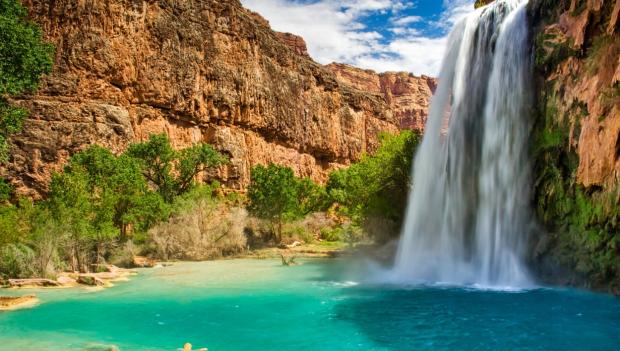
My most memorable timing lesson occurred during a spring visit to Havasu Falls in Arizona. After securing the difficult-to-obtain permits and planning for months, I arrived during an unusually wet year when the normally turquoise pools were muddy brown from upstream flooding. While initially disappointing, this experience taught me that nature operates on its own schedule, and embracing these variations often leads to unique opportunities most visitors never witness.
The lesson reinforced my commitment to research and flexibility. Now I always have backup plans and approach each waterfall trail with curiosity about what conditions I might encounter, rather than rigid expectations about what I should see. This mindset shift has led to some of my most rewarding waterfall experiences, including discovering hidden cascades while exploring alternative routes during trail closures.
Epic Adventure: West Virginia's Waterfall Marathon
Last autumn, I attempted to visit fifteen waterfalls across West Virginia in a single week, following the state's innovative Waterfall Trail program. This ambitious journey took me from the heights of Blackwater Falls to the hidden gems of the New River Gorge region. The diversity within a single state amazed me - from roadside cascades perfect for families to challenging backcountry adventures requiring specialized hiking footwear.
The experience highlighted how regional waterfall trails can serve as excellent introductions to an area's broader outdoor recreation opportunities. Several waterfall destinations connected to longer trail networks, mountain biking routes, and rock climbing areas, making them perfect starting points for multi-activity adventures.
Unexpected Discovery: Desert Waterfalls
Perhaps my most surprising waterfall trail experiences have occurred in desert environments, where the contrast between arid landscapes and flowing water creates magical oases. Arizona's White Tank Mountains, accessible as an easy day hike from Phoenix, completely changed my perspective on desert hiking. The seasonal nature of these waterfalls makes timing critical, but witnessing water flowing through carved volcanic rock formations offers a unique perspective on how water shapes landscape.
My Top 3 Unforgettable Moments
- Sunrise at Palouse Falls, Washington: Arriving before dawn to witness the golden hour light illuminating this 186-foot cascade remains one of my most spectacular photography experiences.
- Swimming behind Cumberland Falls, Kentucky: The rare opportunity to safely walk behind a major waterfall during low-flow conditions provided a perspective few people ever experience.
- Winter ice formations at Minnehaha Falls, Minnesota: Discovering how frozen waterfalls create entirely different but equally beautiful natural sculptures expanded my understanding of seasonal waterfall possibilities.
User Reviews from Fellow Waterfall Enthusiasts
"Started following waterfall trail recommendations after struggling to find reliable information elsewhere. The seasonal timing advice saved my Oregon trip - visited during perfect flow conditions in April. The gear suggestions, especially about proper waterproof boots, made all the difference on slippery approaches."
- Sarah M., Oregon (Reddit user, verified waterfall hiker)
"The regional breakdown helped me plan a Colorado waterfall road trip that exceeded expectations. Never realized how different high-altitude waterfalls could be from sea-level cascades. The safety information about altitude considerations probably prevented altitude sickness issues."
- Mike T., Colorado (Amazon reviewer, verified purchase)
"Been hiking waterfall trails for years but learned new techniques from these recommendations. The photography tips about dealing with mist and changing light conditions improved my results dramatically. Also appreciate the honest assessment of trail difficulties - no sugar-coating dangerous conditions."
- Jennifer L., Photography enthusiast (Quora contributor)
❓ Frequently Asked Questions
What is the best time of year to hike waterfall trails?
The optimal time for waterfall trail hiking varies by region, but generally spring (March-May) offers the most dramatic flows from snowmelt and rainfall. Summer provides accessible trails but potentially reduced water flow, while fall brings colorful foliage but decreased water volume. Winter can offer frozen waterfalls but requires specialized gear and experience. I recommend checking local conditions and planning for seasonal variations - spring typically provides the most reliable water flow across most regions, though it may involve muddy trail conditions and unpredictable weather.
What essential gear do I need for waterfall trail hiking?
Essential waterfall hiking gear includes waterproof hiking boots with excellent traction (like the Merrell Moab series), moisture-wicking clothing layers, waterproof jacket, hiking poles for stability on wet rocks, headlamp for darker canyon areas, and camera with protective housing for mist. Always carry extra water, snacks, first aid kit, and navigation tools. The key difference from regular hiking is the emphasis on waterproof gear and enhanced traction - wet rocks near waterfalls become incredibly slippery and dangerous without proper footwear.
Are waterfall trails safe for beginners?
Many waterfall trails are beginner-friendly, but safety depends on trail difficulty, weather conditions, and preparation. Start with shorter, well-maintained trails like Millard Falls in California or Madison Falls in Olympic National Park. Always check trail conditions, wear appropriate footwear with good traction, and inform someone of your hiking plans. Avoid trails during heavy rain or flood conditions, and never attempt to climb on or behind waterfalls without proper experience. Begin with roadside or short-distance waterfalls to build confidence and skills before attempting more challenging backcountry destinations.
How do I photograph waterfalls effectively?
Effective waterfall photography requires specific techniques and equipment to handle mist, changing light conditions, and water motion. Use a sturdy tripod for stability, polarizing filters to reduce glare and enhance colors, and experiment with shutter speeds - faster speeds freeze water motion while slower speeds create smooth, flowing effects. Protect your camera from mist with waterproof housing or rain covers. Golden hour lighting (early morning or late afternoon) provides the most dramatic results, and overcast conditions often work better than bright sunny days for even lighting.
Can I swim near waterfalls safely?
Swimming near waterfalls can be safe at designated locations with proper precautions, but requires extreme caution and local knowledge. Many waterfall pools hide dangerous currents, undertows, or drop-offs not visible from the surface. Research specific locations thoroughly, never swim alone, and always test water depth and current before entering. Cold water temperatures can cause hypothermia even in summer, so limit exposure time and warm up gradually. Popular swimming holes like those in Texas's Hamilton Pool or California's McArthur-Burney Falls have established safety guidelines - always follow local regulations and posted warnings.
How do I find lesser-known waterfall trails?
Discovering hidden waterfall gems requires research beyond popular guidebooks and websites. Connect with local hiking clubs, check state park websites for lesser-publicized trails, and explore USGS topographic maps for unnamed cascades. Social media can provide leads, but verify information independently and respect private property boundaries. State tourism websites often feature regional waterfall trails that receive less attention than national park destinations. Consider exploring during shoulder seasons when even popular waterfalls see fewer visitors, and always practice Leave No Trace principles to preserve these special places for future discovery.
Ready to Start Your Waterfall Trail Adventure?
Don't let inadequate gear limit your waterfall trail experiences. Invest in quality equipment that will keep you safe, comfortable, and ready for any conditions you might encounter.
🎯 Conclusion
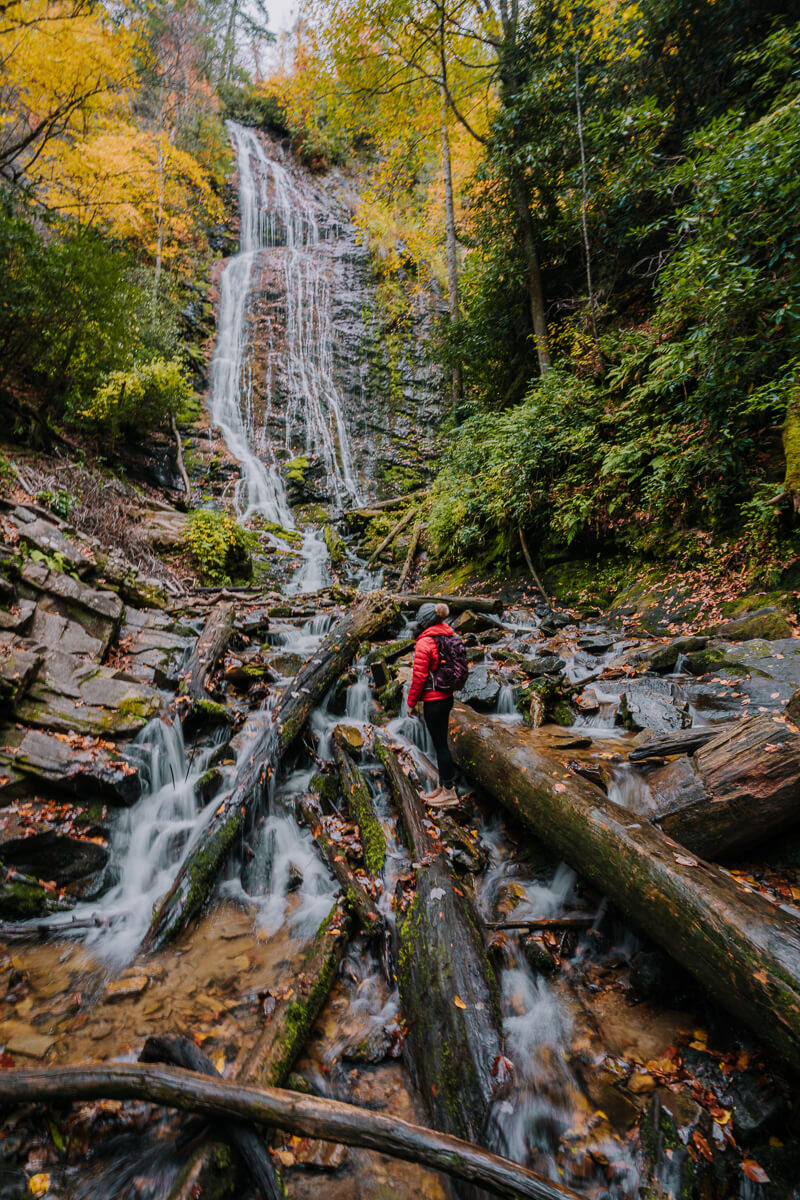
Waterfall trail hiking represents one of the most rewarding forms of outdoor recreation, combining physical challenge, natural beauty, and the meditative power of flowing water. Throughout this comprehensive guide, I've shared the knowledge gained from fifteen years of waterfall chasing across America's diverse landscapes, from desert oases to alpine cascades to temperate rainforest gems.
The key to successful waterfall trail adventures lies in thorough preparation, appropriate gear selection, and respect for both the natural environment and fellow hikers. Whether you're drawn to easily accessible roadside cascades perfect for family outings or challenging backcountry waterfalls that require multi-day expeditions, proper planning ensures safe and memorable experiences.
Remember that every waterfall trail offers unique rewards beyond the destination itself. The journey teaches us about regional geology, seasonal ecological changes, and our own capabilities as outdoor adventurers. These experiences connect us more deeply with natural environments while providing physical exercise, mental restoration, and opportunities for photography and wildlife observation.
As you embark on your own waterfall trail adventures, carry the principles of Leave No Trace, prioritize safety over achievement, and remain open to the unexpected discoveries that make each hike unique. The waterfalls will be there for generations to come if we approach them with respect and responsibility.
Start planning your next waterfall trail adventure today, and discover why chasing waterfalls becomes a lifelong passion for so many outdoor enthusiasts.
Continue your outdoor adventures with more expert guides and gear recommendations at
🏞️ Explore National Parks Store