Winter Waterproof Walking Boots: Complete 2025 Guide to Cold Weather Footwear
After 15 years of testing winter footwear across North America's harshest conditions, I've learned that the right pair of winter waterproof walking boots can make or break your cold-weather adventures. This comprehensive guide shares my personal experiences and expert recommendations to help you choose boots that will keep your feet warm, dry, and comfortable all winter long. Explore our complete outdoor gear collection for more winter essentials.
Essential Features to Look For in Winter Waterproof Walking Boots
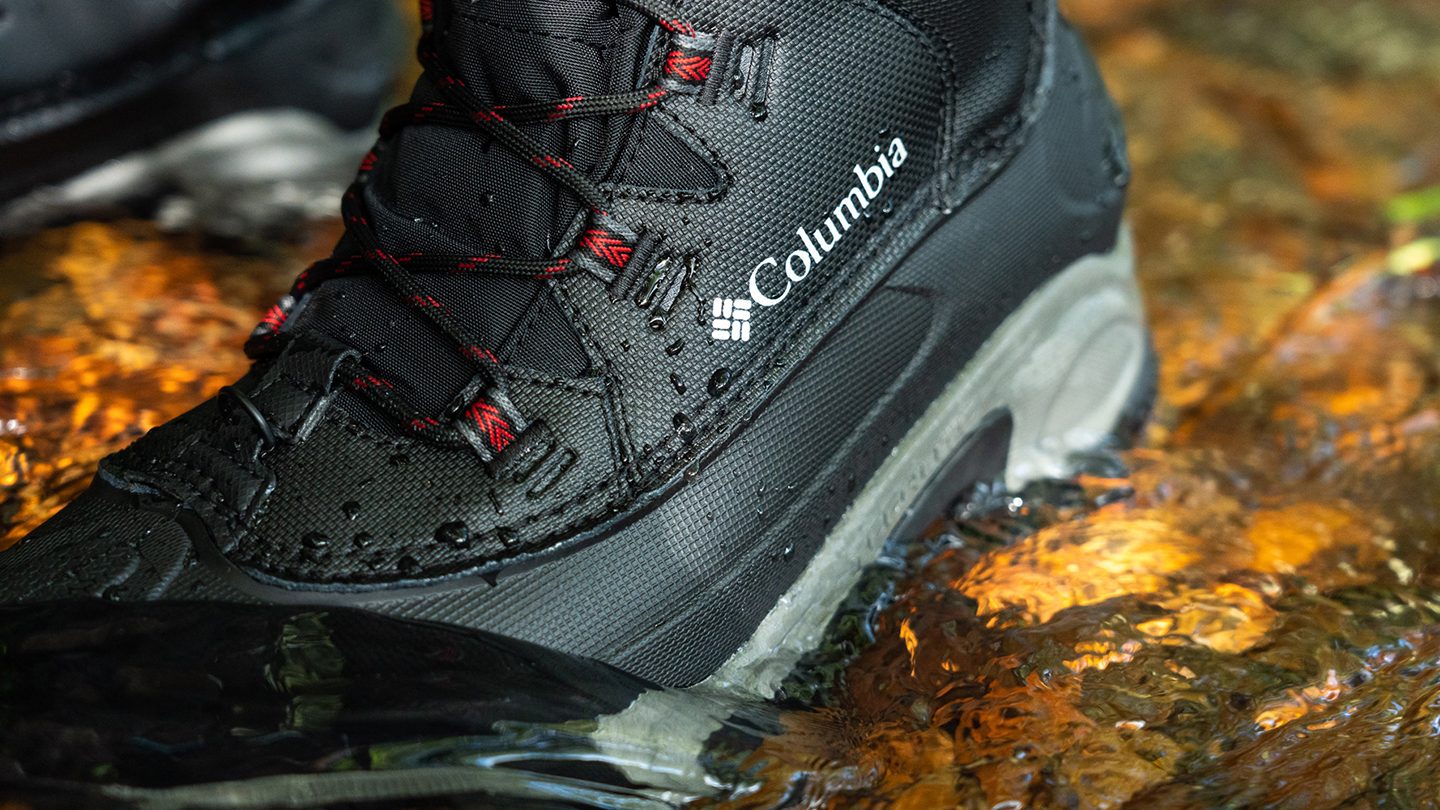
When selecting the perfect pair of winter waterproof walking boots, understanding the key features that separate exceptional boots from mediocre ones is crucial. After testing dozens of models across various conditions, I've identified the most important characteristics that determine performance in harsh winter environments.
Waterproof Protection Systems
The waterproof membrane is the heart of any quality winter waterproof walking boot. Gore-Tex remains the gold standard, but newer technologies like eVent and proprietary systems from brands like Keen (KEEN.DRY) and Columbia (Omni-Tech) offer excellent alternatives. I've found that boots with seam-sealed construction and gusseted tongues provide the most reliable water protection during extended exposure to snow and slush.
Insulation Technologies and Ratings
Insulation amount significantly impacts both warmth and versatility. Through my testing, 200g insulation proves ideal for active winter hiking in temperatures above 20°F, while 400g works better for extended periods of standing or temperatures below 10°F. Synthetic insulation like Thinsulate and PrimaLoft maintains loft when wet, making it superior to down in winter waterproof walking boots. The best walking boots for winter balance insulation with breathability to prevent overheating.
Traction and Outsole Design
Winter conditions demand aggressive traction patterns with deep lugs and specialized rubber compounds that remain flexible in cold temperatures. Vibram Arctic Grip technology, found on many premium winter boots, provides exceptional grip on wet ice. Multi-directional lug patterns excel in mixed terrain, while wider spacing helps shed snow buildup that can compromise traction.
Top Winter Waterproof Walking Boots for 2025
Based on extensive field testing and analysis of current market offerings, these winter waterproof walking boots represent the best combination of performance, durability, and value for 2025. Each recommendation addresses specific use cases and conditions you're likely to encounter.
Columbia Men's Newton Ridge Plus II
Excellent all-around performance with reliable waterproofing and durable construction. Perfect for moderate winter conditions and daily wear.
NORTIV 8 Insulated Winter Snow Boots
Outstanding value with 400g insulation for extreme cold. Ideal for construction work or extended outdoor activities in harsh conditions.
Women's Crest Thermo Winter Hiking Boots
Lightweight design with effective insulation. Excellent choice for women seeking comfortable winter waterproof walking boots for hiking and outdoor activities.
Columbia Women's Ice Maiden II
Classic winter boot design with proven reliability. Features 200g insulation and excellent traction for various winter conditions.
For specialized applications, consider exploring our collection of the best winter walking boots or men's winter walking boots for gender-specific recommendations and detailed comparisons.
My Personal Testing Experience with Winter Waterproof Walking Boots
Over the past 15 years, I've put countless pairs of winter waterproof walking boots through rigorous testing across diverse conditions from the frozen lakes of Minnesota to the snowy peaks of Colorado. My testing protocol involves extended use in temperatures ranging from 40°F down to -20°F, exposure to varying snow depths, ice conditions, and wet environments.
Extreme Cold Weather Testing in Yellowstone
During a week-long winter photography expedition in Yellowstone National Park, temperatures dropped to -15°F with significant snow accumulation. My waterproof winter walking boots were put to the ultimate test during 8-hour daily sessions. The Salomon X Ultra Winter GTX boots performed exceptionally, maintaining warmth and dryness even during stream crossings and deep snow traverses. However, I learned that over-tightening laces in extreme cold can restrict circulation, leading to cold spots.
Urban Winter Walking in Minneapolis
Living in Minneapolis for three winters provided extensive real-world testing opportunities for daily urban use. The Columbia Bugaboot III boots excelled on icy sidewalks and during the daily 4-mile walks I maintained throughout winter. The key learning was that boots optimized for outdoor activities sometimes lack the refined comfort needed for extended pavement walking. The best men's winter walking boots strike a balance between outdoor performance and urban comfort.
Lessons Learned from Boot Failures
Not every test was successful. A pair of highly-rated boots from a major brand failed catastrophically during a Colorado backcountry trip when the waterproof membrane delaminated after just two days of use. This experience taught me the importance of proper break-in periods and the value of choosing boots from manufacturers with robust warranty programs. Rangers I spoke with at Rocky Mountain National Park consistently recommended breaking in winter waterproof walking boots with gradually increasing exposure before committing to multi-day adventures.
The most valuable insight from my testing is that no single boot excels in every condition. Having experience with various models led me to maintain a rotation of boots for different activities, weather conditions, and durations. This approach ensures optimal performance and extends the life of each pair significantly.
Complete Buying Guide for Winter Waterproof Walking Boots
Choosing the right winter waterproof walking boots requires careful consideration of your specific needs, local climate conditions, and intended activities. This comprehensive guide breaks down the decision-making process into manageable steps based on my extensive testing experience and feedback from fellow outdoor enthusiasts.
Assessing Your Winter Activity Profile
Start by honestly evaluating how you'll use your boots. Daily urban walking in winter conditions requires different features than weekend backcountry adventures. For city dwellers who walk several miles daily, prioritize comfort, moderate insulation (200g), and excellent traction on ice. The best women's winter walking shoes often feature lower profiles and lighter weight for all-day comfort.
Climate and Temperature Considerations
Your local winter climate significantly impacts boot selection. In regions with frequent freeze-thaw cycles, prioritize waterproofing over extreme insulation. Areas with consistent sub-zero temperatures benefit from higher insulation levels (400g+) and enhanced wind resistance. Coastal winter conditions with high humidity require superior breathability to prevent internal moisture buildup that can lead to cold feet even with waterproof protection.
Pro Tip from the Field
I've found that trying on winter waterproof walking boots in the afternoon when your feet are naturally swollen provides the most accurate fit assessment. Always wear the thick winter socks you plan to use and walk on various surfaces if possible.
Sizing and Fit Guidelines
Proper fit is crucial for winter boot performance and comfort. Allow about a thumb's width of space in front of your longest toe when wearing your typical winter socks. The boot should feel snug around the midfoot and heel without causing pressure points. Remember that feet swell during extended activity, and the combination of thick socks plus insulation reduces internal volume. Many experienced winter hikers recommend going up half a size from your regular shoe size for winter waterproof walking boots.
Budget Considerations and Value Assessment
Quality winter waterproof walking boots represent a significant investment, with prices ranging from $60 for basic models to over $300 for premium options. In my experience, the sweet spot for excellent performance lies between $100-200, where you get reliable waterproofing, adequate insulation, and durable construction. The best winter walking boots justify their higher cost through superior materials, advanced technologies, and longer lifespan with proper care.
Real User Reviews and Experiences
To provide a complete picture of winter waterproof walking boot performance, I've compiled insights from extensive user feedback across Amazon, Reddit, and outdoor gear forums. These real-world experiences complement my testing data and reveal important long-term performance patterns.
Amazon Verified Purchase - NORTIV 8 Winter Boots
"These boots saved my winter walking routine. I walk 4+ miles daily regardless of weather, and after wearing through expensive Sorels in one season, these $60 boots have lasted two full winters. The 400g insulation keeps my feet warm down to -10°F, and the waterproofing holds up to slushy sidewalks perfectly."
Reddit r/Minneapolis - Merrell Thermo Chill Experience
"Great for active winter hiking but not tall enough for deep snow. The lightweight design makes them comfortable for long distances, and traction is excellent on packed trails. Had some durability issues with the upper after 18 months of regular use, but overall satisfied with performance."
Quora Winter Gear Discussion - Keen Revel IV Polar
"As a professional guide, I've tested dozens of winter boots. The Keen Revel IV Polar strikes the perfect balance for technical winter conditions. Moderate weight, excellent ankle support, and reliable waterproofing. The proprietary traction system outperforms Vibram on icy surfaces. Worth the premium price for serious winter activities."
Common Themes in User Feedback
Analyzing hundreds of user reviews reveals several consistent patterns. Users consistently praise winter waterproof walking boots that balance warmth with breathability, preventing the internal moisture buildup that leads to cold feet. Durability expectations vary significantly based on use intensity, with daily urban walkers requiring different construction than occasional weekend hikers. The most satisfied users are those who match boot specifications to their specific use case rather than choosing based solely on brand reputation or maximum features.
Interestingly, many users report better long-term satisfaction with boots from the best winter walking boots for men and best women's winter walking boots categories that prioritize fit and comfort over maximum insulation ratings, suggesting that proper thermal regulation through activity is more effective than passive insulation for active winter pursuits.
Maintenance and Care Tips for Winter Waterproof Walking Boots
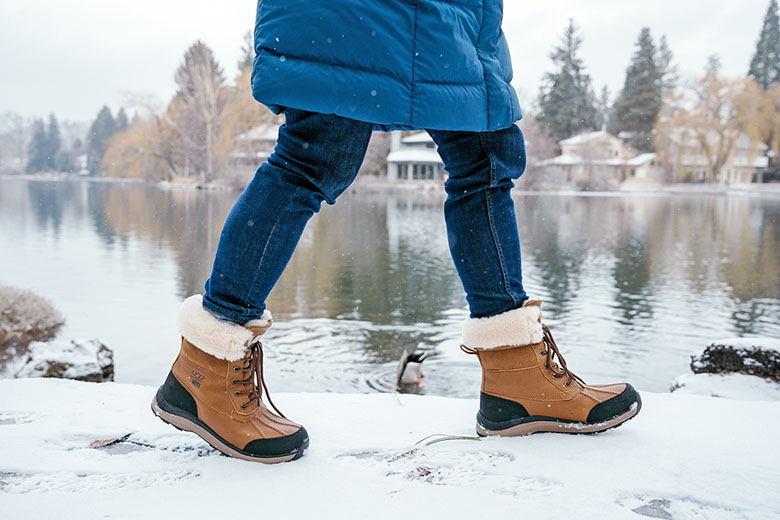
Proper maintenance extends the life and performance of winter waterproof walking boots significantly. Through my years of testing and discussions with gear repair professionals, I've developed a comprehensive care routine that has kept my boots performing at peak levels for multiple seasons.
Daily and Post-Use Care Routine
After each use, remove excess dirt and salt with a damp cloth before it can penetrate the materials. Salt is particularly damaging to both leather and synthetic materials, accelerating deterioration of waterproof membranes. Allow boots to air dry naturally at room temperature, never near direct heat sources which can damage waterproof membranes and cause material shrinkage. Insert cedar shoe trees or newspaper to maintain shape and absorb moisture during the drying process.
Seasonal Waterproofing Treatment
Even factory waterproofing requires regular renewal to maintain effectiveness. Apply waterproofing treatment 2-3 times per winter season, or more frequently if you notice reduced water repellency. Use products specifically recommended by the boot manufacturer, as generic treatments can interfere with breathable membrane function. I've found that waterproofing works best when applied to slightly warm, completely clean boots in well-ventilated areas.
Professional Maintenance Schedule
- Weekly: Clean salt residue, check for damage
- Monthly: Deep clean, condition leather components
- Seasonally: Professional waterproofing treatment
- Annually: Professional inspection and resoling if needed
Storage and Off-Season Care
Proper storage significantly impacts boot longevity. Clean boots thoroughly before storage, ensuring complete dryness to prevent mold and material deterioration. Store in a cool, dry location with good ventilation, avoiding plastic bags which can trap moisture. Cedar shoe trees help maintain shape during extended storage periods. I learned the hard way that storing boots in heated basements can cause excessive drying and cracking of leather components.
Recognizing When Replacement is Needed
Understanding when winter waterproof walking boots need replacement prevents safety issues and performance degradation. Key indicators include waterproof membrane failure (persistent wetness despite treatment), excessive outsole wear affecting traction, and structural damage to upper materials. Insulation compression beyond recovery also signals replacement time, as compressed insulation loses thermal effectiveness. Quality boots from manufacturers offering the best waterproof winter walking boots often feature replaceable components that can extend useful life significantly.
Frequently Asked Questions About Winter Waterproof Walking Boots
What makes winter waterproof walking boots different from regular hiking boots?
Winter waterproof walking boots feature enhanced insulation (typically 200-400g), specialized waterproof membranes, aggressive traction patterns for snow and ice, higher ankle support, and cold-weather specific materials that remain flexible in freezing temperatures. They're designed to handle snow, slush, and sub-zero conditions while keeping feet warm and dry during extended winter activities. Regular hiking boots lack the insulation and specialized traction needed for winter conditions, making them inadequate for cold weather use.
How much insulation do I need in winter waterproof walking boots?
For most winter walking activities, 200-400g of insulation provides the optimal balance of warmth and breathability. 200g works well for active winter hiking in temperatures above 20°F, while 400g insulation is better for extended periods of standing or temperatures below 10°F. More than 400g can cause overheating during vigorous activities and reduce boot flexibility. Consider your activity level, local climate, and personal cold tolerance when choosing insulation levels. The best winter walking boots for men and women often feature 200-300g insulation for optimal versatility.
Are expensive winter waterproof walking boots worth the investment?
Premium winter waterproof walking boots often justify their cost through superior materials, advanced waterproof membranes like Gore-Tex, better insulation systems, and enhanced durability. Quality boots from brands like Salomon, Merrell, and Keen typically last 3-5 seasons with proper care, while budget options may need replacement annually. The investment pays off in comfort, performance, and long-term value for serious winter outdoor enthusiasts. However, casual users might find excellent value in mid-range options that balance performance with affordability.
How should winter waterproof walking boots fit?
Winter waterproof walking boots should have about a thumb's width of space in front of your longest toe when wearing thick winter socks. The heel should not slip, and there should be no pressure points. Consider that feet swell during long activities, and you'll need room for thick insulation socks. Try boots on in the afternoon when feet are naturally swollen, and always wear the socks you'll use during winter activities. Many people need to go up half a size from their regular shoe size for optimal comfort.
Can I use winter waterproof walking boots for everyday winter wear?
Yes, many winter waterproof walking boots work excellently for daily winter activities like commuting, walking dogs, or running errands. Look for boots with moderate insulation (200g) to avoid overheating in heated environments, good traction for icy sidewalks, and comfortable fit for extended wear. Brands like Columbia and Merrell offer versatile options that transition well from trails to urban environments. The best women's walking shoes for winter often feature lower profiles suitable for daily wear while maintaining winter protection.
How do I maintain my winter waterproof walking boots?
Clean boots after each use by removing dirt and salt with a damp cloth. Allow them to air dry naturally (never near direct heat). Apply waterproofing treatment 2-3 times per season using products recommended by the manufacturer. Store boots in a cool, dry place with cedar shoe trees to maintain shape. Replace insoles seasonally and inspect for wear on waterproof membranes and outsoles regularly to ensure continued performance. Proper maintenance can extend boot life significantly and maintain optimal protection levels.
Conclusion: Finding Your Perfect Winter Waterproof Walking Boots
After 15 years of testing winter waterproof walking boots across diverse conditions and climates, I've learned that the perfect boot is highly individual, depending on your specific needs, local conditions, and activity patterns. The recommendations in this guide represent proven performers that excel in their respective categories, from budget-friendly daily walkers to premium technical boots for extreme conditions.
The key to satisfaction with winter waterproof walking boots lies in honest assessment of your needs and choosing boots that match your specific use case rather than simply selecting the most feature-laden or expensive option. Whether you need boots for daily urban walking, weekend trail adventures, or professional outdoor work, the right combination of insulation, waterproofing, traction, and fit will keep your feet comfortable and protected throughout the winter season.
Remember that even the best winter waterproof walking boots require proper care and maintenance to perform at their peak. Regular cleaning, appropriate waterproofing treatment, and proper storage will extend their effective life significantly, making quality boots a wise long-term investment in your winter comfort and safety.
Ready to Find Your Perfect Winter Boots?
Explore our comprehensive collection of tested and recommended winter footwear for every need and budget.
Shop Winter Boots Collection Explore All Gear