The Complete Guide to Lightweight Camping Equipment: Expert-Tested Gear for Every Adventure
Why Choose Lightweight Camping Equipment
The revolution in lightweight camping equipment has transformed how we experience the outdoors. After carrying a traditional 45-pound pack on my first backpacking trip in Yosemite, I quickly understood why reducing weight matters. Modern lightweight camping equipment allows you to cover more ground, enjoy better comfort, and reduce the risk of injury while maintaining safety and functionality.

The key to successful ultralight backpacking lies in understanding the weight classification system. Traditional backpackers typically carry base weights exceeding 30 pounds, while lightweight camping equipment enthusiasts aim for under 20 pounds. Ultralight backpackers push this boundary further, achieving base weights under 10 pounds without sacrificing essential safety gear.
During my thru-hike attempt on the Continental Divide Trail, I learned firsthand how every ounce matters when covering 20+ miles daily. The difference between quality camping equipment and truly optimized lightweight camping equipment became apparent after just the first week on trail.
Pro Tip: Start with the "Big Three" - shelter, sleep system, and backpack - as these typically account for 60-70% of your base weight.
The Big Three Essentials
Ultralight Shelters
Your shelter represents the largest single opportunity for weight savings in lightweight camping equipment. After testing dozens of options across varied conditions, I've found that single-wall tents using Dyneema composite fabrics offer the best weight-to-protection ratio. The Clostnature Polaris Lightweight Backpacking Tent has proven reliable across multiple seasons, weighing just 2.2 pounds while providing excellent weather protection.
For those prioritizing tent camping equipment versatility, consider trekking pole-supported shelters. These eliminate the need for tent poles, saving approximately 8-12 ounces while offering superior stability in wind. My personal favorite remains the Zpacks Duplex, which has sheltered me through storms in the Cascades and blazing sun in the Mojave Desert.
Sleep Systems Revolution
Modern sleeping bags and quilts represent perhaps the most significant advancement in lightweight camping equipment technology. Down insulation continues to dominate the ultralight category, offering unparalleled warmth-to-weight ratios when properly maintained. The Naturehike Cloud-Up Ultralight Sleeping Bag provides 20-degree comfort at just 2.1 pounds, making it ideal for three-season use.
Sleeping pads have evolved dramatically, with air-filled designs now offering R-values exceeding 4.0 while weighing under one pound. The key is matching your pad's thermal rating to expected ground temperatures, not air temperatures. I learned this lesson the hard way during a spring trip to winter camping equipment territory in the Sierra Nevada.
User Review Summary
"After using three different ultralight sleeping systems over two seasons, the combination of a quality down quilt and closed-cell foam pad provides the best balance of comfort and weight savings. The initial investment pays off in reduced fatigue over long trips." - Sarah M., PCT Section Hiker
Cooking & Hydration Systems
Lightweight camping equipment philosophy extends beyond the Big Three to every system in your pack. Modern stove technology has produced remarkably efficient options weighing mere ounces. Alcohol stoves, despite their simplicity, remain popular among ultralight enthusiasts for their reliability and fuel availability. However, canister stoves offer superior control and faster cooking times.
The BRS-3000T Ultralight Stove weighs just 0.9 ounces yet boils water efficiently in most conditions. Paired with a titanium pot and spork, your entire cooking system can weigh under 6 ounces. This represents a dramatic improvement over traditional Coleman camping equipment setups that often exceed two pounds.
Water Treatment & Storage
Hydration systems for lightweight camping equipment prioritize versatility and minimal weight. Collapsible water containers like the CNOC Vecto allow you to carry only the water capacity you need, expanding or contracting based on water source availability. Combined with modern filtration technology, you can safely drink from almost any natural water source.
Water treatment has been revolutionized by lightweight options like the Sawyer Mini filter, weighing just 2 ounces while providing 100,000 gallons of filtration capacity. For areas requiring broader spectrum protection, chlorine dioxide tablets offer virus protection with minimal weight penalty. Always research your specific destination's water quality before selecting treatment methods.
Safety Note: Never compromise on water treatment to save weight. Waterborne illness can turn a great trip into a medical emergency.
Clothing & Essential Accessories
Layering systems form the foundation of lightweight camping equipment clothing strategies. Rather than packing multiple specialized items, modern synthetic and merino wool fabrics allow single garments to serve multiple functions. Base layers that wick moisture, insulate when dry, and dry quickly when wet eliminate the need for separate pajamas, workout clothes, and hiking shirts.
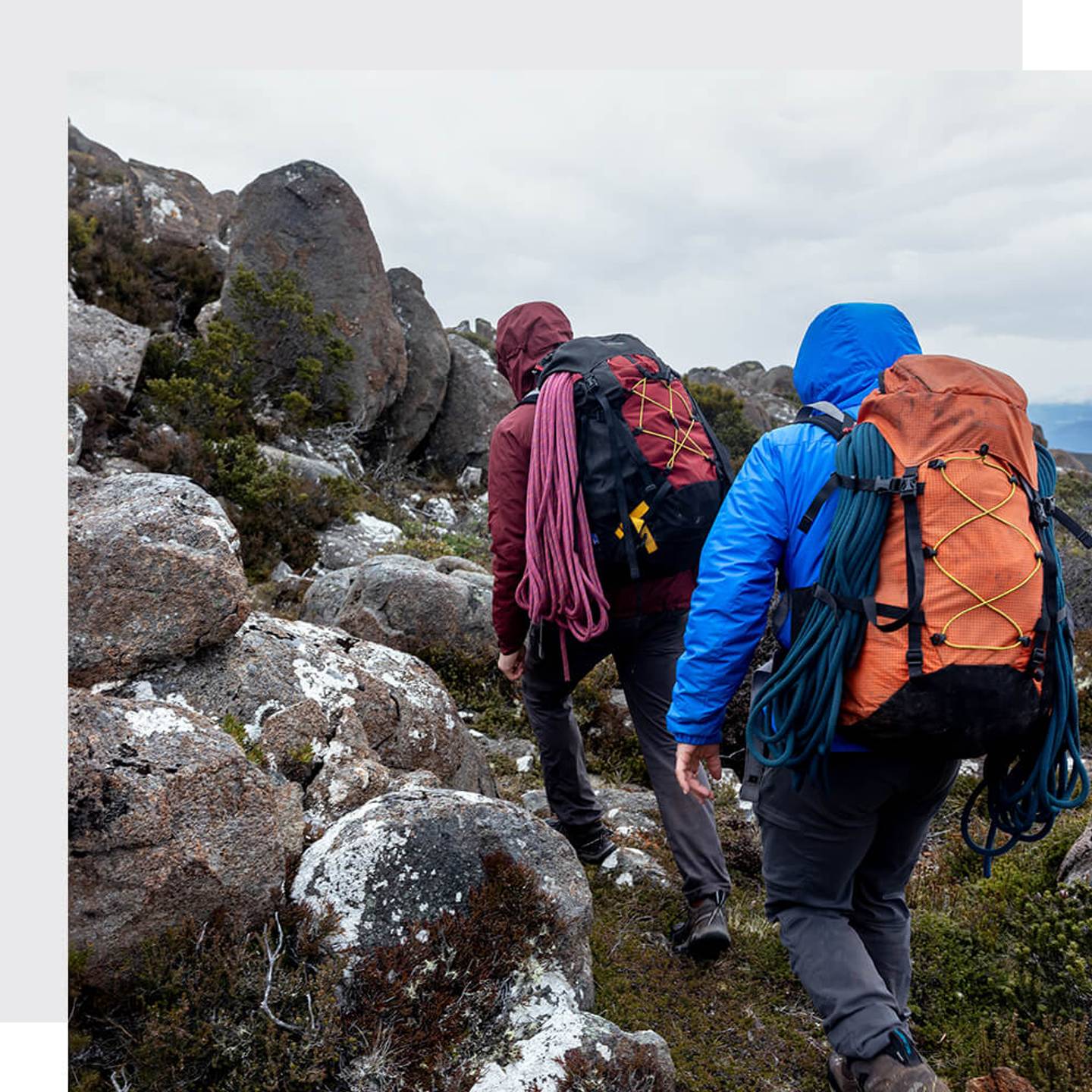
Rain protection deserves special consideration in lightweight camping equipment systems. Modern three-layer fabrics like eVent and Gore-Tex Pro provide excellent breathability while maintaining waterproof protection. However, ultralight options often sacrifice some durability for weight savings. The GEERTOP Ultralight Rain Jacket weighs just 8.2 ounces while providing reliable protection in moderate conditions.
Essential Accessories & Navigation
Modern lightweight camping equipment includes surprisingly capable electronic devices that replace multiple traditional items. Smartphone apps can replace dedicated GPS units, cameras, entertainment systems, and emergency communication devices. However, backup systems remain crucial for safety. A simple compass and paper map weigh negligible amounts while providing essential redundancy.
LED headlamps have revolutionized camp lighting, with current models providing hours of usable light while weighing under one ounce. The Petzl Bindi Ultra-Compact Headlamp exemplifies this evolution, offering multiple lighting modes in an incredibly small package. When planning your kit, consider how camping safety equipment can serve dual purposes to reduce overall weight.
User Review Summary
"Switching to a comprehensive lightweight camping equipment setup cut my pack weight by 40% without sacrificing comfort or safety. The key was focusing on multi-use items and modern materials rather than just eliminating gear." - Mike T., Appalachian Trail Thru-Hiker
My Experience Testing Gear
Over the past decade, I've field-tested lightweight camping equipment across diverse environments, from the humid Southeast to the arid Southwest. Each region presents unique challenges that reveal both strengths and weaknesses in gear selection. My most memorable learning experience occurred during a failed attempt at a winter ascent of Mount Whitney, where condensation management became critical to survival.
The transition to ultralight principles required unlearning many traditional camping habits. Rangers at Sequoia National Park initially questioned my seemingly inadequate gear load, only to see me return after successful multi-day trips while others struggled with oversized packs. The psychological aspect of carrying less gear initially created anxiety, but experience builds confidence in lightweight camping equipment capabilities.
Field testing revealed that weather conditions dramatically affect gear performance. What works perfectly during California's dry season may fail catastrophically during Pacific Northwest storms. This led me to develop location-specific gear lists rather than relying on universal setups. For those interested in specialized environments, consider exploring compact camping equipment designed for specific conditions.
Lessons Learned
During a week-long solo trip in the Wind River Range, I discovered that lightweight camping equipment requires different maintenance and care techniques. Down insulation must be kept absolutely dry, titanium cookware heats unevenly requiring adjusted cooking techniques, and ultralight fabrics demand careful handling to prevent damage.
These experiences taught me that transitioning to lightweight camping equipment isn't just about buying different gear - it's about learning new skills and adapting your outdoor practices to work with high-performance materials.
Seasonal Considerations & Adaptations
Seasonal variations significantly impact lightweight camping equipment selection. Spring conditions often combine winter-like temperatures with summer-like precipitation, creating challenging gear selection decisions. I've learned to prioritize versatile pieces that perform across temperature ranges rather than optimizing for specific conditions. This approach often means carrying slightly more weight but provides essential flexibility when weather changes unexpectedly.
Summer backpacking allows the most aggressive weight reduction, but requires careful attention to sun protection and hydration capacity. Conversely, shoulder season camping demands robust insulation systems and weather protection. Those planning hiking and camping equipment for variable conditions should prioritize layering systems over single-purpose items.
Budget Considerations & Recommendations
Quality lightweight camping equipment represents a significant investment, but the cost-per-use calculation often favors premium gear for serious backpackers. Budget-conscious adventurers can achieve substantial weight savings through strategic purchases and DIY modifications. Start with high-impact items like replacing a heavy sleeping bag or traditional tent before investing in premium accessories.
The used gear market offers excellent opportunities for acquiring premium lightweight camping equipment at reduced costs. Online communities and forums frequently feature gear exchanges where experienced backpackers sell equipment they've outgrown or upgraded. This approach allows you to try different systems without full retail investment.
Recommended Budget-Friendly Options
Starter Tent
Forceatt 2-Person Waterproof Tent - Lightweight aluminum poles, 4.6/5 stars
View on AmazonPremium Option
Naturehike Cloud-Up 2 Person - Free standing ultralight design, 4.4/5 stars
Shop PremiumLong-term Investment Strategy
Building a comprehensive lightweight camping equipment kit requires patience and strategic planning. Rather than purchasing complete systems at once, focus on incremental upgrades that provide immediate weight savings. Many experienced backpackers recommend starting with new camping equipment research before making major investments.
Quality lightweight camping equipment often includes manufacturer warranties and repair programs that extend product lifespan significantly. Companies like Patagonia, REI, and specialized ultralight manufacturers stand behind their products with comprehensive support programs. This support network becomes crucial when using gear at the limits of its design parameters.
Expert Recommendation
"Focus on versatile, multi-season gear rather than highly specialized equipment. A good three-season setup serves most backpackers better than separate systems for each condition. Quality lightweight camping equipment should last for decades with proper care." - Trail Angel Jim, 2,000+ miles hiked annually
Conclusion
The evolution of lightweight camping equipment has fundamentally changed how we experience the wilderness. Modern materials and design innovations allow adventurers to travel farther, more comfortably, and with reduced environmental impact. The key to successful ultralight backpacking lies not in eliminating essential gear, but in choosing equipment that serves multiple functions while maintaining safety and comfort standards.
My years of testing lightweight camping equipment across diverse environments have reinforced the importance of matching gear to specific needs rather than following universal recommendations. What works perfectly for weekend warriors may prove inadequate for long-distance hikers, and vice versa. The investment in quality lightweight camping equipment pays dividends in reduced fatigue, increased mobility, and enhanced wilderness experiences.

As you build your lightweight camping equipment kit, remember that the transition requires learning new skills alongside acquiring new gear. Take time to practice with your equipment in controlled environments before committing to challenging adventures. The confidence that comes from understanding your gear's capabilities and limitations will enhance your outdoor experiences immeasurably.
For those ready to embrace the lightweight camping equipment revolution, start with gradual changes to your existing setup. Focus on the Big Three items first, then systematically evaluate every piece of gear for weight-saving opportunities. Remember that the goal isn't to carry the least weight possible, but to carry exactly what you need in the most efficient package possible.
Ready to Start Your Lightweight Adventure?
Explore our comprehensive guides on specialized equipment categories:
Frequently Asked Questions
What is considered lightweight camping equipment?
Lightweight camping equipment refers to gear designed to minimize pack weight while maintaining functionality and safety. Generally, lightweight backpackers aim for base weights under 20 pounds, while ultralight enthusiasts target under 10 pounds. This includes tents under 3 pounds, sleeping bags under 2 pounds, and backpacks under 2 pounds. The focus is on high-quality materials like Dyneema, titanium, and advanced synthetic insulations that provide maximum performance per ounce. Modern lightweight camping equipment often serves multiple functions, eliminating redundancy while maintaining essential capabilities for backcountry safety and comfort.
How much should I budget for a complete lightweight camping equipment setup?
A complete lightweight camping equipment kit ranges from $800-3000 depending on your quality preferences and specific needs. Budget-conscious backpackers can build functional ultralight setups around $800-1200 by choosing brands like Naturehike, 3F UL Gear, and other value-oriented manufacturers. Mid-range setups ($1200-2000) include brands like Big Agnes, REI Co-op, and Sea to Summit that balance weight, durability, and price. Premium ultralight setups ($2000+) feature boutique manufacturers like Zpacks, Hyperlite Mountain Gear, and Western Mountaineering that prioritize absolute weight savings and cutting-edge materials. Start with the "Big Three" items first, then gradually upgrade accessories and clothing systems over time.
Is lightweight camping equipment less durable than traditional gear?
Modern lightweight camping equipment can be equally durable when used within design parameters, though it often requires more careful handling than traditional gear. Advanced materials like Dyneema composite fabrics are actually stronger than conventional materials by weight, but may show wear patterns differently. The key is understanding that ultralight gear often optimizes for specific use cases rather than universal durability. For example, a 0.75-ounce Dyneema tent fabric is incredibly strong in tension but may puncture more easily than heavier materials. Most quality lightweight camping equipment manufacturers provide repair instructions and patches, acknowledging that field maintenance is part of the ultralight philosophy. With proper care, premium lightweight camping equipment often outlasts traditional alternatives.
Can beginners start with lightweight camping equipment or should they use traditional gear first?
Beginners can successfully start with lightweight camping equipment, but should prioritize safety margins over absolute weight savings initially. The ultralight philosophy emphasizes skill development alongside gear optimization, meaning new backpackers need experience to safely eliminate redundant systems. Start with lightweight versions of traditional gear - a 2-pound tent instead of a 4-pound tent, a 1.5-pound sleeping bag instead of a 3-pound bag. This approach provides immediate benefits while maintaining familiar functionality. As skills develop, you can transition to more specialized ultralight equipment like trekking pole shelters or minimalist cook systems. Many experienced ultralight backpackers recommend borrowing or renting gear initially to understand preferences before making significant investments in lightweight camping equipment.
What are the most important safety considerations with lightweight camping equipment?
Safety with lightweight camping equipment requires understanding the limits of your gear and maintaining appropriate margins for changing conditions. Never eliminate essential safety items like navigation tools, first aid supplies, or emergency shelter to save weight. Instead, optimize these systems for efficiency - carry a lightweight first aid kit rather than no first aid kit. Weather protection becomes critical with ultralight gear since safety margins are reduced. Always carry backup systems for critical functions: navigation (map and compass with GPS), fire starting (multiple methods), and emergency warmth (emergency bivy or space blanket). Practice with your lightweight camping equipment in controlled environments before committing to challenging trips. Understanding how your gear performs in various conditions builds the confidence necessary for safe ultralight travel in wilderness environments.
How do I maintain and care for lightweight camping equipment?
Proper maintenance extends the life of lightweight camping equipment significantly, since these materials often require more careful handling than traditional gear. Down insulation must be stored uncompressed and kept absolutely dry - even small amounts of moisture can destroy loft and warmth. Clean down products annually with specialized cleaners like Nikwax or Grangers Down Wash. Dyneema and other composite fabrics should be cleaned with mild soap and cold water, avoiding fabric softeners or bleach that can degrade coatings. Titanium cookware requires gentler cleaning than aluminum to prevent scratching non-stick coatings. Ultralight shelter fabrics benefit from seam sealing maintenance every 2-3 years depending on use. Store gear loosely packed in breathable storage sacks rather than compression sacks long-term. Most importantly, inspect gear regularly for wear patterns and address small issues before they become major problems requiring replacement.
© 2025 Explore National Parks Store. Expert outdoor guides and gear recommendations for your next adventure.