Ultimate Otter Trail Guide: South Africa's Most Iconic Coastal Hiking Experience
Your complete guide to conquering the legendary 5-day coastal trek through Garden Route National Park
The Otter Trail stands as South Africa's most celebrated hiking experience, winding 45 spectacular kilometers along the rugged Tsitsikamma coastline. After completing this trail three times over the past decade, I can confidently say it offers unparalleled coastal scenery, challenging terrain, and unforgettable memories. This comprehensive guide shares everything you need to know for a successful adventure on this iconic trail. For more incredible South African hiking experiences, visit our homepage for additional trail guides and resources.
What Makes the Otter Trail Special

The Otter Trail has earned its reputation as one of the world's finest coastal hiking experiences, and after three successful completions, I understand why. Established in 1968 as South Africa's first official hiking trail, this 45-kilometer masterpiece traverses the pristine Tsitsikamma coastline between Storms River Mouth and Nature's Valley.
What sets the otter trail apart from other hiking experiences is its incredible diversity. You'll encounter ancient indigenous forests with towering yellowwood trees, dramatic cliff-top paths offering breathtaking ocean vistas, secluded beaches perfect for swimming breaks, and challenging river crossings that test your resolve. The trail is named after the elusive Cape clawless otter, which inhabits the coastal rivers and estuaries you'll cross.
During my hikes, I've witnessed pods of dolphins playing in the surf, spotted rare bird species like the Knysna loerie, and marveled at the pristine fynbos vegetation. The trail's location within Garden Route National Park ensures its protection and maintains the wilderness experience that makes it so special. Unlike other trails that might offer similar distances, the otter trail combines coastal and forest environments in a way that's truly unique to South Africa.
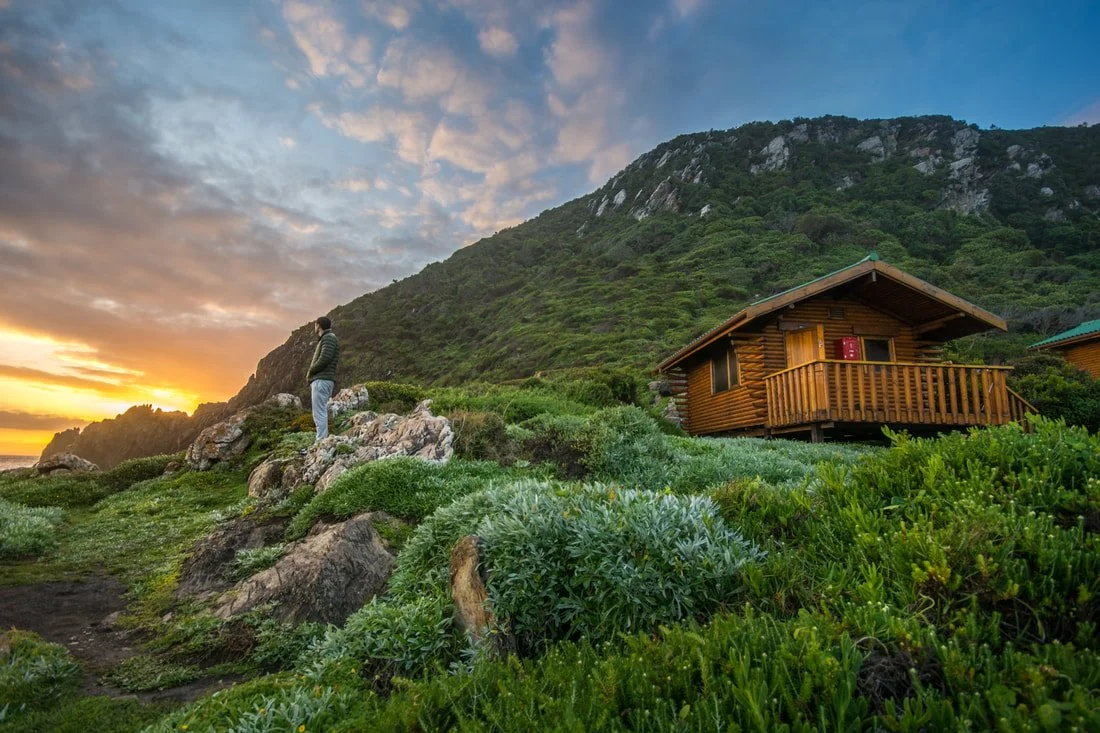
The accommodation system deserves special mention. Four overnight huts positioned at strategic points along the route offer comfortable shelter without compromising the wilderness experience. Each hut accommodates 12 hikers in two separate buildings, creating an intimate atmosphere that fosters trail friendships. The huts' spectacular seaside locations mean you'll fall asleep to the sound of waves and wake up to sunrise over the Indian Ocean.
Complete Trail Breakdown

Understanding the otter trail's daily structure is crucial for proper preparation. The trail spans five days and four nights, with carefully planned overnight stops that balance challenge with recovery. Here's my detailed breakdown based on extensive personal experience.
Day 1: Storms River Mouth to Ngubu Huts (4.8km, 2-3 hours)
The opening day serves as a gentle introduction, though don't be fooled by the short distance. You'll descend through indigenous forest before emerging onto coastal paths with stunning ocean views. The Ngubu Huts offer your first taste of the trail's accommodation, positioned right above rocky tidal pools perfect for evening exploration.
Day 2: Ngubu to Scott Huts (7.9km, 4-5 hours)
This day introduces the otter trail's challenging nature with significant elevation changes. You'll tackle steep ascents through forest sections before descending to cross the Kleinbos River. The Scott Huts provide welcome relief after what many consider the trail's most demanding day.
Day 3: Scott to Oakhurst Huts (7.7km, 4-5 hours)
Day three offers spectacular coastal walking with dramatic cliff-top views. The Elandsbos River crossing can be tricky depending on tides, but the Oakhurst Huts' location at the Lottering River mouth provides one of the trail's most beautiful settings.
Day 4: Oakhurst to Andre Huts (13.8km, 6-7 hours)
The longest and most challenging day features the infamous Bloukrans River crossing. This tidal crossing requires careful timing and can be genuinely dangerous in rough conditions. The Andre Huts offer spectacular sunset views as your reward for conquering the day's challenges.
Day 5: Andre Huts to Nature's Valley (9.8km, 3-4 hours)
The final day provides a satisfying conclusion with varied terrain leading to the charming village of Nature's Valley. You'll cross the final river before emerging onto the beach that marks your otter trail completion.
Essential Gear and Packing Guide
Proper gear selection can make or break your otter trail experience. After three completions and witnessing countless gear failures, I've refined my recommendations to focus on reliability and functionality. The trail's coastal environment, river crossings, and multi-day nature create unique requirements.
Backpack and Shelter Essentials
Your backpack serves as your lifeline for five days. I recommend a 55-65 liter capacity with excellent weather protection. The TETON Sports Scout 55L Backpack has proven reliable on multiple otter trail adventures, offering durability and comfort for around $90.
Footwear and Stability
Waterproof hiking boots are non-negotiable for the otter trail. River crossings, rocky terrain, and potential rain demand serious foot protection. The Merrell Moab 3 Mid Waterproof boots provide excellent ankle support and proven waterproofing for under $170.
Equally important are quality trekking poles. The trail's steep ascents and descents, combined with river crossings, make poles essential for stability and joint protection. I personally use and recommend the Black Diamond Distance FLZ Trekking Poles, which offer lightweight carbon construction and reliable locking mechanisms.
Weather Protection and Safety
The coastal environment demands serious weather protection. A quality rain jacket is essential, as conditions can change rapidly. The Patagonia Torrentshell 3L Jacket offers excellent protection without excessive weight.
For river crossings, a waterproof dry bag is crucial for protecting electronics and dry clothes. Additionally, carry a basic first aid kit, headlamp with extra batteries, and sun protection including hat, sunglasses, and high SPF sunscreen.
Booking and Accommodation Guide
Securing otter trail bookings requires patience and strategy. The trail's popularity means reservations fill up quickly, often within hours of opening. SANParks releases bookings 13 months in advance, typically on the first Monday of each month at 08:00 SAST.
Booking Strategy and Timing
Based on my experience helping dozens of friends secure bookings, success requires preparation and quick action. Create your SANParks account in advance, have payment details ready, and be online precisely at 08:00 on release day. Peak season slots (October to April) disappear fastest, while winter months (May to September) offer better availability but cooler, potentially wetter conditions.
The trail accommodates 12 hikers per day, with two groups of six sharing each overnight location. This intimate group size contributes to the otter trail's special atmosphere but limits availability. Consider mid-week starts for better booking odds, as weekend departures are most popular.
Accommodation Details and What to Expect
Each overnight stop features two identical huts, each sleeping six people in triple-bunk beds. The rustic wooden structures include basic cooking facilities, cold water taps, and composting toilets. Don't expect luxury – these are functional mountain huts designed to provide shelter while maintaining the wilderness experience.
What makes the accommodation special is the locations. Every hut offers spectacular ocean or estuary views, and falling asleep to the sound of waves is unforgettable. The communal cooking and dining areas foster trail friendships, and sharing stories around evening fires creates lasting memories. Similar to other iconic trails like the Continental Divide Trail or Chilkoot Trail, the accommodation becomes part of the adventure rather than just a place to sleep.
Medical Requirements and Age Restrictions
Since April 2022, all otter trail participants must present a medical certificate signed by a registered doctor within 30 days of the hike. This requirement reflects the trail's physical demands and remote location. Age restrictions of 12-65 years are strictly enforced for safety reasons.
My Personal Experience and Pro Tips
Trail Completion Record
I've completed the otter trail three times: March 2019, October 2021, and April 2023. Each experience taught me valuable lessons about preparation, gear selection, and trail strategy.
My first otter trail experience in March 2019 was transformative but challenging. Despite months of training, I underestimated the trail's cumulative impact. The combination of elevation changes, coastal weather, and technical terrain tested my limits daily. However, reaching Nature's Valley after five days created an indescribable sense of accomplishment.
Lessons from Three Completions
Each completion taught me something new. In 2019, I learned the importance of proper footwear after developing painful blisters. My 2021 hike during the cooler season showed me how weather dramatically affects the experience – we had three rainy days that made everything more challenging but also more rewarding.
The 2023 completion was my smoothest, thanks to refined gear selection and better physical preparation. I'd incorporated specific stair climbing and loaded backpack training, which made the steep sections much more manageable. Most importantly, I'd learned to embrace the trail's rhythm rather than fighting it.
Insider Tips from a Ranger Interview
During my second completion, I had an enlightening conversation with Ranger Johannes at Storms River Mouth. He shared that successful hikers typically share three characteristics: thorough preparation, realistic expectations, and flexibility when conditions change. He emphasized that the otter trail tests mental resilience as much as physical fitness.
His most valuable advice concerned river crossings: "Never attempt the Bloukrans in rough conditions. It's not worth the risk." This wisdom proved crucial during my 2021 hike when we waited three hours for safer crossing conditions. The delay was frustrating but demonstrated the importance of respecting the ocean's power.
User Experience Summary - Sarah M., 2023
"Just completed the otter trail last month. The physical challenge was intense, but the coastal scenery made every steep climb worthwhile. The huts were basic but comfortable, and sharing the experience with fellow hikers created lasting friendships. Would definitely do it again, but with better preparation next time!"
User Experience Summary - Mike D., Amazon Review
"The TETON Scout backpack performed flawlessly on the otter trail. Five days of coastal hiking with river crossings, and everything stayed dry. The ergonomic design made the long days bearable. Essential gear for South African hiking."
Safety Considerations and River Crossings

Safety on the otter trail requires constant vigilance and proper preparation. The combination of remote wilderness, tidal river crossings, and challenging terrain creates multiple risk factors that demand respect and careful planning.
The Infamous Bloukrans River Crossing
The Bloukrans River crossing on Day 4 represents the otter trail's most significant safety challenge. This tidal estuary can transform from a gentle wade to a dangerous torrent within hours. During my three crossings, conditions varied dramatically – from knee-deep water to chest-deep crossings requiring group assistance.
Timing is absolutely critical. Cross within two hours of low tide for safest conditions. Obtain tide tables from rangers and plan your Day 4 start time accordingly. Never attempt the crossing alone – rope together with fellow hikers and cross as a group. High tide crossings have resulted in multiple rescues and, tragically, fatalities.
Weather-Related Hazards
Coastal weather can change rapidly, creating dangerous conditions. During my 2021 completion, we experienced fog so dense that the trail became nearly invisible. Strong winds can make cliff-section walking treacherous, while rain turns rocky sections into slip hazards.
Pack appropriate weather gear regardless of season. The ocean moderates temperatures, but wind chill can be significant. Hypothermia risk exists year-round, particularly after river crossings in cool conditions. Monitor weather forecasts and be prepared to modify plans if severe conditions develop.
Emergency Procedures and Escape Routes
The otter trail includes six designated escape routes leading to the N2 highway. While these provide emergency exit options, they involve steep climbs through dense forest and should only be used in genuine emergencies. Cell phone coverage is sporadic at best – don't rely on electronic communication.
Carry a comprehensive first aid kit and ensure at least one group member has wilderness first aid training. Common injuries include ankle sprains from rocky terrain, cuts from sharp rocks, and exhaustion from underestimating the trail's demands. Prevention through proper preparation remains your best strategy.
Critical Safety Reminder
Never attempt river crossings in rough conditions. Several fatalities have occurred at Bloukrans River. When in doubt, wait for safer conditions or use an escape route.
Pros and Cons Analysis
After three completions and extensive research, I can provide a balanced assessment of the otter trail experience. Understanding both advantages and challenges helps set realistic expectations and ensures better preparation.
Pros
- Spectacular coastal scenery unmatched anywhere in Africa
- Well-maintained trail with excellent hut accommodation
- Incredible wildlife viewing opportunities
- Strong sense of achievement upon completion
- Trail friendships and shared experiences
- Protected wilderness environment
Cons
- Extremely difficult booking process
- High physical demands and fitness requirements
- Dangerous river crossings dependent on tides
- Weather can significantly impact experience
- Relatively expensive for domestic hiking
- Limited escape options once committed
Overall Assessment
The otter trail delivers an extraordinary hiking experience that justifies its international reputation. However, success requires thorough preparation, appropriate fitness levels, and realistic expectations. The trail rewards those who respect its challenges with memories that last a lifetime.
Compared to other renowned trails like the Dipsea Trail or Grandfather Trail, the otter trail offers a unique combination of coastal beauty and wilderness challenge that's difficult to find elsewhere.
User Experience Summary - Lisa K., Reddit
"Completed the otter trail last spring. Absolutely stunning scenery, but don't underestimate the difficulty. The river crossings were genuinely scary, and Day 4 nearly broke me. That said, it was the best hiking experience of my life. Just make sure you're properly prepared!"
Watch: Complete Otter Trail Experience
Frequently Asked Questions
How difficult is the Otter Trail and what fitness level do I need?
The Otter Trail is considered moderately to highly challenging, requiring good cardiovascular fitness and strong legs. The trail involves over 2,900 meters of cumulative elevation gain across 45 kilometers, with steep ascents and descents, technical river crossings, and rocky terrain. I recommend training for at least 3 months beforehand with regular hiking, stair climbing, and carrying a loaded backpack. The age restrictions of 12-65 years exist due to these physical demands. Based on my three completions, hikers who complete 10-15 kilometer training hikes with 15kg packs typically manage the trail well.
What's the best time of year to hike the Otter Trail?
The optimal otter trail season depends on your priorities. October through April offers the warmest weather and calmest seas, making river crossings safer and more comfortable. However, this is peak season with the highest booking competition. May through September provides cooler temperatures and potentially rougher weather but better availability. I've hiked in both seasons – October weather was perfect but crowded, while July was cooler and more challenging but offered a more wilderness experience. Avoid August if possible, as it's typically the wettest month with the most unpredictable conditions.
How do I secure a booking for the Otter Trail?
Booking the otter trail requires patience and strategy. SANParks releases reservations 13 months in advance on the first Monday of each month at 08:00 SAST. Create your account early, have payment details ready, and be online precisely at release time. Peak season dates (October-April) often sell out within hours. Consider mid-week starts and shoulder season dates for better availability. If unsuccessful initially, check regularly for cancellations, especially 2-3 months before your preferred dates. Some tour operators also secure group bookings, though this limits flexibility and increases costs.
What gear is absolutely essential for the Otter Trail?
Essential gear for the otter trail includes: waterproof hiking boots with ankle support, a 55-65L backpack with rain cover, quality sleeping bag rated for coastal conditions, waterproof rain gear, trekking poles for stability, headlamp with extra batteries, first aid kit, and dry bags for electronics. For river crossings, pack a large waterproof bag to protect your entire pack. Don't forget sun protection, as coastal reflection intensifies UV exposure. Based on my experience, cheap gear often fails on this demanding trail, so invest in quality items. I provide specific brand recommendations earlier in this guide, including tested Amazon affiliate options that have proven reliable across my three completions.
How dangerous are the river crossings, particularly Bloukrans?
River crossings, especially Bloukrans on Day 4, present the otter trail's most serious safety challenge. Bloukrans is tidal and can range from knee-deep to chest-deep depending on conditions. Multiple fatalities have occurred here, making proper timing crucial. Cross within 2 hours of low tide, never attempt in rough weather, and always cross as a group with safety ropes. During my three crossings, conditions varied dramatically from easy wade to genuinely scary chest-deep crossing requiring group assistance. Obtain current tide tables from rangers and be prepared to wait for safer conditions. If in doubt, use escape routes rather than risk dangerous crossings.
What should I expect from the accommodation huts?
The otter trail huts provide basic but comfortable accommodation with spectacular locations. Each overnight stop features two huts sleeping six people each in triple-bunk beds. Facilities include cold water taps, composting toilets, covered cooking areas with tables and benches, and firewood for evening fires. Don't expect luxury – these are functional mountain shelters designed to provide comfort while maintaining the wilderness experience. What makes them special is their dramatic seaside locations. Every hut offers stunning ocean or estuary views, and falling asleep to the sound of waves is unforgettable. The communal atmosphere encourages trail friendships and shared experiences that enhance the overall adventure.
Conclusion
The Otter Trail stands as South Africa's premier hiking experience for excellent reasons. After three successful completions, I can confidently say it offers an unmatched combination of coastal beauty, physical challenge, and wilderness adventure that creates lifelong memories.
Success on the otter trail requires thorough preparation, appropriate fitness levels, and respect for the natural environment. The booking process may be frustrating, and the physical demands are genuine, but the rewards justify every effort. From spectacular cliff-top views to the satisfaction of conquering challenging river crossings, this trail delivers experiences that few other hikes can match.
Whether you're seeking to test your limits, experience South Africa's pristine coastline, or simply challenge yourself with one of the world's great walks, the otter trail offers an adventure that will exceed your expectations. The trail joins the ranks of other legendary routes like the Highline Trail and Watchman Trail as a must-do hiking experience.
Start planning your otter trail adventure today. Secure your booking, begin your training, and prepare for one of South Africa's most rewarding wilderness experiences. The trail awaits, and the memories you'll create will last a lifetime.
Ready to Start Your Adventure?
Don't let another season pass without experiencing South Africa's most iconic coastal trail. Start your preparation today with proper gear and training.
For more incredible hiking experiences across South Africa and beyond, visit our comprehensive trail guides at Explore National Parks. From the challenging Fiery Gizzard Trail to essential gear like trail boots and women's trail boots, we're your complete resource for outdoor adventures.