What Makes the Chilkoot Trail Special
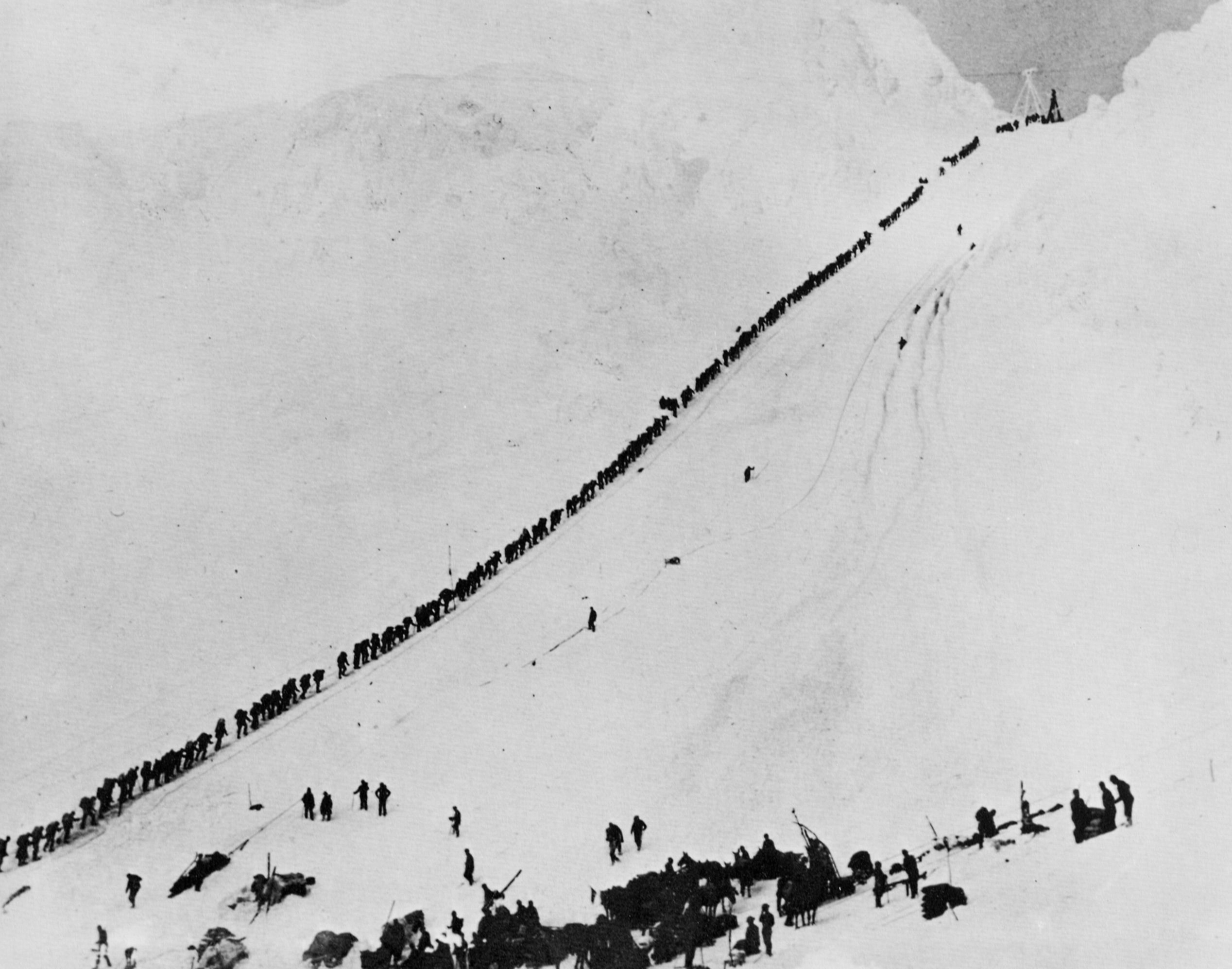
The Chilkoot Trail stands alone as the world's longest outdoor museum, stretching 33 miles (53 kilometers) from the ghost town of Dyea, Alaska, to Bennett, British Columbia. Unlike other hiking trails, every step along this route tells a story of human determination, dreams, and the last great gold rush that captured the world's imagination in 1897-1898.
What sets the Chilkoot Trail apart from other famous hikes like the Continental Divide Trail or Highline Trail is its incredible preservation of historical artifacts. During my first hike in 2014, I was amazed to discover perfectly preserved gold rush relics scattered along the entire route—from rusted mining equipment at Canyon City to the haunting remains of stampeders' supplies near The Scales.
Trail Highlights
- Three Distinct Ecosystems: Coastal rainforest, alpine tundra, and boreal forest
- Historical Significance: Over 100,000 artifacts from the 1897-1898 Gold Rush
- International Experience: Cross the US-Canada border at 3,525 feet elevation
- Challenging Terrain: The infamous "Golden Stairs" test every hiker's resolve
The trail's crown jewel is undoubtedly the Golden Stairs—a steep, boulder-strewn ascent to Chilkoot Pass at 3,525 feet. Here, you'll experience the same grueling climb that claimed the dreams of thousands of gold seekers. The Canadian Mounted Police required each stampeder to carry a year's worth of supplies (approximately 2,000 pounds), making multiple trips necessary. Today, you'll climb with just your backpack, but the psychological challenge remains immense.
The modern trail perfectly balances historical preservation with outdoor adventure. Parks Canada and the U.S. National Park Service maintain excellent facilities while respecting the route's sacred nature. Unlike busy trails such as the Dipsea Trail, the Chilkoot's permit system limits daily hikers to just 50 people, ensuring an intimate wilderness experience that honors both nature and history.
Planning Your Chilkoot Trail Adventure
Permits and Reservations
Securing permits is absolutely crucial and should be your first priority when planning your Chilkoot Trail adventure. The trail operates under a strict quota system allowing only 50 hikers to begin each day from June through September. Based on my experience booking permits over multiple years, I recommend applying as soon as reservations open on January 15th each year.
Important Dates
- Reservations Open: January 15th
- Hiking Season: June - September
- Peak Season: July - August
- Daily Permit Limit: 50 hikers
Permit Costs (2025)
- Adult (16+): CAD $89.90
- Youth (6-15): CAD $45.90
- Under 6: Free
- Reservation Fee: CAD $12.25
Getting There and Transportation
The logistics of reaching the Chilkoot Trail trailhead and arranging your return transportation require careful coordination. Most hikers fly into Skagway, Alaska, which is accessible via connecting flights through Juneau. From Skagway, the historic town of Dyea is just a 15-minute drive to the trailhead.
At the trail's end in Bennett, British Columbia, you'll board the historic White Pass & Yukon Route Railway for a scenic journey back to Skagway. I highly recommend booking the steam locomotive service rather than the diesel option—the experience of riding behind a coal-fired engine adds authenticity to your gold rush adventure. Book your train passage well in advance as seats fill quickly during peak hiking season.
Border Crossing and Documentation
Don't let border documentation ruin your adventure! Both US and Canadian citizens need proper identification for the border crossing at Chilkoot Pass. I carry my passport in a waterproof case, and I recommend having photocopies stored separately in your gear. The Canadian border station at the pass is typically staffed during hiking season, but weather can affect operations.
Required Documentation
- Valid passport or enhanced driver's license
- Chilkoot Trail permit (must be printed)
- Emergency contact information
- Travel insurance documentation (recommended)
Essential Gear for the Chilkoot Trail
After completing the Chilkoot Trail multiple times and testing countless gear combinations, I've developed a comprehensive equipment list that balances weight, functionality, and safety. The trail's diverse conditions—from coastal rainforest humidity to alpine snow—demand versatile, high-quality gear that can handle Alaska's unpredictable weather.
Footwear and Clothing
Your feet will carry you through 33 miles of diverse terrain, making proper footwear absolutely critical. I learned this lesson the hard way during my first attempt when poor boot choice led to severe blisters that nearly ended my hike at Sheep Camp. The key is finding trail boots that offer both waterproof protection and ankle support.
Recommended Hiking Boots
Columbia Newton Ridge Plus II - $75.28 ⭐ 4.5/5Waterproof, ankle support, proven on Alaskan trails
Women's Hiking Boots
Columbia Newton Ridge Plus - $65.25 ⭐ 4.6/5Women-specific fit, excellent grip on wet rocks
For those seeking alternatives to traditional leather boots, I've had excellent experience with lightweight women's trail boots and specialized Banff trail boots designed specifically for Canadian mountain conditions.
Sleep System and Shelter
Alaska's unpredictable weather demands a sleep system capable of handling temperatures ranging from 60°F in the coastal areas to potentially near-freezing conditions at higher elevations, even in summer. During my second Chilkoot hike, unexpected weather dropped temperatures to 28°F in late July, making my quality sleeping bag a literal lifesaver.
Cold Weather Sleeping Bag
0° Winter Sleeping Bag - $49.99 ⭐ 4.4/5Temp range 5°F-32°F, compression sack included
Lightweight Option
Teton LEEF Mummy Bag - $84.99 ⭐ 4.5/5Perfect for backpacking, compression sack included
Traction and Safety Equipment
The Golden Stairs and various creek crossings present unique traction challenges that standard hiking boots can't always handle. Snow and ice can persist well into summer at higher elevations, making microspikes or crampons essential safety equipment. I never attempt the Chilkoot Trail without my trusted Hillsound trail crampons, which have saved me from dangerous slips multiple times.
Critical Safety Gear
- Bear spray (mandatory): Required by both US and Canadian regulations
- First aid kit: Include blister treatment and pain medication
- Emergency shelter: Bivy sack or emergency blanket
- Water purification: Filter plus backup purification tablets
My Experience on the Historic Route
Personal Journey: Three Times on the Chilkoot
After completing the Chilkoot Trail in 2014, 2018, and 2022, each journey revealed new lessons and deeper appreciation for this historic route.
Day One: Dyea to Finnegan's Point
My first steps on the Chilkoot Trail began at the old Dyea townsite, where only scattered building foundations and interpretive signs remain of what was once a bustling city of 10,000 people. The initial 5 miles to Finnegan's Point follow the Taiya River through lush coastal rainforest, offering gentle terrain that lulls many hikers into underestimating the challenges ahead.
During my 2018 hike, recent flooding had left sections of the trail underwater—a reminder that conditions can change rapidly. I waded through ankle-deep water for nearly a mile, grateful for my waterproof boots and gaiters. The beaver ponds section, while challenging to navigate, provided incredible wildlife viewing opportunities. I spotted a family of river otters playing in the clear mountain water, completely unfazed by my presence.
Day Two: The Golden Stairs Challenge
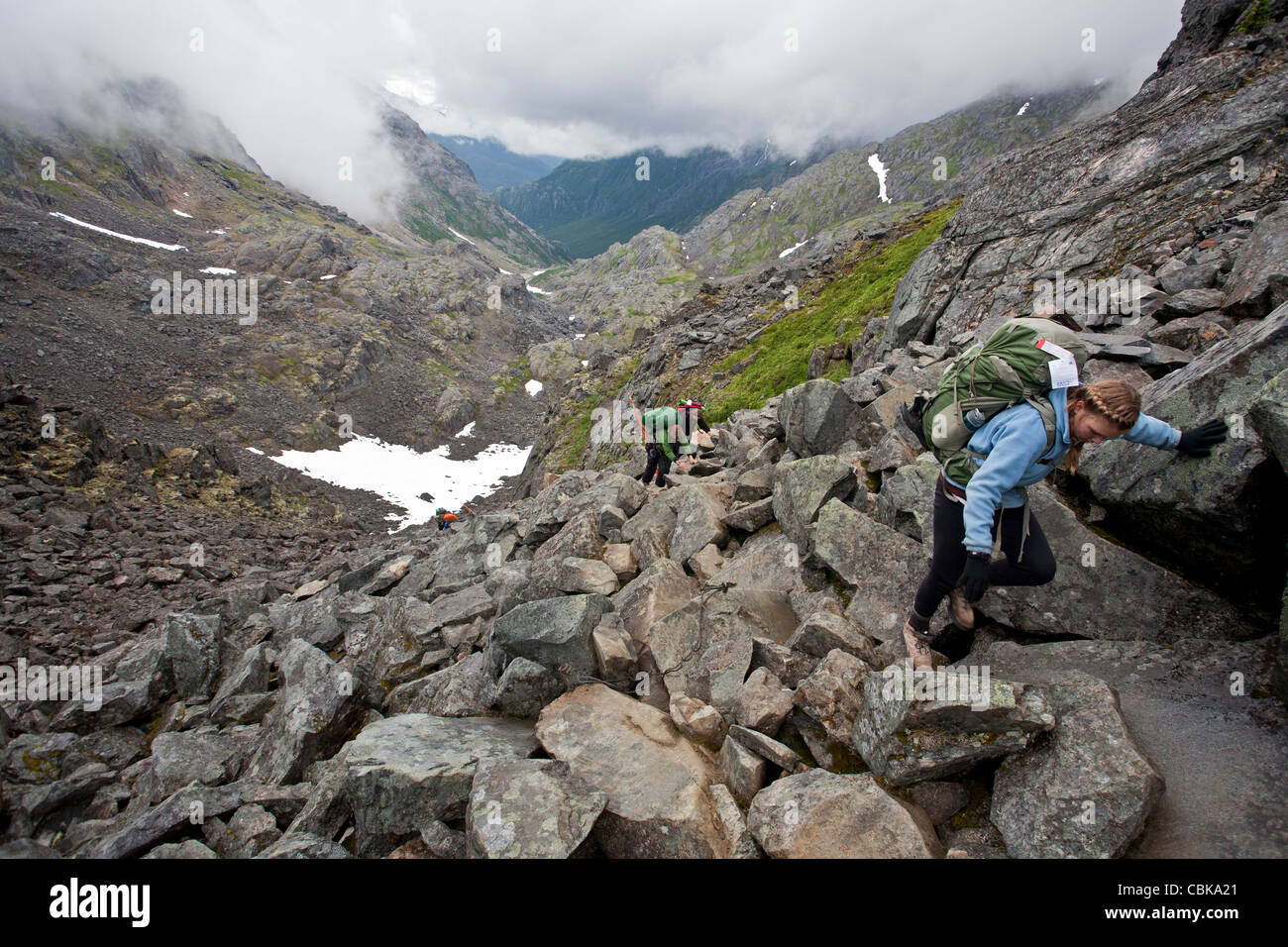
Nothing truly prepares you for the Golden Stairs. After leaving Sheep Camp at 5:30 AM (following the ranger's evening briefing), I began the long ascent toward the scales. The trail gradually steepens through increasingly sparse vegetation until you reach the base of the notorious rock scramble that gave stampeders nightmares.
Golden Stairs Reality Check
"The climb took me 3.5 hours of steady effort, picking my way carefully over loose rocks and steep ledges. Every yellow marker pole became a small victory. The mental challenge matched the physical—knowing that thousands of gold seekers made this same climb carrying 60-pound packs, multiple times, puts your own struggle in perspective."
- Personal journal entry, July 2018
Canadian Side: A Different World
Crossing into Canada at Chilkoot Pass feels like entering a different world. The landscape opens dramatically—gone is the dense coastal forest, replaced by vast alpine vistas and crystal-clear mountain lakes. The descent to Happy Camp offers stunning views, but the rocky terrain demands careful foot placement to avoid ankle injuries.
Deep Lake and Lake Lindeman showcase the trail's diversity. Where Alaska's section challenges you with humidity and dense vegetation, the Canadian portion tests your endurance across exposed terrain under potentially harsh weather. During my 2022 hike, an unexpected July snowstorm at Happy Camp reminded me why proper layering systems are essential, even in summer.
Pro Tips from Multiple Attempts
- Start Early: Begin Golden Stairs ascent by 6 AM to avoid afternoon weather
- Pack Light: Every pound matters on the stairs—leave non-essentials behind
- Study Weather: Canadian side weather changes rapidly—be prepared
- Respect History: Don't disturb artifacts—they're protected by law
Each of my three Chilkoot experiences taught me something new about perseverance, history, and the raw beauty of wilderness. Unlike shorter trails such as the Chimney Tops Trail or Watchman Trail, the Chilkoot demands multiple days of commitment, making success all the more rewarding. Standing at Bennett Lake, watching the vintage train approach through morning mist, I felt connected to every stampeder who made this same journey over 125 years ago.
Trail Sections and Camping Guide
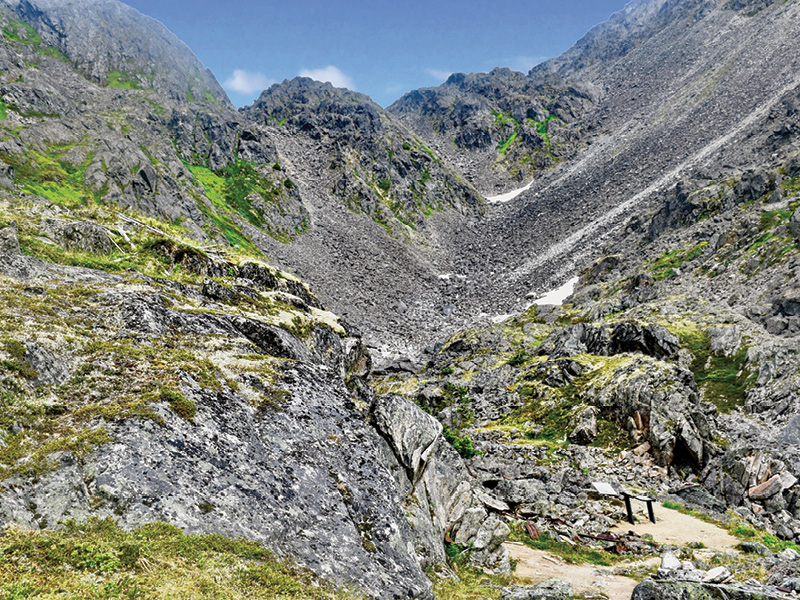
The Chilkoot Trail's 33 miles are divided into distinct sections, each offering unique challenges and camping opportunities. All nine designated campgrounds feature bear-proof food storage, warming shelters, and basic sanitation facilities. Understanding each section's characteristics helps optimize your itinerary and daily mileage targets.
Recommended Itineraries
Most hikers complete the Chilkoot Trail in 3-5 days, with 4 days being the sweet spot for enjoying historical sites without rushing. Your chosen itinerary should match your fitness level and hiking experience. Unlike shorter day hikes such as the Fiery Gizzard Trail, the Chilkoot requires careful pacing to avoid exhaustion before the Golden Stairs challenge.
Fast Track (3 Days)
- Day 1: Dyea to Canyon City (8 miles)
- Day 2: Canyon City to Happy Camp (12 miles)
- Day 3: Happy Camp to Bennett (13 miles)
For experienced hikers in excellent condition
Balanced (4 Days)
- Day 1: Dyea to Canyon City (8 miles)
- Day 2: Canyon City to Sheep Camp (5 miles)
- Day 3: Sheep Camp to Lindeman City (13 miles)
- Day 4: Lindeman City to Bennett (7 miles)
Most popular choice - recommended
Leisurely (5 Days)
- Day 1: Dyea to Finnegan's Point (5 miles)
- Day 2: Finnegan's Point to Sheep Camp (8 miles)
- Day 3: Sheep Camp to Happy Camp (7 miles)
- Day 4: Happy Camp to Bare Loon Lake (8 miles)
- Day 5: Bare Loon Lake to Bennett (5 miles)
Maximum time for photography and exploration
Safety and Weather Considerations
Alaska's wilderness demands respect and preparation. The Chilkoot Trail's remote location, unpredictable weather, and challenging terrain create genuine risks that require proactive safety planning. Unlike controlled environments of shorter trails such as the Stevens Trail or Juniper Trail, the Chilkoot offers limited escape routes once you commit to the alpine section.
Critical Safety Warnings
Bear Encounters
Both black and brown bears frequent the trail. Bear spray is mandatory, and proper food storage is enforced at all campgrounds.
Weather Extremes
Temperature can drop 40°F between Dyea and the Pass. Snow possible any month, hypothermia risk high.
Rockfall Danger
Loose rocks on Golden Stairs create serious injury risk. Avoid climbing directly below other hikers.
River Crossings
Spring snowmelt and heavy rain can make creek crossings dangerous. Several hikers require rescue annually.
Seasonal Weather Patterns
Understanding Alaskan weather patterns can mean the difference between an epic adventure and a dangerous ordeal. During my three Chilkoot attempts, I've experienced everything from 80°F sunshine in Dyea to 25°F snow squalls at Happy Camp—sometimes on the same day.
Early Season (June)
- Temperature: 35-65°F
- Snow: Possible at elevation
- Precipitation: High
- Insects: Emerging mosquitoes
Peak Season (July-August)
- Temperature: 45-75°F
- Daylight: 18+ hours
- Precipitation: Moderate
- Insects: Peak mosquito/fly season
Late Season (September)
- Temperature: 30-60°F
- Snow: Likely at elevation
- Precipitation: Increasing
- Insects: Minimal
Emergency Preparedness
Remote wilderness hiking requires self-rescue capabilities and emergency planning that goes far beyond day hiking preparations. Cell phone coverage is virtually non-existent along most of the trail, and helicopter rescues, while possible, are weather-dependent and expensive. Every hiker should carry emergency signaling devices and know how to use them.
Essential Emergency Equipment
- Satellite communicator (InReach/SPOT)
- Comprehensive first aid kit with splinting materials
- Emergency shelter (bivy/tarp)
- Extra food (2+ days beyond planned)
- Water purification backup methods
- Signaling mirror and whistle
Pros of Summer Hiking
- Stable weather patterns
- Long daylight hours (18+ hours)
- All facilities fully operational
- Minimal snow at elevation
- Better rescue access
Cons of Summer Hiking
- Peak mosquito and biting fly season
- Highest permit competition
- Most crowded campgrounds
- Higher accommodation costs
- Swollen creek crossings from snowmelt
What Other Hikers Say
"The weather changed from sunny to snowing in less than 2 hours at Happy Camp. Thank goodness I packed layers and emergency gear. The ranger's evening briefing at Sheep Camp probably saved my life."
"The Golden Stairs nearly broke me mentally, but reaching the pass made it all worthwhile. Start early, pack light, and respect the mountain. This isn't just a hike—it's a pilgrimage."
"Three years of planning, and it exceeded every expectation. The historical artifacts are incredible, but the personal challenge was what transformed me. Everyone should experience this trail at least once."
Conclusion
The Chilkoot Trail represents more than just another challenging backpacking adventure—it's a transformative journey through time, wilderness, and personal discovery. Having completed this historic route multiple times, I can attest that no other hiking experience combines physical challenge, historical significance, and natural beauty quite like the path from Dyea to Bennett.
Why the Chilkoot Trail Matters
Unlike crowded trails that focus solely on scenery, the Chilkoot Trail offers an intimate connection with one of North America's most significant historical events. Every step along the 33-mile route tells a story of human ambition, perseverance, and the pursuit of dreams. The preserved artifacts, dramatic landscapes, and international border crossing create an experience impossible to replicate anywhere else in the world.
The physical challenges of the Golden Stairs, the pristine wilderness of the Canadian lakes, and the haunting remnants of gold rush history combine to create memories that last a lifetime. But perhaps most importantly, the Chilkoot Trail teaches lessons about preparation, perseverance, and respect for both nature and history that extend far beyond hiking.
For those inspired to explore more challenging trails after conquering the Chilkoot, consider adding the Continental Divide Trail or the technical Grandfather Trail to your bucket list. Each offers unique challenges that build on the confidence and experience gained from the Chilkoot Trail.
Ready to Begin Your Chilkoot Adventure?
Start planning your journey today with proper gear and preparation. Your historic adventure awaits!
Get Your Sleeping System Explore More TrailsRemember: the Chilkoot Trail isn't just about reaching Bennett Lake—it's about honoring the stampeders who came before us while creating your own chapter in this ongoing story of human adventure and determination.
Have you completed the Chilkoot Trail? Share your experience and help future hikers prepare for this incredible journey. Every story adds to the trail's rich legacy.
Frequently Asked Questions
How difficult is the Chilkoot Trail compared to other famous hikes?
The Chilkoot Trail ranks as a moderate to strenuous hike, primarily due to the Golden Stairs section which gains 1,000 feet in less than a mile over loose rocks and boulders. While shorter than long-distance trails like the Continental Divide Trail, the Chilkoot's combination of technical terrain, weather variability, and remote location makes it more challenging than typical weekend backpacking trips. Most fit hikers can complete it, but previous multi-day backpacking experience is strongly recommended. The trail demands both physical endurance and mental resilience, especially during the 8-12 hour push from Sheep Camp to Happy Camp.
What's the best time of year to hike the Chilkoot Trail?
The optimal hiking window runs from late June through early September, with July and August offering the most stable conditions. Late June may still have snow at elevation but features fewer insects and crowds. July and August provide the warmest temperatures and longest daylight hours (up to 19 hours), but also peak mosquito activity and highest permit competition. Early September offers beautiful fall colors and minimal bugs, but increased weather unpredictability and shorter days. I personally recommend mid to late July for first-time hikers, as this provides the best balance of favorable weather, full ranger services, and manageable insect levels.
How much does it cost to hike the Chilkoot Trail?
Total costs typically range from $800-1,500 per person, depending on your starting location and gear needs. Required permits cost CAD $89.90 for adults plus a $12.25 reservation fee. Transportation includes flights to Skagway (varies widely), the mandatory White Pass Railway return trip ($135-180), and ground transportation ($20-50). Accommodation in Skagway runs $150-300/night during peak season. Gear costs vary dramatically based on what you own versus rent or purchase. Food for 4-5 days adds $50-100. Budget hikers can minimize costs by camping in Skagway, booking early flights, and using existing gear, while those wanting comfort should expect higher expenses.
Can beginners successfully complete the Chilkoot Trail?
While technically possible, the Chilkoot Trail isn't ideal for hiking beginners due to its remote location, technical terrain, and potential rescue difficulties. However, motivated beginners with excellent fitness can succeed with proper preparation. I recommend completing at least 2-3 multi-day backpacking trips on easier trails first, such as established national park circuits. Essential preparation includes building hiking endurance through regular training, learning wilderness skills like navigation and first aid, and testing all gear thoroughly before attempting the Chilkoot. Beginners should also consider hiring a guide service for their first attempt, though independent hiking is certainly possible with adequate preparation and realistic expectations about the challenges involved.
What are the biggest mistakes hikers make on the Chilkoot Trail?
The most common and dangerous mistakes include underestimating weather variability (I've seen hikers in cotton clothing face hypothermia in July), carrying too much weight on the Golden Stairs ascent, and inadequate footwear for the varied terrain. Many hikers fail to properly test their gear beforehand, leading to equipment failures in the wilderness. Starting too late from Sheep Camp for the summit push creates dangerous situations as afternoon weather deteriorates. Poor physical preparation, especially inadequate cardio fitness, causes many hikers to struggle severely or quit. Finally, not understanding bear safety protocols or proper food storage puts both hikers and wildlife at risk. Thorough preparation, conservative packing, early starts, and respect for the wilderness environment prevent most problems.
Is it safe to hike the Chilkoot Trail solo?
Solo hiking is permitted and many experienced hikers complete the Chilkoot Trail alone successfully, but it requires additional preparation and safety measures. The remote location means help can be hours or days away, making self-rescue skills essential. Solo hikers should carry satellite communication devices, inform others of their detailed itinerary, and possess strong wilderness skills including navigation, first aid, and emergency shelter construction. The psychological challenge of the Golden Stairs can be more difficult alone, and having companionship for motivation helps many hikers succeed. I recommend solo hiking only for very experienced backpackers with multiple wilderness trips under their belt. For most hikers, especially first-timers, traveling with at least one partner significantly enhances both safety and enjoyment of this incredible but challenging trail.