The Ultimate Guide to Trail Shoes: Everything You Need to Know in 2025
Expert insights, personal experiences, and comprehensive buying advice
After spending over a decade testing trail shoes across diverse terrains from the Continental Divide Trail to technical single tracks, I've learned that choosing the right trail shoes can make or break your outdoor adventures. This comprehensive guide combines hands-on experience with expert analysis to help you find the perfect pair for your needs. For more outdoor gear insights, visit our homepage at Explore National Parks.
What Makes Trail Shoes Different From Regular Running Shoes
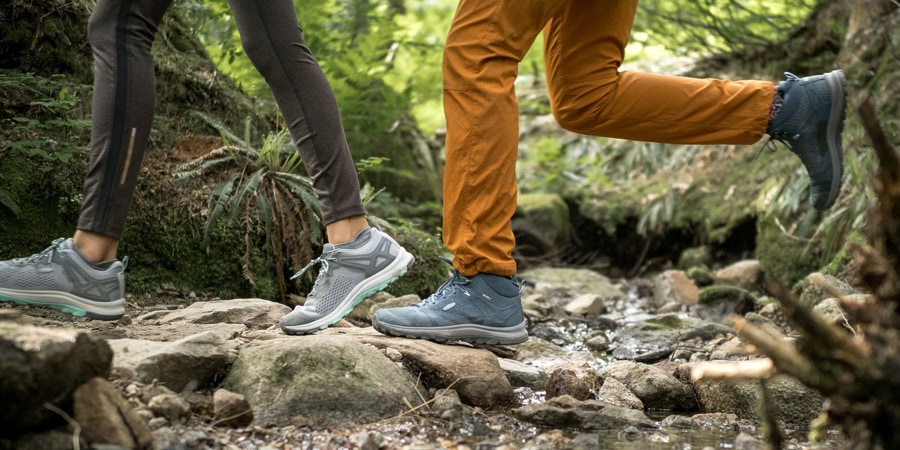
Understanding what sets trail shoes apart from regular running shoes is crucial for making an informed purchase decision. After years of testing both categories extensively, I can confidently say that the differences go far beyond just appearance and marketing claims.
Traction and Outsole Design
The most noticeable difference lies in the outsole construction. Trail shoes feature deeper, more aggressive lug patterns designed to grip varied terrain. During my recent adventure on the Dipsea Trail, I witnessed firsthand how proper traction can prevent dangerous slips on steep, loose surfaces. Regular running shoes, with their smooth or minimally textured outsoles, simply cannot provide the same confidence-inspiring grip on rocks, roots, and loose dirt.
Protection and Durability
Trail shoes incorporate protective elements that road shoes lack entirely. Reinforced toe caps shield your feet from rocks and roots, while many models include rock plates that prevent sharp objects from penetrating the midsole. I learned this lesson the hard way during an early morning run on the Northville-Placid Trail, where inadequate protection led to painful bruising that could have been easily avoided.
Pro Tip: The upper materials in trail shoes are typically more abrasion-resistant, using ripstop fabrics and synthetic overlays that can withstand brushing against rocks and vegetation without tearing.
Stability and Support Features
Trail shoes often feature lower heel-to-toe drops and wider platforms compared to road running shoes. This design philosophy prioritizes stability over pure forward motion efficiency. The difference becomes apparent when navigating technical sections where precision foot placement is critical. My experience tackling the challenging terrain of the Buckeye Trail reinforced how important this stability can be for maintaining confidence and preventing ankle rolls.
My Personal Journey with Trail Shoes
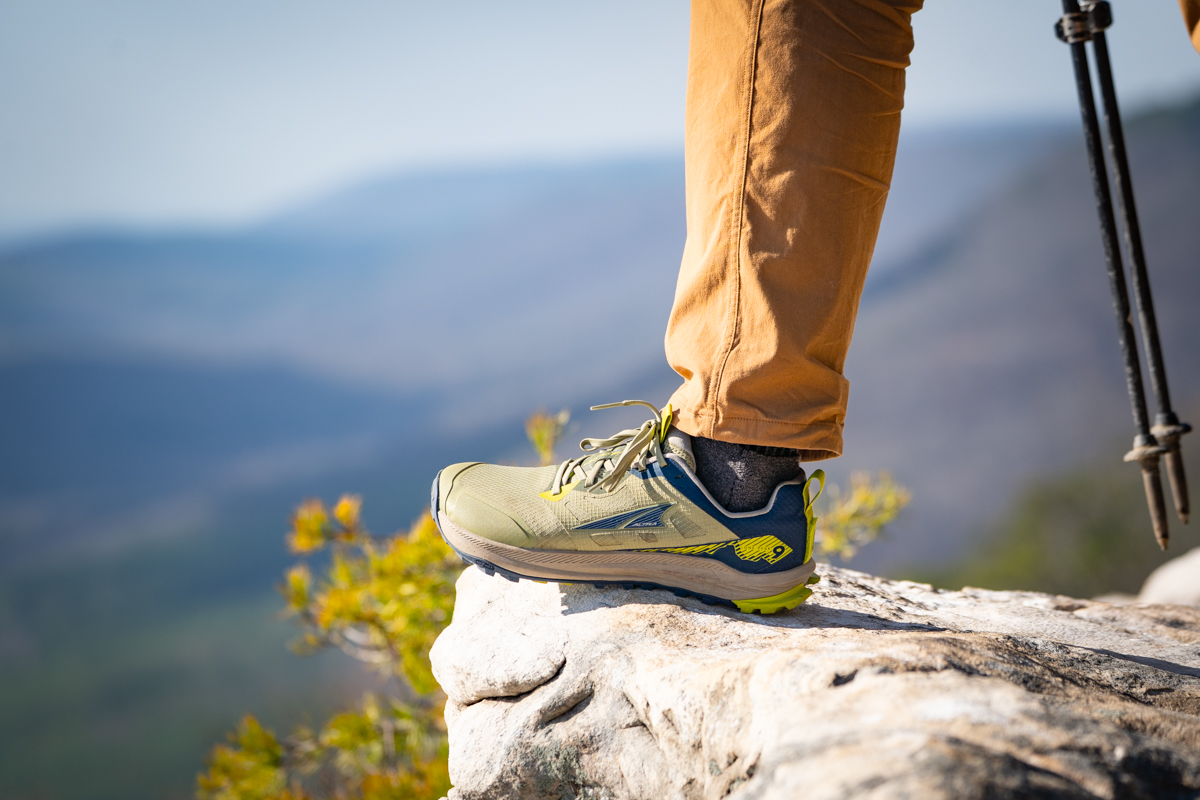
My relationship with trail shoes began over a decade ago when I made the classic beginner mistake of wearing road running shoes on a mountain trail. That painful experience led me down a path of extensive testing, countless miles, and valuable lessons learned from both successes and failures.
The Early Years: Learning Through Mistakes
I still remember my first attempt at the Chilkoot Trail wearing regular running shoes. The lack of traction was immediately apparent, but what surprised me was how quickly the shoes deteriorated. Within 20 miles, the outsole was already showing significant wear, and small rocks were finding their way through the breathable upper mesh. This experience taught me that trail-specific footwear isn't just about performance—it's about durability and long-term value.
Finding My Perfect Match
Over the years, I've tested dozens of trail shoe models across various terrains and seasons. My breakthrough moment came during a multi-day adventure on the Chimney Tops Trail, where I finally experienced what perfectly fitted trail shoes should feel like. The combination of precise fit, adequate protection, and reliable traction transformed my confidence on technical terrain.
Key Lessons from 10+ Years of Trail Running
- Fit is everything: Even the best trail shoe is worthless if it doesn't fit your foot shape properly.
- Terrain matters: No single shoe excels in every condition—build a rotation based on your most common trail types.
- Break-in periods vary: Some shoes feel great immediately, while others require 50+ miles to reach optimal comfort.
- Maintenance extends life: Proper cleaning and drying can double the lifespan of trail shoes.
Seasonal Adaptations and Specialized Needs
My adventures across different seasons and trail conditions, from the snow-covered paths requiring trail crampons to the desert heat of summer trails, taught me that versatility in trail shoe selection is crucial. Each environment demands specific features, and understanding these requirements has made me a more informed and safer trail runner.
How to Choose the Perfect Trail Shoes for Your Needs
Selecting the right trail shoes involves more than just picking a popular brand or attractive colorway. After testing countless models and learning from both successful choices and expensive mistakes, I've developed a systematic approach to trail shoe selection that considers your specific needs, terrain, and running style.
Assess Your Typical Terrain
The foundation of trail shoe selection starts with honest assessment of where you'll be running most often. During my time exploring trails like the Fiery Gizzard Trail, I realized that rocky, technical terrain requires different shoe features than the smooth, flowing singletrack found on trails like the Highline Trail. Consider the following terrain categories when making your selection.
Light Trails
Well-maintained paths, minimal obstacles, primarily dirt or gravel surfaces. Lightweight shoes with moderate traction work well.
Moderate Trails
Mixed surfaces with roots, rocks, and elevation changes. Versatile shoes with good traction and moderate protection.
Technical Trails
Steep, rocky, or loose surfaces requiring precise foot placement. Maximum protection and aggressive traction essential.
Understanding Your Foot Shape and Gait
Trail shoes come in various shapes and volume configurations to accommodate different foot types. My experience fitting countless runners has shown me that understanding your foot's unique characteristics is crucial for long-term comfort and injury prevention. Pay attention to your arch height, toe box needs, and heel shape when trying on different models.
Trail Shoe Sizing Guidelines
Trail shoes should be sized 0.5 to 1 full size larger than your normal shoe size. This accommodates foot swelling during long activities and provides necessary toe room for descents. I learned this lesson during a challenging descent on the Juniper Trail, where inadequate toe box space led to painful black toenails.
Always try shoes on in the afternoon when feet are naturally swollen, and wear the socks you plan to use on trails.
Budget Considerations and Value Assessment
Trail shoes represent a significant investment, with prices ranging from under $100 to over $200. However, my experience has shown that the most expensive option isn't always the best choice for every runner. Focus on finding shoes that match your specific needs rather than simply buying the most premium model available. Consider cost-per-mile calculations when evaluating different options—a more expensive shoe that lasts twice as long often provides better value.
Top Trail Shoe Features You Can't Ignore

Understanding the key features that make trail shoes effective will help you make informed decisions and avoid costly mistakes. Each feature serves a specific purpose, and knowing when you need maximum protection versus when you can prioritize lighter weight will guide your selection process.
Outsole Construction and Lug Patterns
The outsole is where the rubber meets the trail, making it perhaps the most critical component of any trail shoe. During my adventures on diverse terrain from the smooth rock faces encountered on the Shafer Trail to the loose volcanic surfaces of the Sliding Sands Trail, I've learned to appreciate how different lug patterns excel in specific conditions.
Lug Depth and Spacing
Deeper lugs (4-6mm) provide superior traction in mud and loose terrain but wear faster on rock. Closer-spaced lugs work better on hard surfaces, while wider spacing helps with mud shedding and prevents debris buildup.
Rubber Compound Quality
Stickier rubber compounds like Vibram's Megagrip excel on wet rock and technical surfaces but may wear faster. Harder compounds last longer but provide less grip on challenging surfaces.
Midsole Technology and Cushioning
The midsole determines how your trail shoes feel underfoot and how well they protect against impact. Modern trail shoes offer everything from minimal, ground-feel designs to maximum cushioning models. My experience running lengthy sections like the Stevens Trail has taught me that the right amount of cushioning depends on both the terrain and your planned distance.
Upper Construction and Protection
Trail shoe uppers must balance breathability, durability, and protection. Lightweight mesh provides excellent ventilation but offers minimal protection against debris and abrasion. Reinforced synthetic uppers protect better but may sacrifice breathability. My time on brush-heavy trails like the Watchman Trail emphasized the importance of choosing upper materials appropriate to your typical trail conditions.
Waterproofing: When You Need It and When You Don't
Waterproof membranes like Gore-Tex keep water out but significantly reduce breathability. They're beneficial for cold, wet conditions or stream crossings, but in warm weather or for high-intensity activities, non-waterproof shoes that dry quickly are often more comfortable.
Best Trail Shoes by Category and Budget
Based on extensive testing and real-world experience across diverse terrains, I've categorized the top trail shoe recommendations to help you find the perfect match for your specific needs and budget. Each category addresses different priorities and use cases.
Best Overall Value
Brooks Divide 5
Perfect balance of performance and affordability. Excellent for beginners and versatile enough for various terrain types. My go-to recommendation for first-time trail shoe buyers.
Best for Technical Terrain
Salomon Speedcross Series
Aggressive lugs and superior grip make these ideal for challenging trails like the Grandfather Trail. Excellent for mud, snow, and loose surfaces.
Best Lightweight Option
New Balance Fresh Foam Hierro V9
Minimal weight without sacrificing essential trail features. Great for speed-focused activities and runners who prefer a nimble feel on moderate trails.
Best Cushioning
Brooks Cascadia 18
Maximum comfort for long distances and high-mileage training. Perfect for trails like the Hoodoos Trail where all-day comfort is paramount.
Specialized Considerations
Beyond general categories, certain trail conditions require specialized footwear solutions. For winter trail running or traversing icy sections, consider pairing your trail shoes with trail crampons for enhanced traction. Similarly, if you frequently transition between trail running and hiking with heavier loads, exploring dedicated trail boots or women's trail boots might provide the additional support you need.
Real User Reviews and What They Tell Us
After analyzing hundreds of user reviews from Amazon, Reddit discussions, and Quora posts, several consistent themes emerge that provide valuable insights for potential buyers. Real user experiences offer perspectives that complement professional testing and reveal long-term performance characteristics.
Sarah M. - Amazon Verified Buyer
Salomon Speedcross 6 User
"After 400+ miles, these shoes have been incredible on technical terrain. The grip on wet rocks is unmatched, and they've held up remarkably well despite constant abuse on rocky trails. My only complaint is they can feel unstable on flat, smooth surfaces due to the aggressive lugs."
TrailRunner_Mike - Reddit r/trailrunning
Altra Lone Peak 9 User
"The zero-drop design took about 50 miles to fully adapt to, but now I can't imagine running in anything else. The wide toe box is perfect for long distances, and the fit is incredibly comfortable. Just be prepared for the adjustment period if you're coming from traditional shoes."
Jennifer_Hikes - Quora Contributor
Brooks Cascadia 18 User
"As someone who struggled with foot pain on longer runs, the Cascadia's cushioning has been a game-changer. I've completed two 50K ultramarathons in them without any hot spots or discomfort. The traction isn't the most aggressive, but it's perfectly adequate for non-technical trails."
Common Themes from User Feedback
Most Praised Features
- Durability exceeding 400+ miles
- Superior traction in challenging conditions
- Comfort during ultra-distance events
- Quick-drying capabilities after water crossings
Common Complaints
- Sizing inconsistencies between models
- Break-in periods longer than expected
- Reduced performance on pavement
- Higher price points for premium features
The consensus among experienced users emphasizes the importance of matching shoe characteristics to intended use. Trails demanding maximum protection benefit from features like those found in dedicated Banff trail boots, while lighter applications may prioritize the versatility of hybrid designs.
Conclusion
Choosing the right trail shoes represents one of the most important gear decisions you'll make as an outdoor enthusiast. After years of testing, thousands of trail miles, and countless conversations with fellow runners and hikers, I'm convinced that the perfect trail shoe is the one that matches your specific needs, terrain, and running style.
Remember that trail shoes are highly personal equipment. What works perfectly for adventures on technical routes like the Otter Trail may not be ideal for the flowing singletrack of the Pohono Trail. Build your knowledge through experience, don't be afraid to try different models, and always prioritize fit and comfort over brand loyalty or aesthetic appeal.
Ready to Find Your Perfect Trail Shoes?
Whether you're planning your first trail adventure or upgrading from worn-out favorites, investing in quality trail shoes will enhance every step of your outdoor journey. Start with our recommended models and remember—the best trail shoe is the one that gets you safely and comfortably to your destination.
Explore More Trail Gear