The Ultimate Guide to Hoodoos Trail: Complete Hiking Guide, Best Trails & Essential Tips
Discover the world's most spectacular hoodoos formations through comprehensive trail guides, expert tips, and insider knowledge from someone who's hiked them all.
Having spent over five years exploring hoodoos formations across North America, I can confidently say that hiking among these mystical rock sculptures is one of nature's most humbling experiences. From the towering spires of Banff to the desert mysteries of Big Bend, each hoodoos trail offers unique challenges and breathtaking rewards that will leave you questioning the very forces that shaped our planet.
This comprehensive guide covers everything you need to know about hiking hoodoos trails, including detailed trail information for major locations, essential gear recommendations, safety protocols, and insider tips I've learned through countless miles of hiking. Whether you're planning your first hoodoos adventure or looking to explore new formations, this guide will help you make the most of these geological wonders.
Quick Tip: Hoodoos formations are delicate geological structures that have taken millions of years to form. Always practice Leave No Trace principles and never climb on these fragile formations.
Top Hoodoos Trail Locations Worldwide

1. Banff Hoodoos Trail, Alberta
The most accessible hoodoos trail in Canada offers stunning views of Mt. Rundle and the Bow Valley. This 4.8km moderate hike connects Surprise Corner to the famous Banff Hoodoos viewpoint.
- Distance: 4.8km (one way)
- Elevation Gain: 115m
- Duration: 3 hours round trip
- Difficulty: Moderate
The trail meanders through dense forest before opening to spectacular viewpoints. I recommend starting early morning for the best lighting and fewer crowds.

2. Big Bend Ranch State Park Hoodoos Trail, Texas
This lesser-known gem offers desert hoodoos along the Rio Grande with unique geological formations and historic significance. The trail provides access to both the formations and river access.
- Distance: 1.1km loop
- Elevation Gain: Minimal
- Duration: 1 hour
- Difficulty: Easy to Moderate
The trail follows an old Border Patrol road with fascinating history. Bring plenty of water and sun protection - the desert environment is unforgiving.
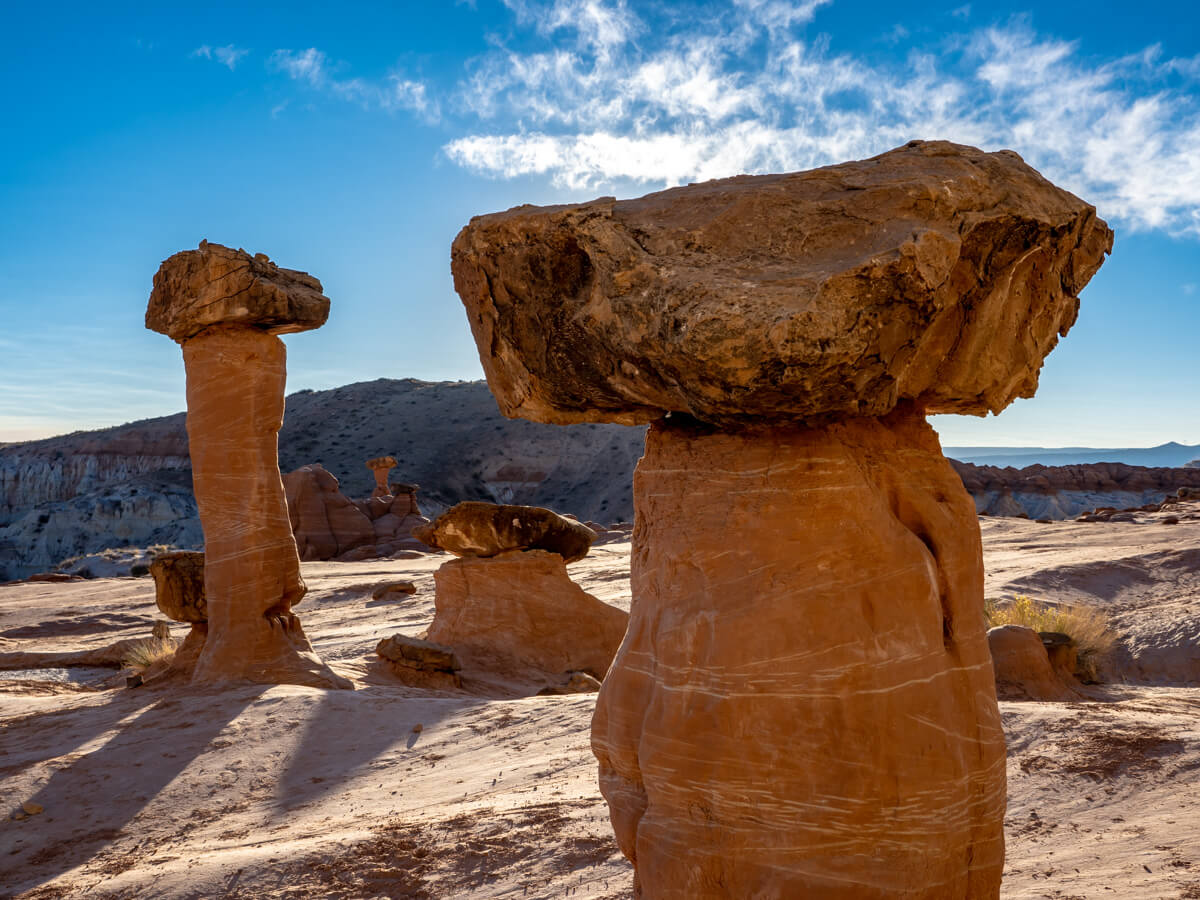
3. Toadstool Hoodoos, Utah
These whimsical mushroom-shaped formations offer one of the most photogenic hoodoos experiences. The easy trail makes it perfect for families and photographers.
- Distance: 2.4km round trip
- Elevation Gain: 60m
- Duration: 1-2 hours
- Difficulty: Easy
The golden hour lighting here is absolutely magical. I've returned multiple times just for the photography opportunities during sunrise and sunset.
Additional Notable Hoodoos Locations
Bryce Canyon National Park, Utah
Home to the world's largest collection of hoodoos. The Navajo Loop Trail and Queen's Garden Trail offer the best access.
Drumheller Hoodoos Trail, Alberta
Easy 1.5km walk to impressive badlands hoodoos. Perfect for families and offers excellent interpretive information about geological processes.
Essential Gear for Hoodoos Trail Hiking
After hundreds of miles hiking various hoodoos trails, I've refined my gear list to the absolute essentials. The right equipment not only ensures safety but enhances your entire hiking experience among these geological wonders.
Quality Hiking Boots
Proper footwear is crucial for navigating rocky terrain safely. I recommend waterproof boots with good ankle support.
Lightweight Day Pack
A comfortable 20L pack is perfect for carrying essentials without adding unnecessary weight on day hikes.
Trekking Poles
Essential for stability on loose terrain and steep descents common around hoodoos formations.
Insulated Water Bottle
Keep water cold in desert climates and prevent freezing in mountain environments.
Sun Protection Hat
UPF 50+ protection is essential for exposed desert and high-altitude hoodoos trails.
Photography Equipment
Hoodoos offer incredible photo opportunities. Bring extra batteries - cold weather drains them quickly.
- Polarizing filter for reduced glare
- Tripod for low-light shots
- Lens cleaning cloth
- Extra memory cards
Pro Tip from 5+ Years of Hoodoos Hiking:
Always pack layers! Weather conditions can change rapidly, especially in mountain and desert environments where most hoodoos formations are found. I've experienced 40-degree temperature swings in a single day on some trails.
My Personal Hoodoos Trail Experience
Video: My experience hiking the Drumheller Hoodoos Trail in Alberta, Canada
My journey with hoodoos trails began five years ago during an impromptu visit to Banff National Park. What started as a simple day hike turned into a passionate exploration of these geological marvels across North America. Each trail has taught me something new about nature's incredible sculpting power and the importance of preserving these fragile formations.
Memorable Moments and Lessons Learned
The Banff Hoodoos Dawn Experience
During my third visit to the Banff hoodoos trail, I decided to start the hike at 4:30 AM to catch the sunrise. The early morning mist rising from the Bow River, combined with the golden light hitting the hoodoos, created one of the most magical scenes I've ever witnessed. The ranger I met that morning shared that these formations are approximately 11,000 years old - a humbling reminder of nature's timeline.
Lesson: Early morning starts reward you with incredible lighting and wildlife sightings. I spotted mountain goats that morning that are rarely seen during busy daytime hours.
Big Bend Desert Challenge
My first attempt at the Big Bend hoodoos trail nearly ended in disaster when I underestimated the desert heat in July. Despite the trail's short distance, the 105°F temperature and lack of shade made it brutal. A fellow hiker shared their electrolyte tablets with me - a gesture that likely saved my hike and taught me about trail community spirit.
Critical Lesson: Desert hoodoos trails require double the water you think you need. I now carry 1 liter per hour of hiking in desert environments, and always inform someone of my hiking plans.
Bryce Canyon Winter Wonder
Hiking the Bryce Canyon hoodoos in winter revealed a completely different character. The snow-capped red rock spires created stunning contrast, but the icy conditions on the Navajo Loop required microspikes for safety. The near-solitude compared to summer crowds made every step feel like a private viewing of nature's cathedral.
Discovery: Winter hoodoos hiking offers unique photographic opportunities and peaceful experiences, but requires proper preparation for icy conditions and shorter daylight hours.
What Hiking Experts Say
Sarah M. - AllTrails Reviewer
"The Banff hoodoos trail is absolutely stunning. The viewpoint offers incredible photo opportunities, and the trail itself is well-maintained. Highly recommend bringing a telephoto lens for the best shots of the formations."
Mike R. - Desert Hiking Enthusiast
"Big Bend's hoodoos are completely different from the mountain varieties. The desert setting provides unique geological context. Start very early or late afternoon - the midday heat is no joke even in winter."
Complete Hoodoos Trail Planning Guide
Planning a successful hoodoos trail adventure requires careful consideration of multiple factors. Based on my extensive experience and conversations with park rangers and fellow hikers, here's your comprehensive planning checklist.
Pre-Trip Research & Preparation
Trail Conditions & Permits
- • Check park websites for current trail closures
- • Verify if permits or reservations are required
- • Download offline maps to your phone
- • Review recent trail reports and photos
Weather & Timing
- • Monitor 7-day weather forecasts
- • Plan around seasonal accessibility
- • Consider sunrise/sunset times for photography
- • Account for altitude and temperature changes
Route Planning
- • Identify parking areas and trailhead access
- • Plan alternate routes if trails close
- • Mark key waypoints and viewpoints
- • Research nearby amenities and lodging
Day-of-Hike Checklist
Essential Items
- Navigation tools
- First aid kit
- Sun protection
- Emergency shelter
- Fire starter/matches
- Repair kit
- Emergency whistle
Comfort Items
- Extra food/snacks
- Camera equipment
- Portable charger
- Cash for park fees
- Identification
- Emergency contacts
- Trash bags
Budget Planning for Hoodoos Trail Adventures
| Location | Park Entry | Parking | Lodging (nearby) | Difficulty Level |
|---|---|---|---|---|
| Banff Hoodoos, AB | $10 CAD/day | Free (limited) | $150-400 CAD | Moderate |
| Big Bend Hoodoos, TX | $5 USD/adult | Free | $80-200 USD | Easy |
| Bryce Canyon, UT | $35 USD/vehicle | Free | $120-300 USD | Moderate |
| Toadstool Hoodoos, UT | Free | Free | $90-250 USD | Easy |
Money-Saving Tip:
Consider purchasing an America the Beautiful Annual Pass ($80 USD) if you plan to visit multiple national parks with hoodoos formations. It pays for itself after visiting just 2-3 locations and includes access to over 2,000 federal recreation sites.
Safety & Best Practices for Hoodoos Trail Hiking
Safety should always be your top priority when exploring hoodoos trails. These unique geological formations often exist in challenging environments that present specific risks. Here are the essential safety protocols I've learned through experience and training.
Critical Safety Considerations
Never Climb on Hoodoos Formations
Hoodoos are extremely fragile and can collapse under weight. Climbing damages formations that took millions of years to create and puts you at serious risk of injury. Always observe from designated viewing areas.
Weather Awareness
Mountain and desert environments where hoodoos occur can have rapidly changing weather. Lightning is particularly dangerous on exposed ridges. Monitor forecasts and have evacuation plans.
Terrain Hazards
Loose rock, steep drop-offs, and unstable surfaces are common. Proper footwear and trekking poles are essential for maintaining balance on challenging terrain.
Emergency Preparedness
Essential Emergency Items
Emergency Contact Protocol
- • Always inform someone of your planned route and return time
- • Know the local emergency numbers (911 in US/Canada)
- • Understand your exact location (GPS coordinates when possible)
- • Stay put if lost - make yourself visible and conserve energy
Environmental Protection & Leave No Trace
Protect the Formations
- • Stay on designated trails at all times
- • Don't touch or collect rock samples
- • Keep dogs leashed where permitted
- • Don't stack rocks or build cairns
- • Avoid shortcuts between trail switchbacks
Responsible Photography
- • Don't venture off-trail for "better" shots
- • Respect wildlife and maintain safe distances
- • Don't use drones without proper permits
- • Share location information responsibly
- • Clean up after photo sessions completely
Risk Assessment by Trail Type
Low Risk Trails
Drumheller Hoodoos, Toadstool Hoodoos
- • Well-maintained paths
- • Good cell coverage
- • Minimal elevation gain
- • Close to facilities
Moderate Risk Trails
Banff Hoodoos, Watchman Trail
- • Some steep sections
- • Weather-dependent conditions
- • Limited cell coverage areas
- • Requires moderate fitness
High Risk Trails
Remote desert hoodoos, backcountry access
- • Extreme weather exposure
- • No cell coverage
- • Difficult navigation
- • Requires advanced preparation
Seasonal Guide to Hoodoos Trail Hiking
Each season offers unique advantages and challenges for hoodoos trail exploration. Understanding seasonal conditions helps you plan the perfect timing for your adventure and pack appropriate gear.
Spring (March-May)
Advantages:
- • Mild temperatures
- • Wildflower blooms
- • Smaller crowds
- • Clear air quality
Challenges:
- • Muddy conditions
- • Unpredictable weather
- • Some trails may be closed
- • Bug emergence
Summer (June-August)
Advantages:
- • All trails accessible
- • Long daylight hours
- • Stable weather patterns
- • Best for photography
Challenges:
- • Peak crowds
- • Extreme heat in deserts
- • Higher accommodation costs
- • Afternoon thunderstorms
Fall (September-November)
Advantages:
- • Perfect temperatures
- • Colorful foliage
- • Reduced crowds
- • Excellent visibility
Challenges:
- • Shorter daylight
- • Temperature swings
- • Early snow possible
- • Hunting seasons
Winter (December-February)
Advantages:
- • Dramatic snow contrasts
- • Complete solitude
- • Unique photo opportunities
- • Lower park fees
Challenges:
- • Icy, dangerous conditions
- • Many trails closed
- • Extreme cold
- • Limited daylight
Seasonal Gear Recommendations
| Season | Essential Gear | Optional Upgrades | Safety Items |
|---|---|---|---|
| Spring | Waterproof layers, waterproof boots, bug spray | Gaiters, rain poncho | Emergency whistle, first aid |
| Summer | Sun hat, sunscreen, extra water | Cooling towel, electrolyte tablets | Shelter, emergency beacon |
| Fall | Layering system, insulated jacket, gloves | Hand/foot warmers, thermal base layers | Headlamp, emergency blanket |
| Winter | Insulated boots, winter hiking boots, microspikes | Avalanche safety gear, snowshoes | Satellite communicator, bivvy |
Pro Seasonal Tip:
My favorite time for hoodoos trail photography is during the shoulder seasons (late spring and early fall) when you get dramatic lighting without extreme weather. The golden hour light on red rock formations during these periods creates absolutely stunning contrasts.
Pros and Cons of Different Hoodoos Trails
Major Advantages
Unparalleled Geological Beauty
Hoodoos offer some of the most unique and photogenic landscapes on Earth. Each formation tells a story millions of years in the making.
Variety of Difficulty Levels
From easy family walks like Drumheller to challenging backcountry access, there's a hoodoos trail for every fitness level.
Educational Opportunities
Learn about geological processes, indigenous history, and ecology while hiking. Many locations offer excellent interpretive programs.
Year-Round Accessibility
Most hoodoos locations can be visited in multiple seasons, offering completely different experiences throughout the year.
Potential Challenges
Extreme Weather Exposure
Many hoodoos locations are in desert or high-altitude environments with minimal shade and extreme temperature ranges.
Fragile Environment Concerns
These geological formations are extremely fragile. Overcrowding and irresponsible behavior can cause irreversible damage.
Limited Infrastructure
Remote locations often lack facilities, cell coverage, and emergency services. Self-sufficiency is essential.
Seasonal Access Limitations
Some trails close due to weather, wildlife activity, or maintenance. Advance planning is crucial to avoid disappointment.
Summary: Is Hoodoos Trail Hiking Right for You?
Hoodoos trail hiking offers incredible rewards for those willing to prepare properly and respect these fragile environments. The combination of geological wonder, physical challenge, and natural beauty creates unforgettable experiences.
Best Suited For:
- • Photography enthusiasts
- • Geology and nature lovers
- • Adventurous families (easier trails)
- • Experienced hikers seeking unique terrain
- • Those who enjoy learning while hiking
Consider Carefully If:
- • You're uncomfortable with exposure
- • You prefer heavily developed trails
- • You're not interested in Leave No Trace
- • You want guaranteed amenities
- • You're inflexible with weather conditions
Frequently Asked Questions About Hoodoos Trails
What exactly are hoodoos and how do they form?
Hoodoos are tall, thin spires of sedimentary rock that form through millions of years of erosion. They typically consist of a harder capstone protecting softer rock beneath from weathering. Wind, rain, frost, and root wedging gradually erode the surrounding material, leaving these spectacular pillars standing. The process requires specific geological conditions including layered rock formations with varying resistance to erosion. Different types of hoodoos form depending on the rock composition - some are made of sandstone like those in Utah, while others consist of limestone and mudstone like those in Banff. The word "hoodoo" originated from African American folklore, referring to supernatural beliefs, but was later applied to these mysterious-looking rock formations by early settlers who found them otherworldly.
Which hoodoos trail is best for beginners and families?
The Drumheller Hoodoos Trail in Alberta is perfect for beginners and families. This easy 1.5km walk requires minimal elevation gain and features well-maintained pathways with excellent interpretive signs. The Toadstool Hoodoos in Utah is another excellent choice, offering a 2.4km round-trip hike with only 60 meters of elevation gain. Both trails provide stunning photo opportunities, educational value, and manageable distances for children. They also have nearby facilities and good cell phone coverage for safety. I always recommend these locations for first-time hoodoos hikers because they showcase the geological wonder without requiring advanced hiking skills or extreme physical conditioning. Remember to bring plenty of water, especially for desert locations, and start early in hot weather to avoid midday heat.
What's the best time of year to hike hoodoos trails?
The optimal timing depends on the specific location, but generally, late spring (April-May) and early fall (September-October) offer the best conditions for hoodoos trail hiking. During these periods, you'll experience moderate temperatures, excellent visibility, and fewer crowds compared to peak summer months. Desert hoodoos locations like Big Bend are best visited in fall through early spring when daytime temperatures are manageable. Mountain locations such as Banff are ideal from late spring through early fall when snow has cleared and weather is stable. Winter hiking is possible but requires advanced preparation and proper gear including traction devices. Summer offers the longest daylight hours and all trail access, but expect crowds, higher costs, and extreme heat in desert areas. Always check current conditions before your trip and be prepared for rapid weather changes.
How should I prepare physically for hiking hoodoos trails?
Physical preparation varies significantly based on the specific hoodoos trail you plan to tackle. For easier trails like Drumheller or Toadstool, basic walking fitness is sufficient - aim for 30-45 minutes of regular walking on varied terrain. More challenging hikes like the Banff Hoodoos Trail require moderate cardio fitness and leg strength due to elevation changes and longer distances. I recommend practicing with 2-3 mile hikes carrying a loaded daypack several weeks before your trip. Strengthen your ankles and improve balance, as rocky terrain around hoodoos can be unstable. Include hill training if possible, as many locations involve significant elevation changes. For high-altitude locations, arrive 1-2 days early to acclimatize. Core strengthening exercises help with stability on uneven surfaces. Most importantly, know your limits and choose trails that match your current fitness level - hoodoos will still be spectacular regardless of the difficulty level you select.
Are dogs allowed on hoodoos trails?
Dog policies vary significantly between hoodoos trail locations, so always check current regulations before hiking. Big Bend Ranch State Park allows leashed dogs on the Hoodoos Trail (leash must be 6 feet or shorter), making it one of the few hoodoos locations that welcomes pets. However, most national park locations like Bryce Canyon prohibit dogs on trails below the rim. Canadian locations typically allow leashed dogs but may have seasonal restrictions during wildlife breeding seasons. Even where permitted, consider whether the environment is suitable for your pet - desert locations can burn paw pads on hot surfaces, while rocky terrain may cause injuries. Always bring extra water for your dog, clean up waste immediately, and never leave pets unattended. Some locations offer dog-friendly accommodations nearby, allowing you to hike without your pet during the day. Pet-friendly alternative trails may be available in the same regions for those traveling with dogs.
What photography equipment works best for hoodoos?
Hoodoos trails offer incredible photographic opportunities that reward proper equipment preparation. A wide-angle lens (14-24mm full-frame equivalent) captures the scale and drama of hoodoos formations against their landscape context. A telephoto lens (70-200mm) isolates individual formations and compresses distant backgrounds for artistic compositions. Polarizing filters are essential for reducing glare from light-colored rock surfaces and enhancing contrast between formations and sky. A sturdy tripod enables sharp images during golden hour and blue hour when lighting is most dramatic. Extra batteries are crucial as cold weather and altitude drain power quickly. I always bring lens cleaning supplies as dusty conditions are common in hoodoos environments. Consider a camera rain cover for sudden weather changes. Smartphone photographers should use HDR mode to capture the extreme contrast between shadowed and sunlit areas. The best lighting occurs during the first and last hours of sunlight when warm light creates stunning color contrasts against the rock formations. Plan your compositions in advance using apps like PhotoPills to predict optimal lighting angles.
How can I minimize my impact while visiting hoodoos formations?
Protecting these irreplaceable geological formations requires strict adherence to Leave No Trace principles and specific hoodoos conservation practices. Never climb on or touch hoodoos formations - they're extremely fragile and even minor disturbance can cause collapse. Stay strictly on designated trails; shortcutting damages vegetation and accelerates erosion around formations. Pack out all trash, including organic waste like fruit peels which decompose slowly in arid environments. Don't collect rocks, fossils, or other natural materials - they're protected by law and essential to ecosystem function. Avoid creating new cairns or moving existing rocks, as this disrupts natural drainage patterns and confuses navigation for other hikers. Keep noise levels low to preserve the wilderness experience for wildlife and other visitors. Camp only in designated areas where permitted, and use established fire rings. Respect wildlife by maintaining appropriate distances and never feeding animals. Share trail information responsibly on social media - consider not geotagging sensitive locations that could be damaged by overcrowding. Support conservation organizations and follow park guidelines for sustainable visitation that ensures these wonders remain protected for future generations.
Conclusion: Embracing the Wonder of Hoodoos Trail Adventures
After years of exploring hoodoos trails across North America, I can confidently say that these geological marvels offer some of the most rewarding hiking experiences available. From the accessible beauty of Drumheller's badlands to the challenging adventure of backcountry access routes, each hoodoos formation tells a unique story written in stone over millions of years.
The key to successful hoodoos trail hiking lies in proper preparation, respect for these fragile environments, and choosing trails that match your abilities and interests. Whether you're drawn to the photography opportunities, geological education, or simply the profound beauty of these formations, there's a perfect hoodoos trail waiting for your discovery.
Your Next Steps
Start Planning:
- • Choose your first hoodoos trail destination
- • Check current conditions and permits
- • Book accommodations early for peak seasons
- • Start physical conditioning program
Gear Up:
- • Invest in quality trail footwear
- • Test all gear before your trip
- • Download offline maps and emergency apps
- • Practice Leave No Trace principles
Remember that every step you take among these ancient formations is a privilege. These geological wonders have survived ice ages, climatic shifts, and millions of years of natural forces. By hiking responsibly and sharing their beauty with others, we become stewards of these irreplaceable natural treasures.
Ready to explore your first hoodoos trail?
Share your hoodoos trail experiences and connect with fellow adventurers at Explore National Parks Store