The Ultimate Guide to Ohio's Buckeye Trail: America's Longest Circular Hiking Trail
Discover Ohio's best-kept secret - the magnificent 1,444-mile Buckeye Trail that forms America's longest circular loop trail. Having spent countless weekends exploring this incredible network of blue blazes, I'll share everything you need to know to embark on your own adventure through Ohio's diverse landscapes, from Lake Erie's shores to the rolling hills of Appalachian Ohio. Whether you're planning section hikes or dreaming of completing the entire loop, this comprehensive guide will help you make the most of your Buckeye Trail experience.
For more incredible trail adventures, visit our homepage.
What is the Buckeye Trail?
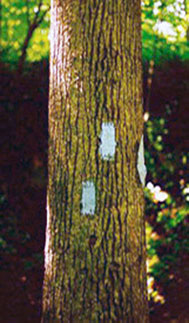
The Buckeye Trail stands as a remarkable achievement in American hiking - a 1,444-mile circular loop that encompasses the entire state of Ohio. Unlike famous linear trails such as the Continental Divide Trail or Dipsea Trail, this unique trail forms a complete ring, allowing hikers to start anywhere and eventually return to their starting point.
Established in 1959 by the Buckeye Trail Association, this incredible pathway combines approximately 60% off-road hiking trails with 40% road walking, creating a diverse experience that showcases Ohio's surprising variety. From the sandy shores of Lake Erie to the rugged terrain of Wayne National Forest, the Buckeye Trail reveals Ohio's hidden natural treasures that most residents never knew existed.
The trail is marked throughout its length with distinctive blue blazes - 2-inch by 6-inch rectangular blue paint marks on trees, posts, and trail markers. These blazes serve as your constant companions, guiding you through forests, across farmlands, along historic canal towpaths, and through charming small towns that embody Ohio's rich history and culture.
Fun Fact: The Buckeye Trail intersects with two other national long-distance trails - the North Country National Scenic Trail (sharing about 960 miles) and the American Discovery Trail through southern Ohio, making it a crucial component of America's trail network.
My Personal Experience
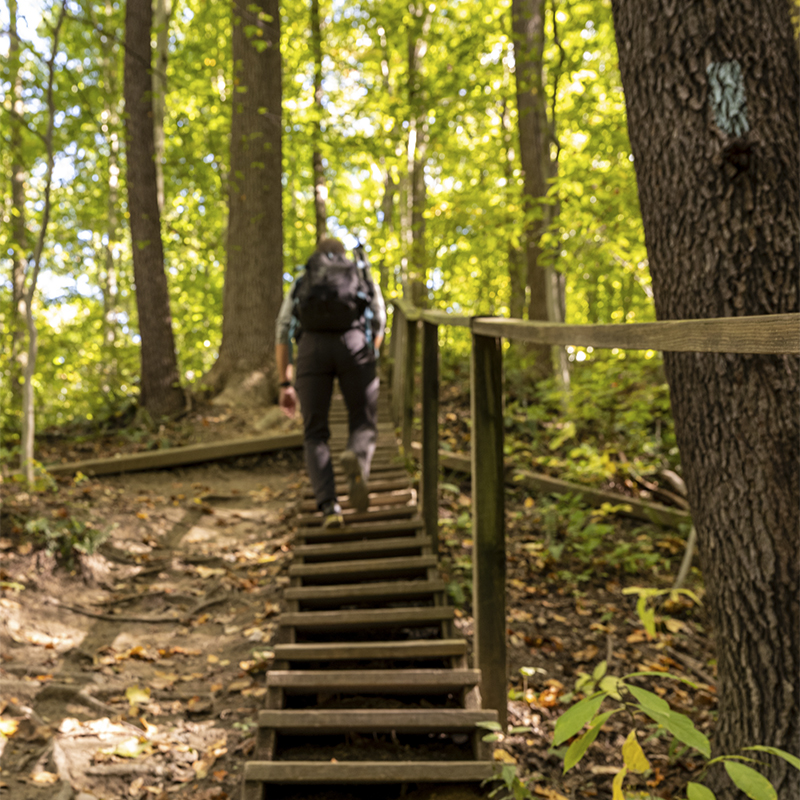
My journey with the Buckeye Trail began five years ago when I was searching for new hiking challenges close to home. Like many Ohioans, I had no idea that such an extensive trail system existed right in my backyard. What started as a casual weekend hike in the Hocking Hills section has evolved into a passionate pursuit to complete the entire loop - I'm currently at 847 miles and counting!
One of my most memorable experiences occurred during a foggy October morning in the Wayne National Forest section. As I followed the blue blazes through dense hardwood forests, the mist created an almost mystical atmosphere. I encountered a small waterfall that isn't marked on any map - just a hidden gem waiting for patient explorers. These are the moments that make the Buckeye Trail special; it's not just about the destinations, but the unexpected discoveries along the way.
The community aspect of Buckeye Trail hiking has been equally rewarding. I've connected with local chapter groups and found hiking partners who share my passion for exploring Ohio's diverse landscapes. During a section hike near Northville Placid Trail territory (well, Ohio's equivalent), I met a retired teacher who had been section hiking for over a decade and shared invaluable local knowledge about trail conditions and nearby amenities.
Trail Lessons Learned
After hundreds of miles on the trail, I've learned that the Buckeye Trail rewards preparation and patience. Unlike more rugged trails like the Chilkoot Trail, the challenge here is navigation and endurance rather than technical difficulty. Always carry backup navigation, extra water, and expect the unexpected - from flooded creek crossings to rerouted sections.
Planning Your Buckeye Trail Adventure
Planning a Buckeye Trail adventure requires a different approach than planning for linear trails. Since the trail forms a complete loop with 26 named sections, you have incredible flexibility in choosing your starting point and hiking style. Most hikers, myself included, opt for section hiking - completing the trail in manageable chunks over several years.
The Buckeye Trail Association provides excellent resources for planning, including detailed section maps and the FarOut app (formerly Guthook) with GPS tracking. I strongly recommend joining the BTA and connecting with local chapters - the insider knowledge from experienced hikers is invaluable. Unlike more remote trails like the Chimney Tops Trail, much of the Buckeye Trail passes near towns, making resupply and logistics much easier.
Section Hiking Strategy
Start with sections near your home base. Plan 8-15 mile days for comfortable hiking. Use the "car staging" method with friends - drop one car at the endpoint, drive together to the starting point.
Safety Considerations
Always inform someone of your hiking plans. Carry a first aid kit and know your exit points. Cell service can be spotty in rural areas. Check for hunting seasons and trail alerts before heading out.
Transportation logistics are crucial for section hiking the Buckeye Trail. Unlike point-to-point trails, you'll need to arrange car shuttles or have someone pick you up at your endpoint. I've found that connecting with other hikers through BTA chapters or social media groups makes this much easier and more enjoyable. The shared experience and local knowledge are invaluable additions to your hiking adventure.
Essential Gear & Equipment
Gear selection for the Buckeye Trail differs significantly from more technical trails. Since you're hiking through diverse terrain that includes road walking, forest paths, and wetland areas, versatility is key. After hundreds of miles of experience, I've refined my gear list to focus on comfort, durability, and weather protection rather than ultralight backpacking gear.

Footwear
Sturdy hiking boots are essential for Buckeye Trail conditions. You'll encounter everything from rocky terrain to muddy creek crossings. I recommend waterproof boots with good ankle support.
View on Amazon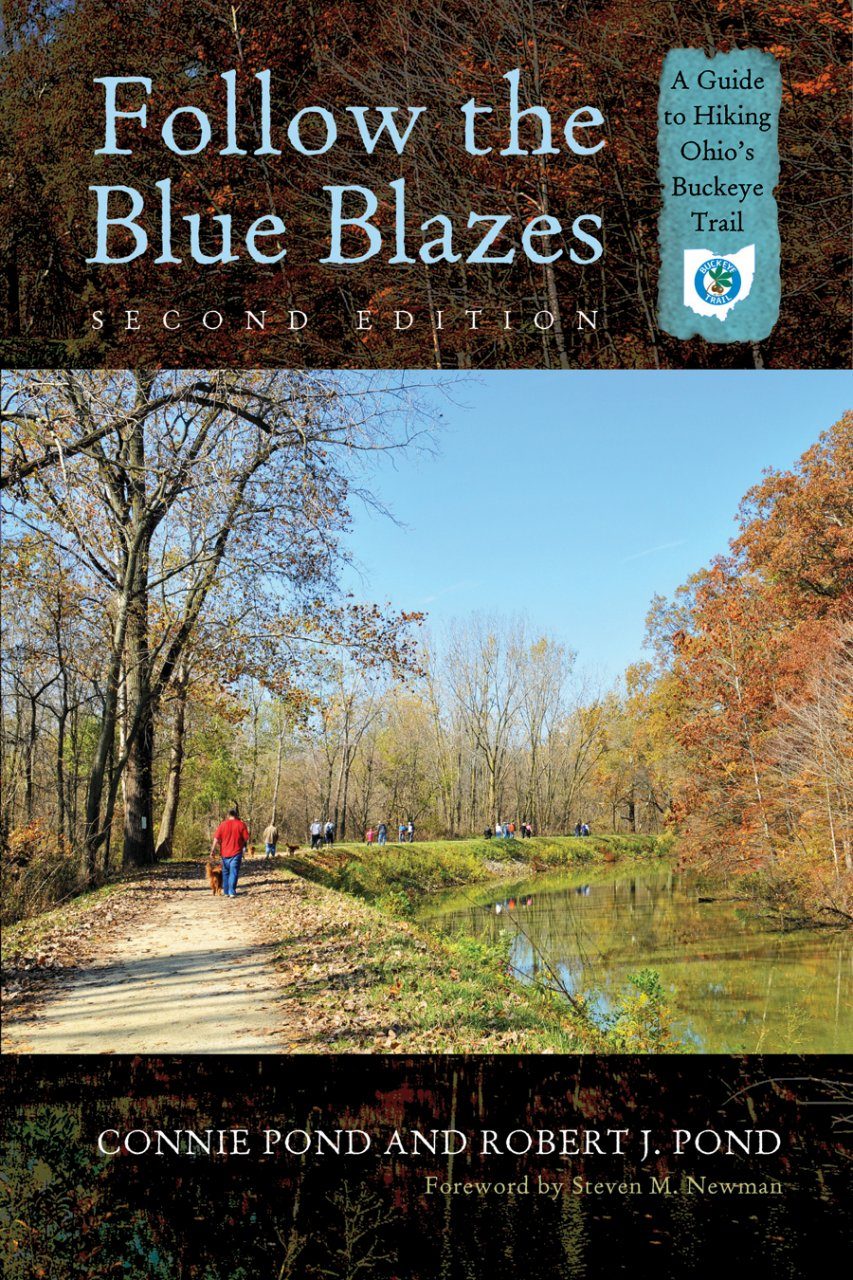
Navigation & Guides
While GPS apps are helpful, having a physical guidebook is invaluable for Buckeye Trail hiking. This comprehensive guide includes maps, points of interest, and practical tips.
View on AmazonHydration System
Water sources can be sparse on some Buckeye Trail sections. I carry a 3-liter hydration system plus backup bottles. Consider a portable water filter for longer sections.
View on AmazonWeather Protection
Ohio weather can change quickly. A quality rain jacket and layers are essential for comfortable Buckeye Trail hiking in any season.
View on AmazonPro Gear Tips
- Gaiters are essential for muddy sections and tick protection
- A hiking pole helps with balance on uneven terrain and stream crossings
- Pack a small towel - you'll encounter more water than expected
- Comfortable trail shoes for road walking sections
- Insect repellent is crucial during spring and summer months
Unlike specialized gear needed for trails like the Fiery Gizzard Trail or technical routes requiring trail crampons, the Buckeye Trail is more about comfort and versatility. Your gear should handle everything from creek crossings to road walking, making durability more important than weight savings.
Best Sections to Hike
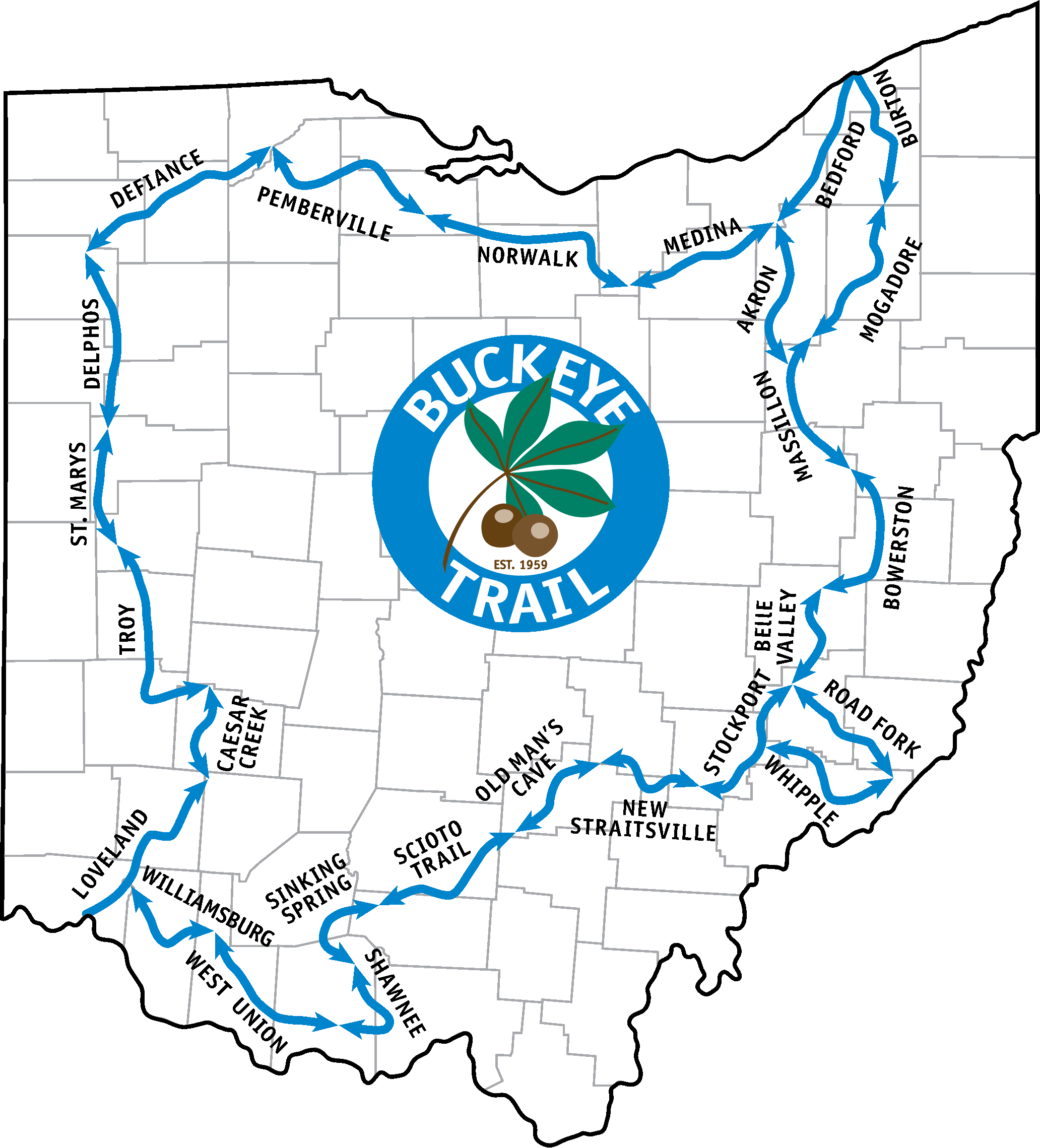
With 26 distinct sections spanning 1,444 miles, choosing where to start your Buckeye Trail journey can feel overwhelming. After hiking most sections multiple times, I've identified several standout areas that showcase the best of what Ohio has to offer. Each section has its unique character, from the dramatic rock formations of Hocking Hills to the peaceful canal towpaths of central Ohio.
Hocking Hills Section - The Crown Jewel
This section features the famous Grandma Gatewood Trail, showcasing Ohio's most dramatic scenery with towering cliffs, caves, and waterfalls. The 6-mile stretch from Old Man's Cave to Cedar Falls and Ash Cave is absolutely magical, especially during fall foliage season.
Best Time: April-May and September-October | Difficulty: Moderate | Highlights: Ash Cave, Old Man's Cave, Cedar Falls
Cuyahoga Valley Section - Perfect for Beginners
Following the historic Ohio & Erie Canal Towpath, this section offers excellent trail conditions and rich history. The flat, well-maintained path is perfect for new Buckeye Trail hikers, with plenty of access points and amenities nearby.
Best Time: Year-round | Difficulty: Easy | Highlights: Canal locks, historic villages, abundant wildlife
Wayne National Forest Sections - True Wilderness
Multiple sections wind through Ohio's only national forest, offering the most remote and challenging hiking on the Buckeye Trail. Expect rugged terrain, steep climbs, and true backcountry experiences with minimal road access.
Best Time: March-May, September-November | Difficulty: Strenuous | Highlights: Remote wilderness, challenging terrain, wildlife viewing
For hikers seeking variety, I recommend starting with the beginner-friendly Cuyahoga Valley section to get familiar with Buckeye Trail navigation and blazing systems. Then progress to the stunning Hocking Hills section for a taste of Ohio's geological wonders. Advanced hikers looking for challenges similar to the Highline Trail should tackle the Wayne National Forest sections, which offer the most remote and demanding terrain along the entire Buckeye Trail.
Community Favorites
Based on discussions with fellow hikers and BTA chapter members, the Defiance, Wauseon, and Medina sections are also highly recommended for their combination of natural beauty and manageable difficulty. These sections showcase Ohio's agricultural heritage while providing excellent hiking experiences.
Seasonal Considerations
Ohio's four distinct seasons each bring unique challenges and rewards to Buckeye Trail hiking. Having hiked extensively in all seasons, I can tell you that timing your adventures properly can make the difference between a memorable experience and a miserable slog. Unlike high-altitude trails that have limited hiking windows, the Buckeye Trail is accessible year-round, though each season requires different preparation and expectations.
Spring (March-May)
Pros: Wildflower blooms, moderate temperatures, fewer crowds
Cons: Muddy trails, tick season begins, unpredictable weather
Best for: Wildflower photography, comfortable hiking weather
Summer (June-August)
Pros: Long daylight hours, dry trails, full green canopy
Cons: High heat and humidity, peak bug season, crowded areas
Best for: Long distance sections, early morning starts
Fall (September-November)
Pros: Spectacular fall colors, comfortable temperatures, minimal bugs
Cons: Hunting seasons, shorter days, wet leaves can be slippery
Best for: Photography, scenic hiking, comfortable weather
Winter (December-February)
Pros: Solitude, unique winter beauty, no bugs, clear forest views
Cons: Cold temperatures, icy conditions, shorter daylight
Best for: Solitude seekers, winter photography, conditioning
My personal favorite seasons for Buckeye Trail hiking are spring and fall. Spring offers the excitement of emerging wildflowers and comfortable temperatures, while fall provides the most spectacular scenery with Ohio's hardwood forests in full color. During summer months, I focus on shaded sections and start early to avoid the heat and humidity that can make hiking uncomfortable.
Winter hiking on the Buckeye Trail offers unique rewards for prepared hikers. The leafless canopy provides views that are impossible to see during other seasons, and the solitude is unmatched. However, unlike winter trails requiring specialized gear like those found on the Sliding Sands Trail, Ohio's conditions rarely require technical winter equipment, making it accessible for most hikers with proper layering and good trail boots.
Important Seasonal Warnings
- Always check hunting seasons before hiking - wear bright colors during hunting periods
- Spring flooding can make some creek crossings dangerous or impossible
- Summer storms can develop quickly - monitor weather conditions
- Winter ice storms can make sections impassable and dangerous
Frequently Asked Questions
Conclusion
The Buckeye Trail represents one of America's best-kept hiking secrets, offering an incredible 1,444-mile journey through the heart of Ohio's diverse landscapes. From my years of experience exploring this remarkable trail, I can confidently say that it provides something for every type of hiker - whether you're seeking challenging wilderness experiences similar to those found on the Juniper Trail or gentle walks along historic canal towpaths.
What makes the Buckeye Trail truly special is its accessibility and community aspect. Unlike remote destinations such as the Shafer Trail or Stevens Trail, you can explore sections close to home, connect with local hiking communities, and gradually work toward the incredible achievement of completing Ohio's grand loop. The trail's circular nature means you're never truly finished - there's always another season to experience, another perspective to gain, or simply the joy of sharing favorite sections with new hiking companions.
Ready to Start Your Buckeye Trail Adventure?
Join thousands of hikers who have discovered Ohio's hidden natural treasures along the blue blazes. Whether you're planning your first section hike or working toward completing the entire loop, the Buckeye Trail offers adventures that will surprise and delight you.
As you plan your Buckeye Trail adventures, remember that this journey is about more than just accumulating miles. It's about discovering the unexpected beauty in your own backyard, connecting with fellow outdoor enthusiasts, and gaining a deeper appreciation for Ohio's rich natural and cultural heritage. Whether you choose to tackle sections gradually like most hikers do, or you're inspired to attempt a complete thru-hike, the Buckeye Trail will reward your efforts with memories and experiences that last a lifetime.
Start planning your Buckeye Trail adventure today, and join me in exploring the blue blazes that wind through Ohio's most beautiful and surprising landscapes. For additional trail options and gear recommendations, be sure to explore our other guides, including information about quality trail boots and insights from trails like the Grandfather Trail, Hoodoos Trail, Otter Trail, and Pohono Trail.